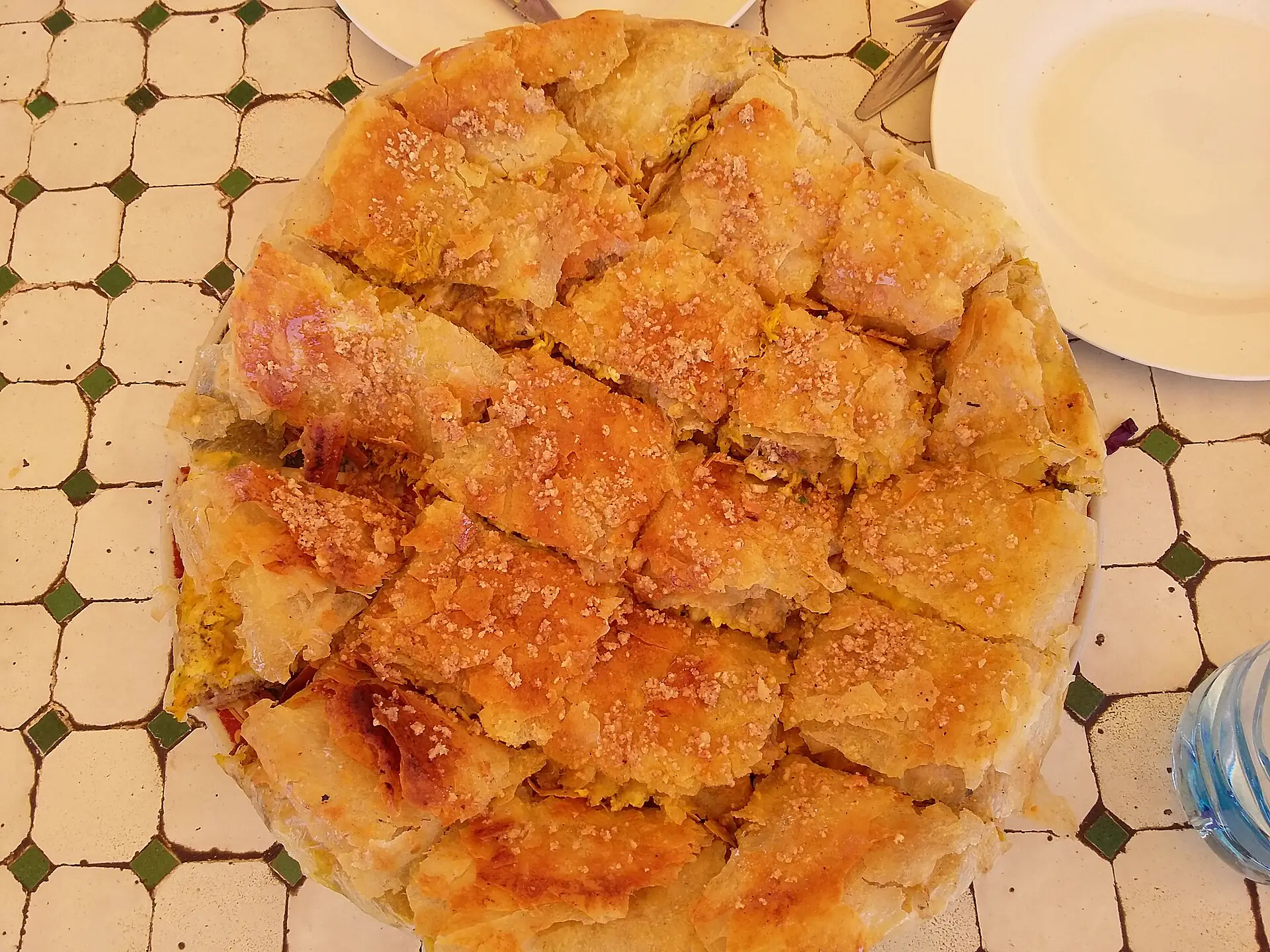
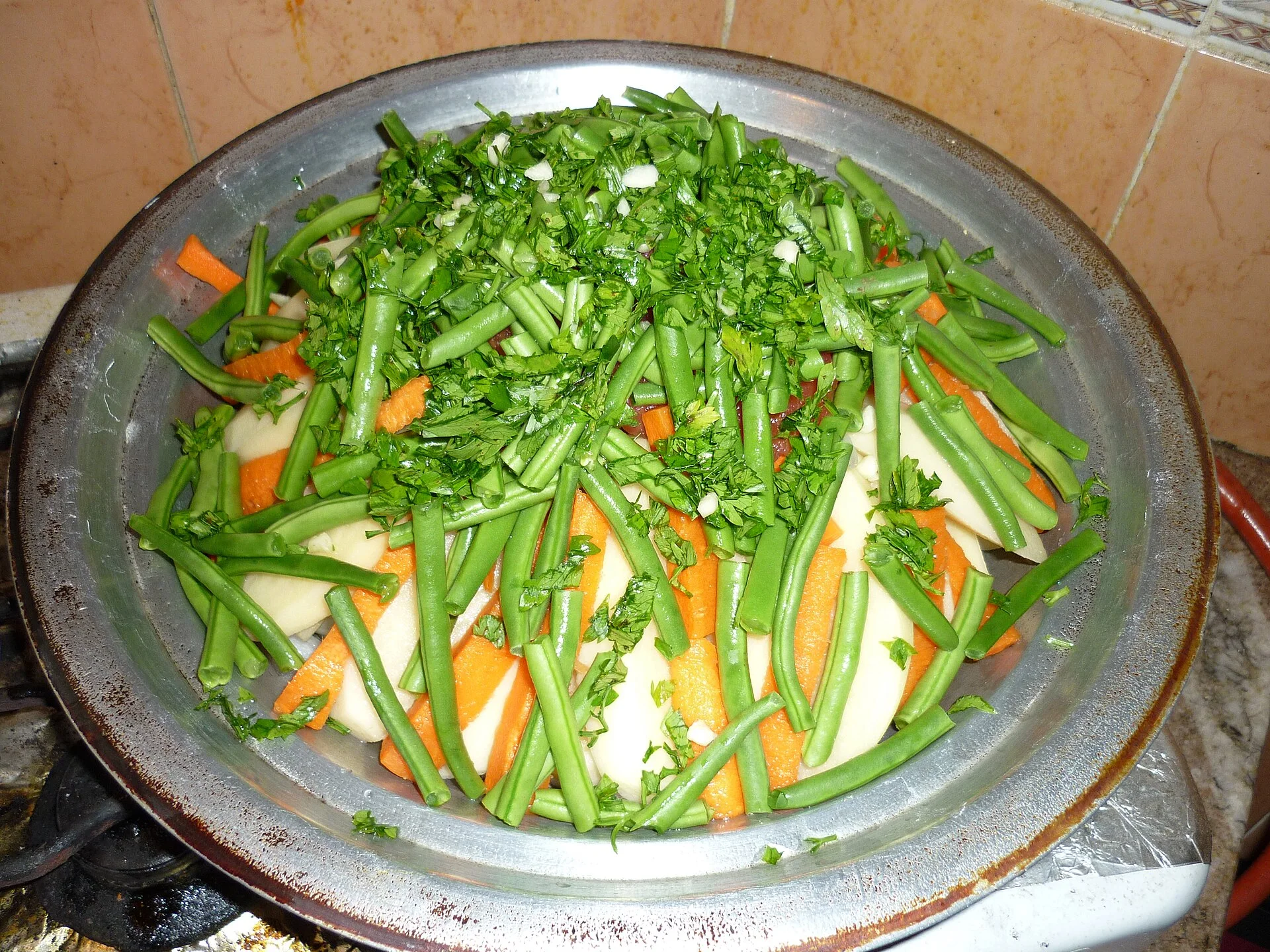
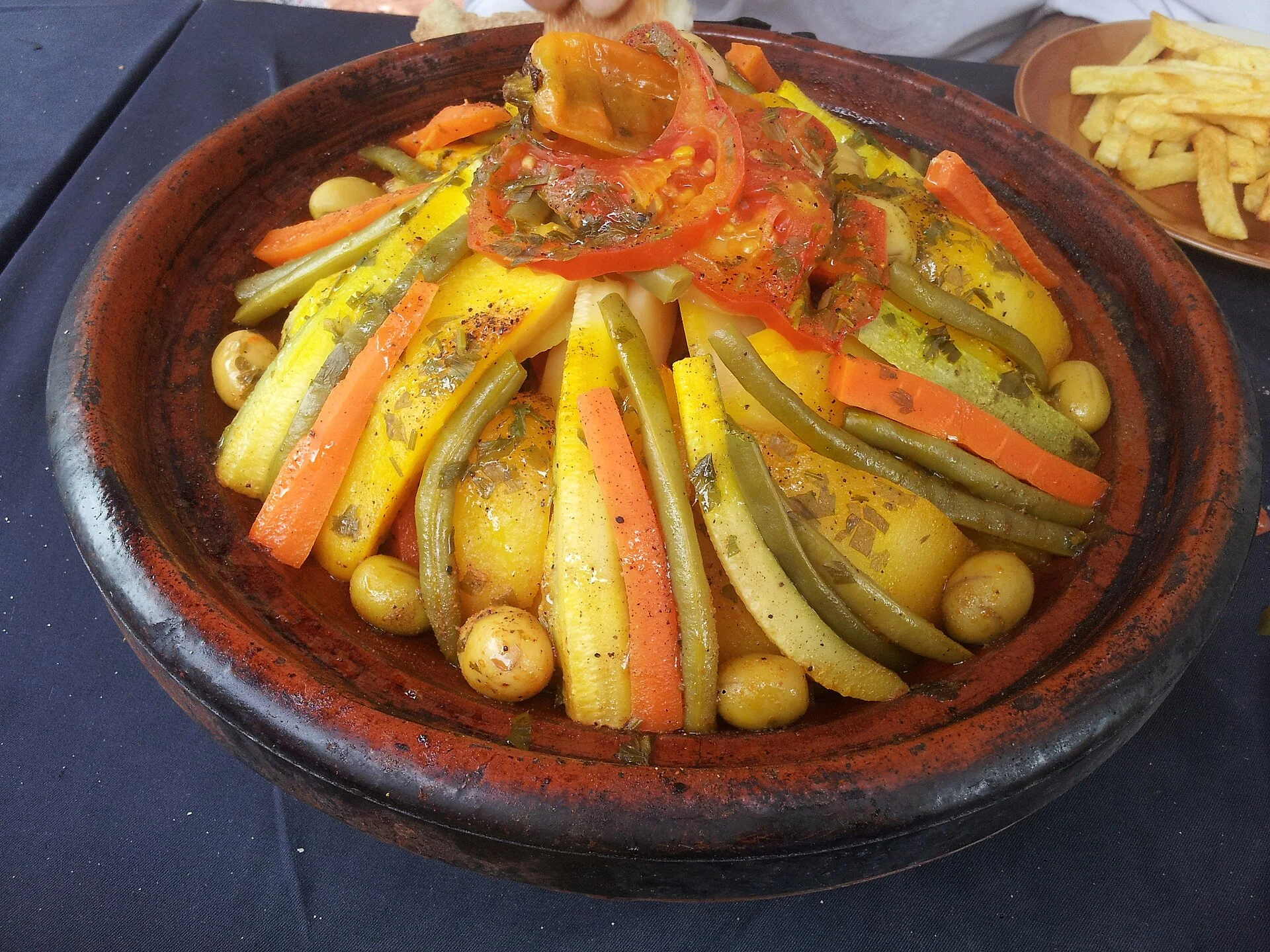
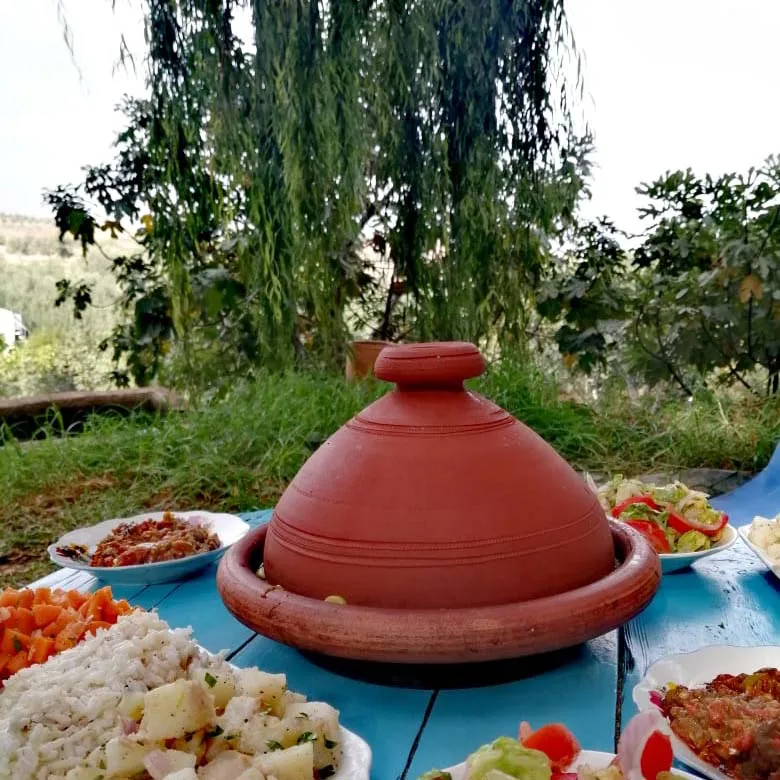
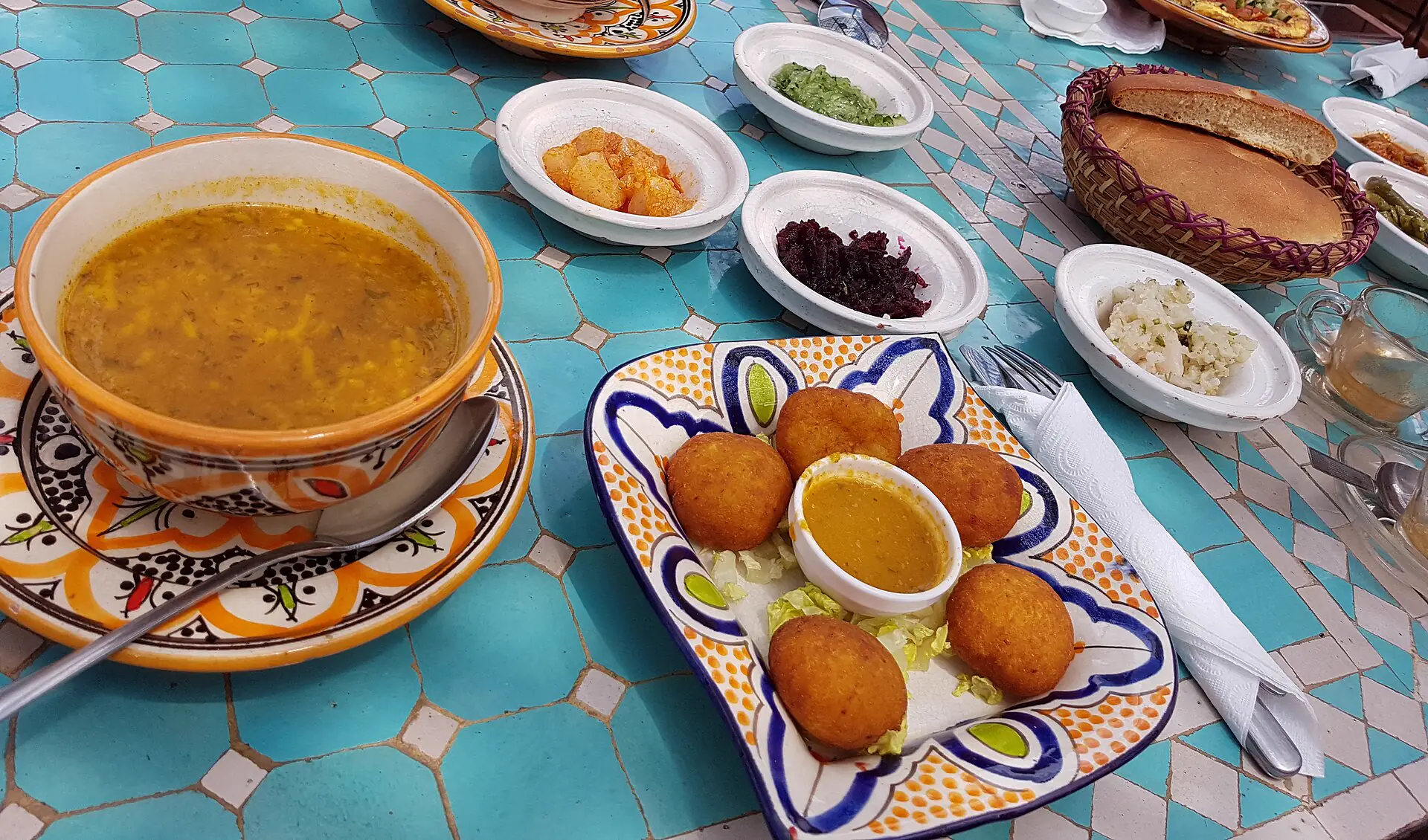
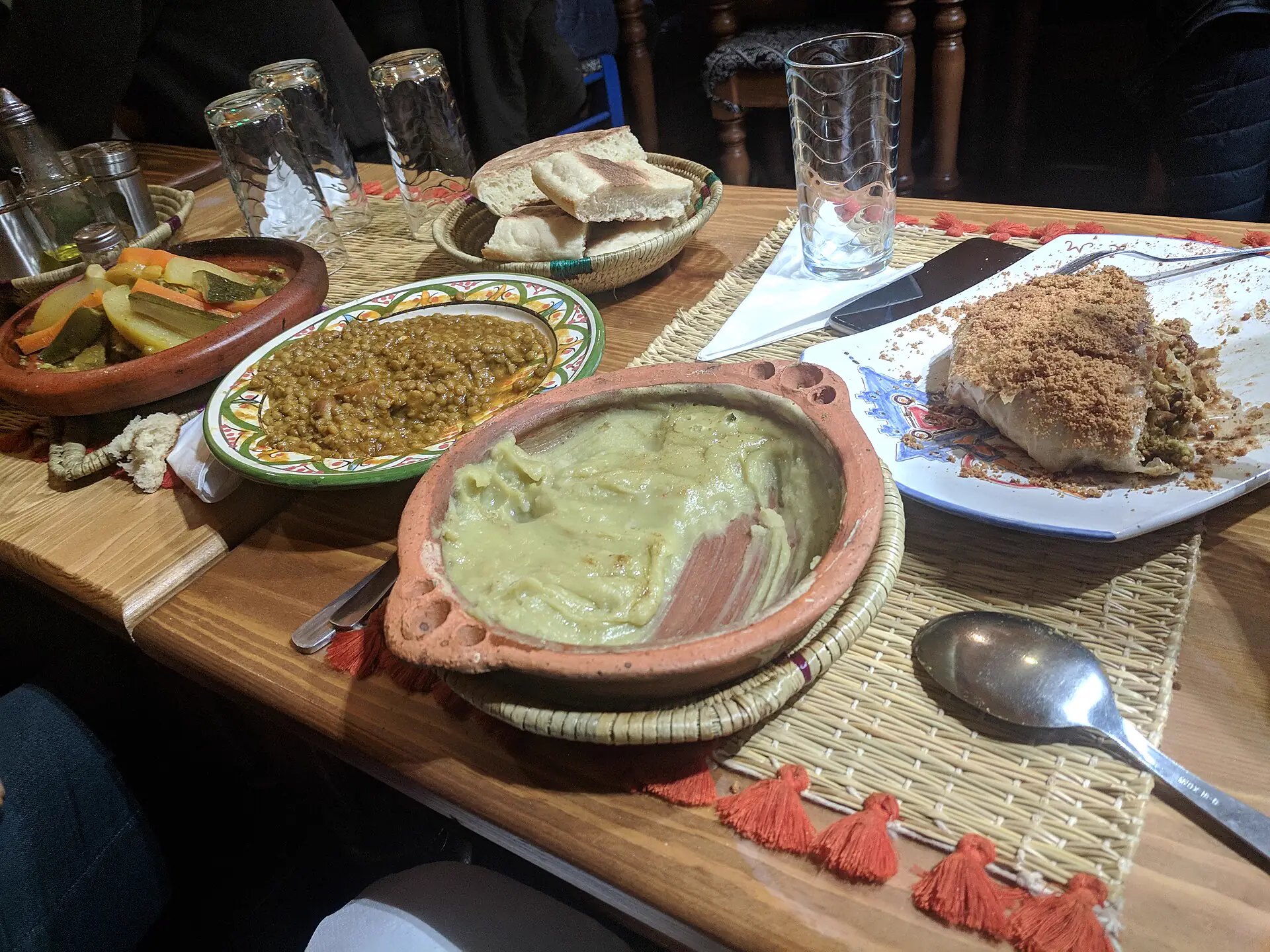
A Moroccan home spread: tagine, bissara, lentils and pastilla with bread

Cook Fassi food, in Fes

9 hands-on cooking classes in riad kitchens, the medina souks and the countryside. You shop the souk, roll bread, fold pastilla or slow-cook a tagine, then eat what you made. Vegetarian, vegan and family classes too. Each runs private or small-group, quoted for you.

  • Private or small-group
  • Vegetarian and vegan classes
  • Children welcome on family classes
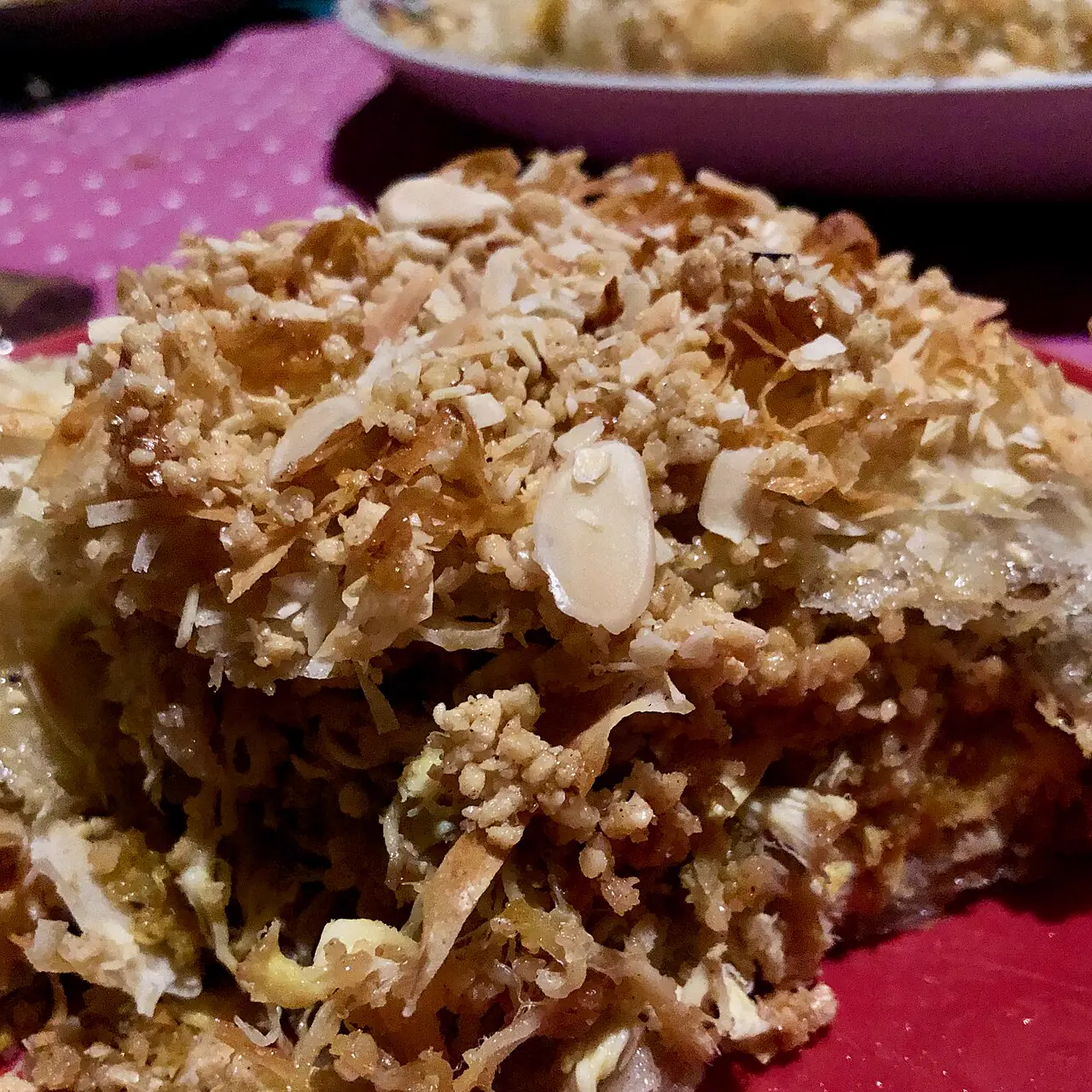
Moroccan dish. Photo: Abdeaitali, CC BY-SA 4.0
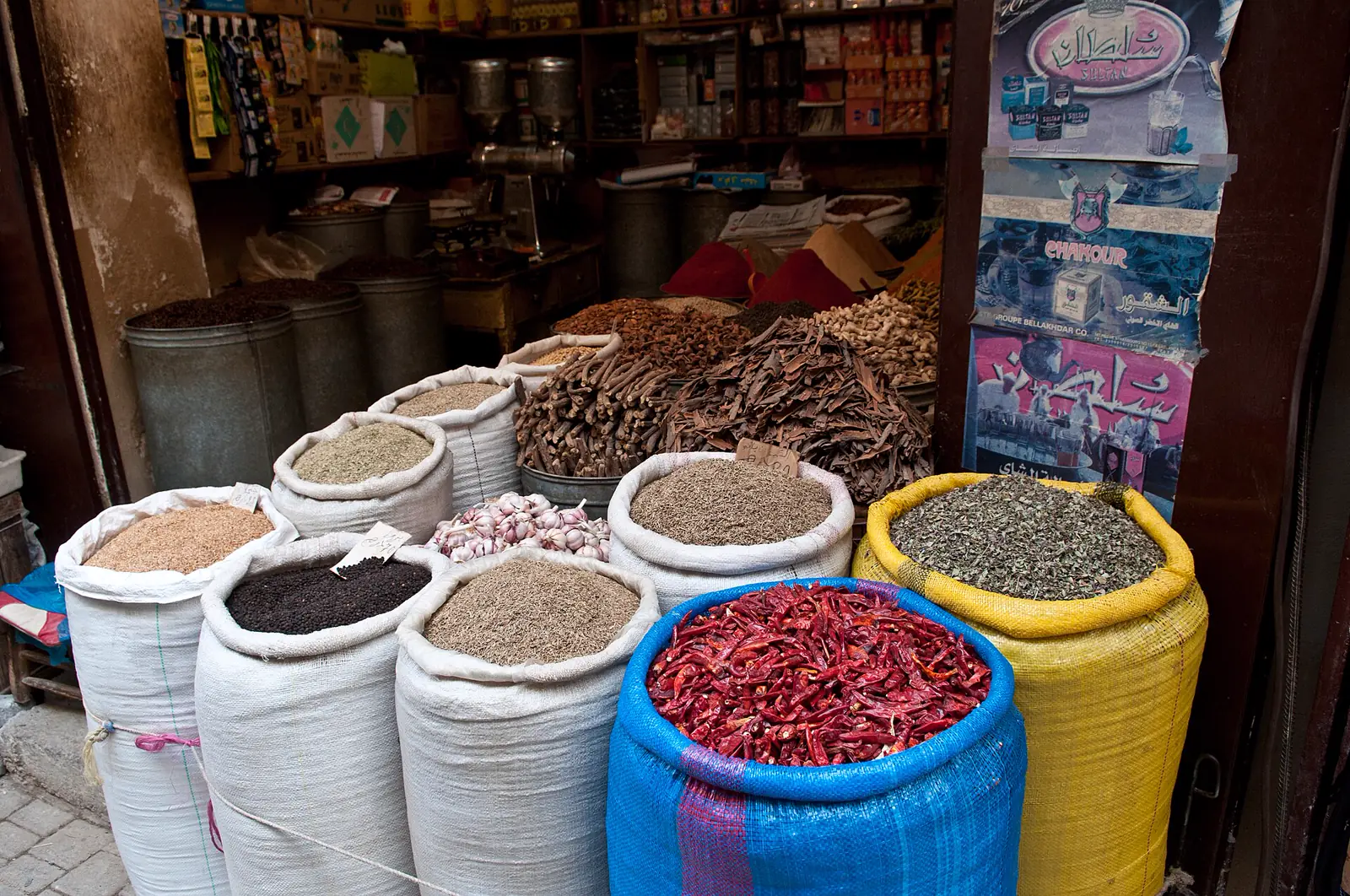
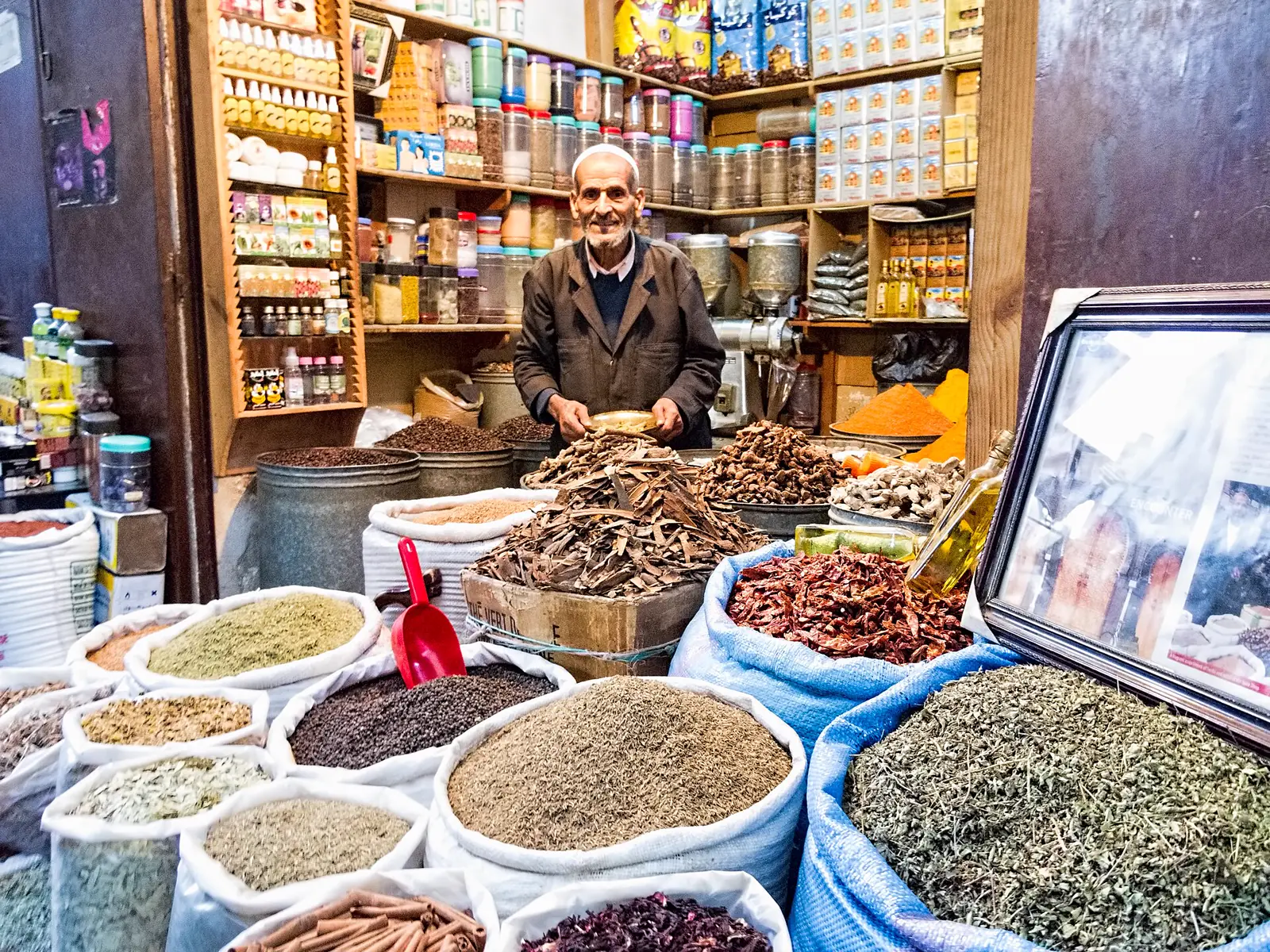
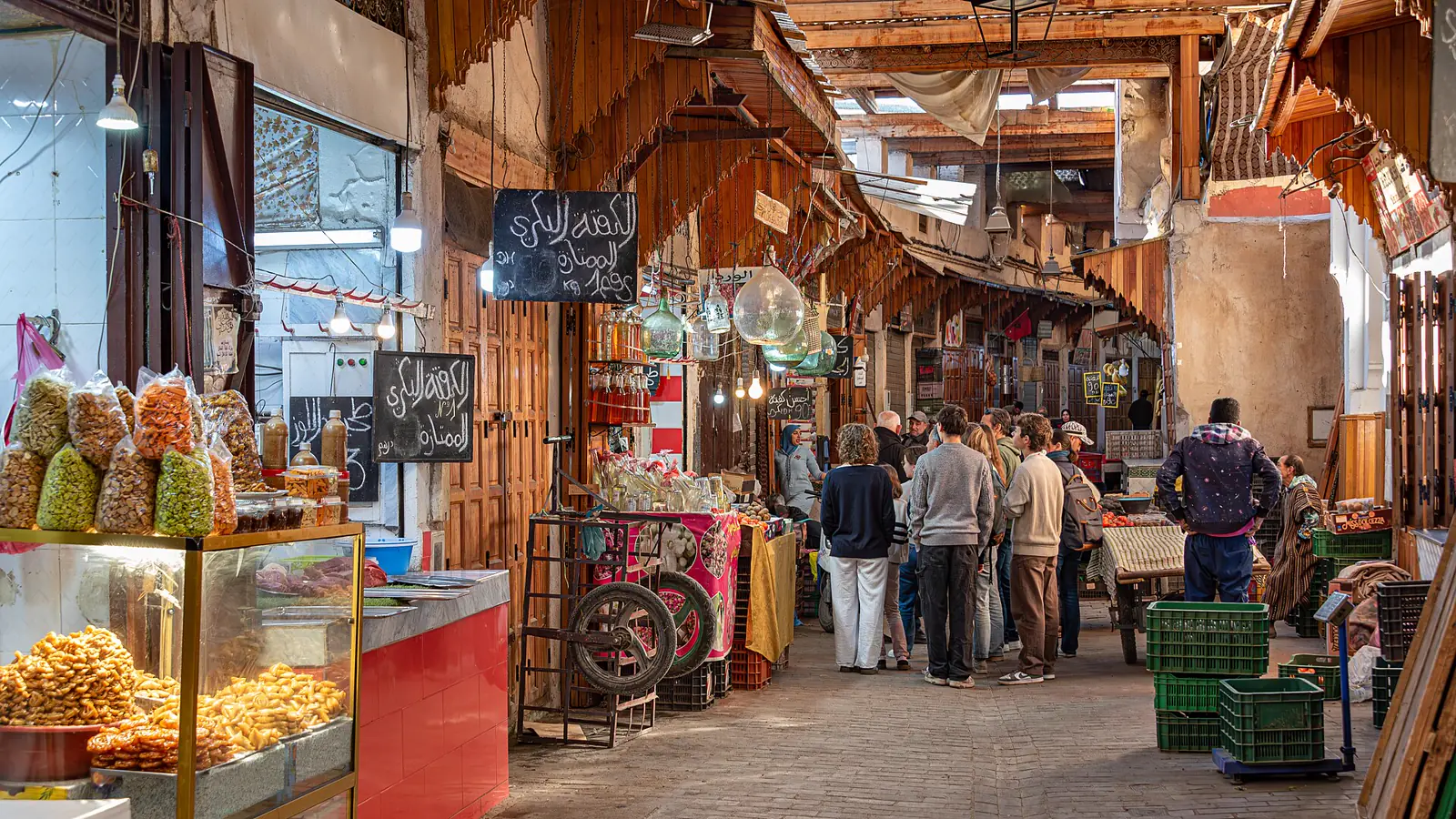
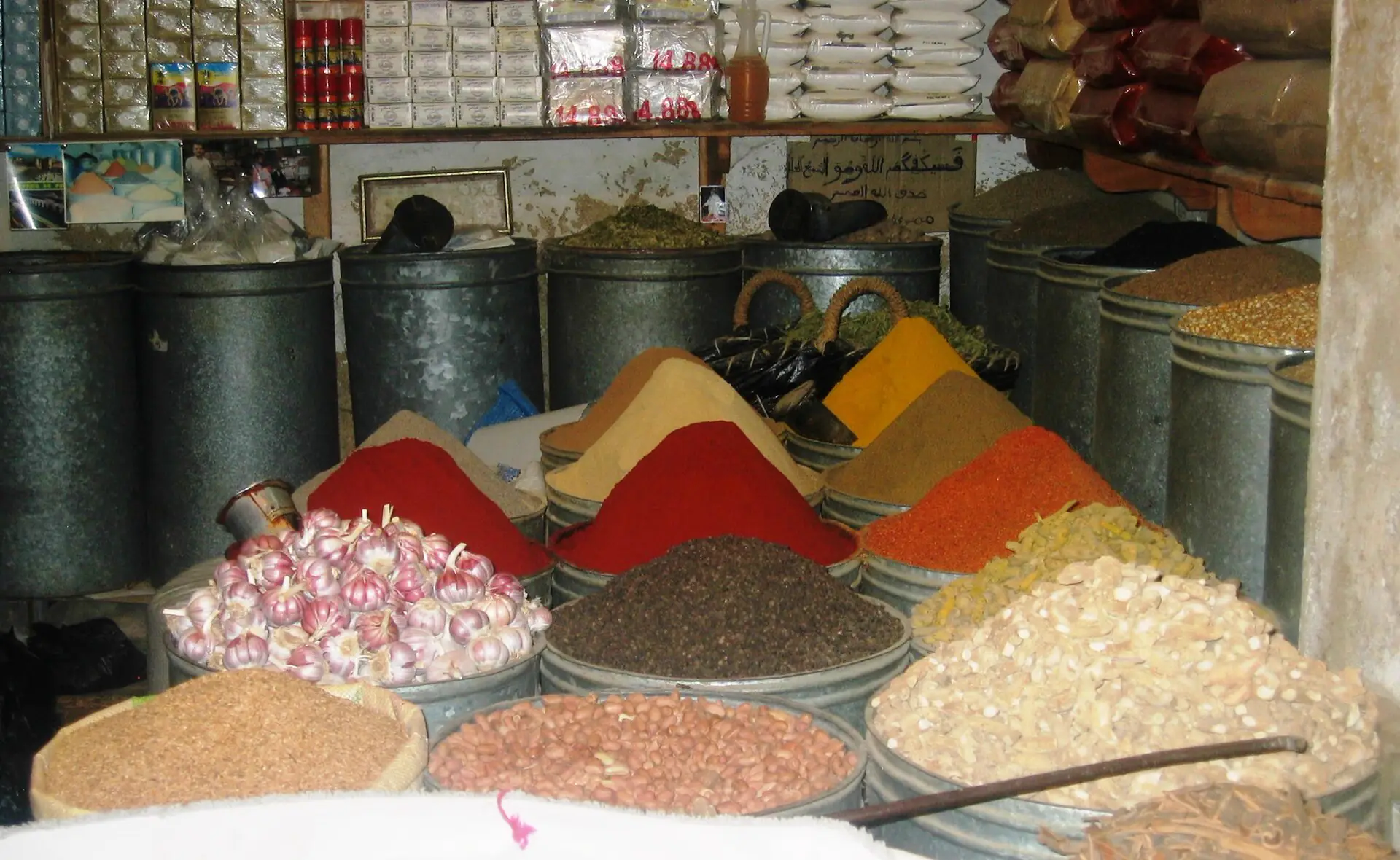
Sacks of spices and dried red chillies at a spice stall in the Fes medina

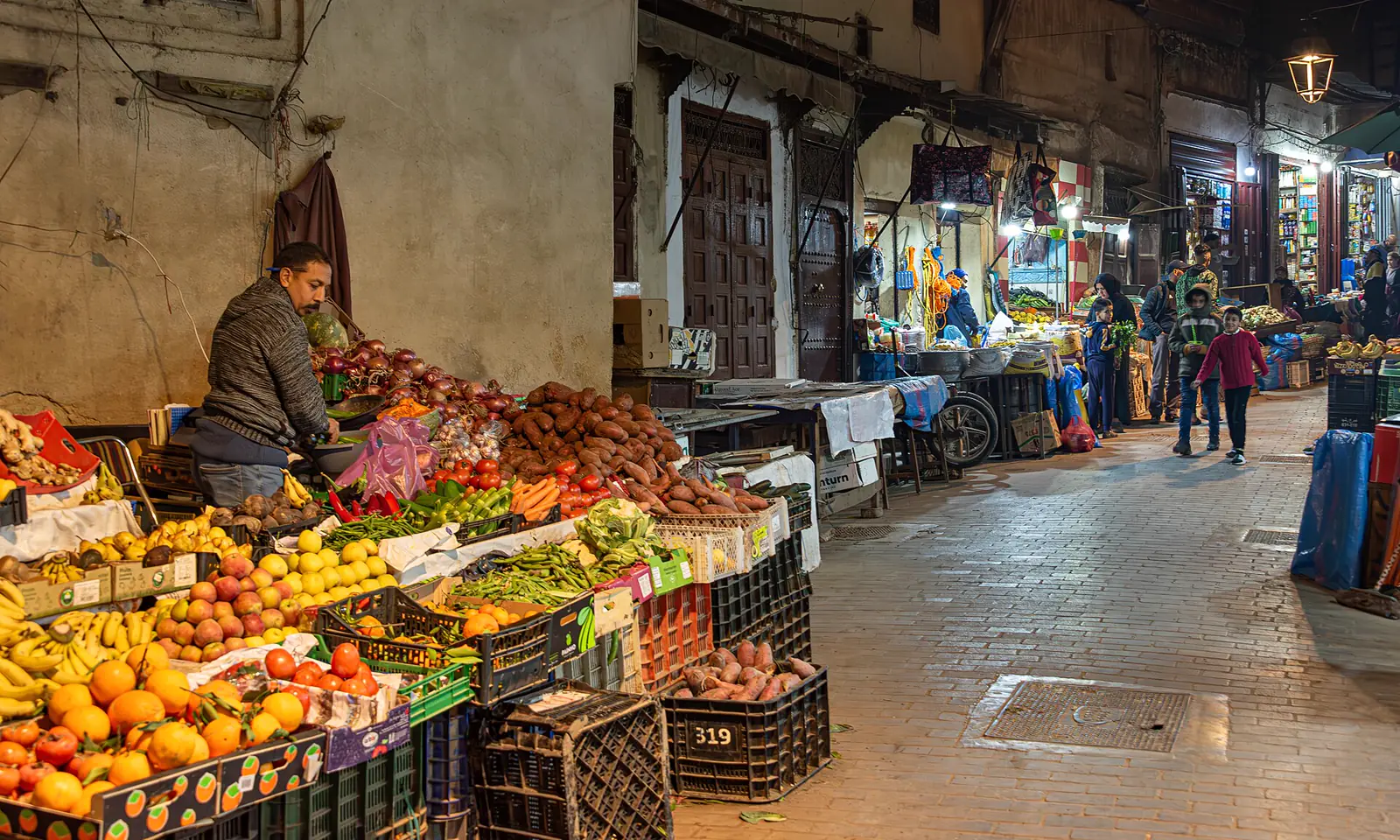
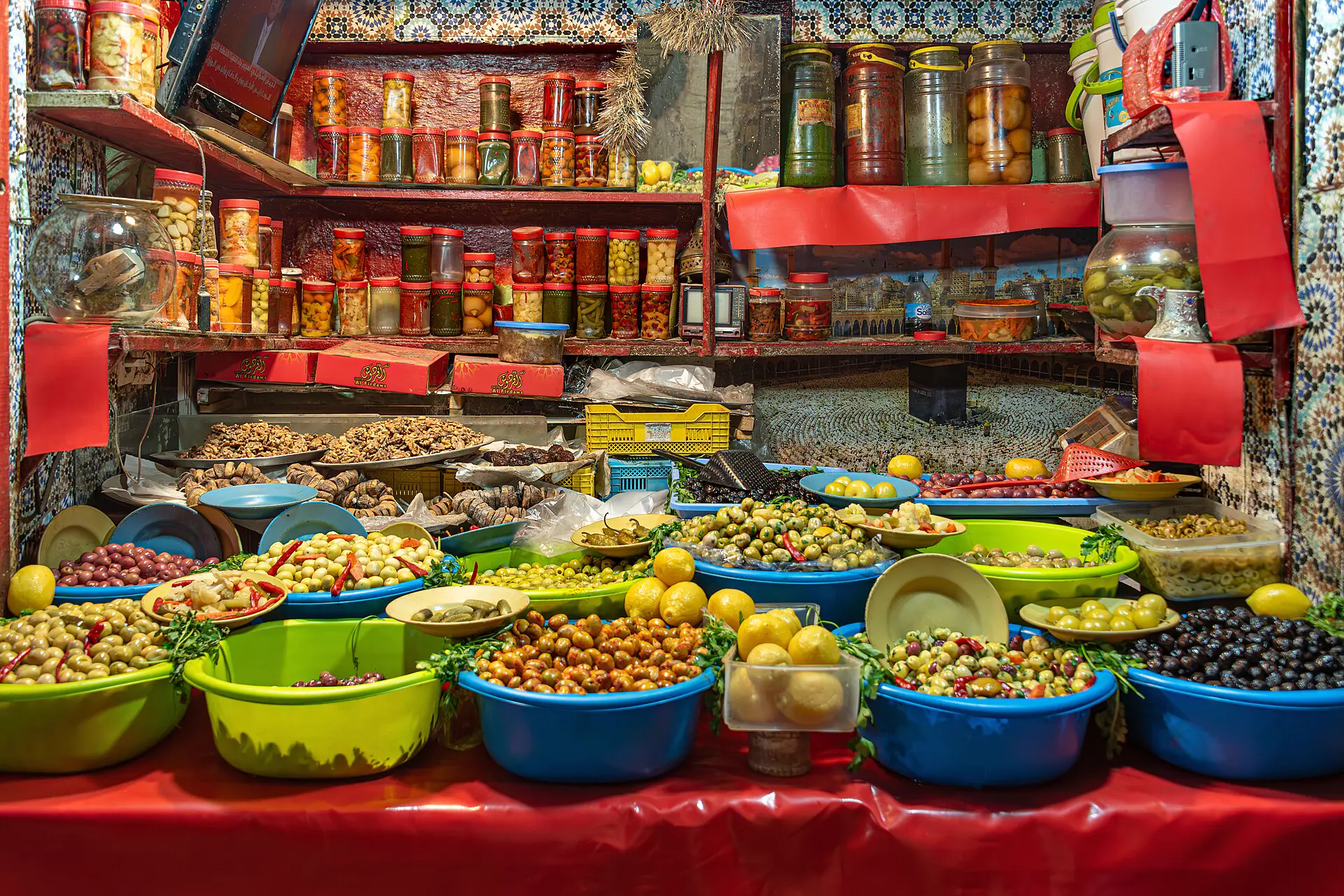
Every class starts where a Fassi cook starts: at the stalls.

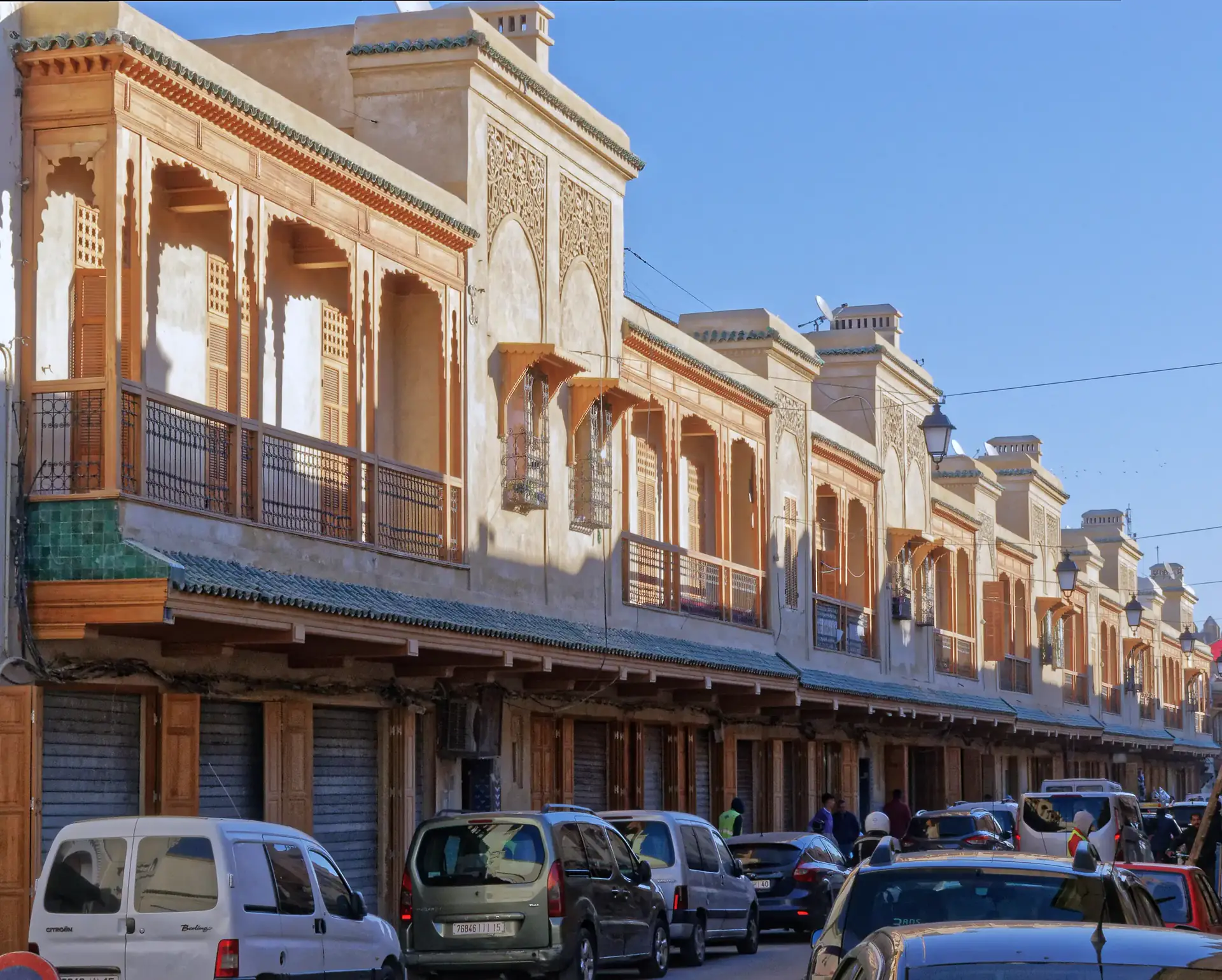
Fes el Bali, Fes

What Fassi cooking is

Ask Moroccans where the most refined cooking comes from and many say Fes. It is a city's home cooking: patient, layered with spice rather than heat, and fond of sweetness against meat.

Sweet with savoury

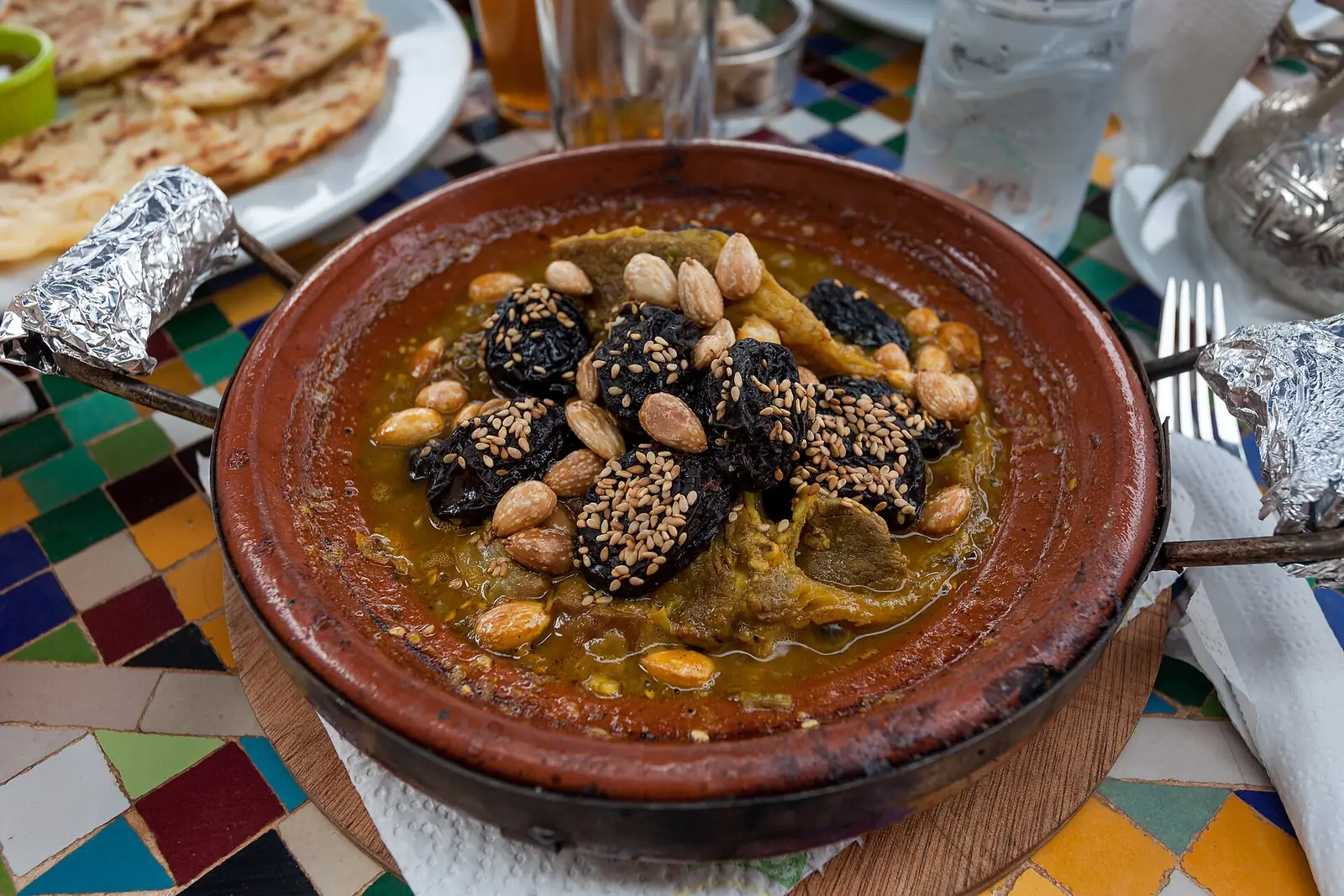
The signature of Fes is meat cooked with fruit, honey and warm spice: pastilla dusted with sugar and cinnamon, lamb with prunes and almonds, mrouzia glazed with honey and raisins, couscous crowned with tfaya of caramelised onion and raisins.

Many kitchens, one city

Fes was founded as a royal city and filled up with people from elsewhere: families from Córdoba and Kairouan in the early centuries, later waves from al-Andalus, and a Jewish community in the Mellah. Their cooking, and the Amazigh cooking of the mountains around the city, merged into what Moroccans call Fassi food.

Patience and preservation

Fassi cooks lean on things that take time: lemons preserved in salt, smen (aged, salted butter), khlii (spiced dried beef preserved in its fat) and the warqa pastry sheets for pastilla, made one by one on a hot pan.

A shared table

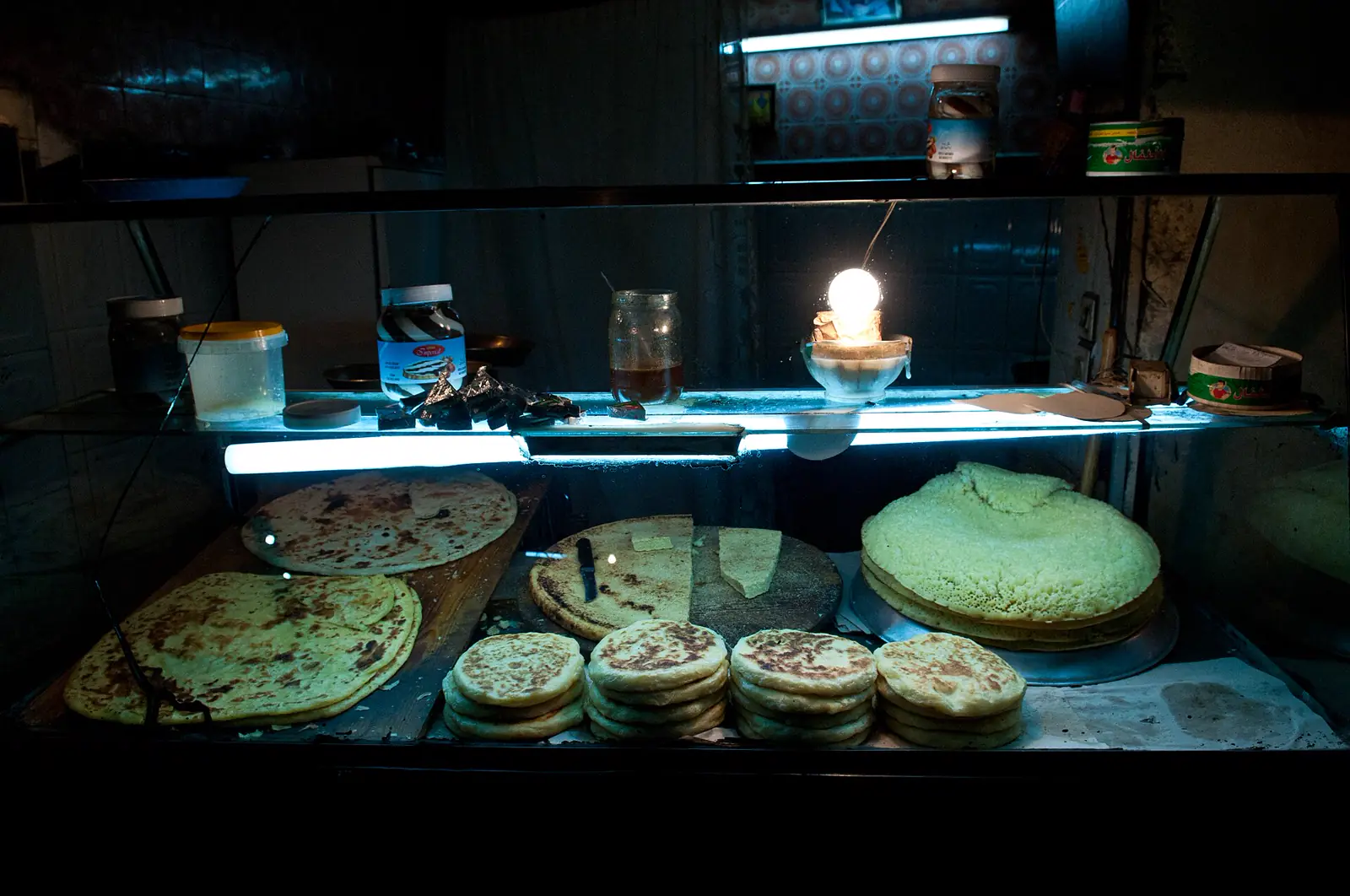
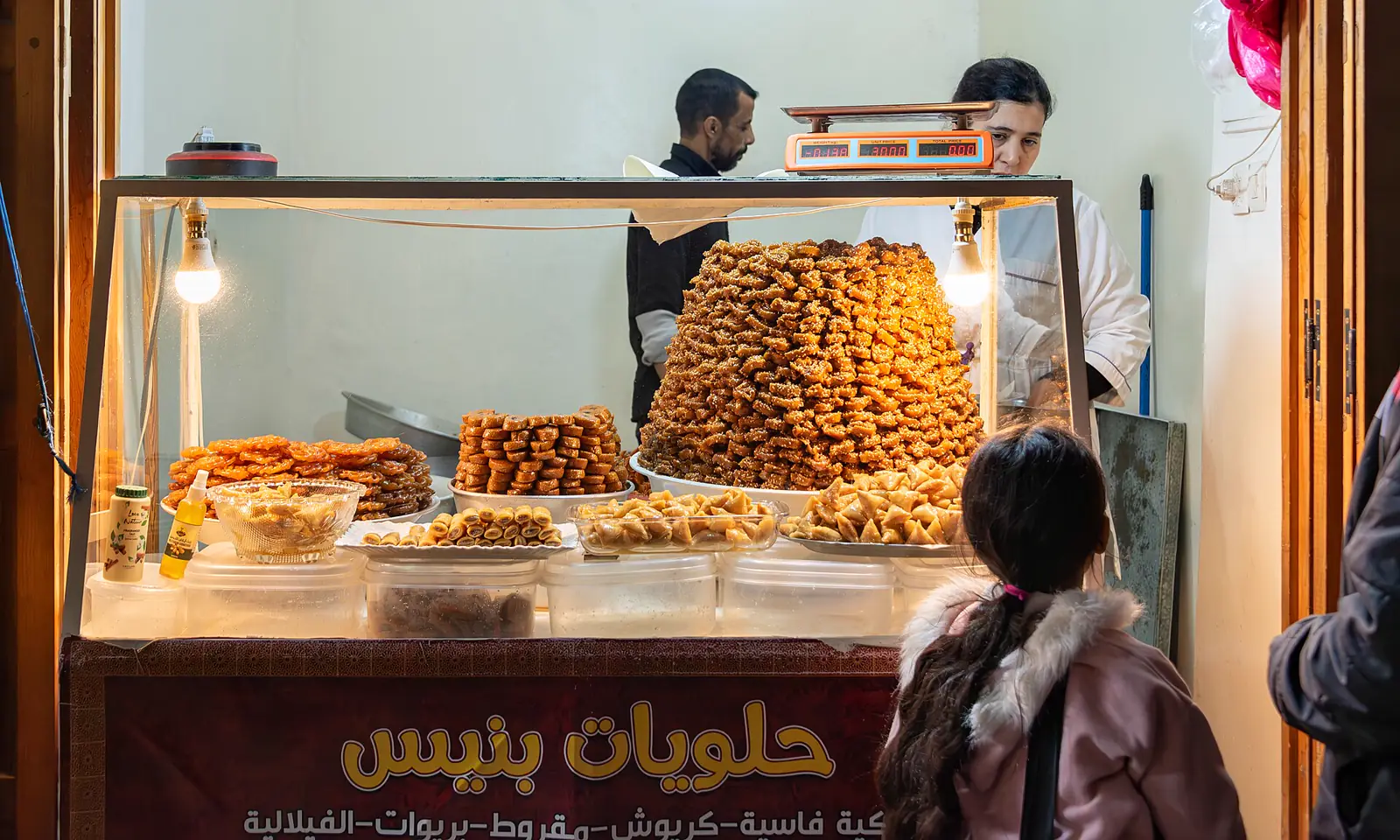
Bread is baked at the neighbourhood ferran, couscous is the Friday meal, harira breaks the Ramadan fast, and sweets like chebakia and kaab el ghazal mark every celebration. A class here is as much about those rhythms as about recipes.

Before you knock

The questions people ask us most before they plan a trip.

Which Fes cooking class should I book?
If it's your only class, choose the riad class with a market visit: you shop the souks and cook a full lunch. Keen cooks who already know tagine should take the Fassi specialties class for pastilla and mrouzia. For children, the family class keeps every step hands-on and short.
Are the cooking classes private?
Every class is offered both ways: private, for just your party, with your own menu and start time; or small group, shared with a few other travellers on a set menu. Ask for a quote and we'll price both.
How much does a cooking class in Fes cost?
We don't publish fixed prices because each class is built around your group size, menu, diet, date and whether you want it private. Send your details through the quote form and you'll get a written quote.
Can cooking classes in Fes cater for vegetarians and vegans?
Yes. Moroccan home cooking has a deep plant-based repertoire (cooked salads, vegetable tagines, bissara, lentils, seven-vegetable couscous) and we have a dedicated vegetarian and vegan class. Most other classes can also be run fully vegetarian if we know before the market shop.
Is a cooking class or a food tour better in Fes?
They do different things. A food tour is a few hours grazing street food across the medina; a cooking class teaches you to make the dishes and ends with a sit-down meal. Many guests do the food tour on day one and a class later in the trip.
What should I bring to a cooking class?
Comfortable shoes for the medina, clothes you don't mind getting a little flour on, and an appetite. Aprons, ingredients and recipes are provided.
Tell us what you want to cook. We'll set the table.

  1. Tell us what drew you in. Your dates, who is travelling and what you want to see.
  2. A person reads it. We write a day-by-day plan for your group, private or small-group.
  3. You change anything. Then we confirm the guides, drivers and riads.
Plan this with us