Destinations · 42 curated guides
The best places to visit in Morocco.
Nine destinations cover ninety percent of what travellers come to Morocco for — from Marrakech to the Sahara dunes, Fes to Chefchaouen and the Atlantic coast. Each guide gives you the real number of days, the right time to visit, and a quote on request.
42 destinations
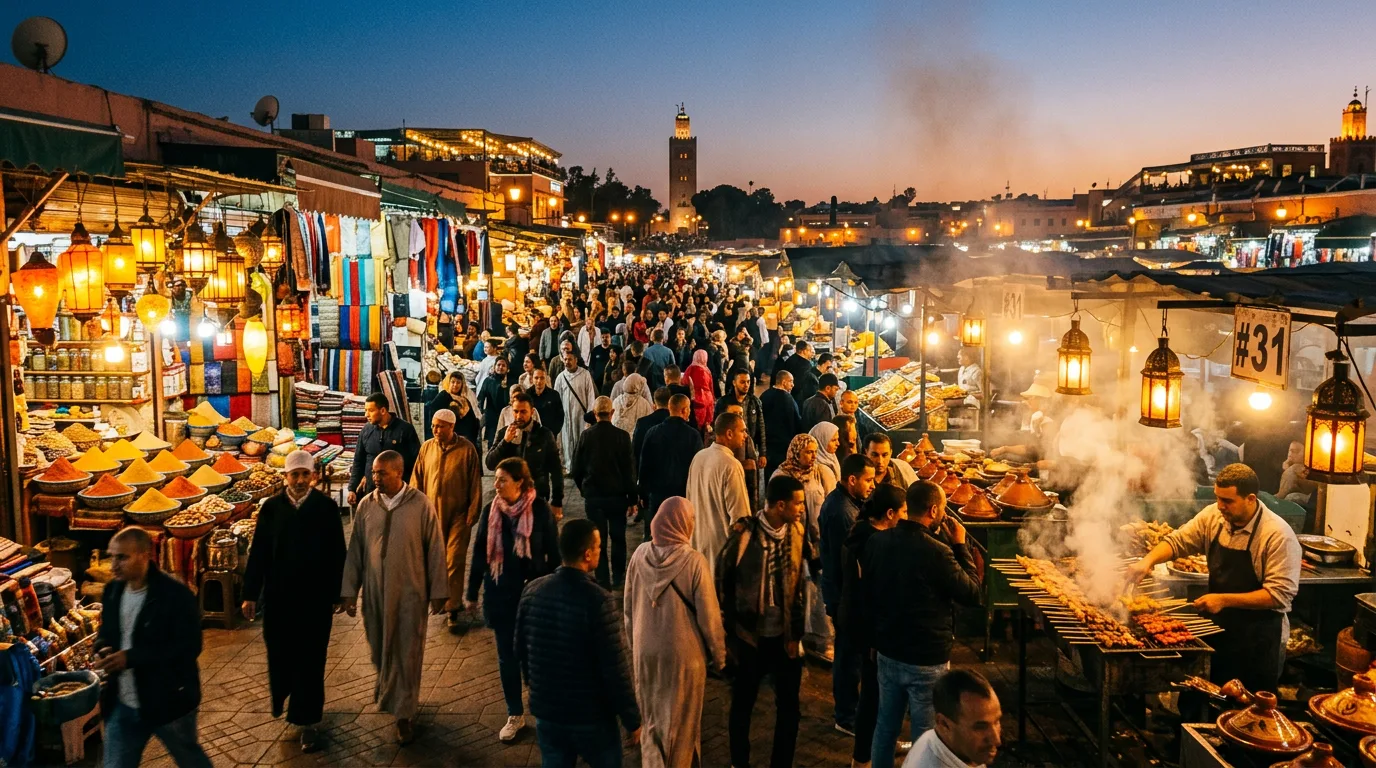
Marrakech
The red city of the south — Marrakech as the open, theatrical counterpoint to spiritual Fes.
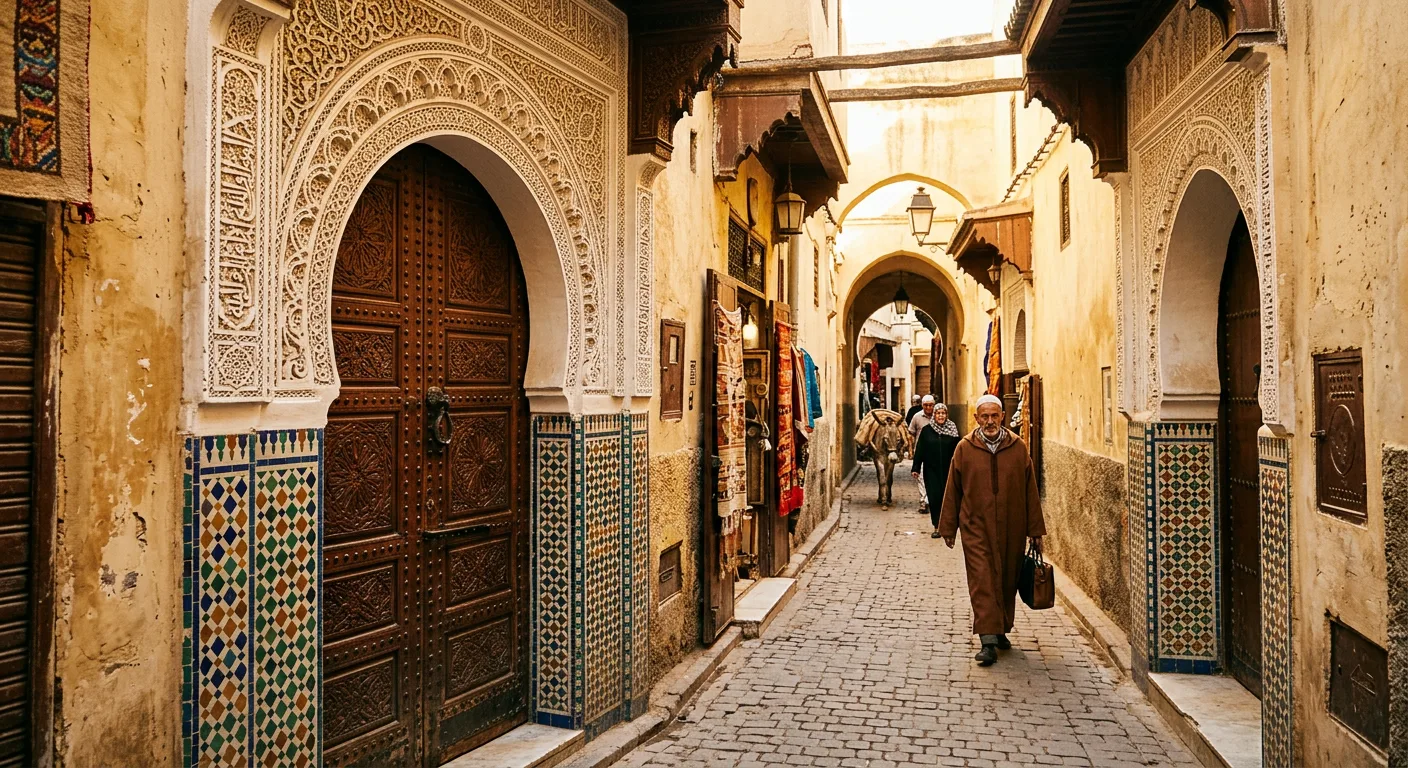
Fes
Morocco's spiritual and artisan capital — the world's largest car-free medieval city, and the heart of everything we do.
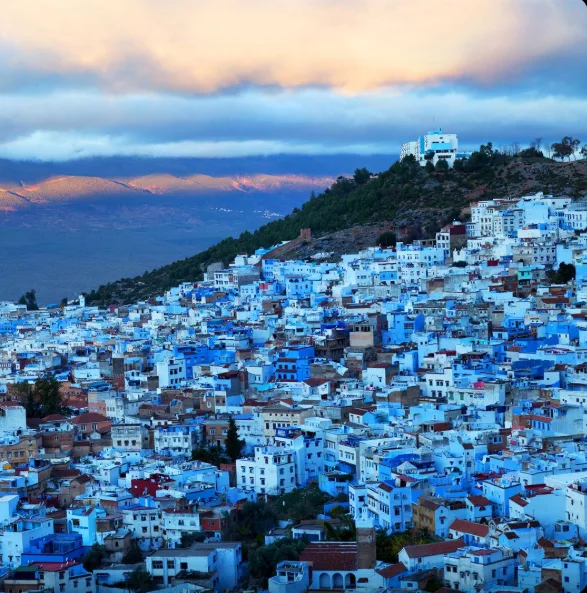
Chefchaouen
Morocco's blue pearl — a cobalt-washed Rif medina, the most rewarding overnight extension north of Fes.
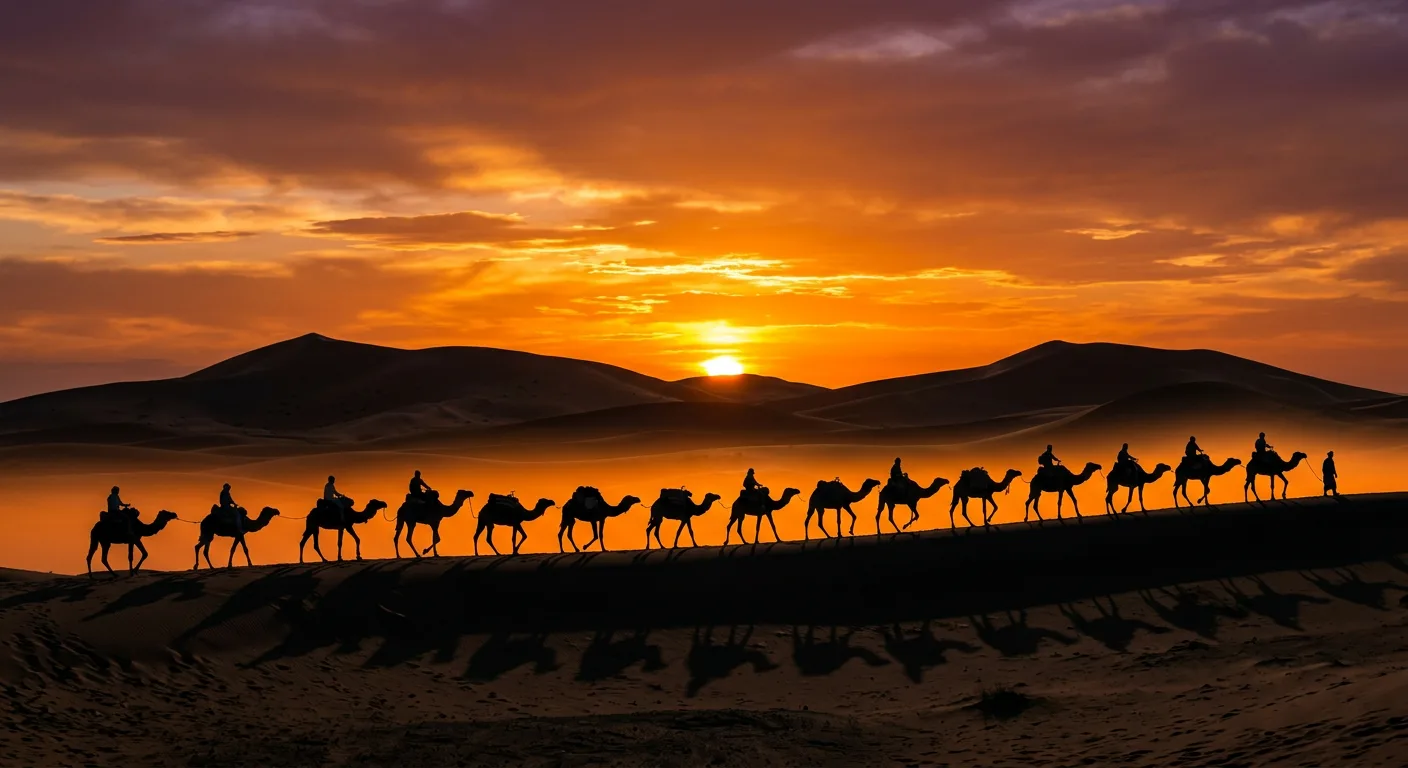
Sahara & Merzouga
Real Sahara: 150m dunes, camel caravans and luxury camps — and Fes is the classic northern gateway in.
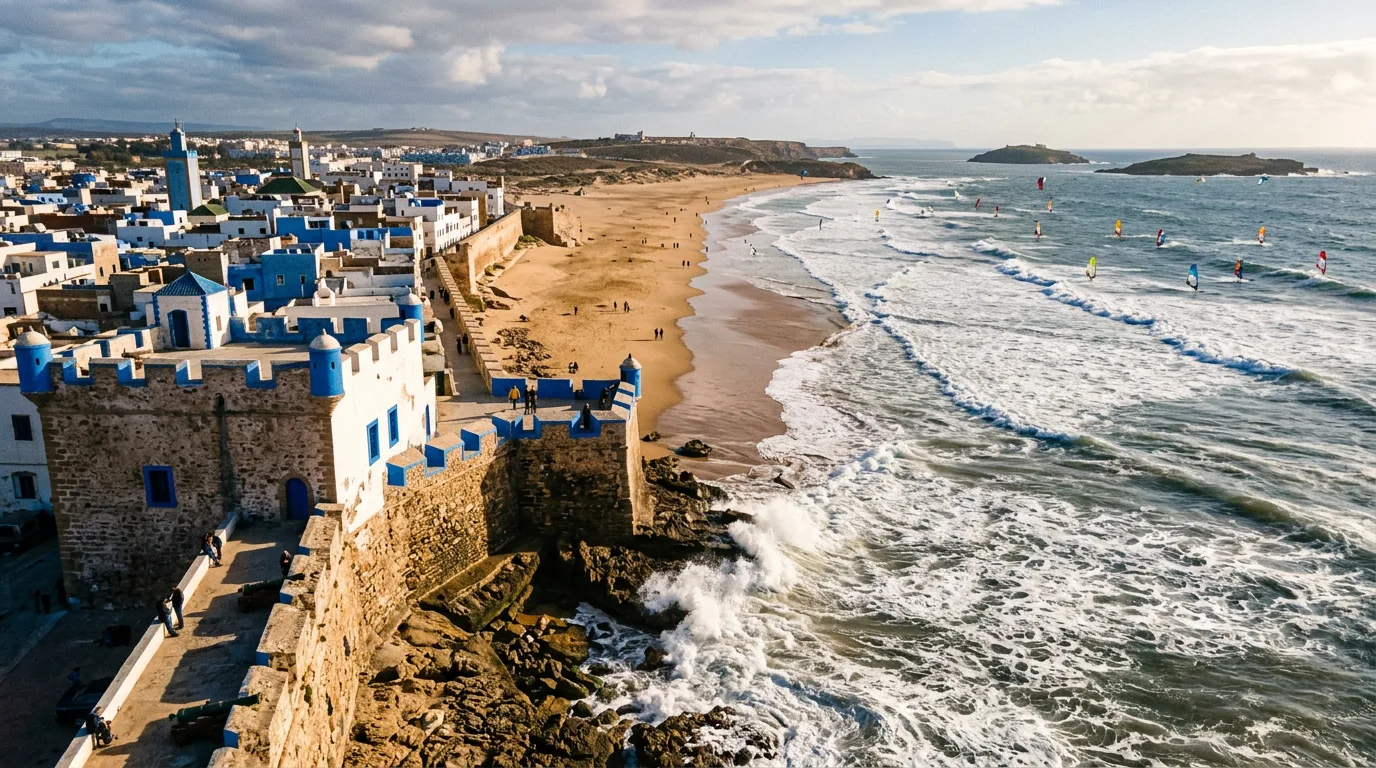
Essaouira
Atlantic Mogador: trade-wind ramparts, fishing boats and grilled sardines — the coastal counterpoint to Fes.
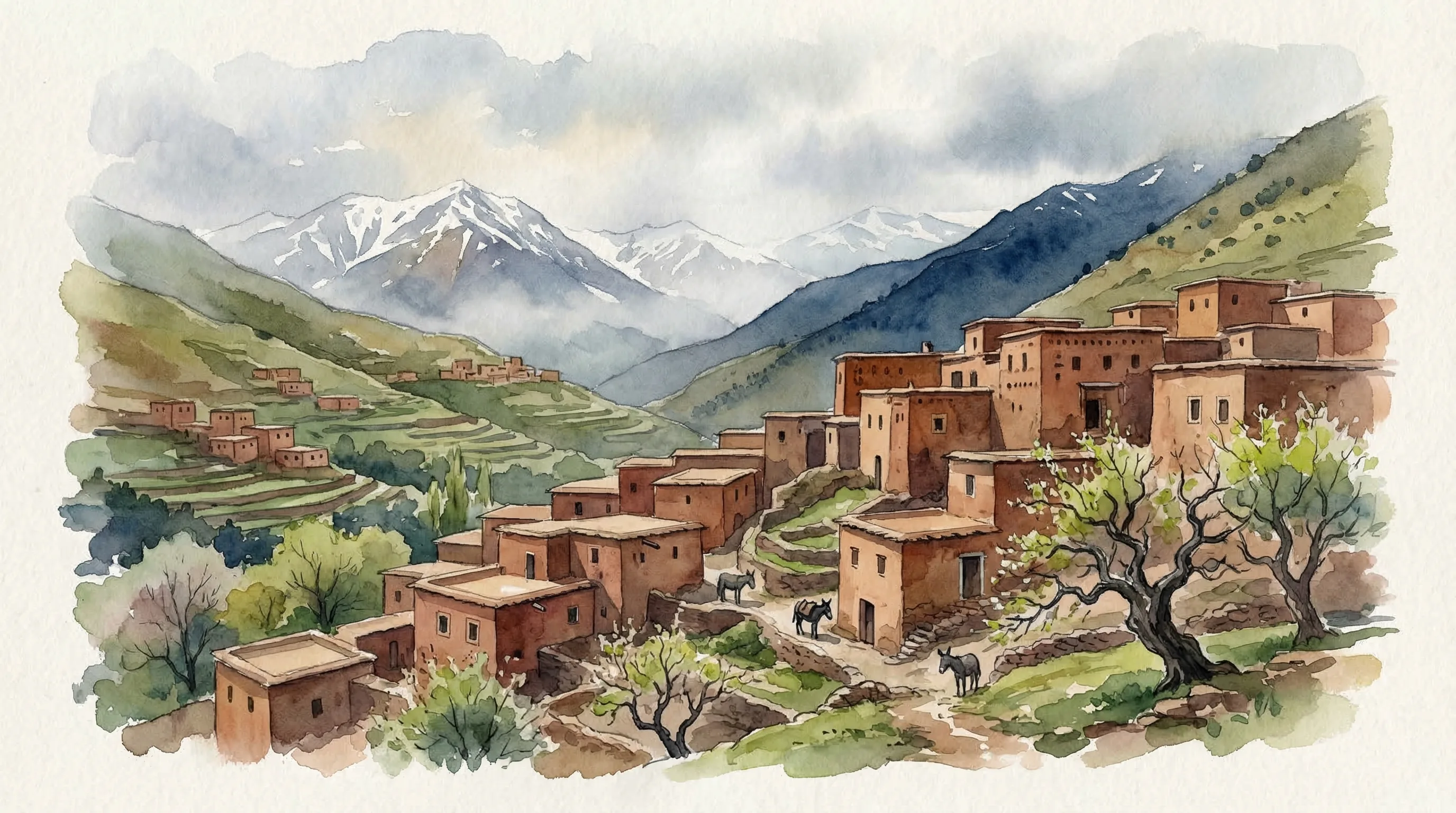
Atlas Mountains
Berber villages, walnut terraces and North Africa's highest summit — the trekking heart of the imperial south.
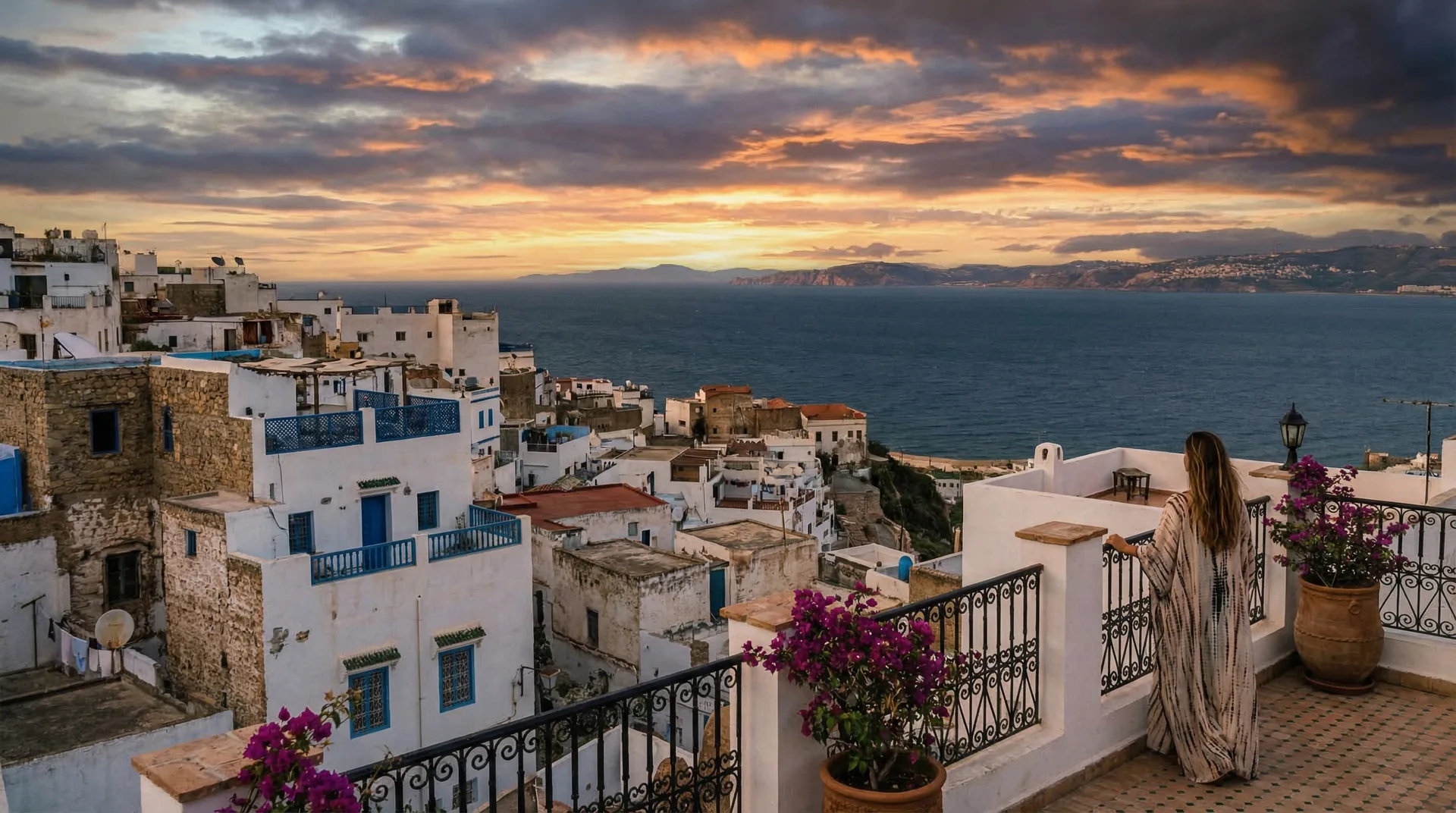
Tangier
Fes's northern gateway — kasbah, strait and the international city of Bowles and Matisse.
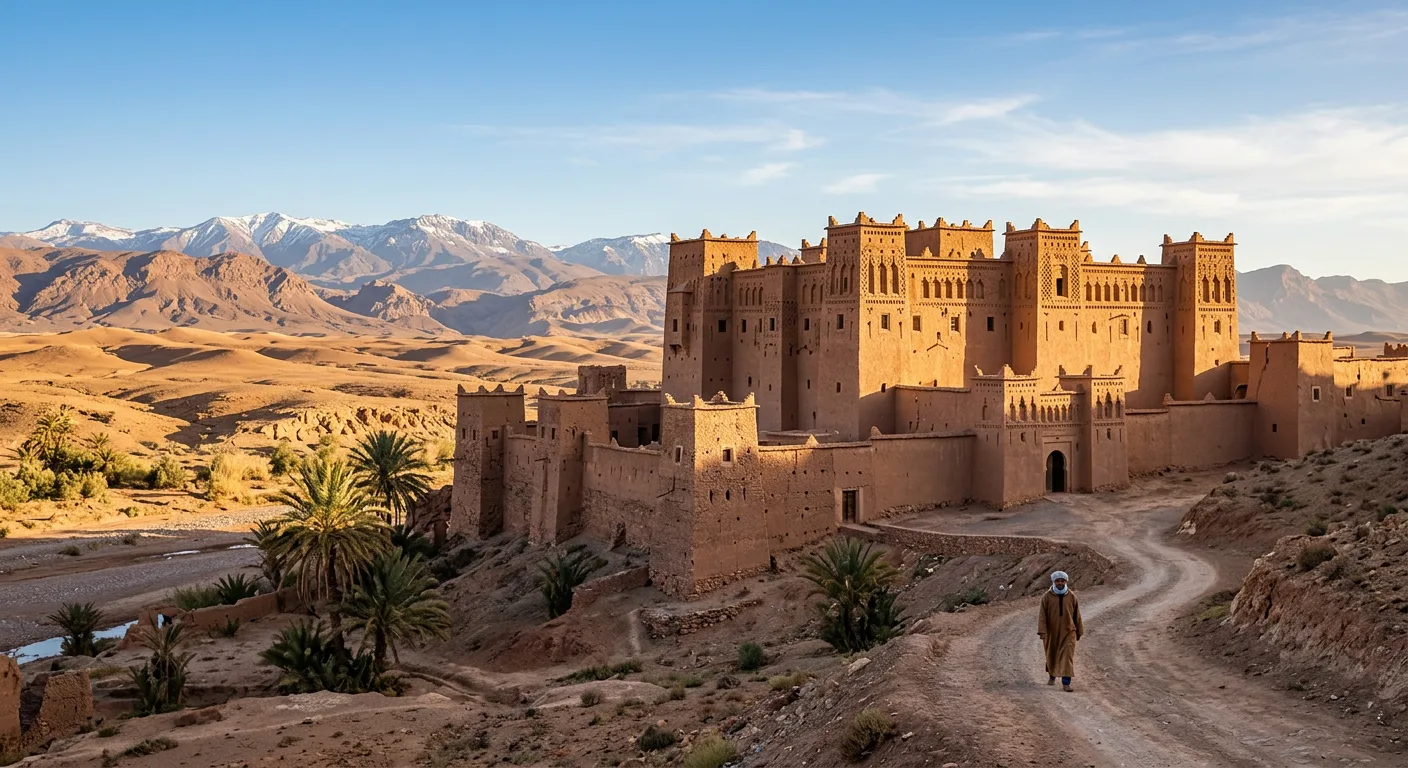
Ouarzazate & Aït Ben Haddou
Africa's film capital: earthen kasbahs, desert studios and the road to the dunes.
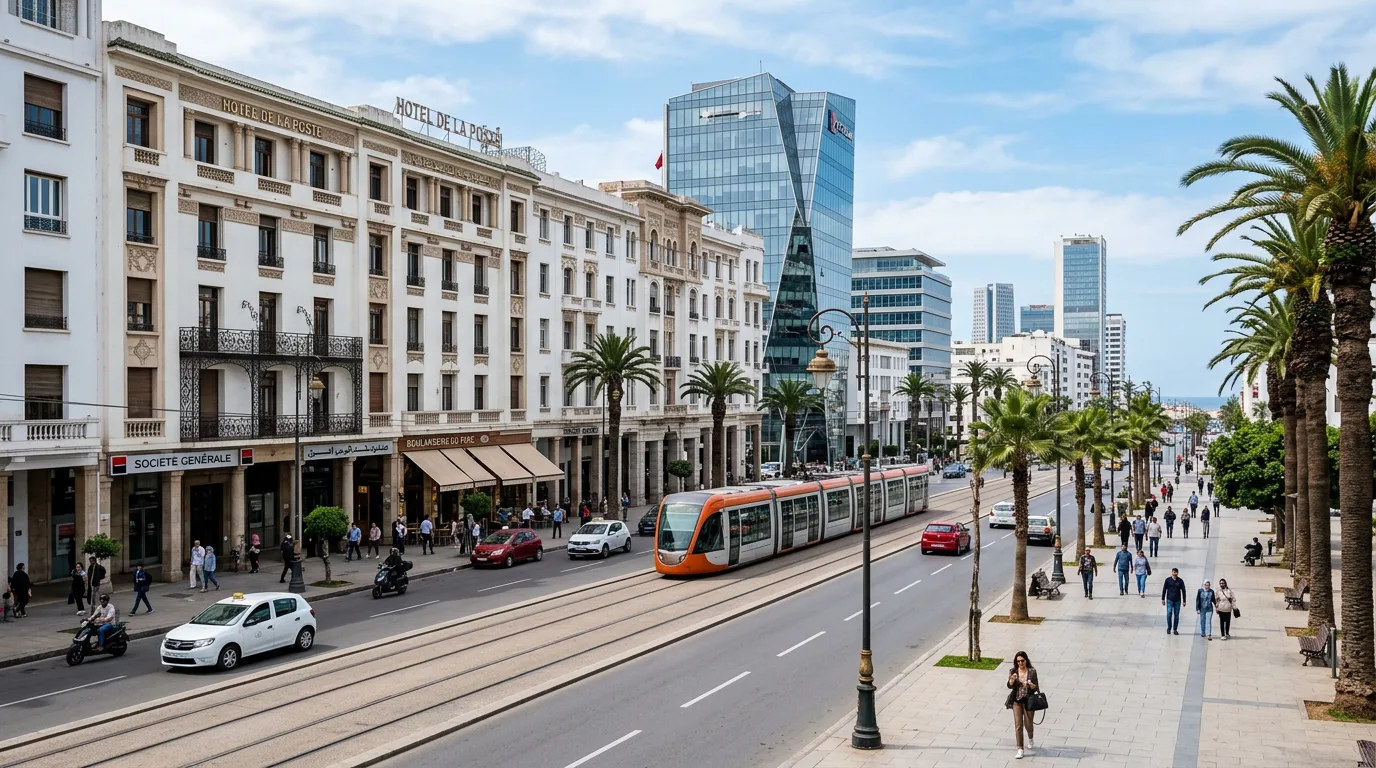
Casablanca
Morocco's international front door — fly in to CMN, see the Hassan II Mosque, then point toward Fes by road or rail.
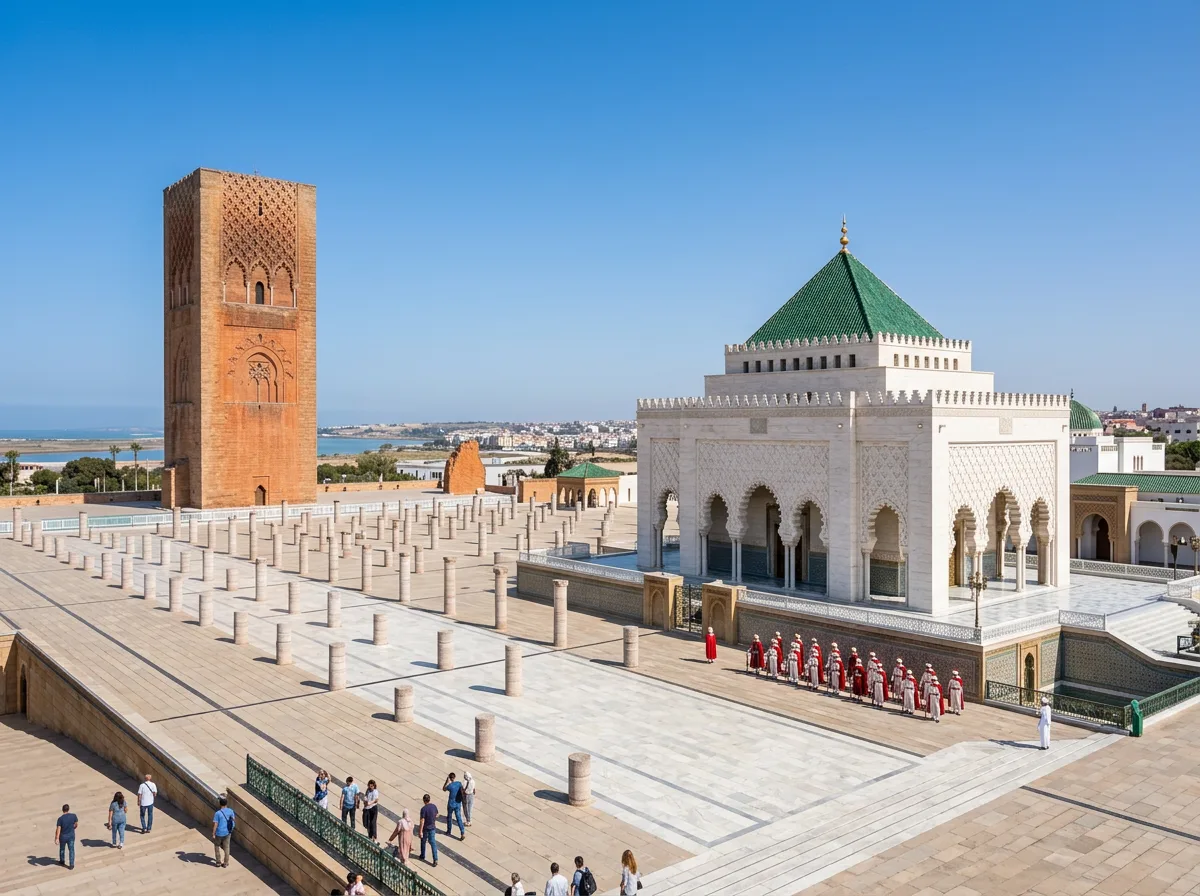
Rabat
Morocco's calm, green capital — an easy 2h30 from Fes on the Al Boraq high-speed line.
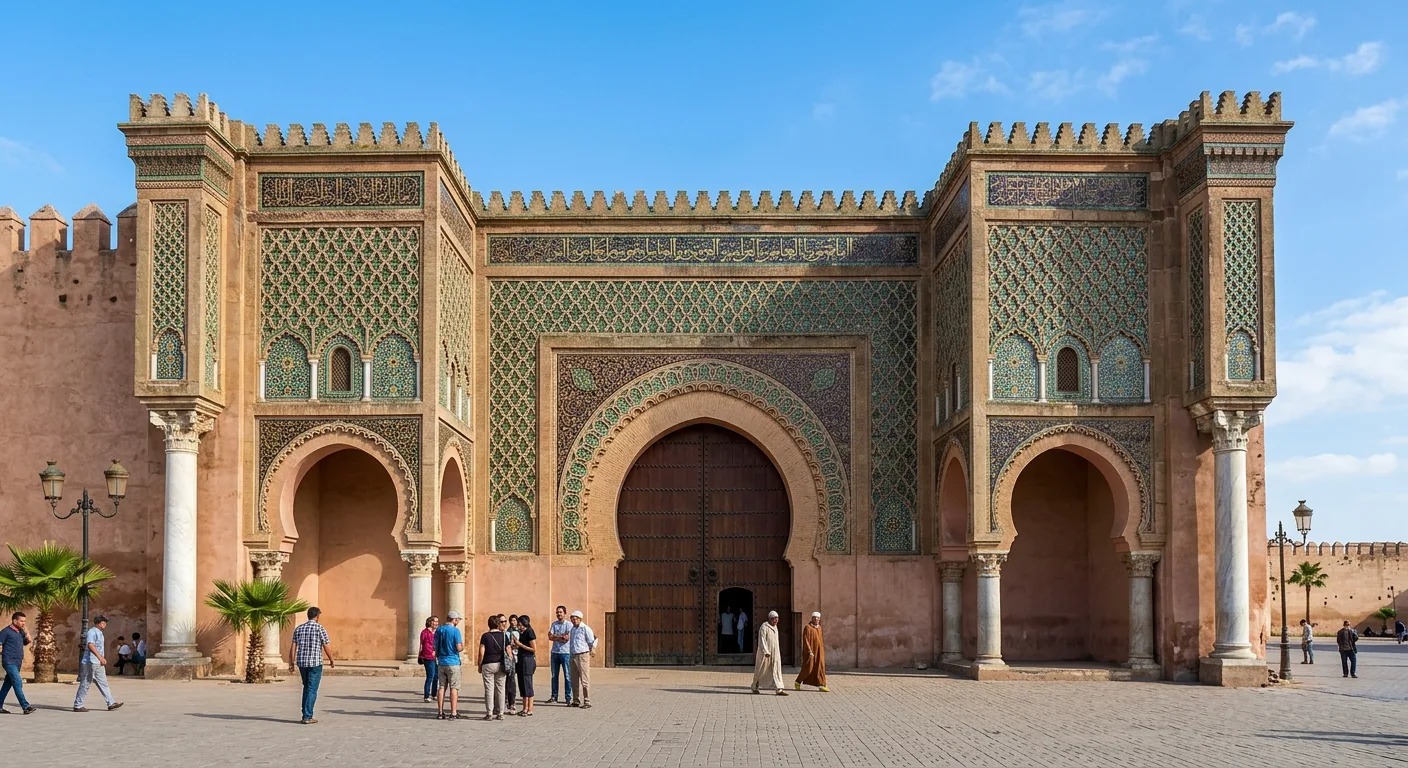
Meknes
Fes's imperial neighbour — under an hour away, and the perfect day trip for Moulay Ismail's gates, Volubilis and Moulay Idriss.
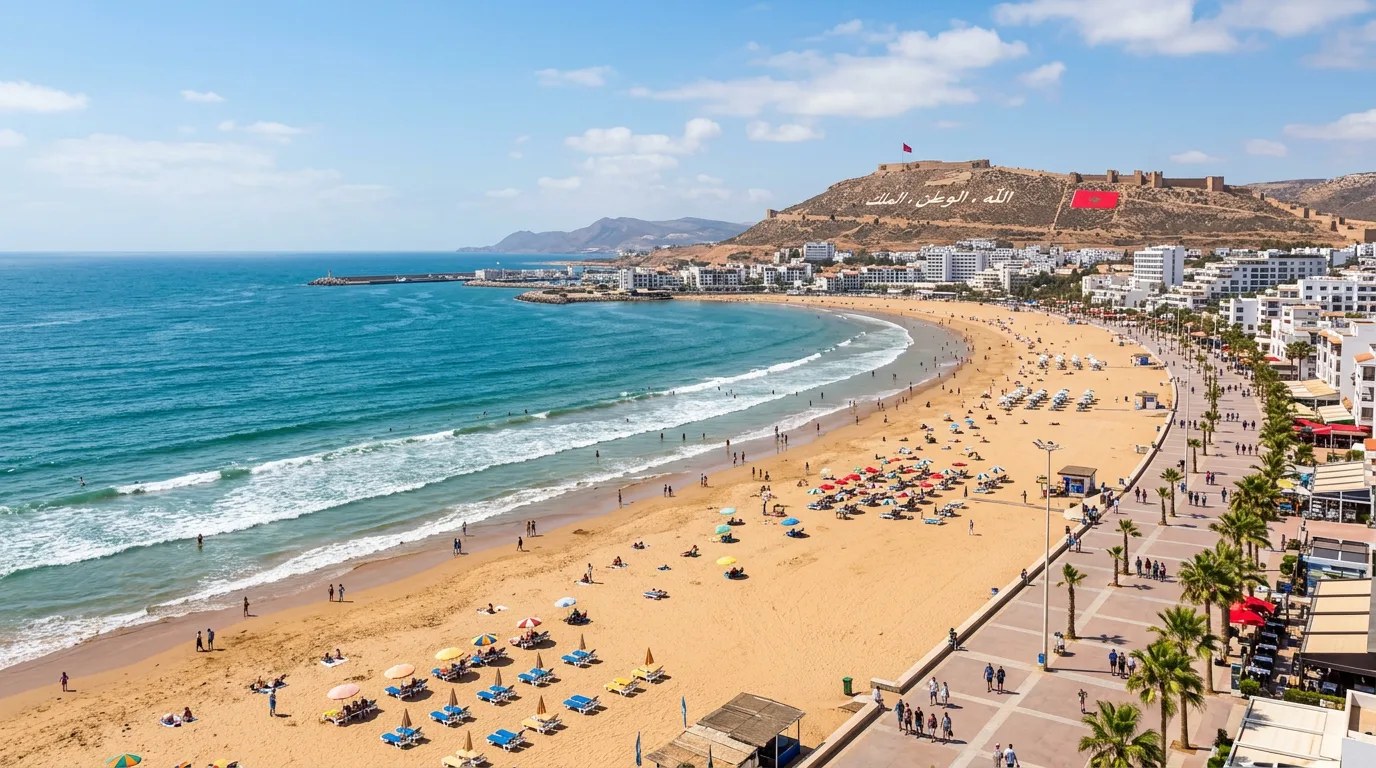
Agadir
Morocco's far-southern beach city — sun, surf and Taghazout, reached on the Marrakech and southern leg, not from Fes.
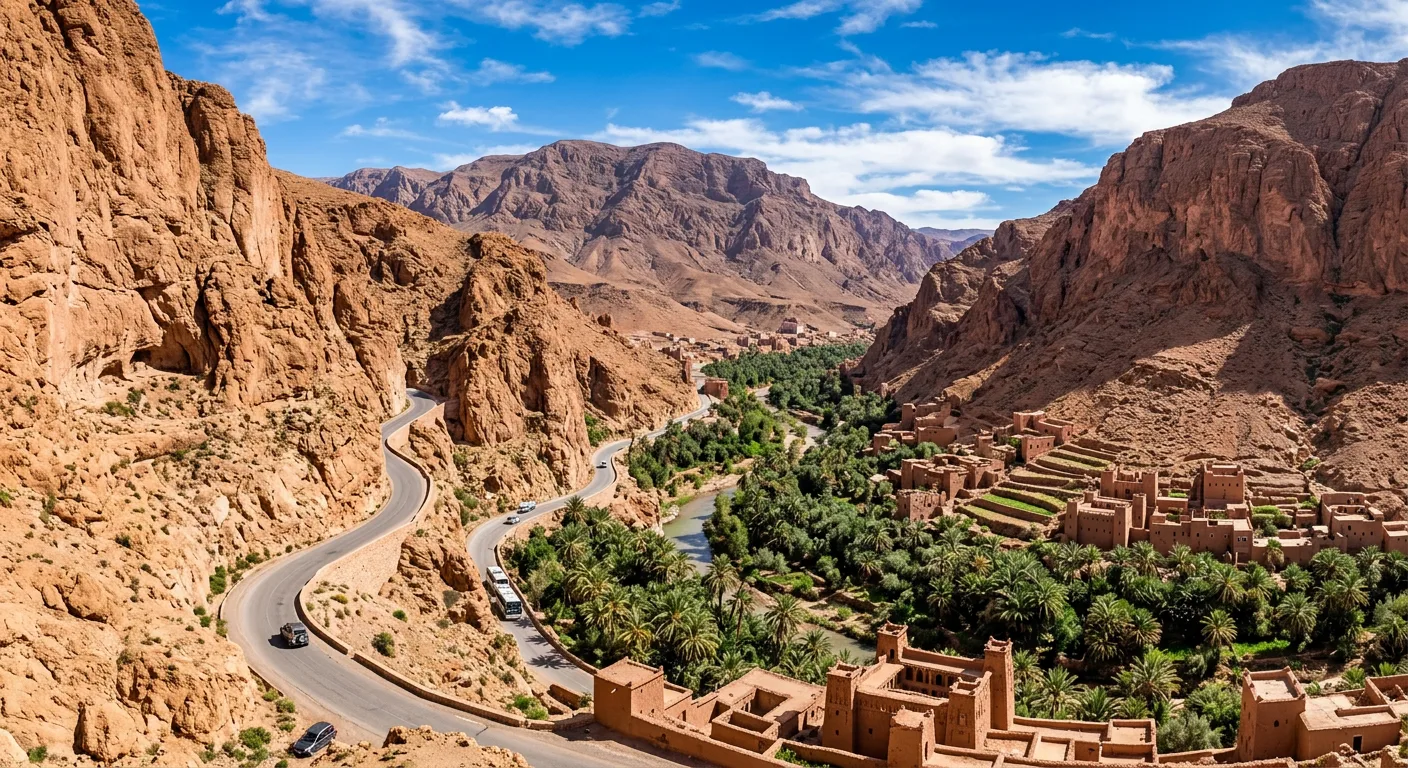
Dadès & Todra Gorges
Sheer red canyons and the great switchback road of the deep south — reached from Fes on the Sahara loop, or on the Marrakech leg of an imperial journey.
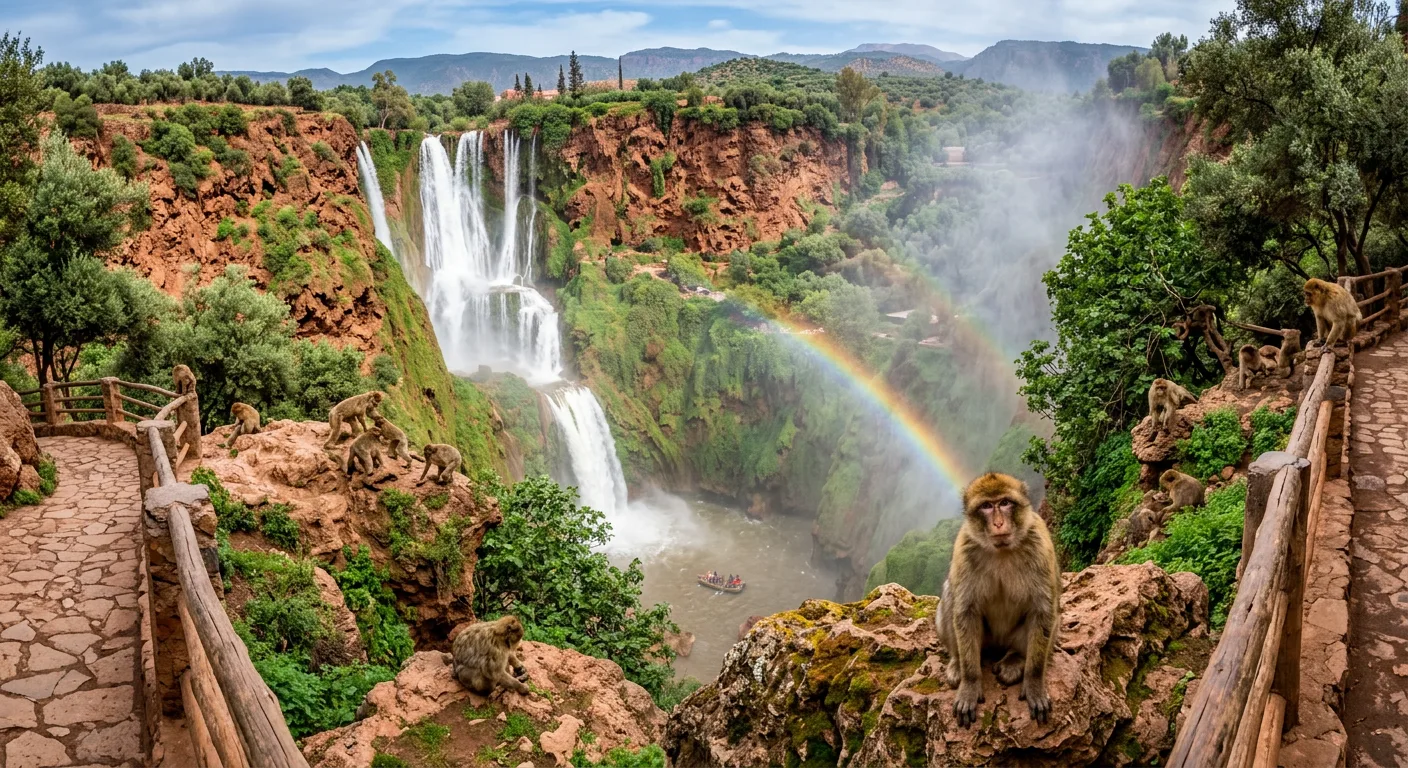
Ouzoud Falls
Morocco's highest waterfalls — 110 metres of cascades, rainbows and wild Barbary macaques, on the central-Atlas road that links Fes to Marrakech.
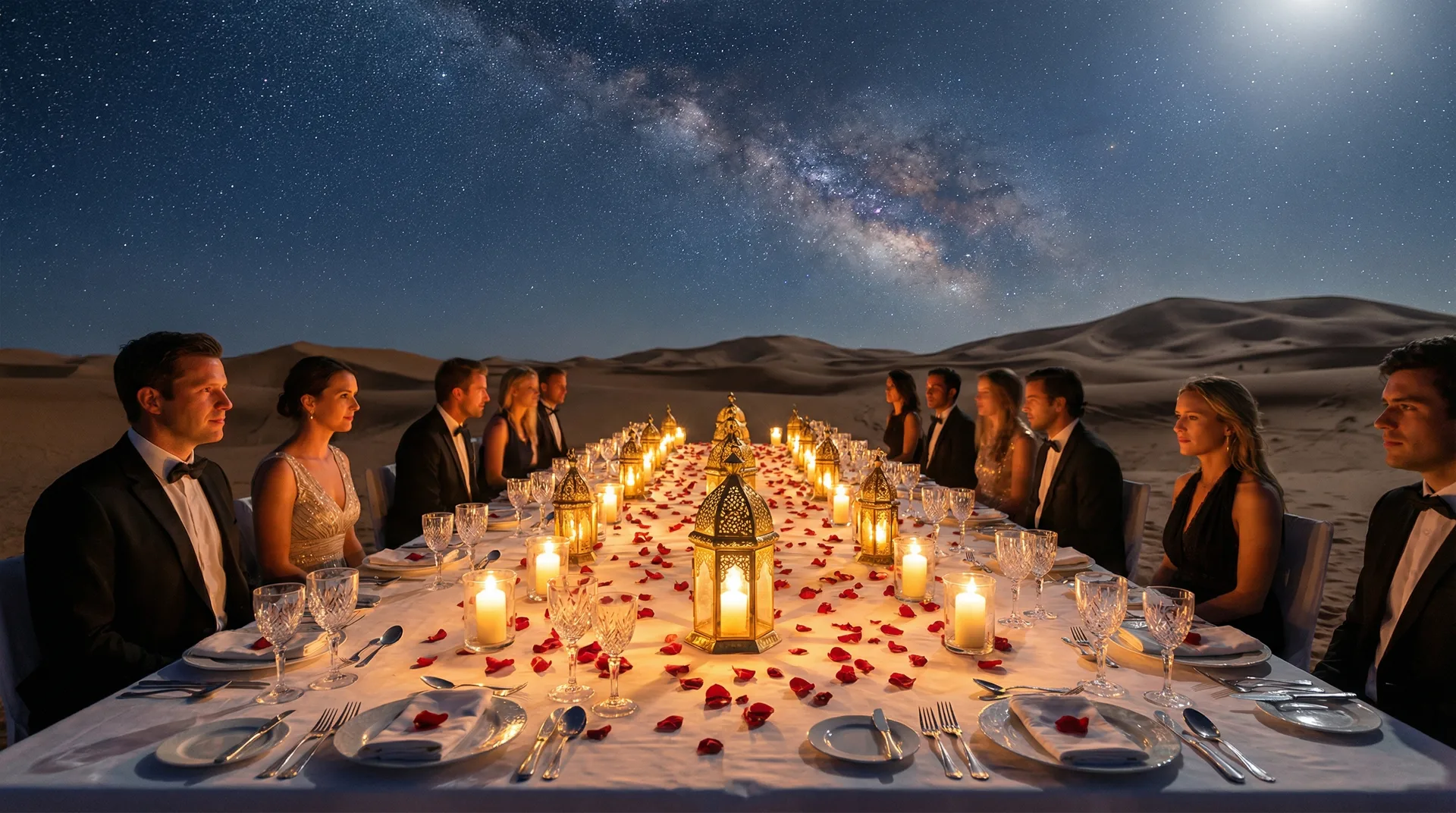
Agafay Desert
A lunar landscape of rolling hills 40 minutes from Marrakech — a stone-desert shortcut for guests who can't spare the days for the real Sahara north of Fes.
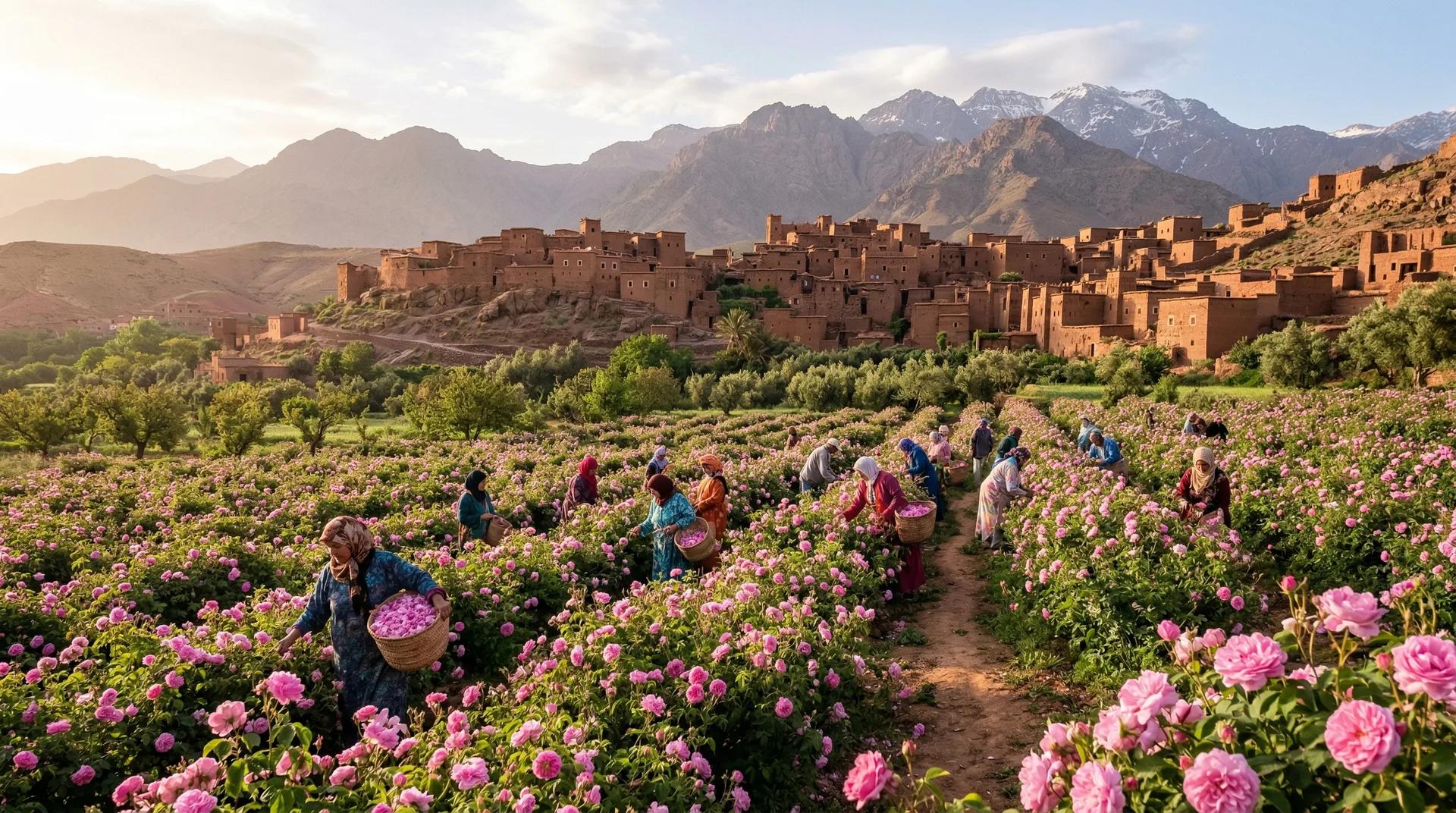
Ourika Valley
Berber villages, river-bank lunches and seven waterfalls — the greenest, easiest High Atlas escape, taken on the Marrakech leg of a Fes-anchored journey.
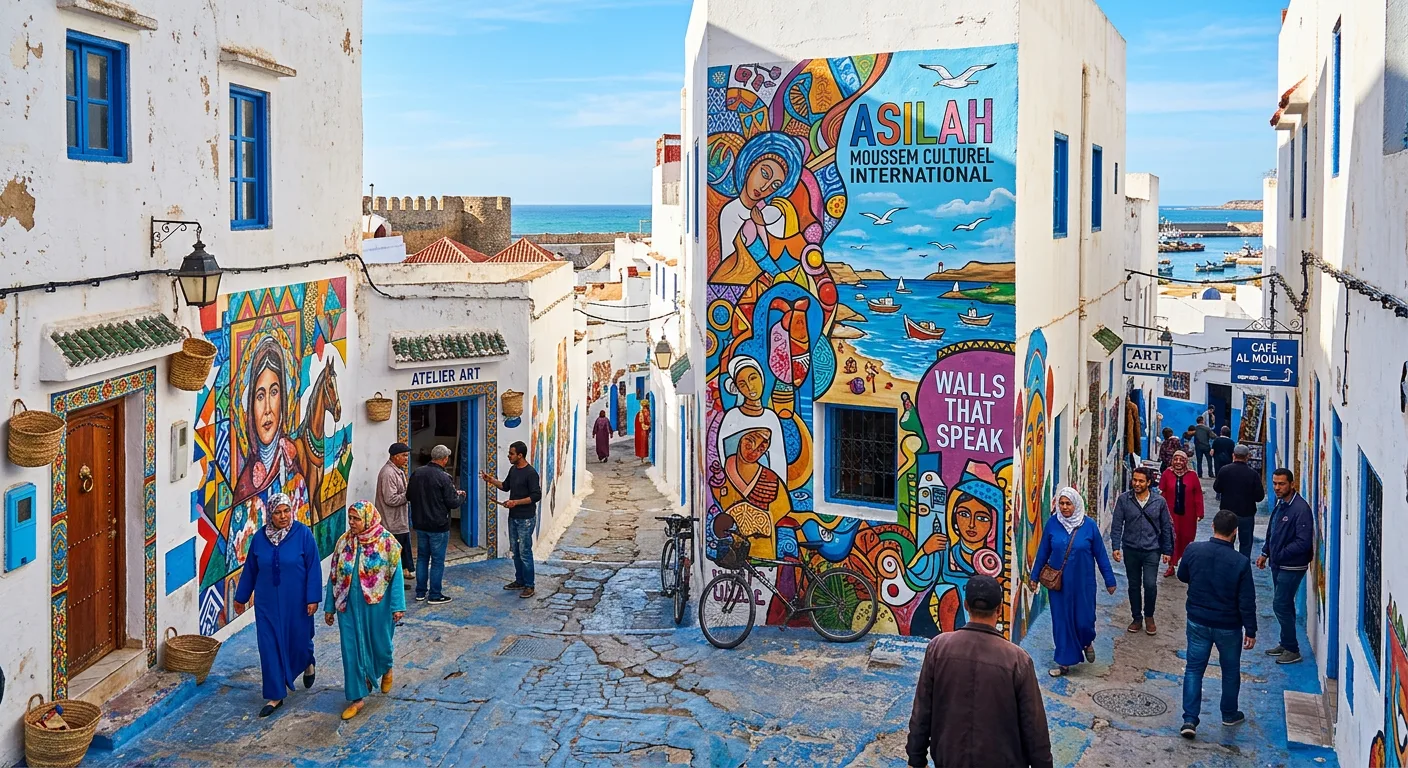
Asilah
A whitewashed Atlantic art town — Portuguese ramparts, painted murals and a calm, walkable medina near Tangier.

Zagora
Threshold of Erg Chigaga — the Draa Valley oasis that caps a long Fes-to-deep-south desert journey.
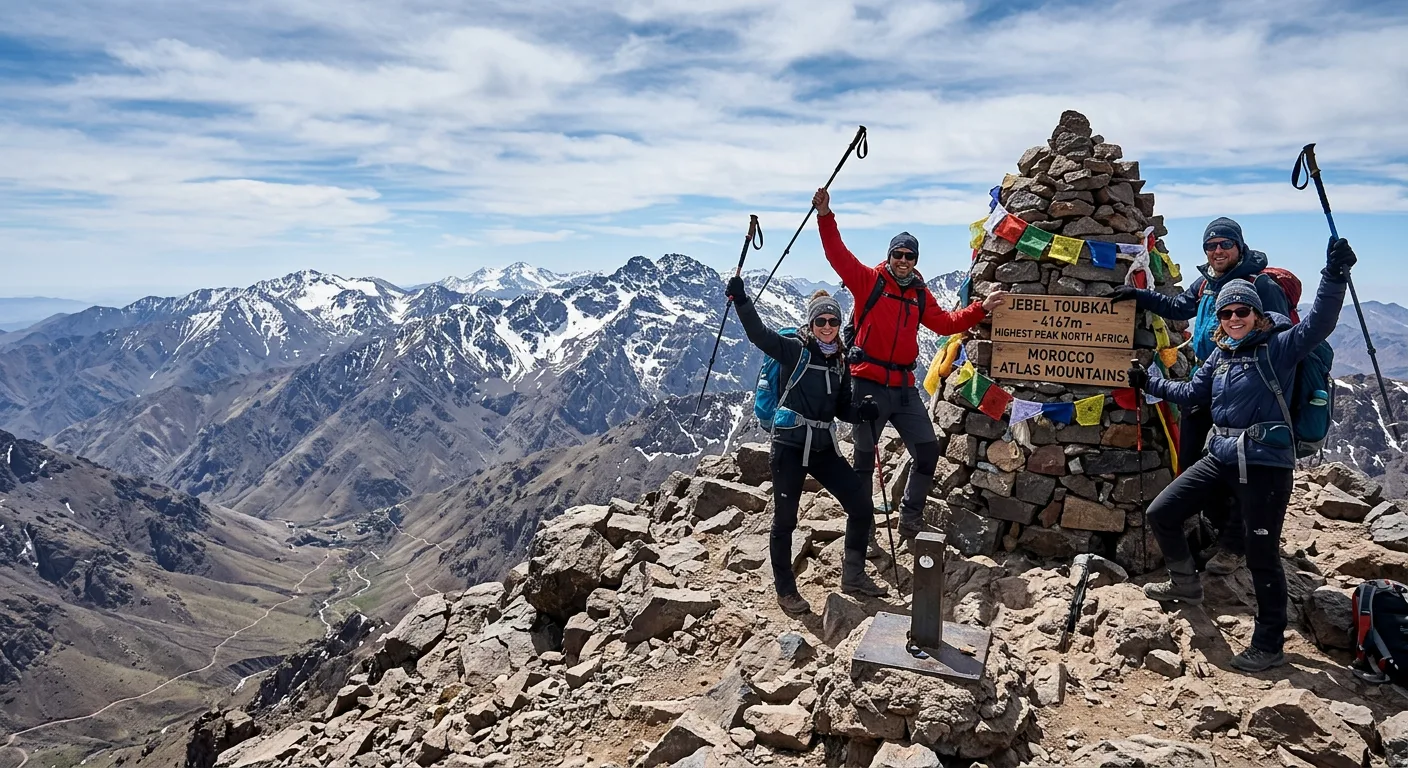
Imlil
The High Atlas trekking base for Jbel Toubkal — firmly on the Marrakech side, reached on the southern leg of an imperial journey.
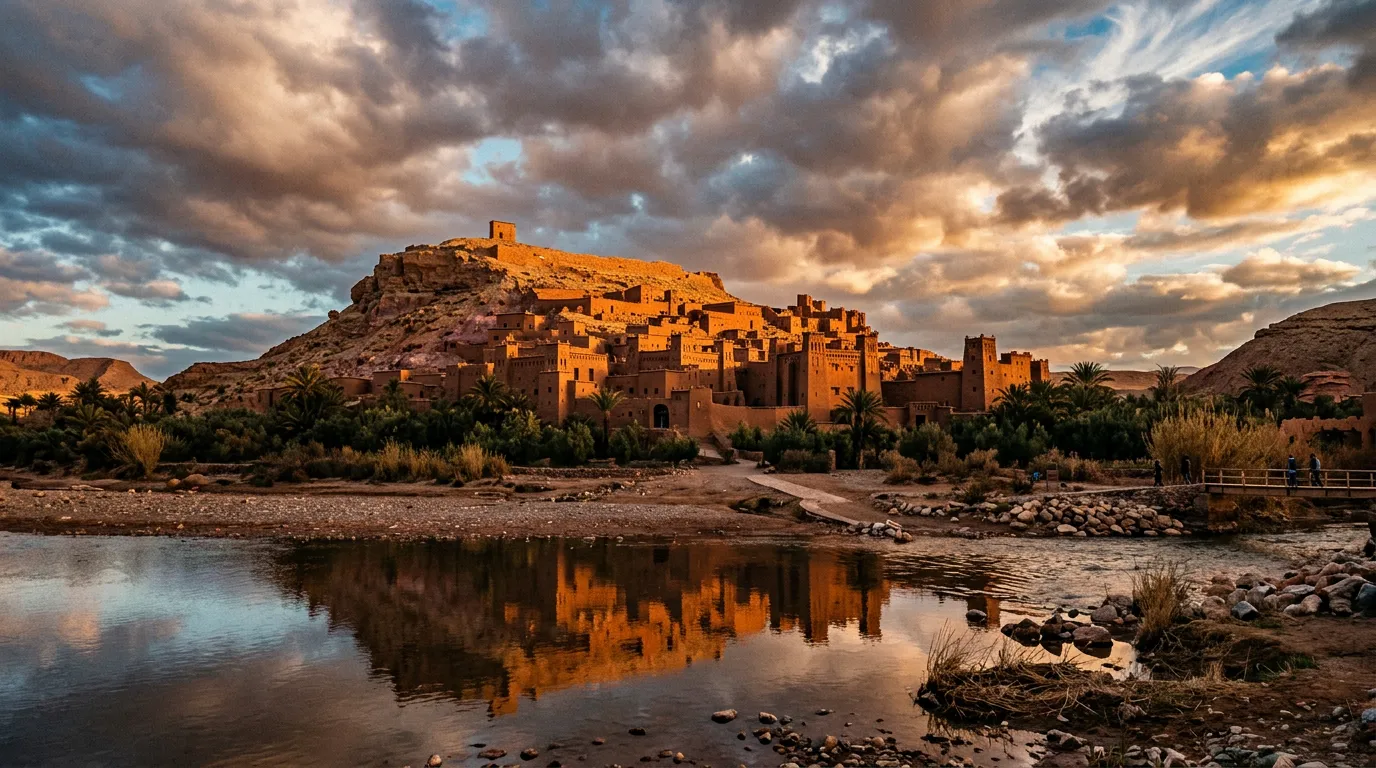
Taroudant
The walled Saadian 'little Marrakech' of the Souss plain — far south-west, reached on the Agadir and southern leg.
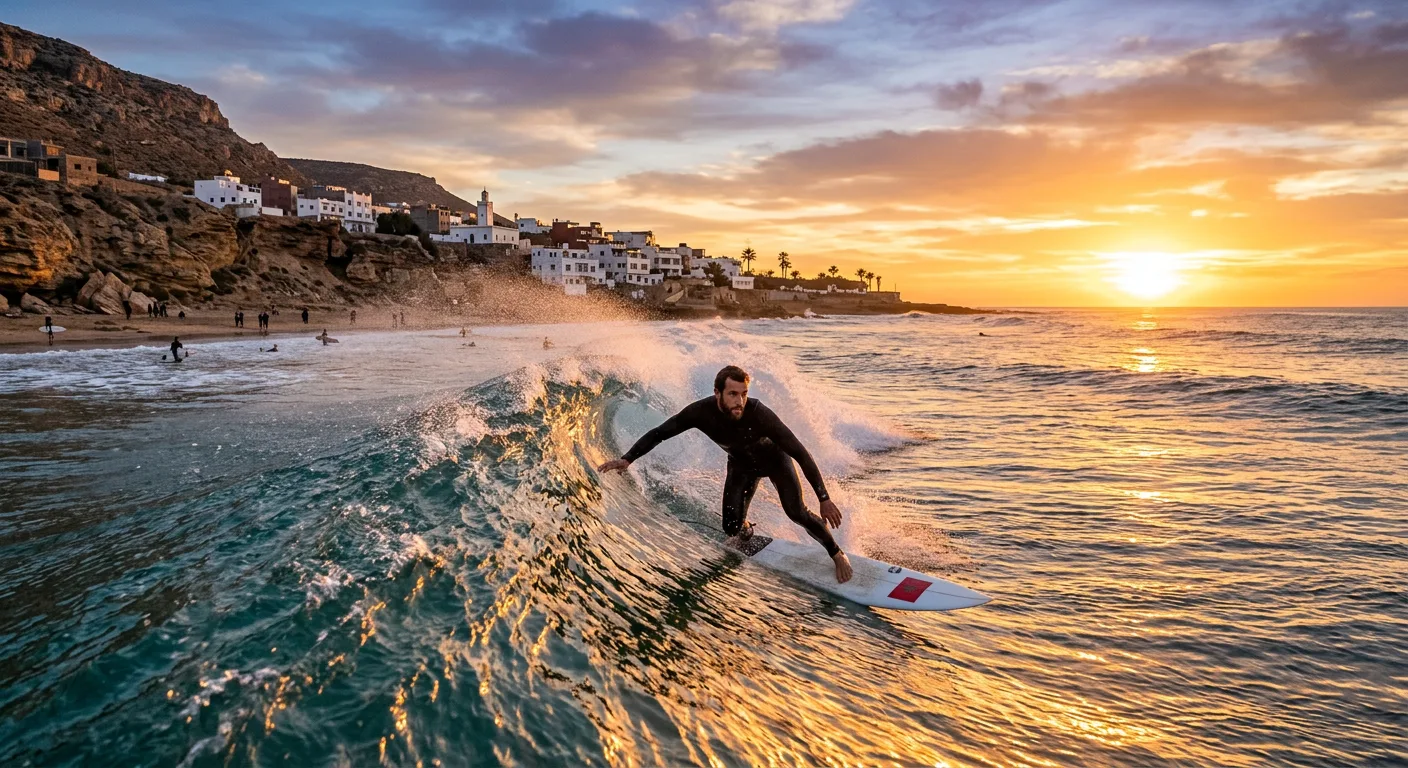
Taghazout
The bohemian surf village of the far south — Taghazout sits at the opposite corner of the country from Fes, reached on the Marrakech-and-Atlantic leg.
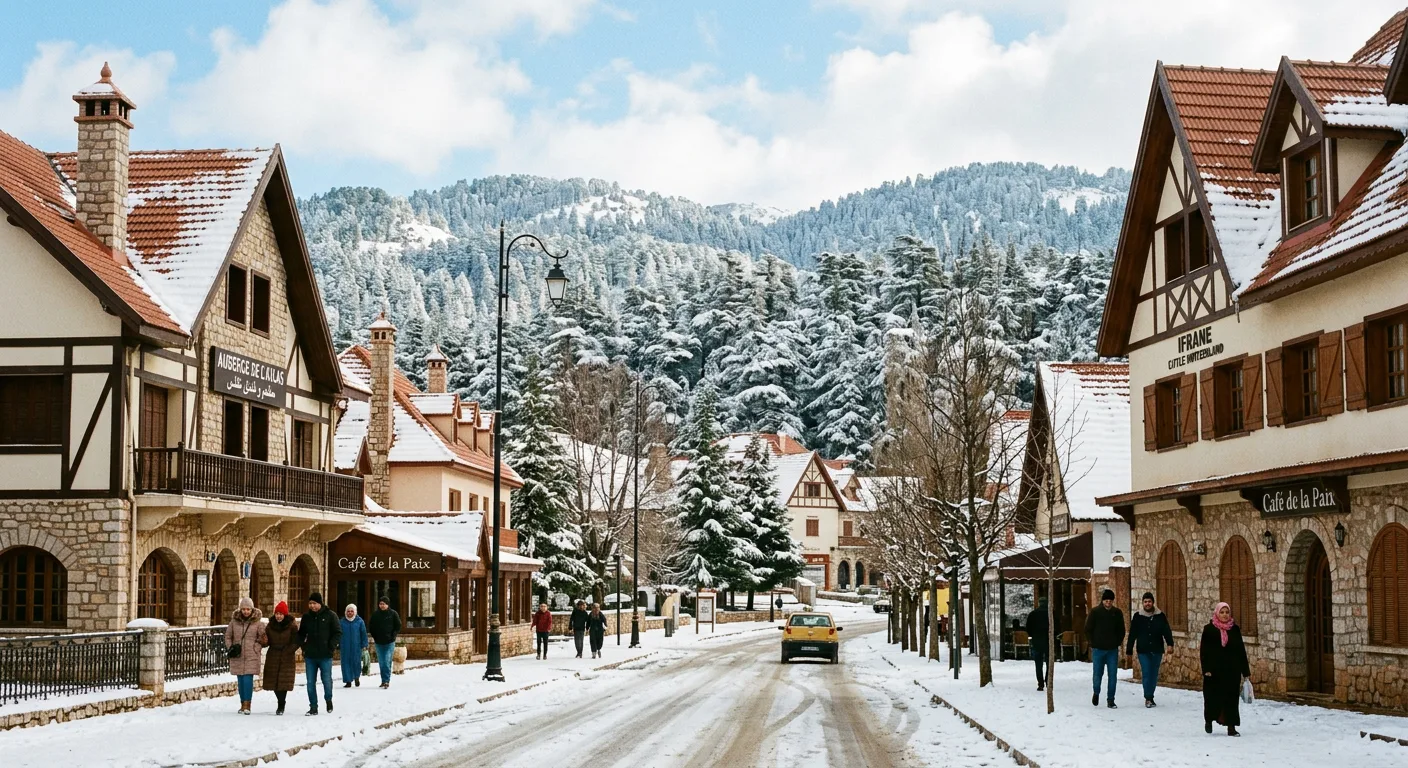
Ifrane
Fes's alpine neighbour — a cedar-forested 'Little Switzerland' an hour south, the first stop on the scenic road toward the desert.
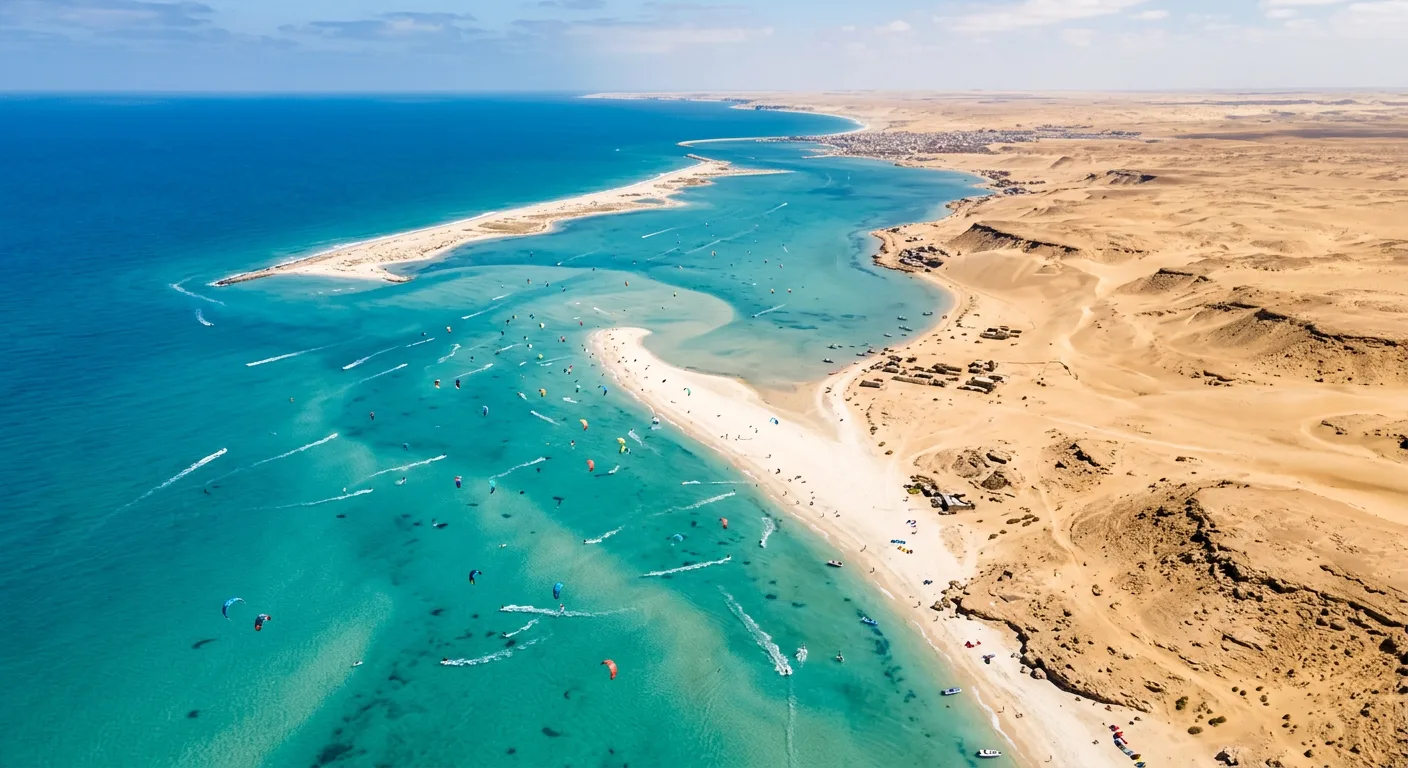
Dakhla
Africa's kitesurf capital, at the far opposite end of the country from Fes — a turquoise Saharan lagoon reached by a domestic flight, not by road.
Skoura
A palm-oasis kasbah town on the southern desert road — Skoura belongs to the Marrakech-and-Sahara leg, well south of the Fes heartland.
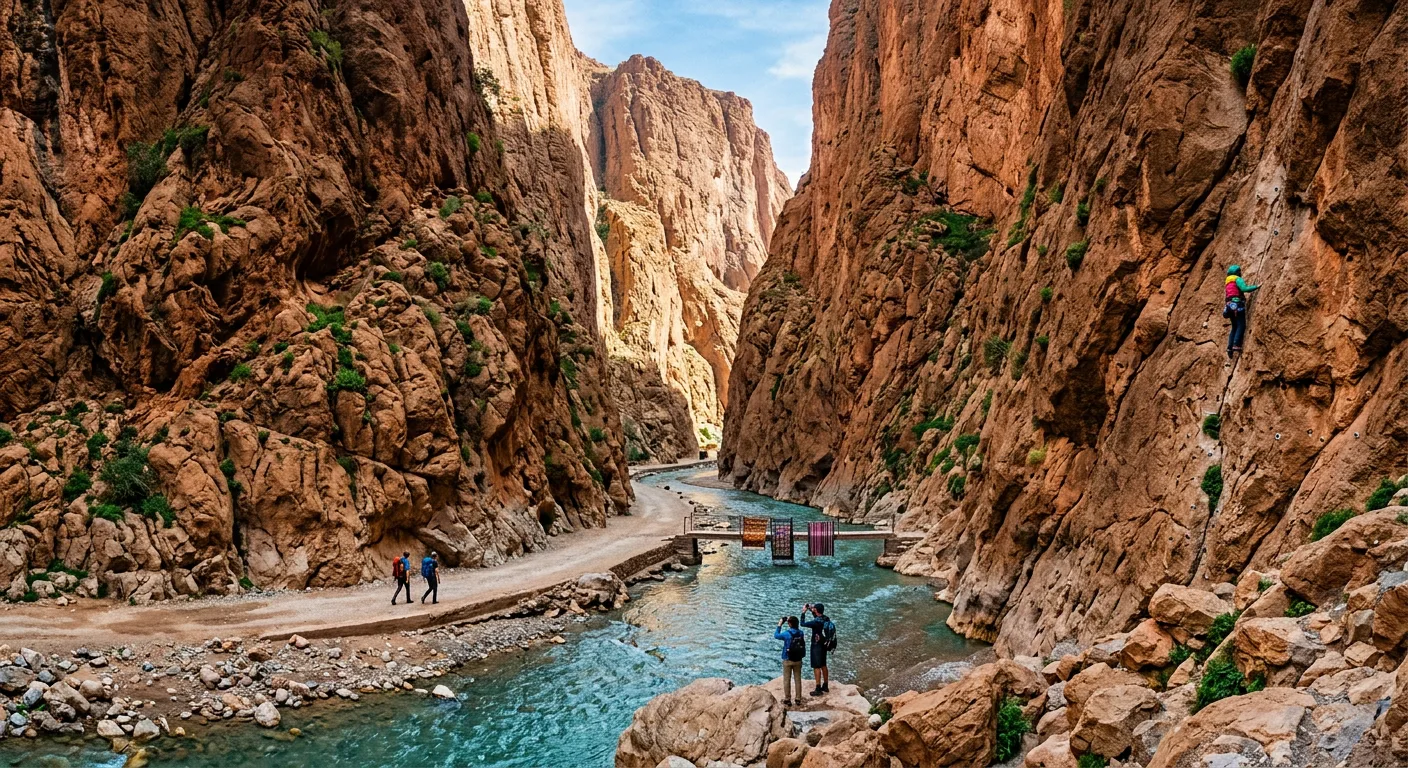
Tinghir
Gateway to the Todra Gorge on the southern desert loop — a lush oasis town a long way south of Fes, met on the Marrakech-and-Sahara leg.
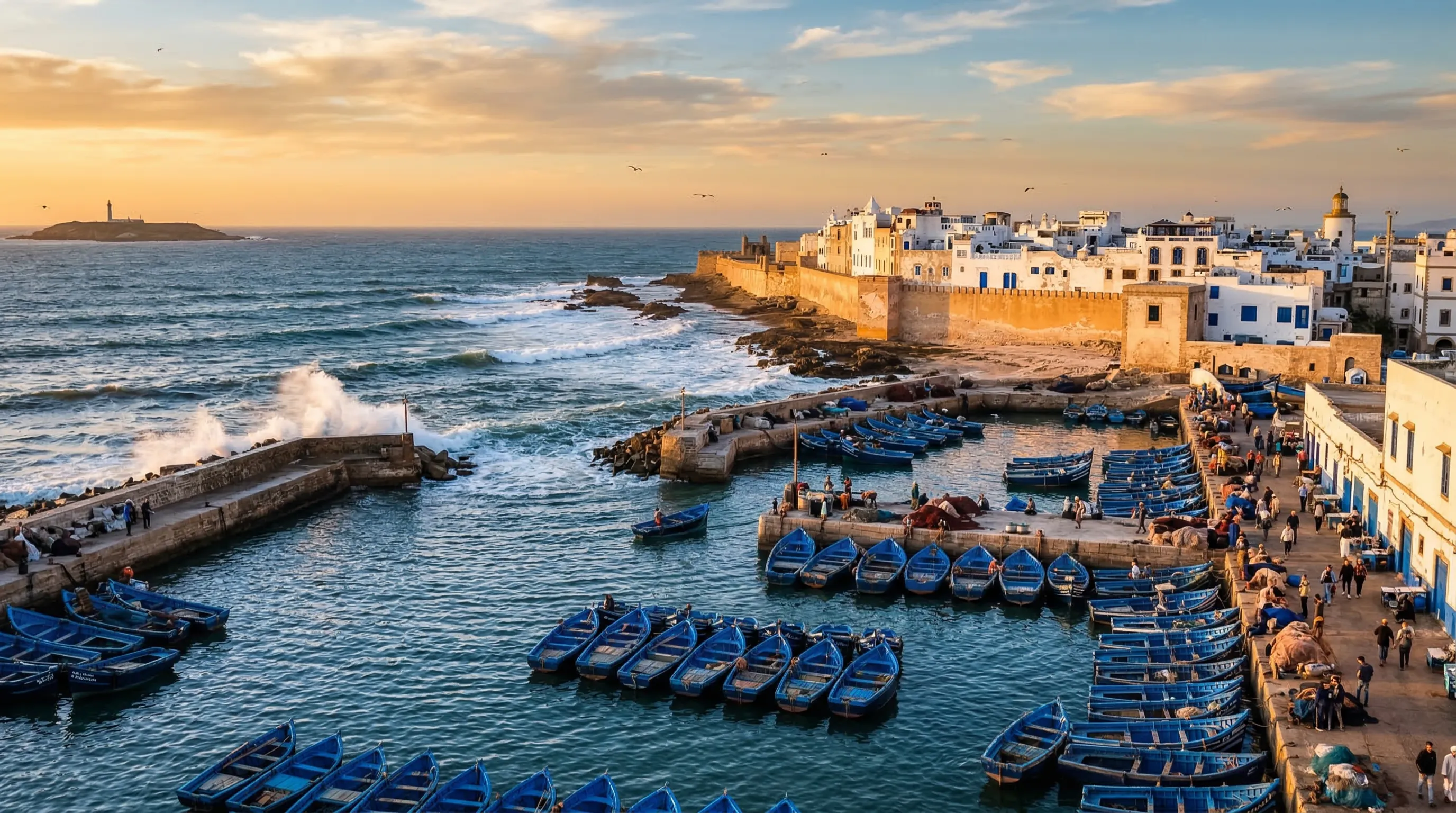
Oualidia
Morocco's oyster lagoon on the Atlantic littoral — a coastal detour on the Casablanca–Essaouira run, off to the west of the Fes heartland.
Volubilis & Moulay Idriss
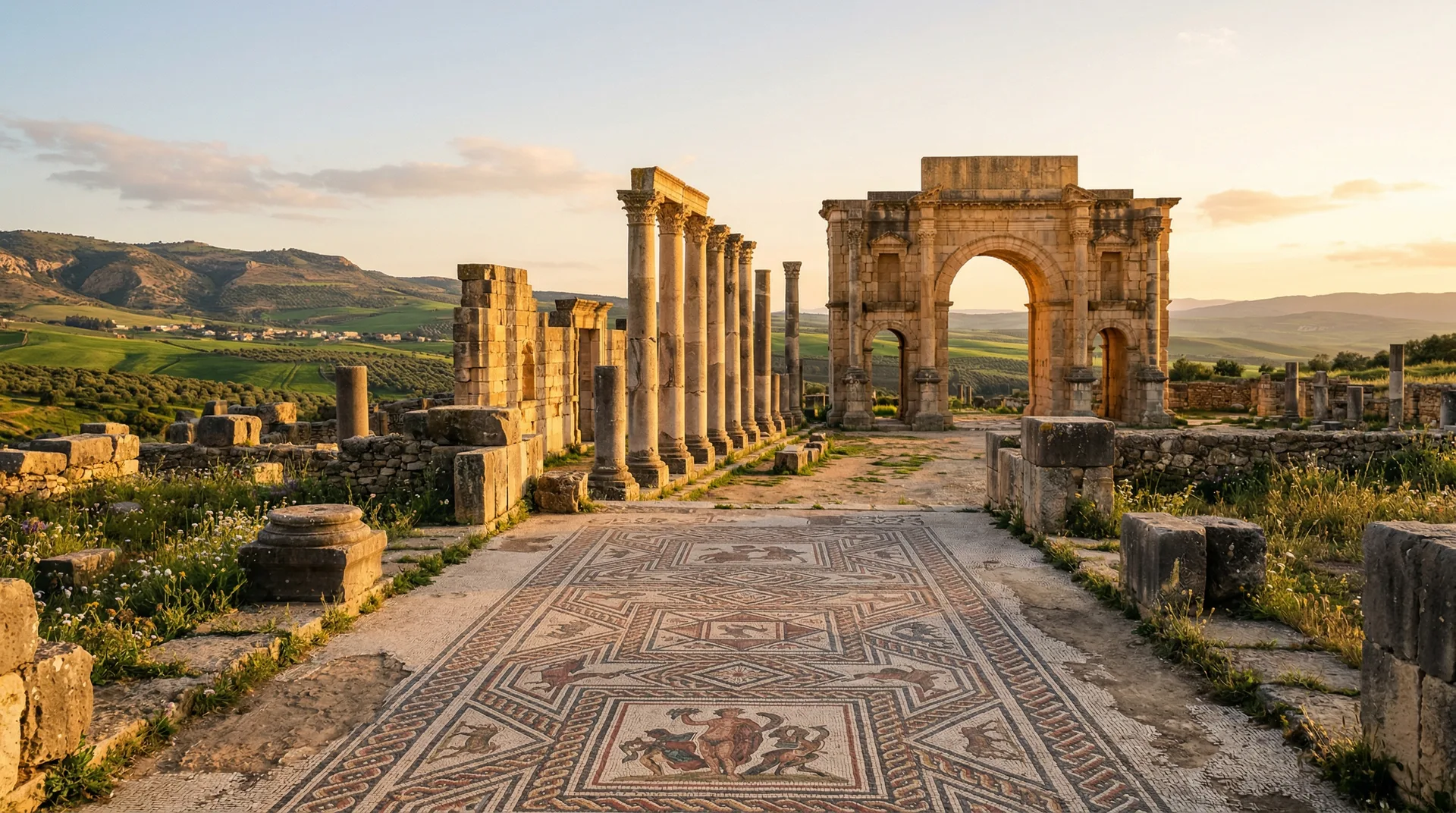
The most historically layered day reachable from Fes — Roman mosaics beneath a hilltop holy town, an easy private day trip out of the medina.
Midelt
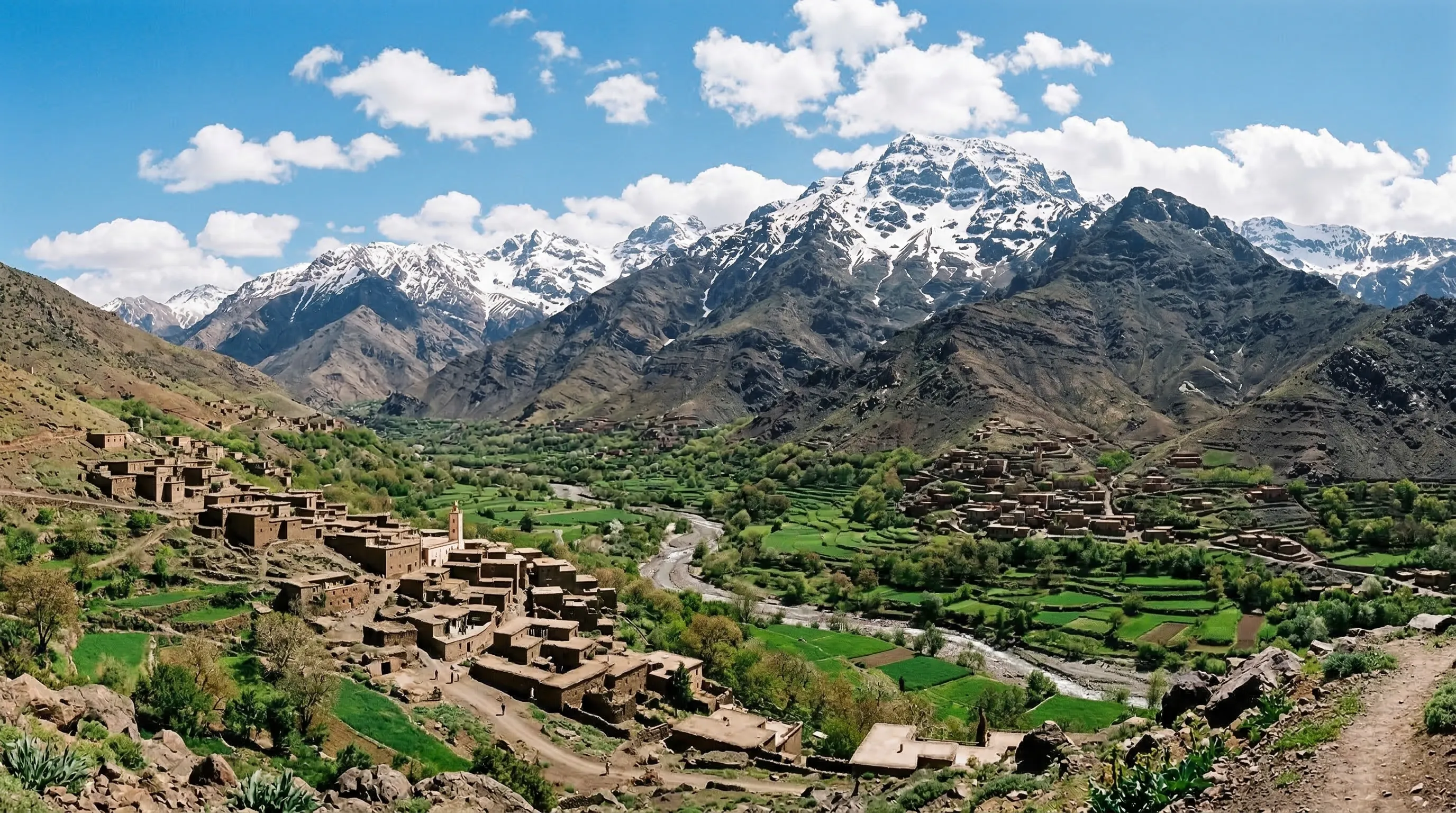
The natural midpoint of the Fes–Sahara drive — an apple-town crossroads between the two Atlas ranges, gateway to the Cirque Jaffar.
Sidi Ifni
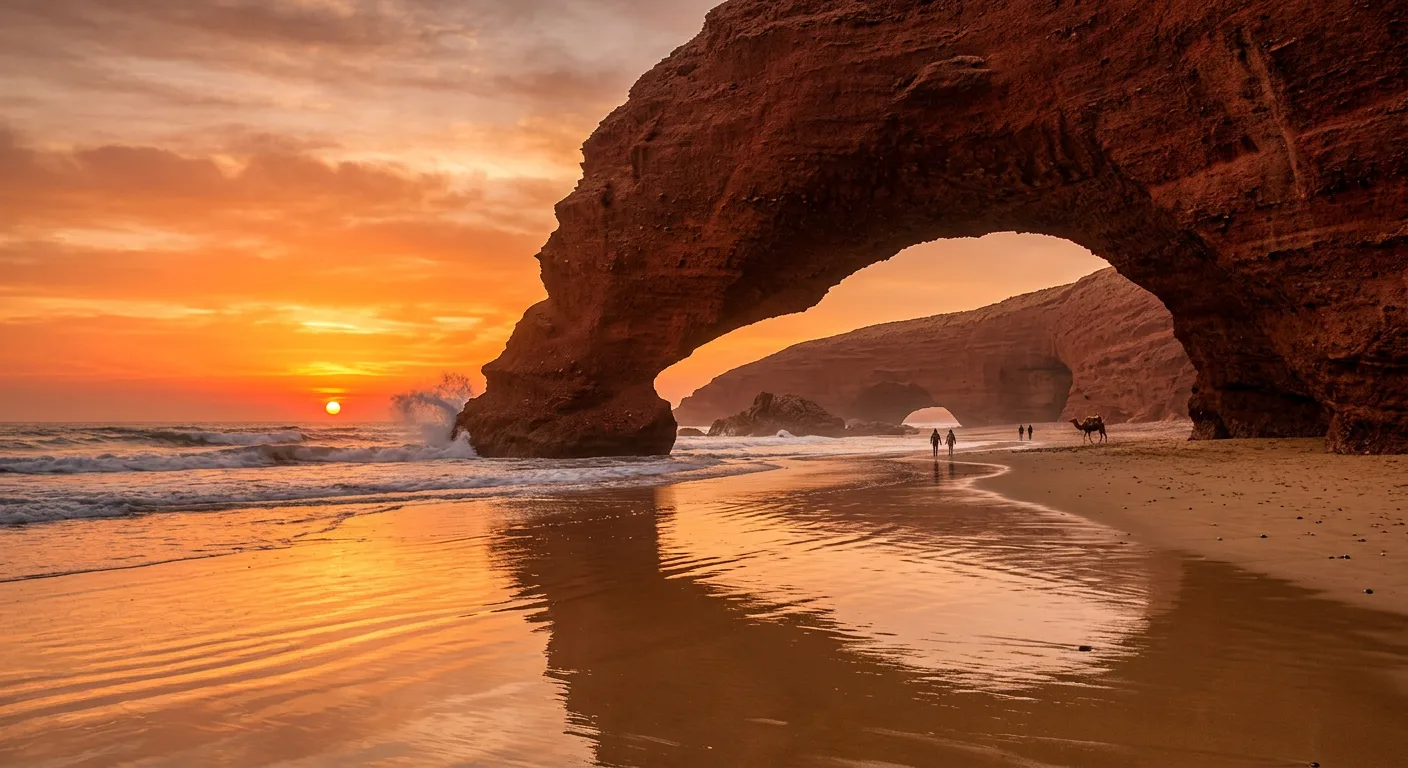
An Art Deco Spanish enclave at the country's far-southern edge — reached on the Agadir-and-Atlantic leg, a long way from imperial Fes.
El Jadida
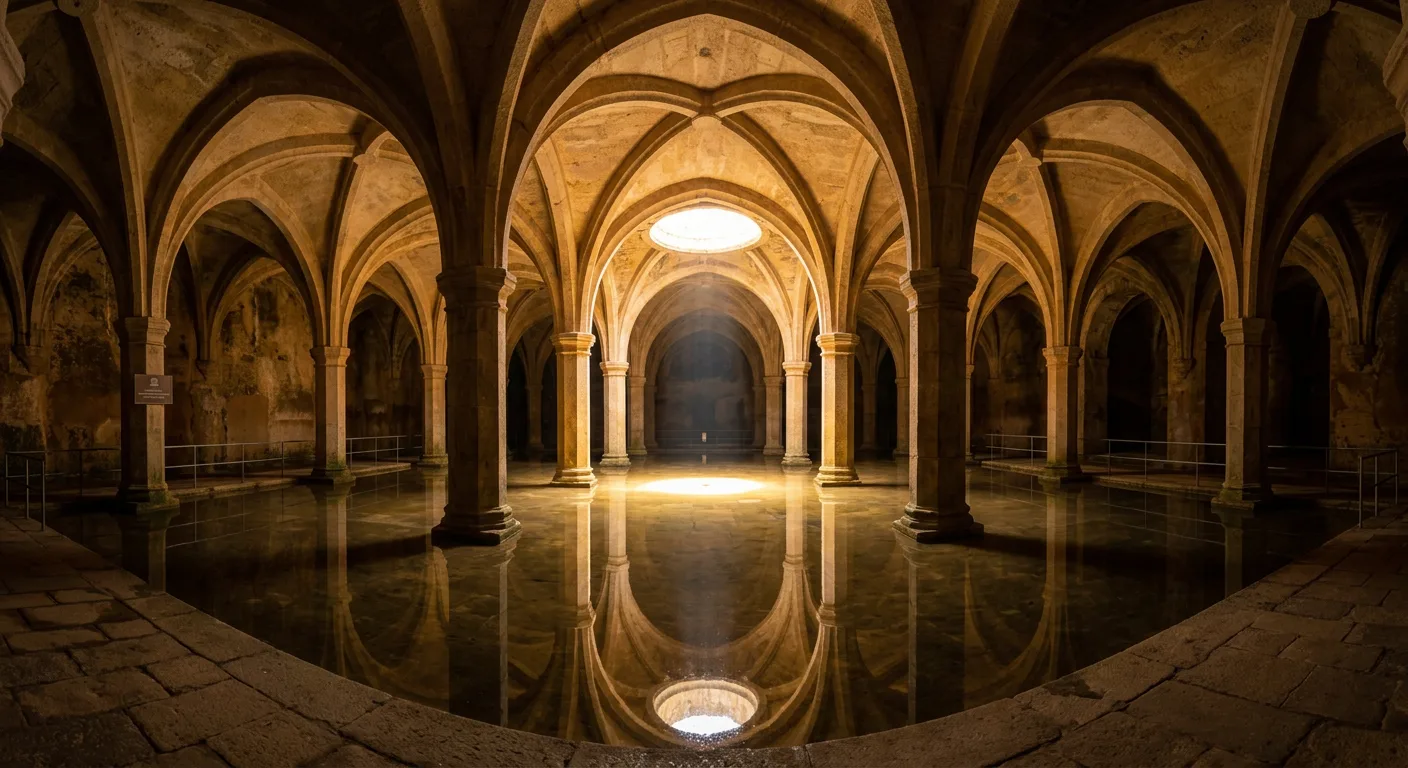
El Jadida is Morocco's UNESCO Portuguese city — a 16th-century Atlantic fortress with a miraculous cistern, 90 minutes from Casablanca.
Azrou
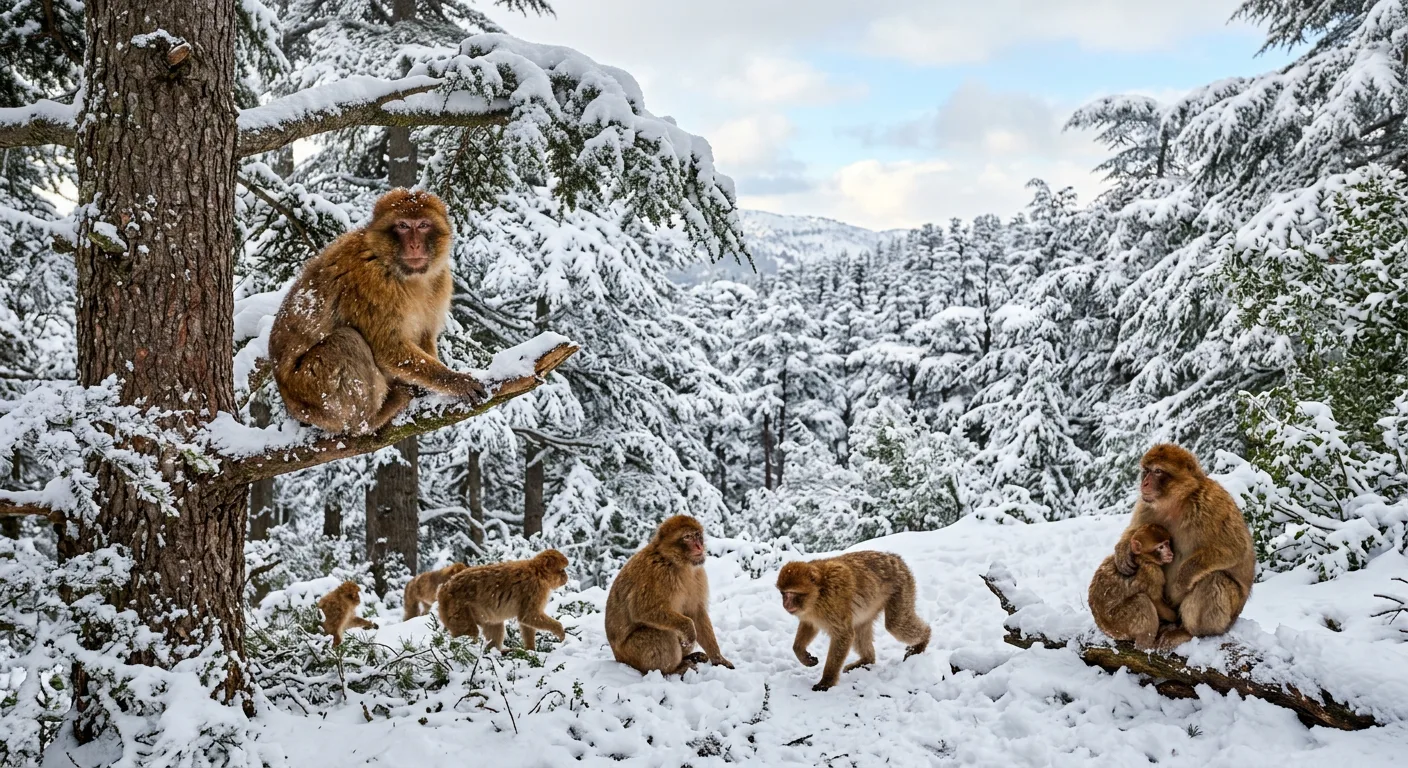
Fes's cedar-forest day trip — the easiest place in Morocco to see wild Barbary macaques, barely an hour south of the medina.
Moulay Bousselham
Moulay Bousselham is Morocco's premier birdwatching lagoon — the Merja Zerga wetland draws tens of thousands of wintering waterbirds to a sleepy fishing village between Rabat and Tangier.
Tétouan
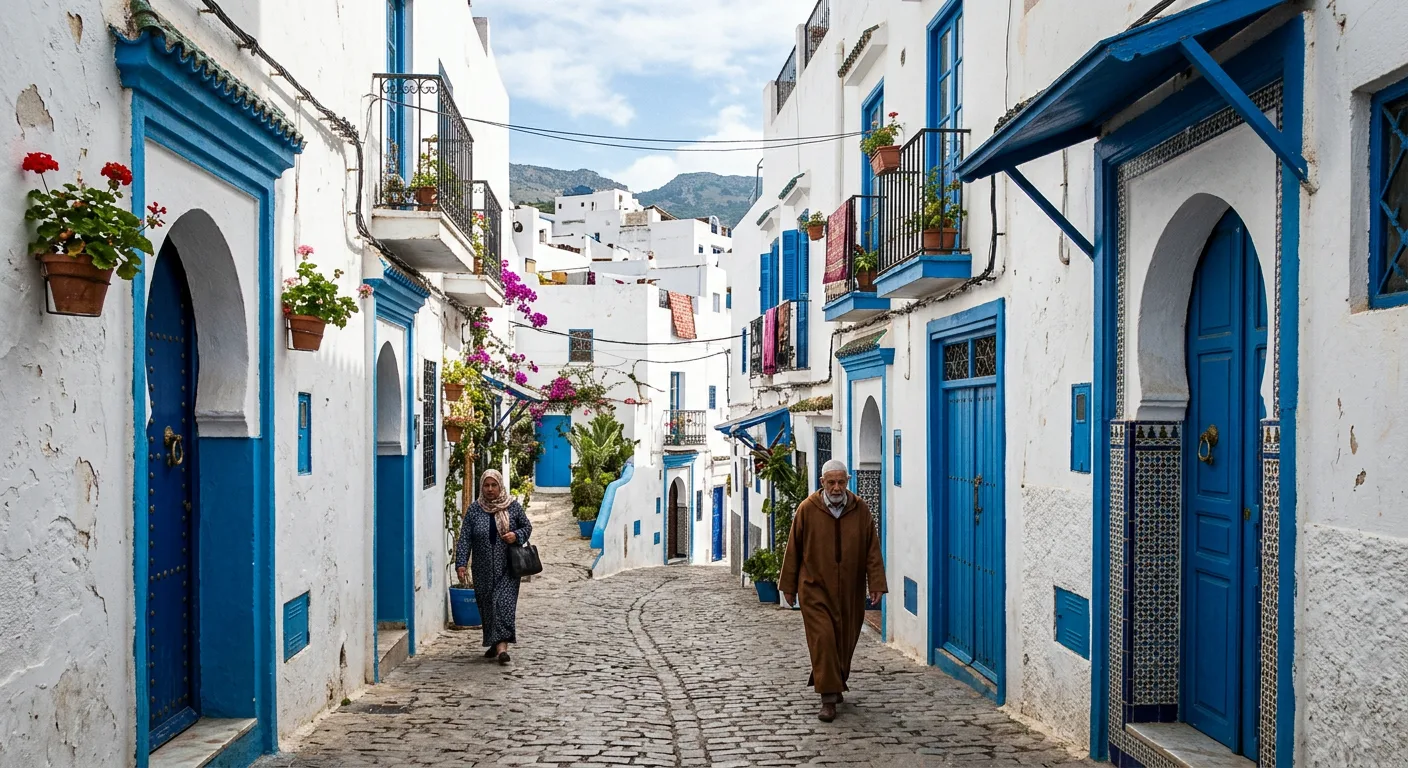
The Andalusian city of the north — a UNESCO medina best added to the Rif-and-Tangier loop that runs up from Fes via Chefchaouen.
Tafraout
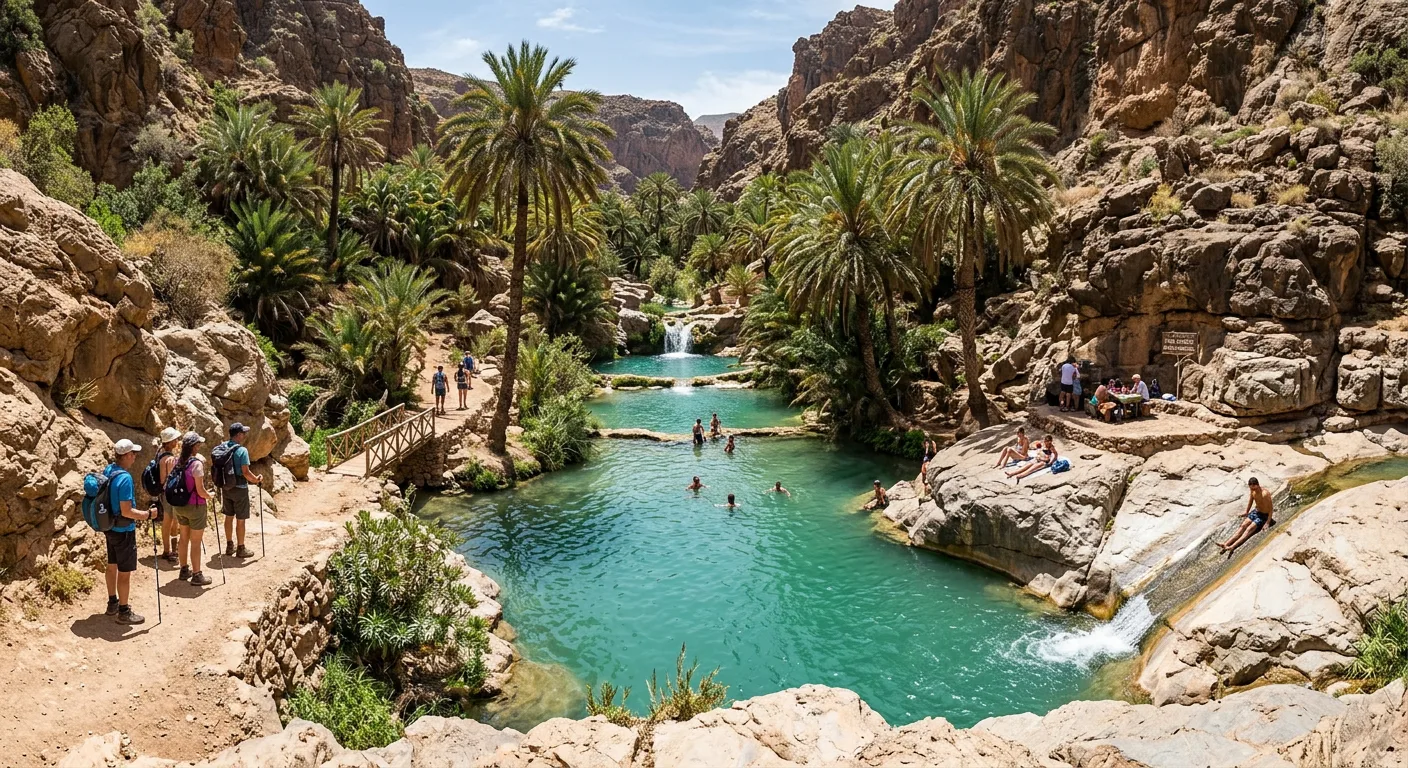
A pink-granite Anti-Atlas village deep in the south — palm oasis, painted boulders and almond blossom, reached on the Agadir-side leg.
Mirleft
An undeveloped surf-and-cliff village on the deep-south coast — a string of wild Atlantic coves on the Agadir leg, far from imperial Fes.
Larache
A quiet Spanish-colonial port on the northern Atlantic — an easy add to the Tangier end of the loop that runs up from Fes, beside Roman Lixus.
Béni Mellal
A central-Atlas break on the long Marrakech–Fes overland line — springs, the Bin el-Ouidane reservoir and the Ouzoud falls all within reach.
Rissani
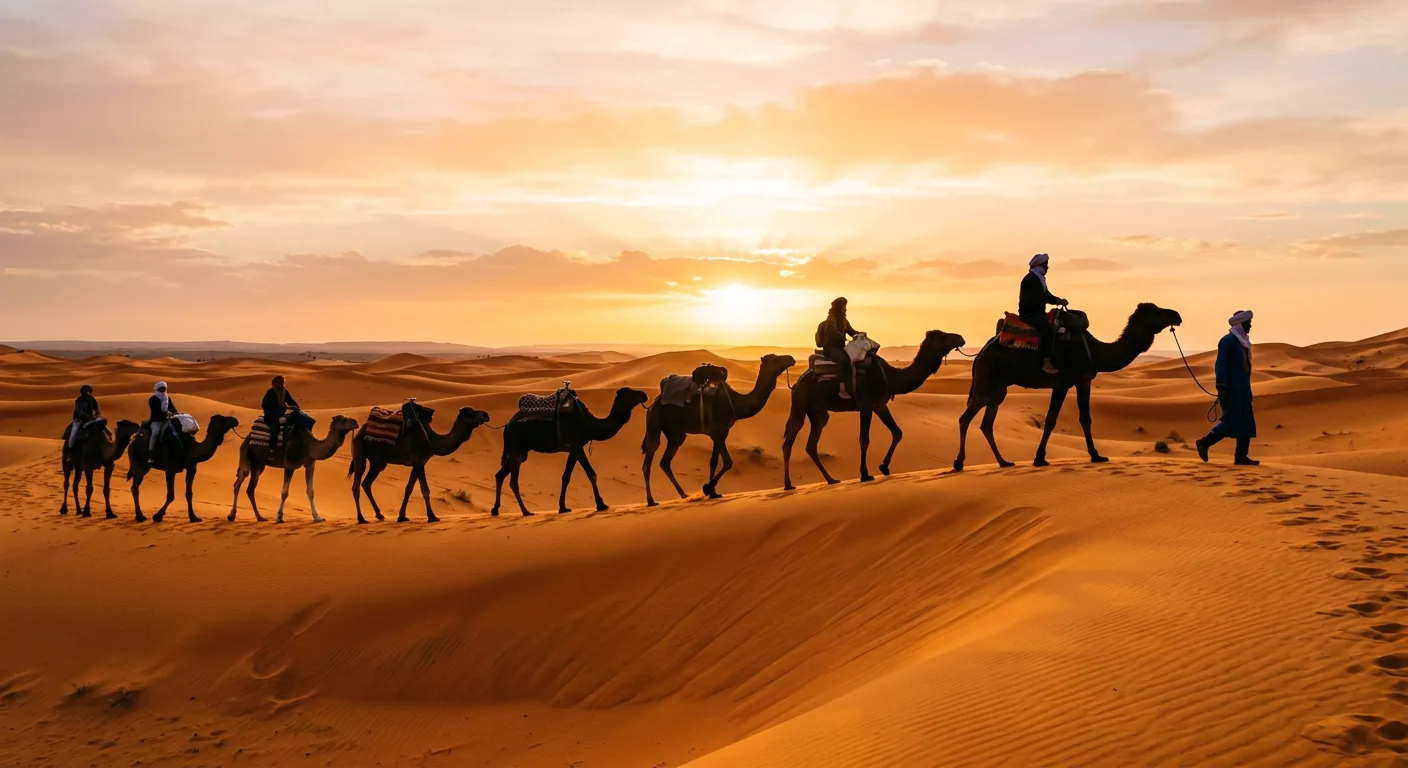
The last town before Merzouga at the bottom of the Fes–Sahara road — Tafilalt capital, cradle of the Alaouite dynasty, ringed by ruined ksour.
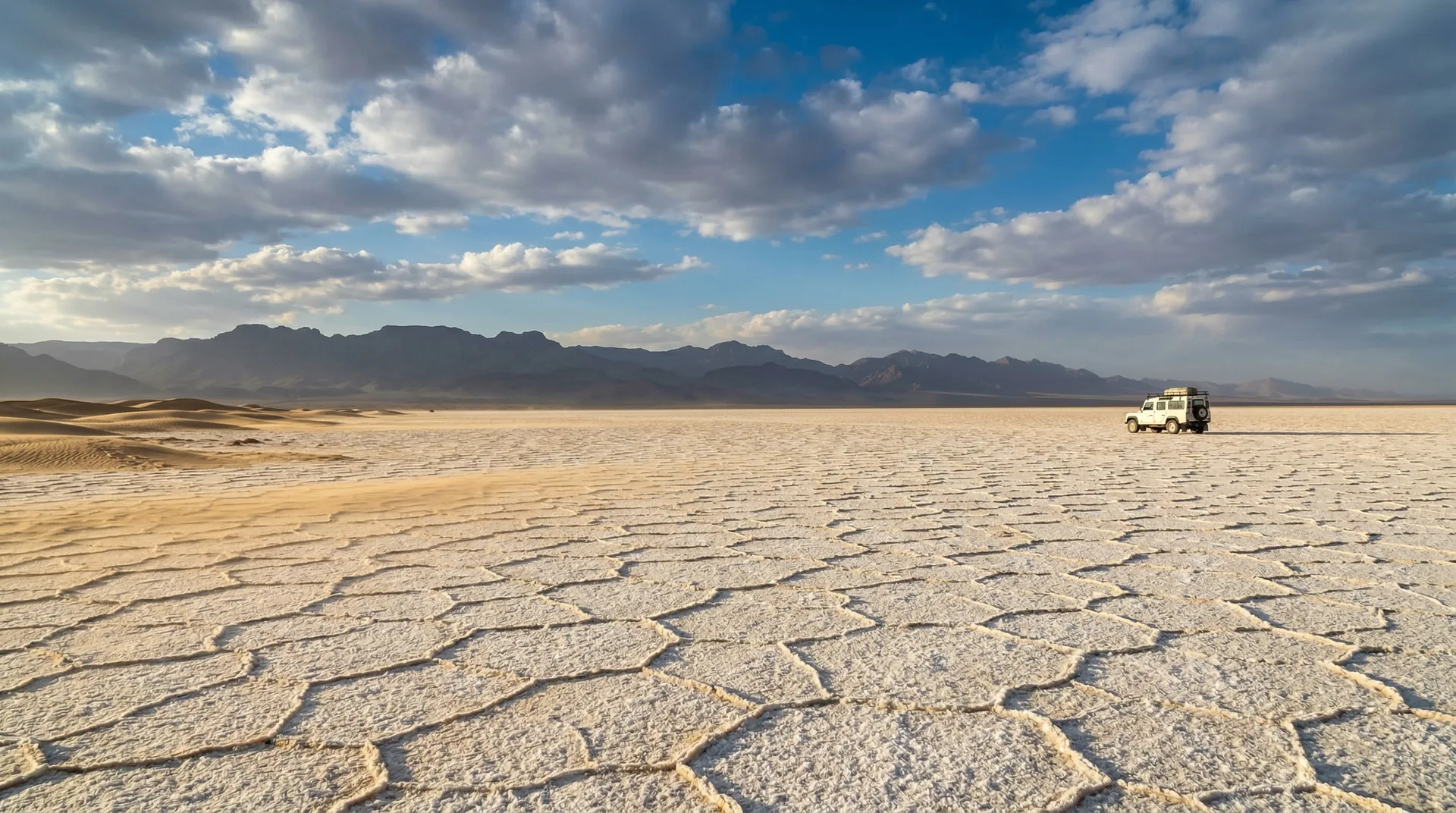
M'Hamid el Ghizlane
Road's end at the deep south — the last town before Erg Chigaga, reached on the Marrakech-and-Draa leg, not from the Fes desert route.
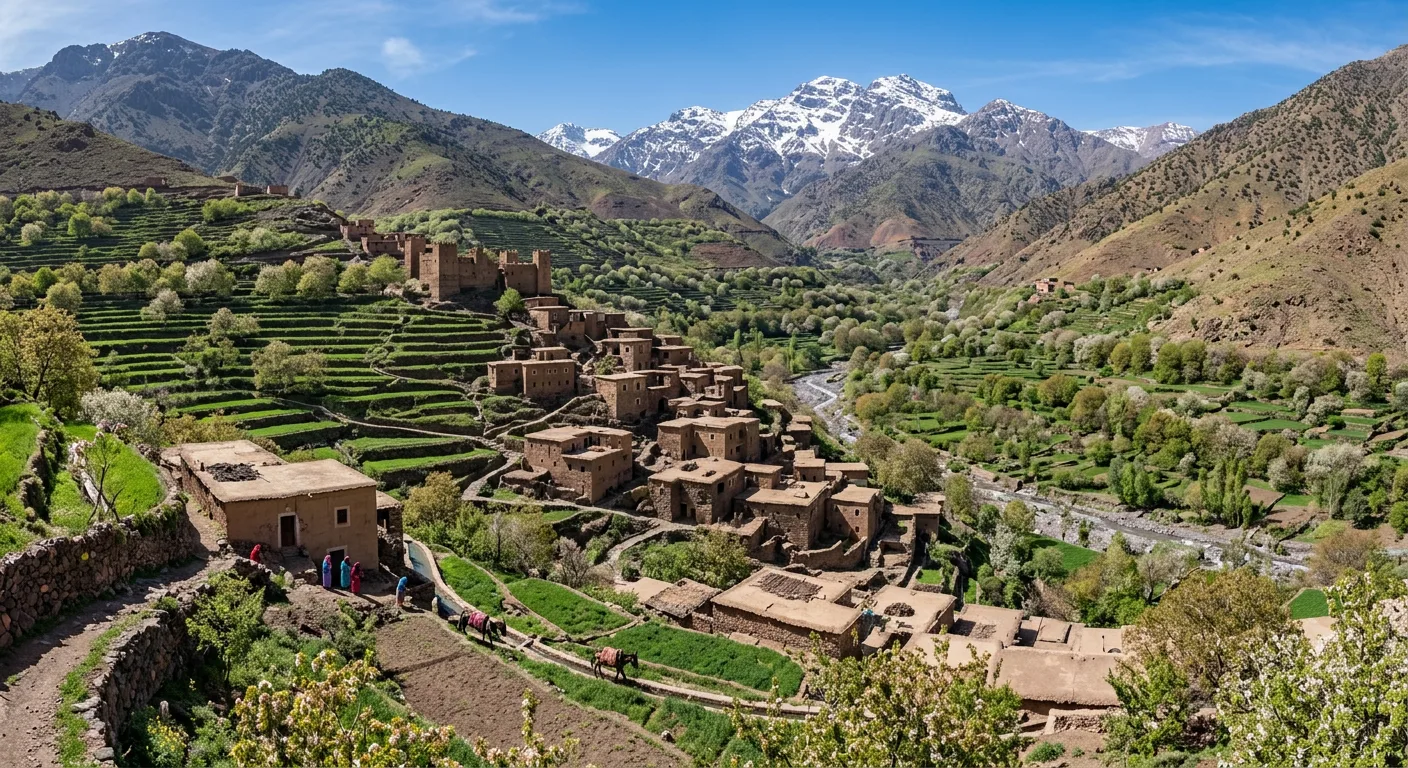
Aït Bougmez Valley
The remote High Atlas 'Happy Valley' of the M'Goun massif — terraced Berber villages reached on the Marrakech-side mountains, far south of Fes.
Akchour
The Rif's finest day hike, paired with the blue-city extension from Fes — emerald waterfalls and the God's Bridge arch, 30 km past Chefchaouen.
Saïdia
Morocco's Mediterranean blue-flag resort in the far north-east — 14 km of sand by the Algerian border, a long run east of the Fes heartland.
Frequently asked
Frequently asked questions about Morocco destinations.
Which Moroccan destinations are easiest to reach from Fes?
Fes is one of Morocco's four imperial cities and a central hub in the north. The closest destinations are the other imperial sites: Meknes, the Roman ruins of Volubilis and the hilltown of Moulay Idriss are all short drives away, and the Middle Atlas towns of Ifrane and Azrou lie just to the south. Fes connects by train and road to Marrakech, Casablanca, Rabat and Tangier, and it is the usual northern launch point for the long overland route toward the Sahara.
Can I combine Fes with the Sahara desert?
Yes — Fes is the most common northern starting point for the drive to the dunes. The route crosses the Middle Atlas via Ifrane and Midelt, through the Ziz valley toward Erfoud and Merzouga at Erg Chebbi, the dunes most often reached from Fes. Because the desert lies far to the south-east, plan at least two to three days for the round trip rather than treating it as a day excursion.
How do I travel between Fes and Chefchaouen?
Fes and the blue city of Chefchaouen are linked overland through the Rif foothills, a journey of a few hours by road. Many travellers pair the two: Fes for its vast medieval medina and Chefchaouen for its relaxed blue-washed streets and nearby Rif nature. Tangier and the Mediterranean north are reachable beyond Chefchaouen if you are continuing a wider northern loop.
How many days should I spend in Fes and the imperial cities?
Most visitors spend one to two days exploring Fes el-Bali, the historic walled medina, with extra time for artisan workshops or the gardens of Fes el-Jdid. To take in the wider imperial-cities region, add a day each for Meknes with Volubilis and Moulay Idriss. A northern itinerary of four to six days comfortably pairs Fes with the surrounding imperial sites and the Middle Atlas.
When is the best time of year to visit Fes and northern Morocco?
Spring (roughly March to May) and autumn (September to November) are the most pleasant for walking the medina's covered lanes, with mild temperatures and clearer skies. Summer is very hot inland around Fes and Meknes, while winter is cooler with occasional rain and snow in the nearby Middle Atlas. The shoulder seasons suit most imperial-city itineraries best.