0:00
Meet and agree the menu
Mint tea at the riad, then choose which classics to cook alongside the pastilla, based on your interests and diet.
Fes, Morocco· Concierge · Mon–Sat · 09:00–18:00 GMT+1
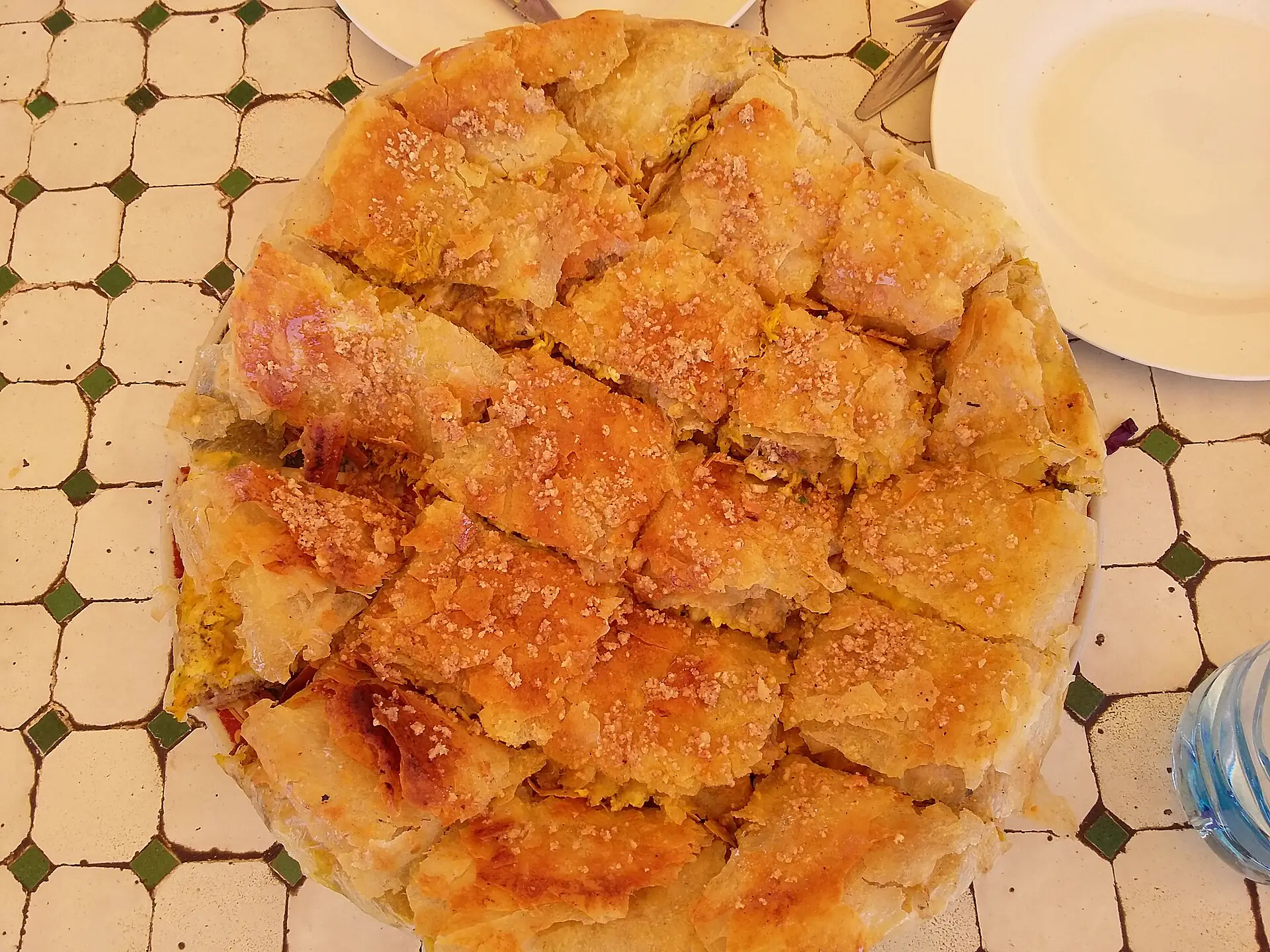
Cook the dishes Fassi families make for weddings and holidays: a sugar-dusted pastilla, plus two or three of mrouzia, harira and rfissa, agreed with you in advance. You start in the souk with a warqa maker, then cook in a medina kitchen for about 5–6 hours. It suits people who already cook.
These are the dishes Fassi families cook for weddings, religious holidays and guests they want to honour. They take time, they mix sweet and savoury in ways that surprise most visitors, and they are rarely on a standard class menu. This class is built for people who already cook and want to learn the city's signature food properly.
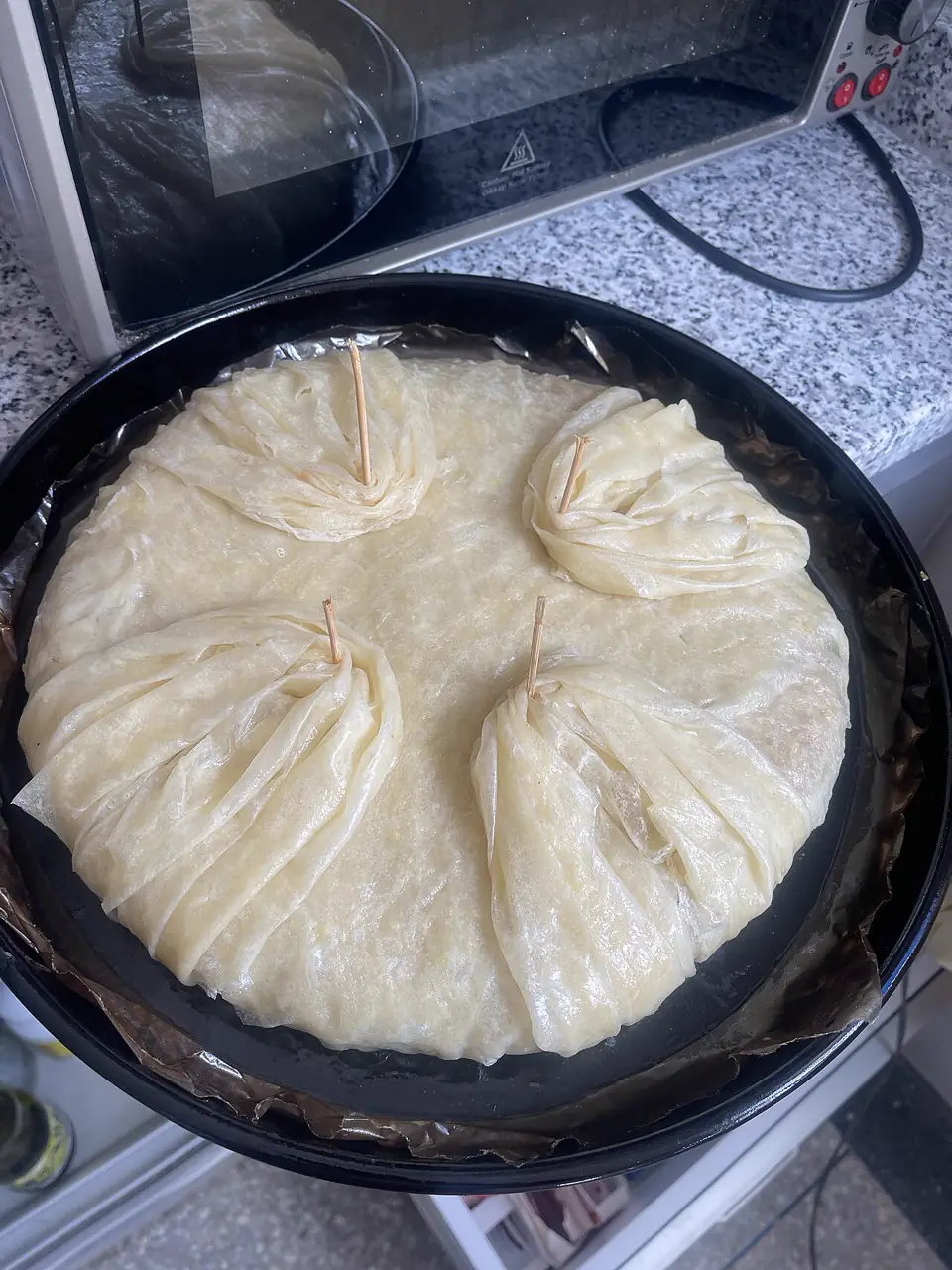
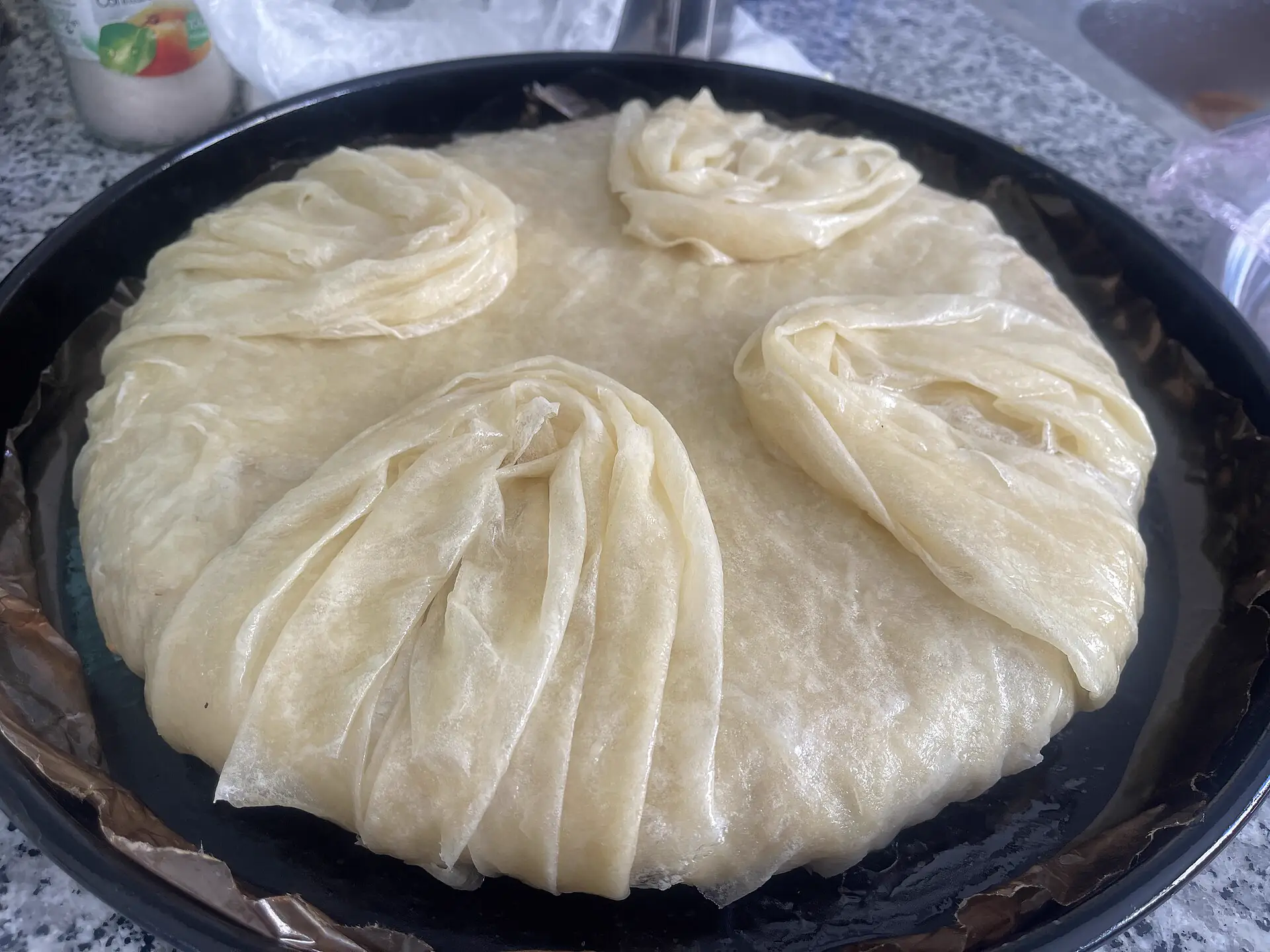
Pastilla is the centrepiece. You won't make the paper-thin warqa sheets yourself (Fassi cooks buy them from specialists in the souk, and you'll watch one at work), but you will make the filling, fold the pie and finish it. Around it you cook two or three of the other classics, chosen with you in advance: mrouzia, harira, rfissa.
Best for: Experienced home cooks; Anyone who fell for pastilla on their first night in Fes; Travellers with a full day to give to food.
A typical running order. Times are from the start of the class and shift with your group and the season.
0:00
0:20
1:20
2:30
3:30
4:30
bastila
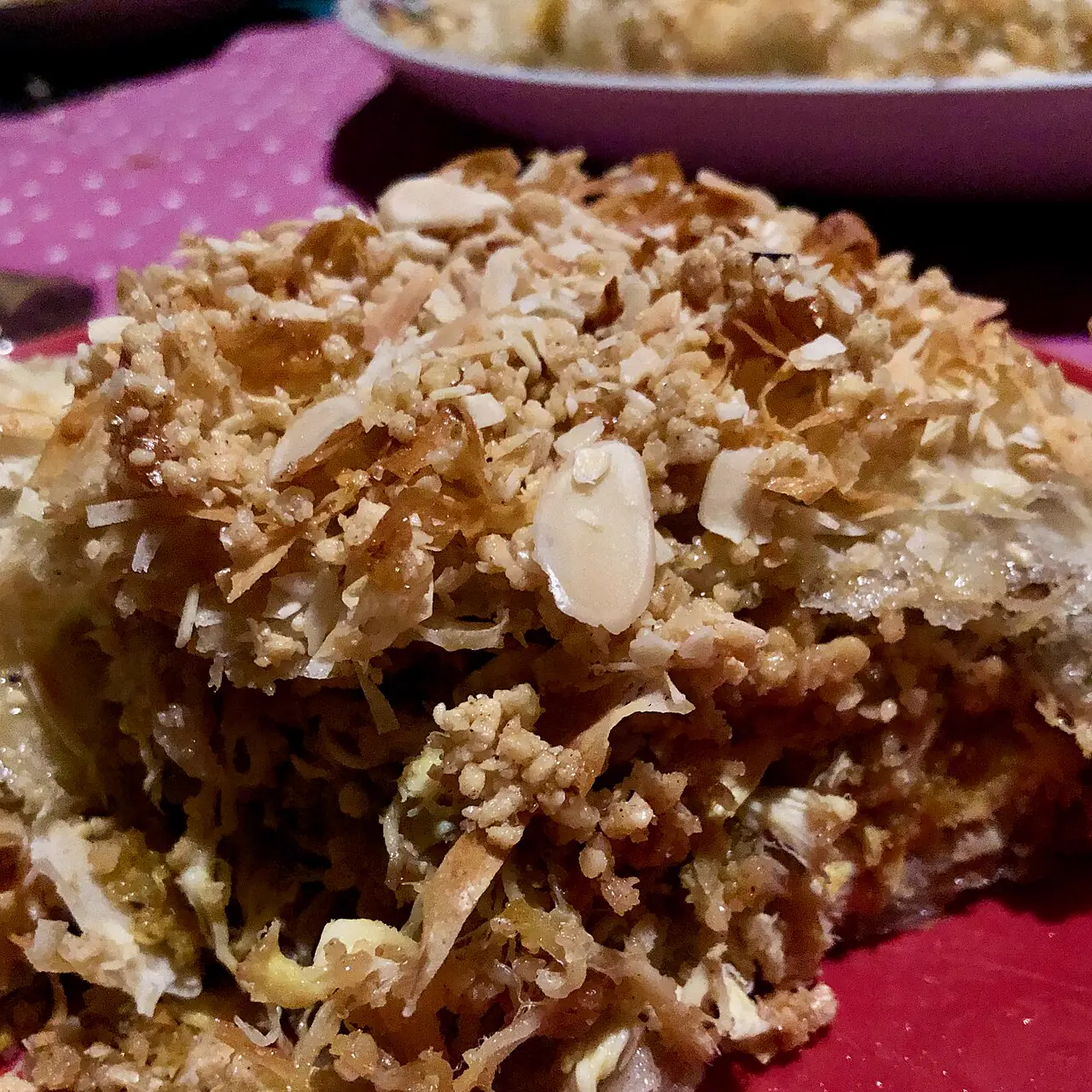
A large round pie of warqa pastry filled with spiced chicken or pigeon, eggs cooked in the onion sauce and a layer of sweet fried almonds, finished with icing sugar and cinnamon. The best-known dish of Fes.
Lamb slow-cooked with ras el hanout, honey, raisins and almonds until it is sticky and sweet. Traditionally made after Eid al-Adha, it keeps well and is served in small portions.
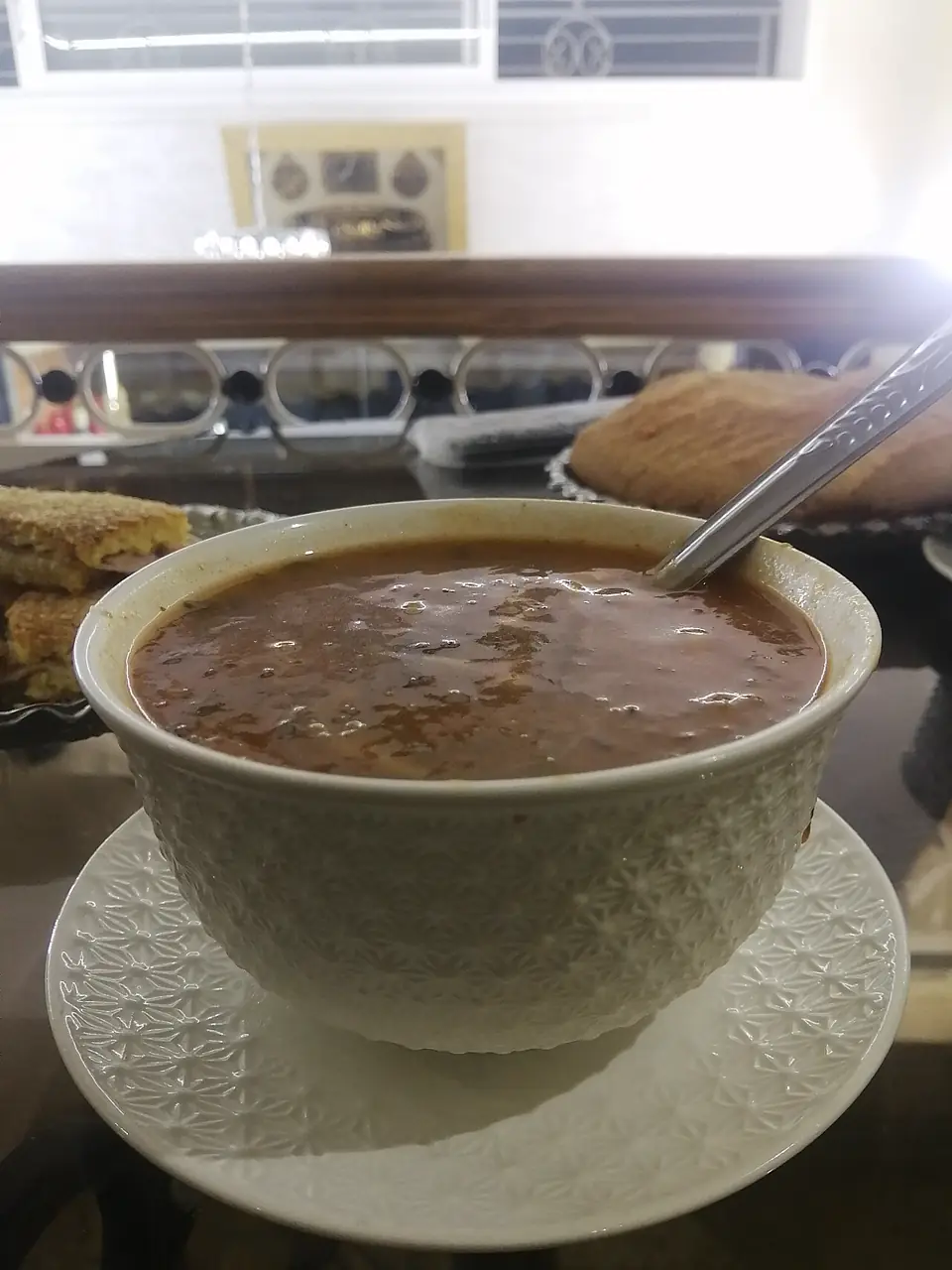
A tomato soup with lentils, chickpeas, herbs and a little meat, thickened at the end with a flour-and-water mix. It is the soup that breaks the fast during Ramadan, served with dates and chebakia.
Torn pieces of msemen or trid flatbread soaked in a broth of chicken, onions, lentils and fenugreek, scented with ras el hanout and saffron. Traditionally made for a new mother and for family gatherings.
Your party and your cook, with the menu built around the dishes you most want to learn. The best way to take this class.
Shared with a few keen cooks on a set menu of pastilla plus two classics. Runs less often than shorter classes, so ask early.
A vegetarian pastilla is possible (vegetables, eggs and almonds, or a vermicelli and almond filling), and harira is easily made without meat. Mrouzia and rfissa are meat dishes at heart, so a vegetarian version of this class swaps them for other Fassi dishes. The class is heavy on almonds and wheat, so it is not suitable for nut allergies or a strict gluten-free diet.
This is a long class with real work. Expect to be on your feet much of the day. Pigeon pastilla is traditional but chicken is standard; we'll tell you what's possible for your date. Around Ramadan, harira and chebakia are everywhere in the medina, which makes it a fine time to take this class.
The questions people ask us most before they plan a trip.
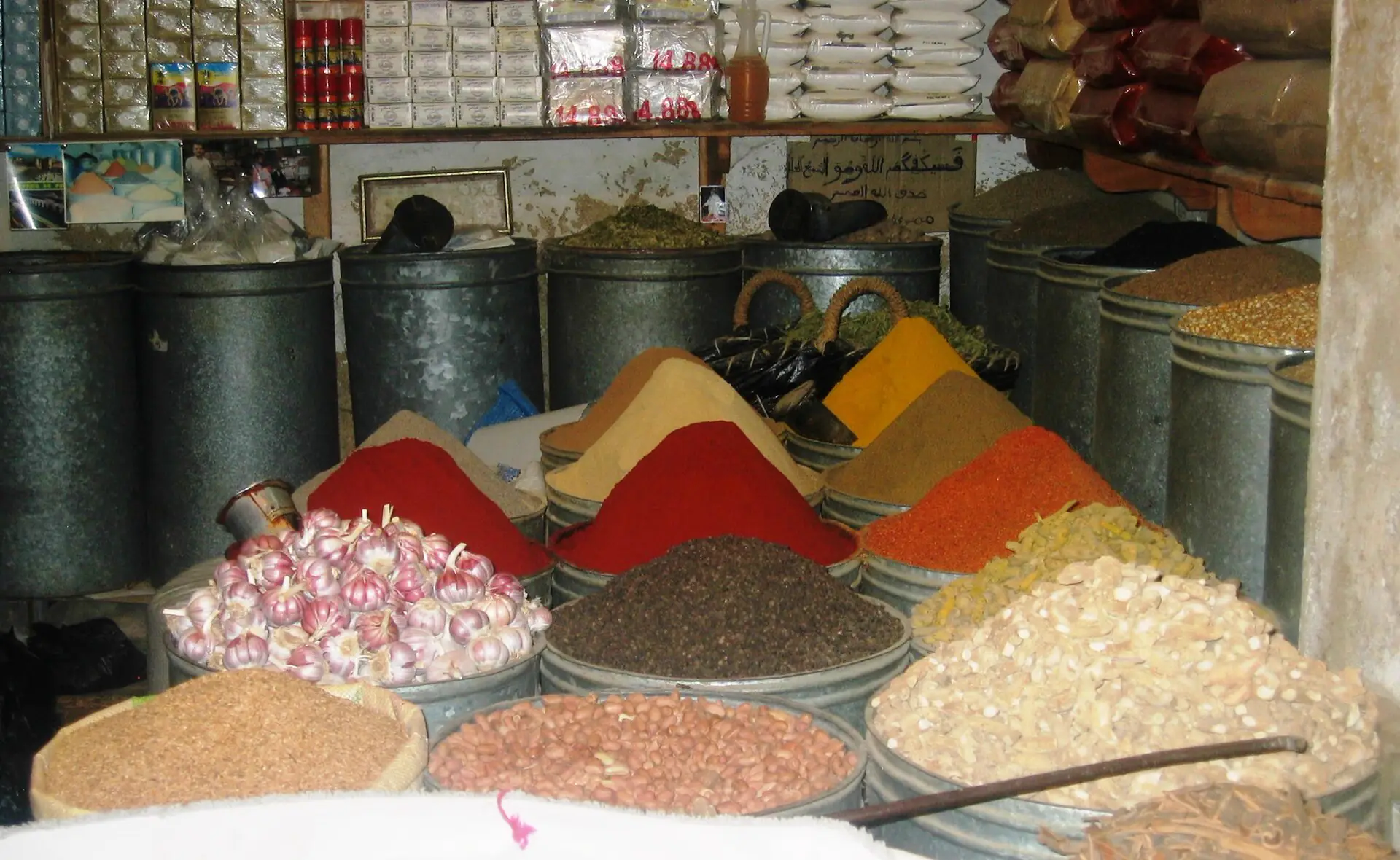 Riad class + souk shoppingShop the Fes el-Bali food souks with your cook, then carry the bags back to a riad kitchen and cook a full Fassi lunch from what you bought.See the class
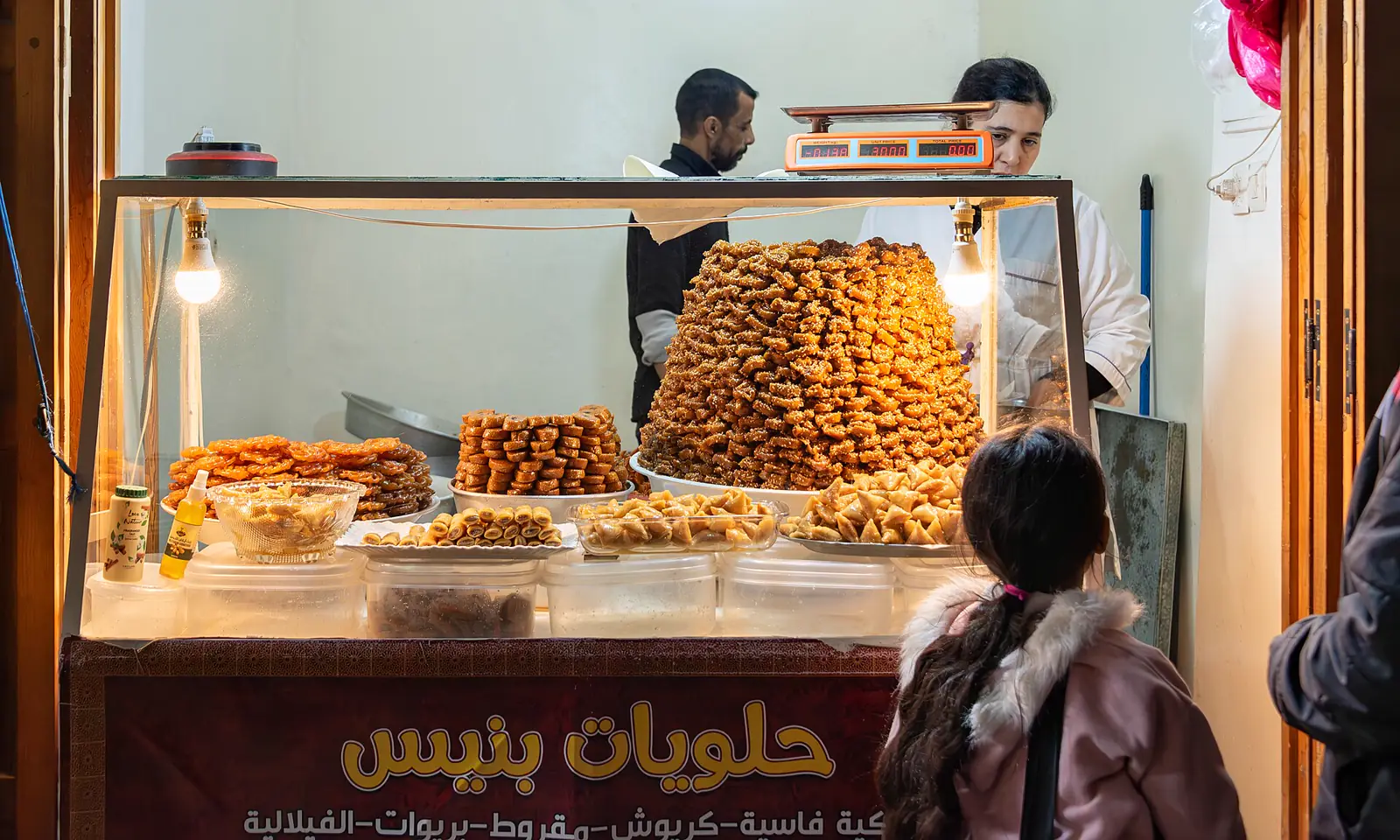 Pastries & cookiesGazelle horns, chebakia, ghriba and almond briouats: the sweets Fassi families make for weddings, Eid and Ramadan, rolled and shaped by hand.See the class
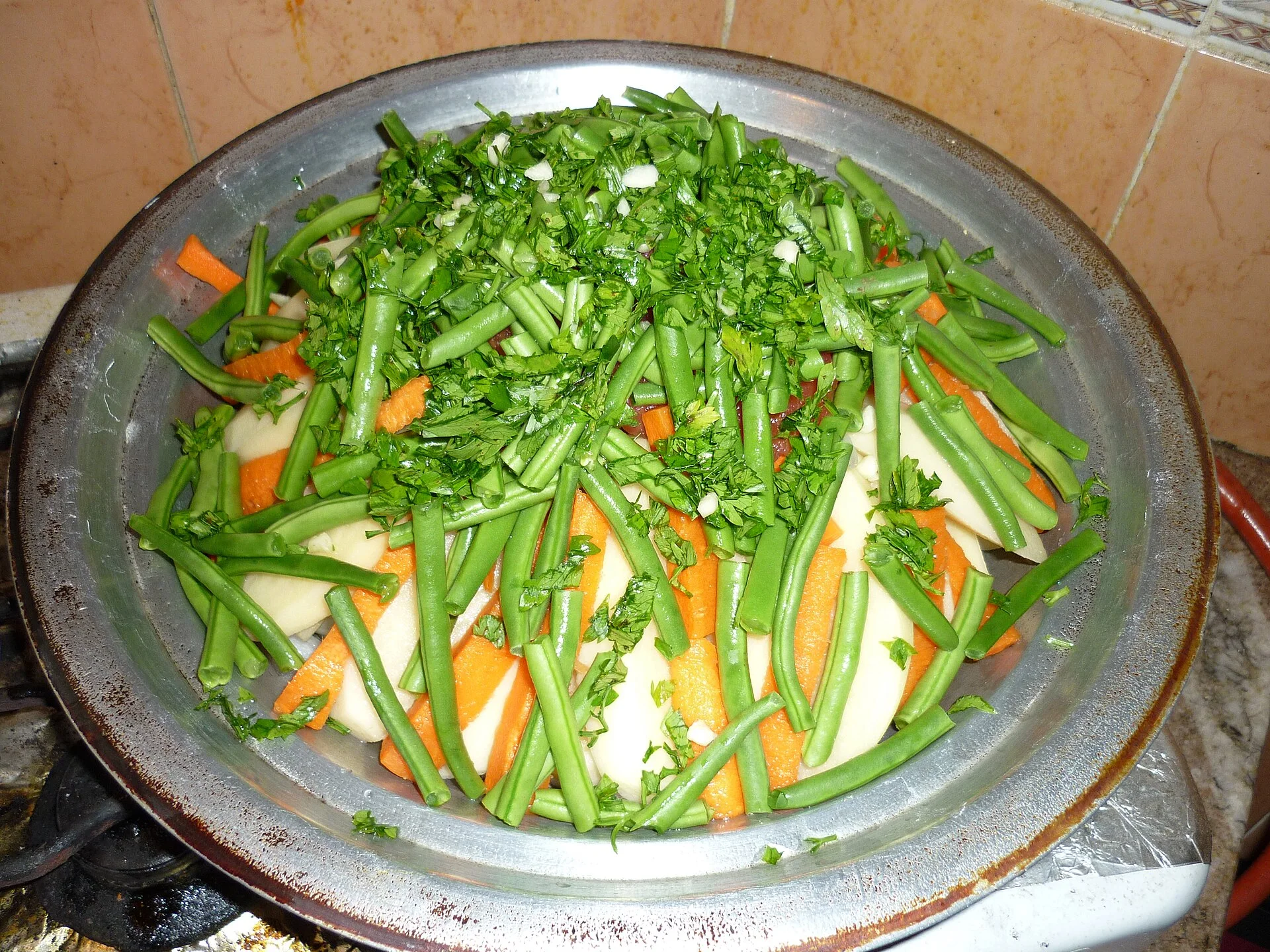 Tagine & couscousThe two pillars of Moroccan cooking, done properly: a sweet lamb tagine and a kefta tagine on the fire, and couscous rolled by hand and steamed three times.See the class
Pair it with: Moroccan cooking classes: what to expect, Fes food tour of the medina, Moroccan food and the tagine, Ramadan travel in Morocco.