Fes, Morocco· Concierge · Mon–Sat · 09:00–18:00 GMT+1
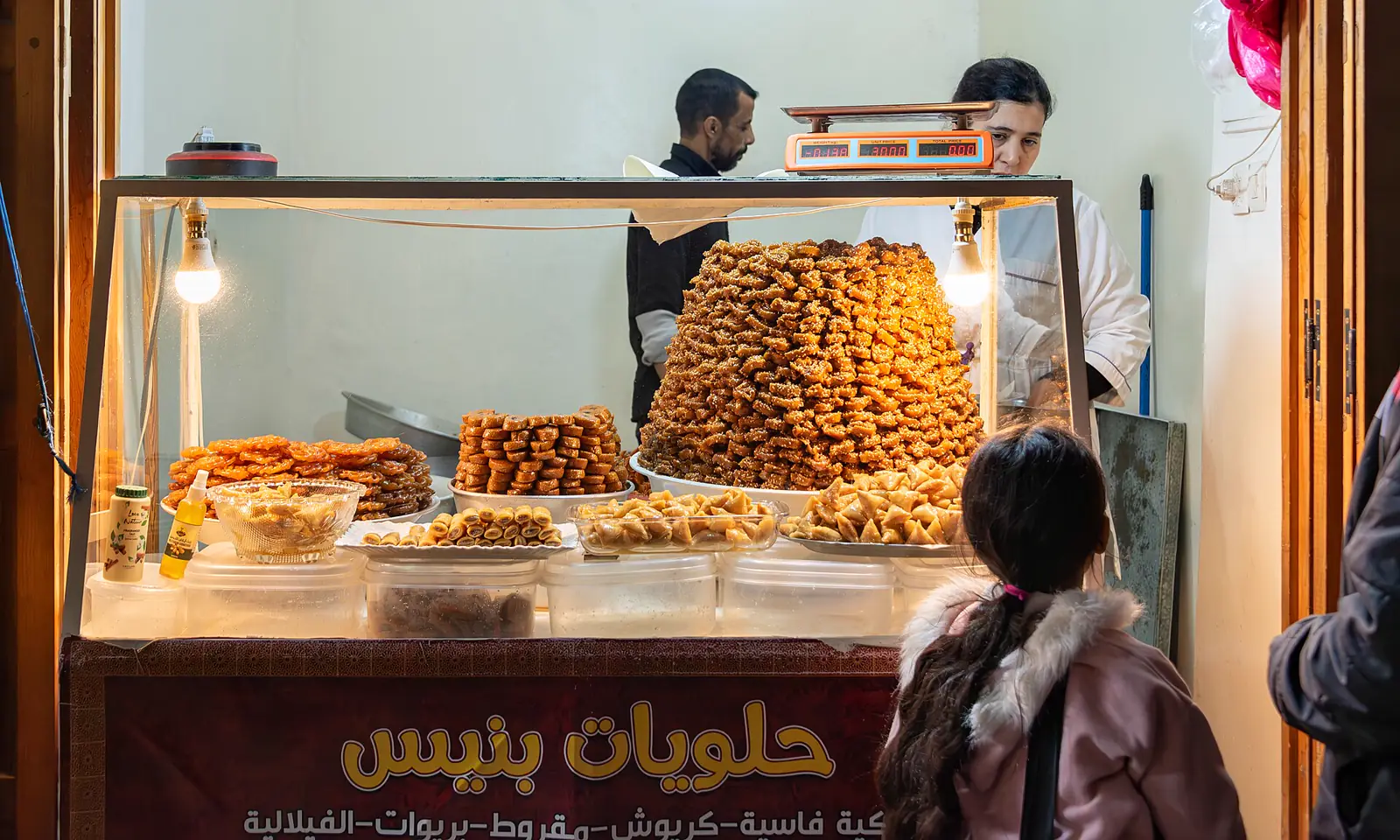
Moroccan pastries and cookies
Make four of the sweets Fassi families prepare for weddings, Eid and Ramadan: gazelle horns, chebakia, ghriba and almond briouats, each with its own technique. You work in a home or riad kitchen in the Fes medina for about 3.5–4 hours, then carry a box back to your riad. Families are welcome.
- Private or small-group
- Menu agreed with you
- Recipes to take home
What the class is like
Fes is known across Morocco for its pastries, and the city's sweet shops pile them in pyramids before every holiday. Many families still make their own, often over several days with relatives helping. They lean on almonds, sesame, honey, orange-flower water and anise rather than cream or chocolate.
In this class you make four of the classics, each with a different technique: shaping almond paste inside thin dough, folding and frying a sesame flower, baking a crackled cookie, and wrapping triangles of warqa. You finish with mint tea and a box to take back to your riad.
Best for: Bakers and anyone with a sweet tooth; Families with children; An afternoon that ends in tea.
- How long
- About 3.5–4 hours
- Where
- A home or riad kitchen in the Fes medina
- Diets
- Vegetarian
- Families
- Children welcome
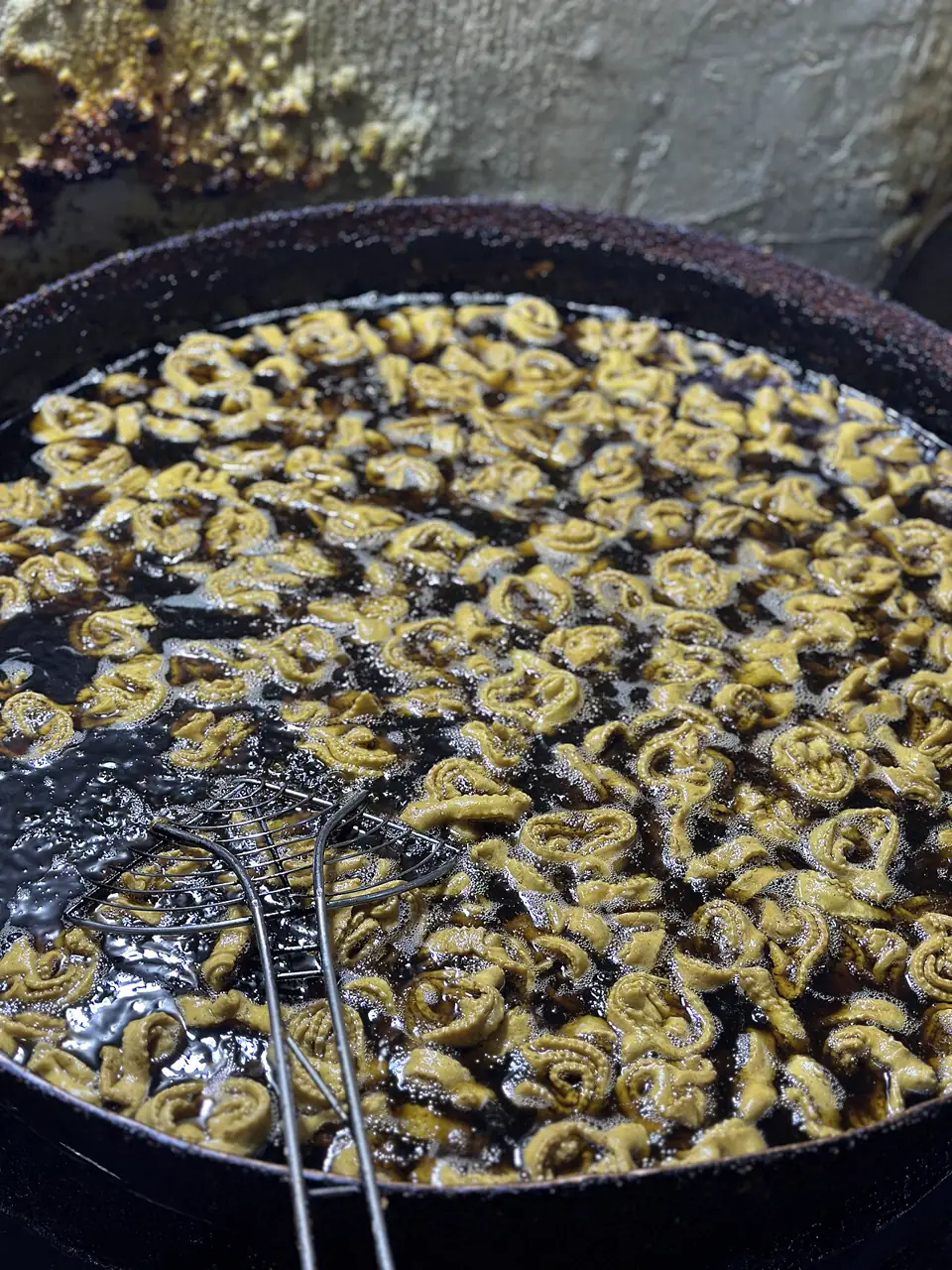
Chebakia: folded, fried, then soaked in honey.
Moroccan dishHow the class runs
A typical running order. Times are from the start of the class and shift with your group and the season.
0:00
Almond paste for gazelle horns
Blanch and grind almonds with sugar, orange-flower water and a little butter, then roll the filling into small crescents.
0:45
Wrap and shape kaab el ghazal
Wrap each crescent in a very thin dough, crimp and prick it, and bake until barely coloured.
1:30
Chebakia
Roll the spiced sesame dough, cut it into rectangles and fold each into a flower, then fry and soak it in hot honey with orange-flower water and roll it in sesame.
2:30
Ghriba and briouats
Mix and roll ghriba so it cracks in the oven, and fill warqa triangles with almond paste for briouats, fried and dipped in honey.
3:15
Tea and tasting
Mint tea with everything you made, and a box packed to take away.
What you cook
kaab el ghazal
Gazelle horns
Crescents of almond paste scented with orange-flower water, wrapped in very thin dough and baked pale. One of the most refined Fassi sweets.
Chebakia
Folded flowers of dough spiced with anise, sesame and cinnamon, fried, soaked in honey and covered in sesame. Eaten throughout Ramadan, especially with harira.
Ghriba
Crumbly cookies, most often almond or semolina (ghriba bahla), that crack on top as they bake.
Almond briouats
Little triangles of warqa pastry filled with almond paste, fried and dipped in honey.
Private or small-group
Private
Your party in a home kitchen. Choose which pastries to make, or add sellou or fekkas.
Small-group
A shared afternoon class with a few other travellers on the four classics above.
Dietary needs
All four pastries are vegetarian. Several contain eggs and butter, so a vegan version swaps in other recipes, which we can arrange privately. This class is built on almonds and sesame and is not safe for nut or sesame allergies. It is wheat-based, though almond ghriba can be made flourless.
Good to know
Pastries keep for days, so they travel well as gifts. Before Eid and during Ramadan the medina sweet shops are at their best; it is a good time for this class. Frying is done by the cook; children help with shaping and rolling.
Before you knock
The questions people ask us most before they plan a trip.
What Moroccan pastries will I learn to make?
Is the pastry class nut-free?
Can I take the pastries home?
Keep cooking
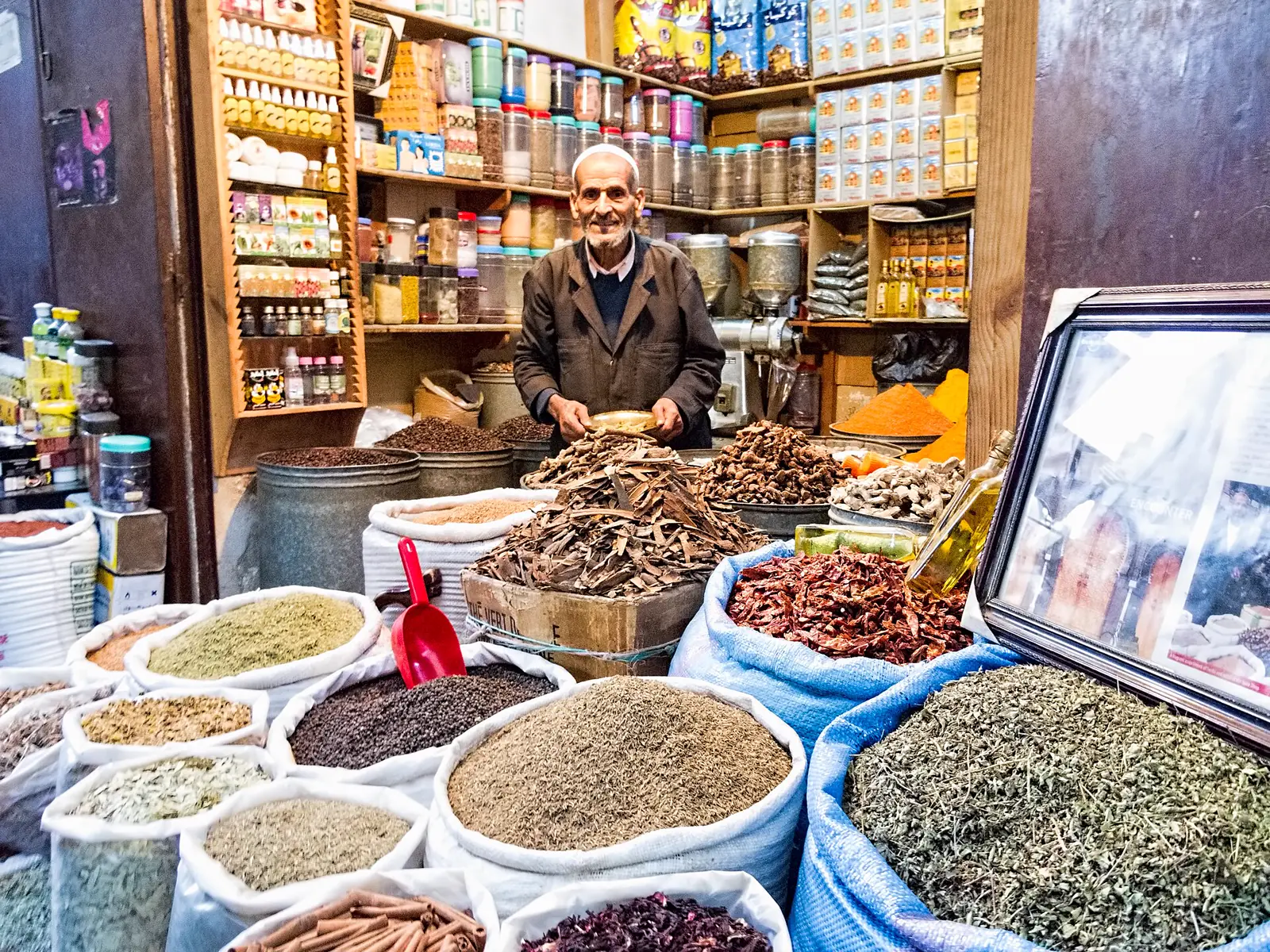 Mint tea & spicesLearn the Moroccan mint tea ritual properly, then blend your own ras el hanout and chermoula after a visit to a spice stall in the Fes medina.See the class
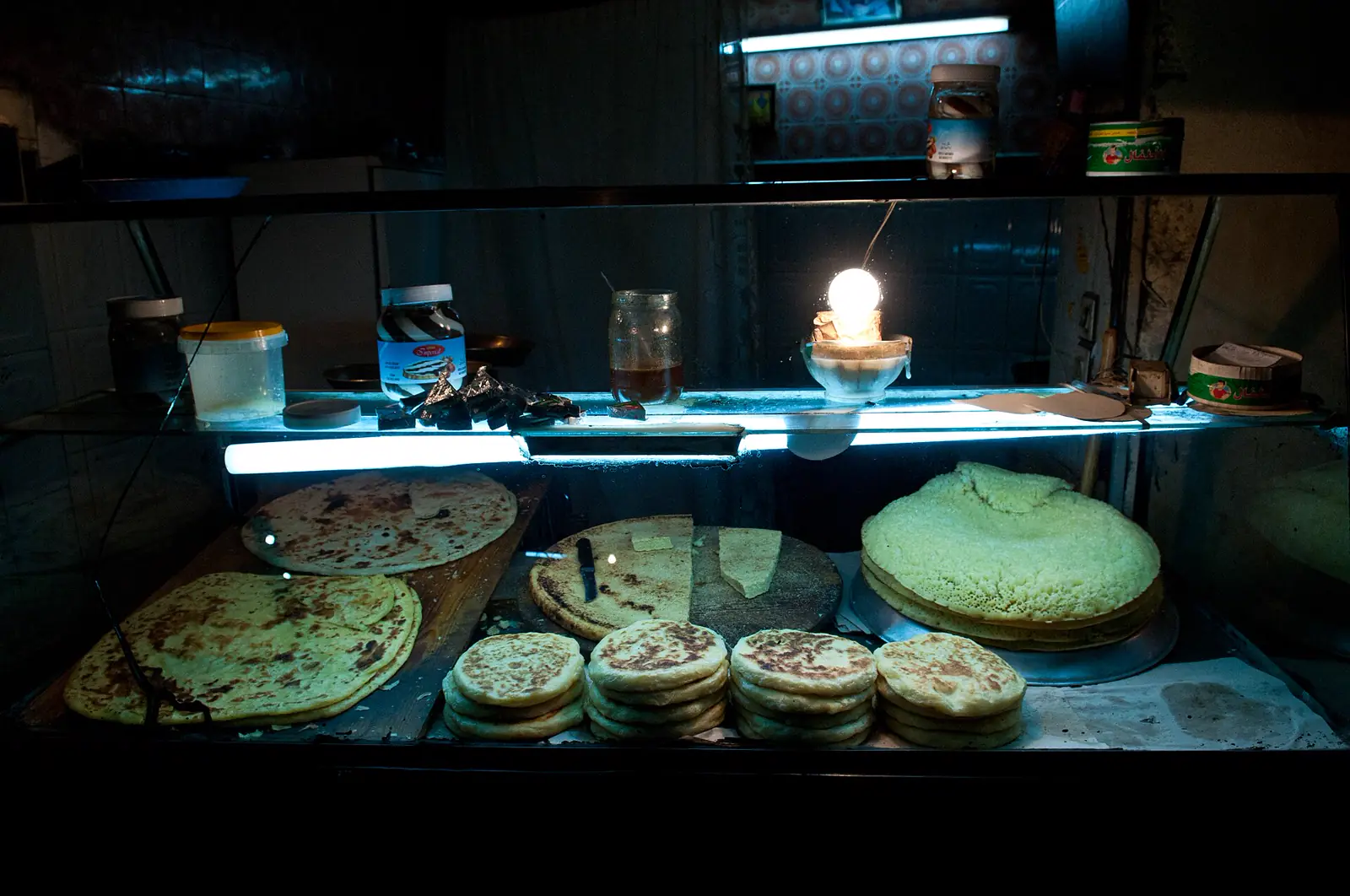 Bread & the ferranKnead khobz, fold msemen and griddle harcha, then carry your loaves through the lanes to the neighbourhood wood-fired oven, the way Fes still bakes.See the class
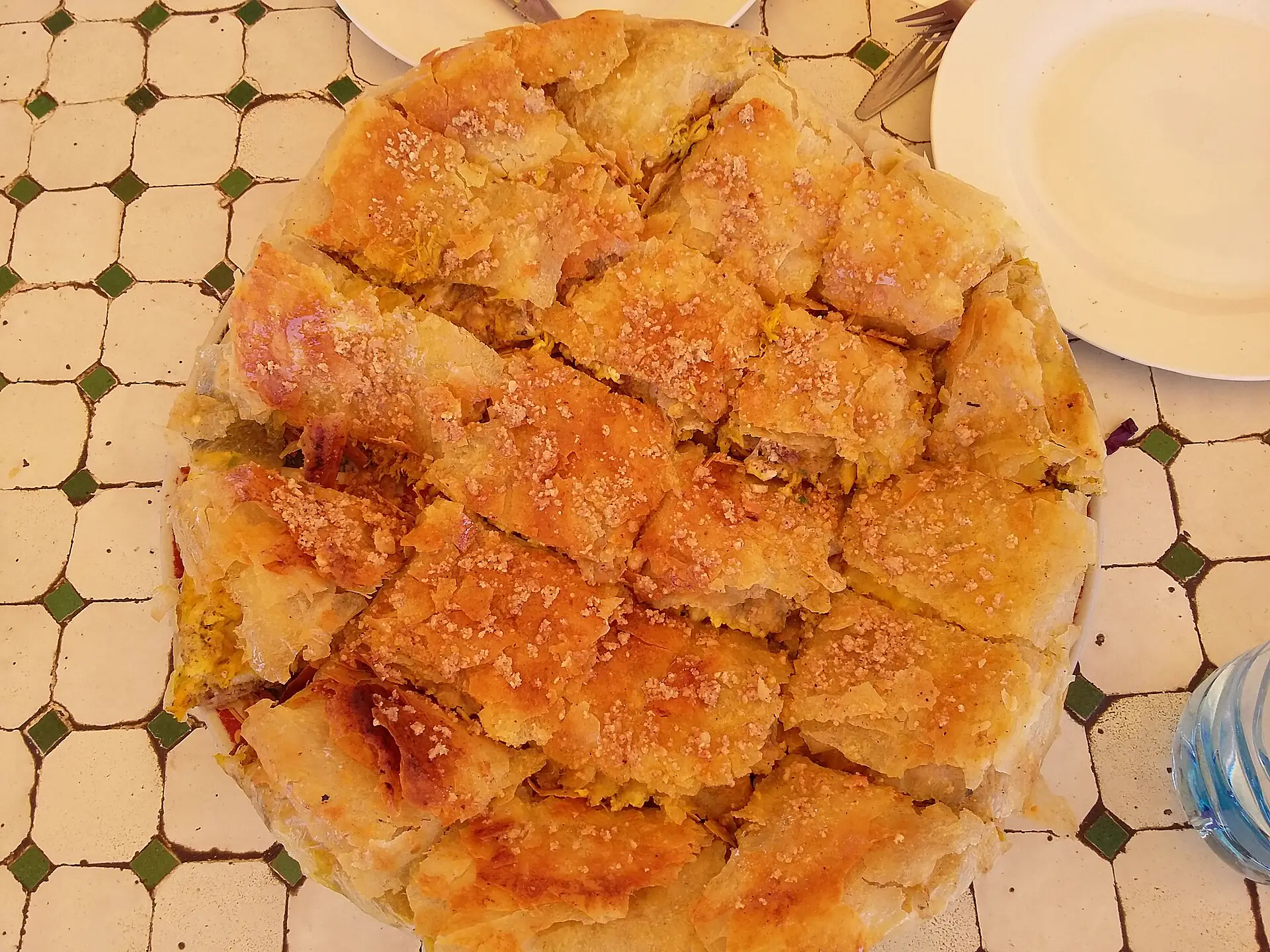 Fassi specialtiesA long, serious class for keen cooks: the celebration dishes Fes is known for, from a sugar-dusted pastilla to honeyed mrouzia, Ramadan harira and rfissa.See the class
Pair it with: The Moroccan mint tea ritual, Ramadan travel in Morocco, The Fes food tour, a guided tasting walk.
Send your dates, group and diet. We'll set the menu with you.
- Tell us what drew you in. Your dates, who is travelling and what you want to see.
- A person reads it. We write a day-by-day plan for your group, private or small-group.
- You change anything. Then we confirm the guides, drivers and riads.