Larache, Morocco

Larache is a quiet port at the mouth of the Loukos river, with an arcaded Spanish quarter left from the protectorate. Three kilometres north, the Phoenician and Roman ruins of Lixus sit on a headland above the estuary, and Jean Genet lies buried in the town. It fits the Tangier end of a northern loop from Fes.

  • Private or small-group
  • A written quote for your dates
  • WhatsApp support during your trip

Why go to Larache

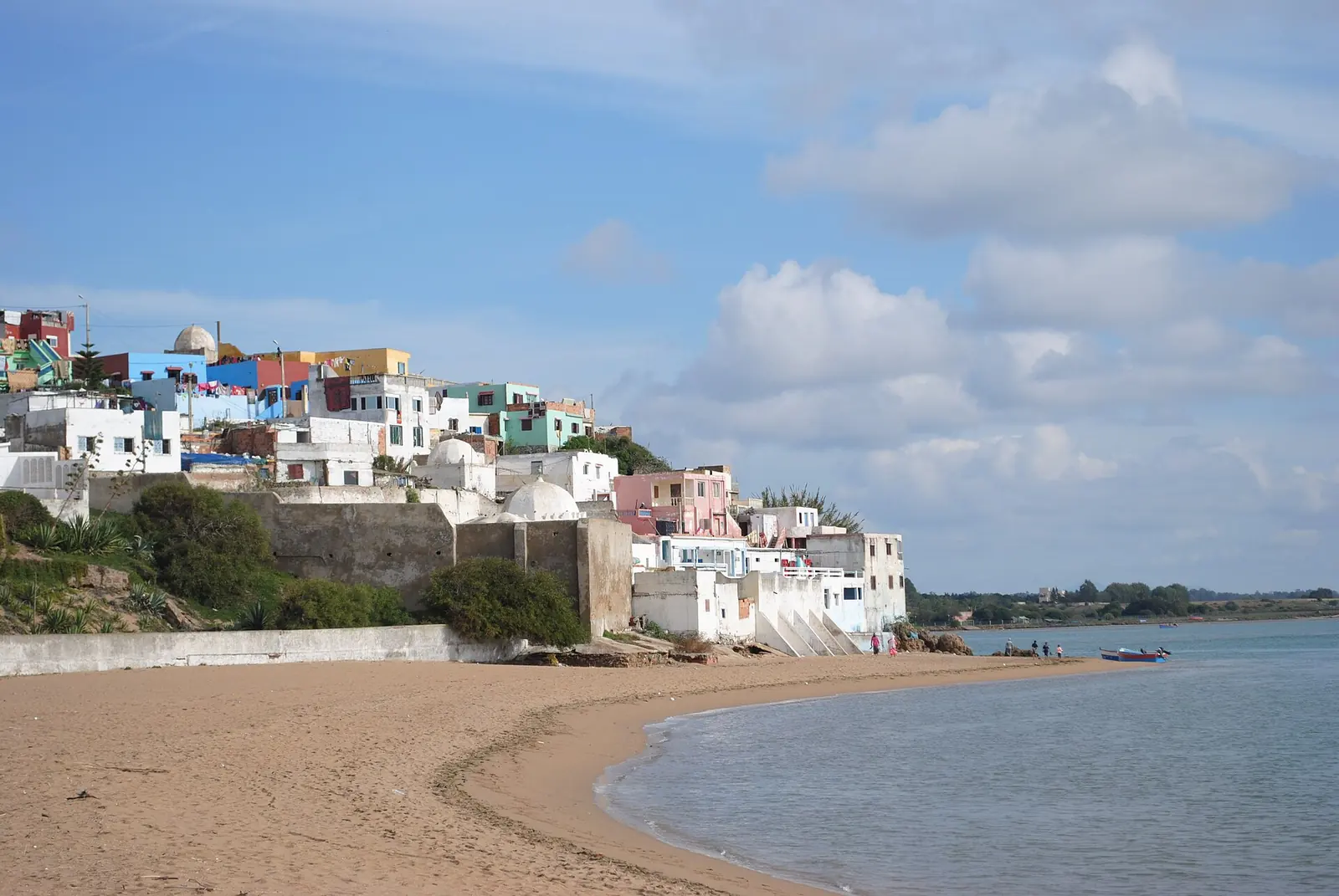
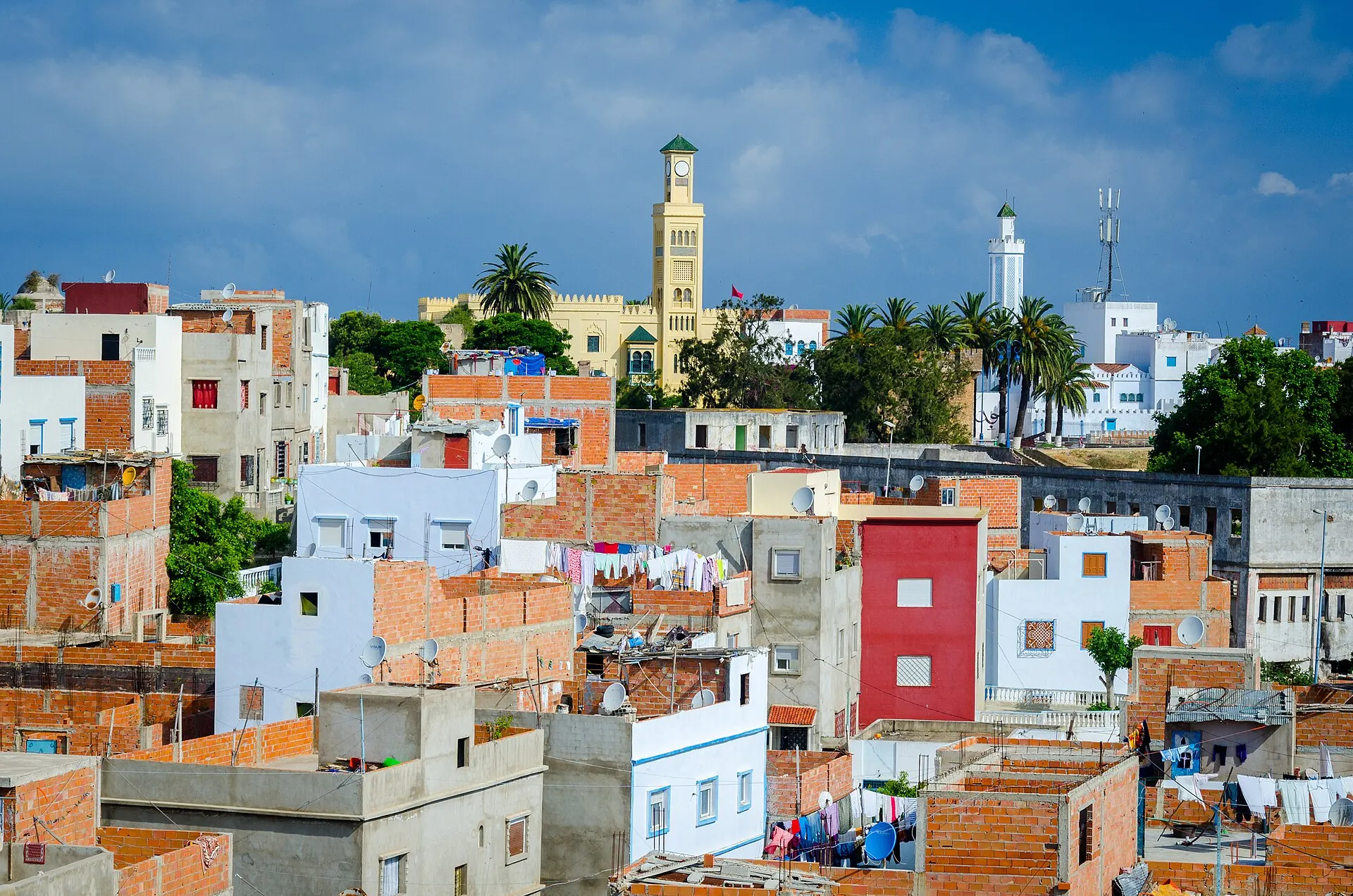
Larache slots onto the northern coastal end of a Fes-based loop, near the Tangier bookend: a coastal town of about 125,000 on Morocco's northern Atlantic coast, roughly 90 km south of Tangier and 40 km south of Asilah at the mouth of the Loukos river. Like Tetouan and Asilah it was administered by Spain during the protectorate period (1912–1956), and its ensanche (Spanish colonial quarter) around the Place de la Libération retains a weathered Iberian charm — arcaded pavements, art-deco facades and a harbour promenade. Three kilometres north of the town on a headland above the Loukos estuary lies Lixus: a Phoenician and Roman archaeological site of great age, traditionally associated with the mythical Garden of the Hesperides, and containing mosaic floors, a theatre and fish-salting installations that rank it among the most historically significant sites on Morocco's Atlantic coast. The town itself is seldom visited by foreign tourists but deeply appreciated by those who find it — a working port with good seafood, an atmospheric Spanish-era medina and a pace entirely its own.

Best time
April–October
How long
1 night
Nearest airport
Tangier Ibn Battouta (TNG) + 1h30 drive
Region
Atlantic coast · Northern Morocco

What you'll see in Larache

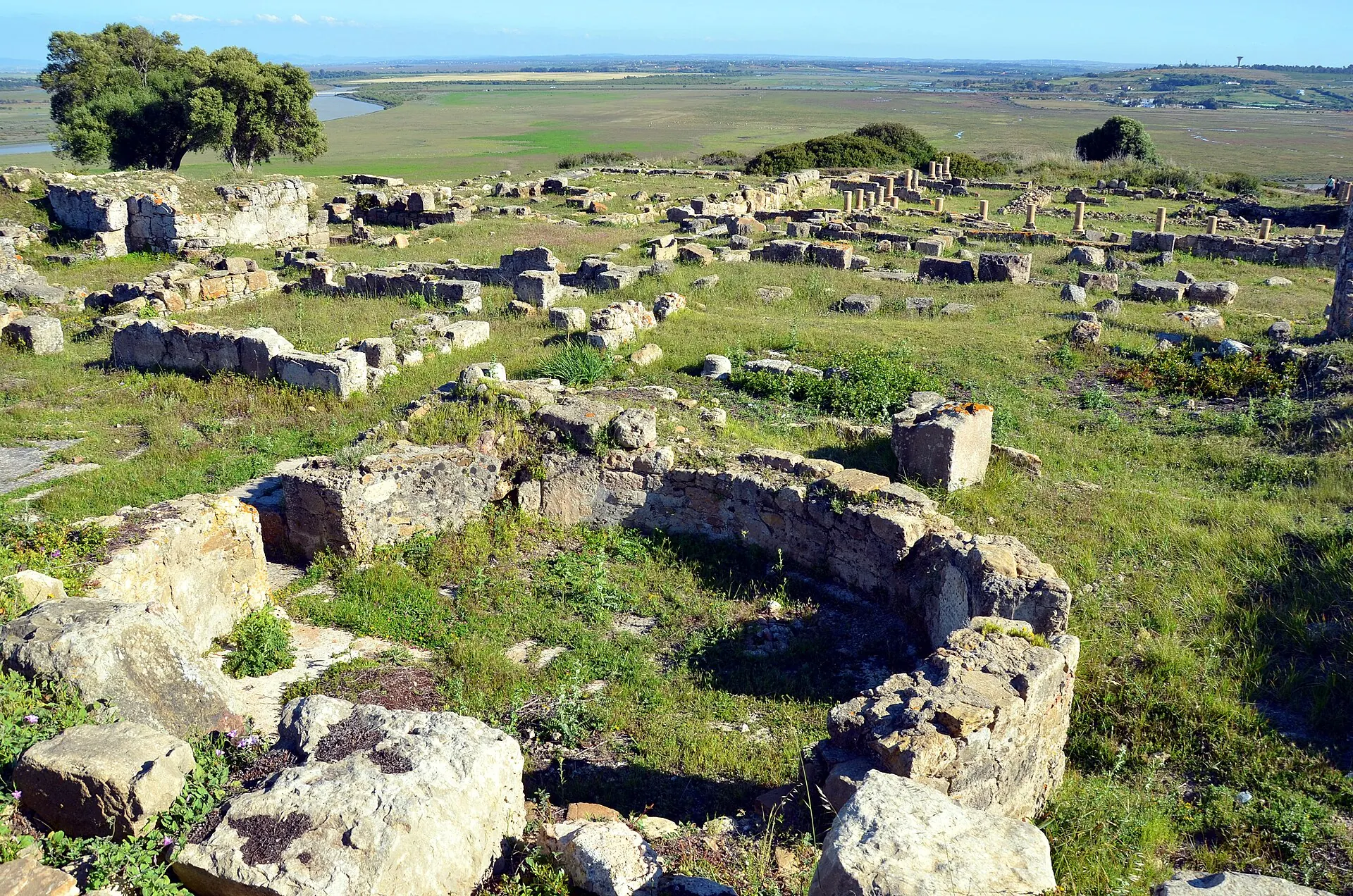
Stone foundations of ancient Lixus on its hill above the Loukkos plain near Larache
Lixus, near Larache

What are the Lixus ruins and why are they significant?

Lixus is one of Morocco's oldest inhabited sites: Phoenician presence is documented from at least the 7th century BC, making it among the earliest known settlements on the Atlantic coast of Africa. The Romans developed it as a major city from the 1st century AD, producing garum (fish sauce) for export across the empire — the extensive fish-salting tanks are the best-preserved in Morocco. The site also contains a theatre, a forum and mosaic floors including a celebrated representation of Oceanus. Lixus is 3 km north of Larache on the N1.
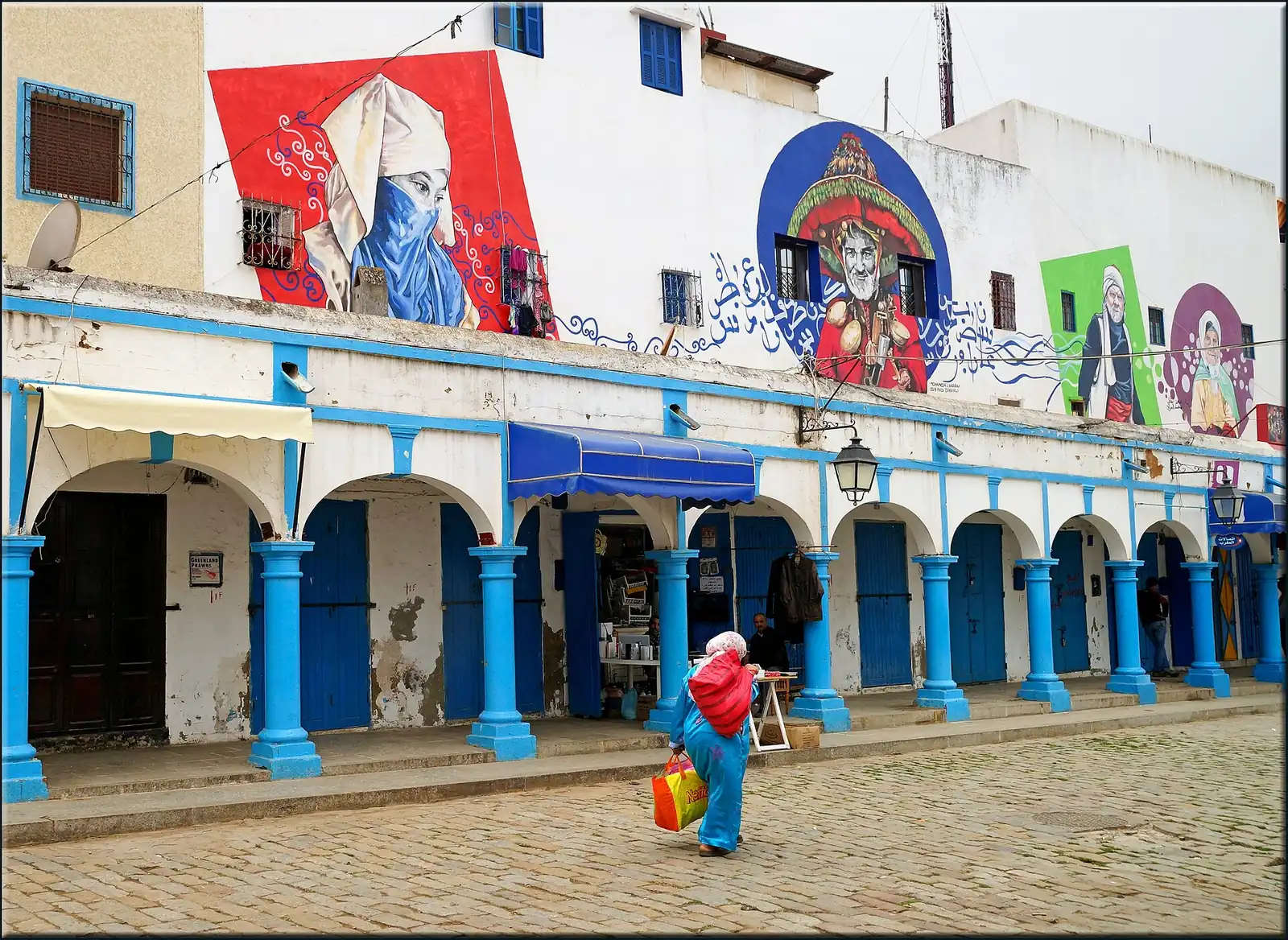
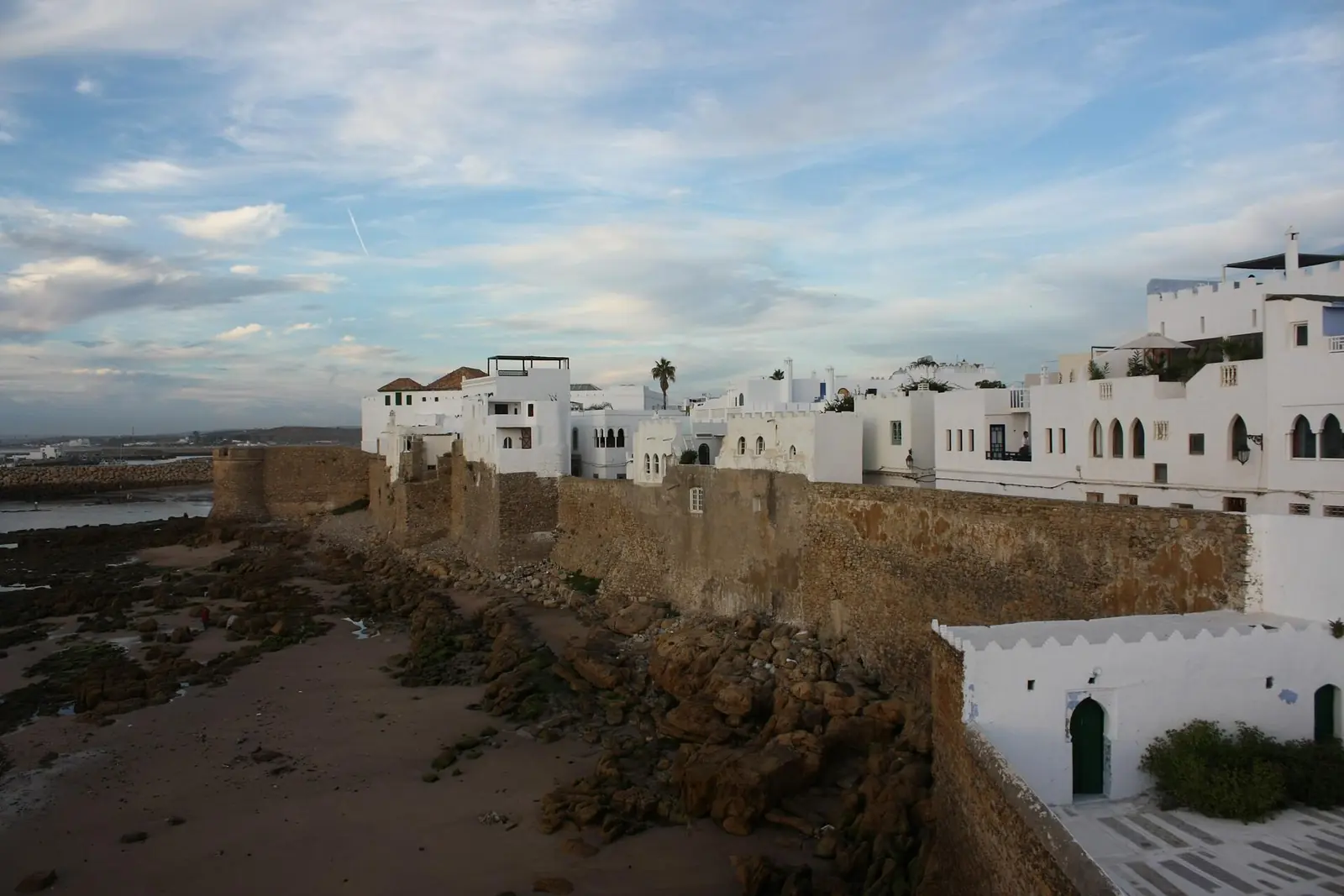
Blue-pillared arcades under painted murals in the centre of Larache
Larache

Spanish colonial quarter and Place de la Libération

The former Plaza de España — now Place de la Libération — is the heart of Larache's protectorate-era ensanche: a circular square ringed by arcaded Spanish facades, with a circular fountain and café terraces. The surrounding streets preserve Spanish colonial architecture in a state of gentle, sun-bleached decay that rewards architectural photography.

Kebibat beach and Atlantic promenade

A long, sandy Atlantic beach north of the Loukos estuary, backed by a palm promenade — quiet and local in character, with none of the resort development of Agadir or Mdiq.

The grave of Jean Genet

The French writer Jean Genet, who spent his final years in Larache, is buried in the Spanish cemetery above the town — a place of literary pilgrimage for readers of his work. The cemetery overlooks the Atlantic and the Loukos estuary.

Ways to see Larache

Trips we build around Larache. Tell us which one fits and we'll write the days and quote them for your group.

2 days

Northern Atlantic coast: Tangier to Larache

A private two-day coastal drive south from Tangier: Asilah's whitewashed medina, the Roman ruins of Lixus and a night in the Spanish-era port of Larache.

1 day

Lixus Roman ruins private day

A private day from Asilah or Tangier: the Phoenician and Roman archaeological site of Lixus, with the Larache port and colonial quarter for lunch.

Before you go

Getting there. About 1h30 (90 km) south of Tangier on the N1, or 30 min (40 km) south of Asilah

Lixus access. The site is open to visitors; a small caretaker's fee applies; no formal ticketing — best visited in the morning

Best combined with. Asilah (40 km north) and Tangier (90 km north) on a northern Atlantic coastal route

Read next. Is Volubilis Worth Visiting, and How Do You Do a Meknes & Volubilis Day Trip from Fes?; Can You See Wild Monkeys Near Fes, and Is the Ifrane & Azrou Cedar Forest Day Trip Worth It?; Is the Fes Medina Overwhelming, and How Do You Avoid Getting Lost?.

Questions about Larache

Read these before you add Larache to a trip.

Are the Lixus ruins worth visiting?
Yes — Lixus is one of Morocco's most historically layered sites and receives far fewer visitors than Volubilis, which it substantially predates. The fish-salting tanks, the theatre and the mosaic-floored houses are all visible on site, and the headland setting above the Loukos estuary is beautiful. Allow 1.5–2 hours.
Is Larache a good base for the northern coast?
Yes for those seeking a quiet working port town over a polished resort. It sits midway between Asilah and Moulay Bousselham, and a night here allows a relaxed morning at Lixus before continuing south. The seafood restaurants on the harbour are genuinely excellent and very low-cost.
How far is Larache from Asilah?
About 40 km south on the N1 — roughly 30 to 40 minutes by car. The two towns are a natural pairing on a northern Atlantic coastal itinerary: Asilah for its whitewashed Portuguese walls and mural art; Larache for its Roman ruins and Spanish colonial quarter.

Tell us your dates. We'll plan Larache with you.

  1. Tell us what drew you in. Your dates, who is travelling and what you want to see.
  2. A person reads it. We write a day-by-day plan for your group, private or small-group.
  3. You change anything. Then we confirm the guides, drivers and riads.
Plan this with us