Best for: Culture seekers, foodies, city explorers, outdoor enthusiasts, first-time Africa travellers
Morocco
Atlantic and Mediterranean kingdom — medinas, mountains, desert and coast.
Fes, Morocco· Concierge · Mon–Sat · 09:00–18:00 GMT+1
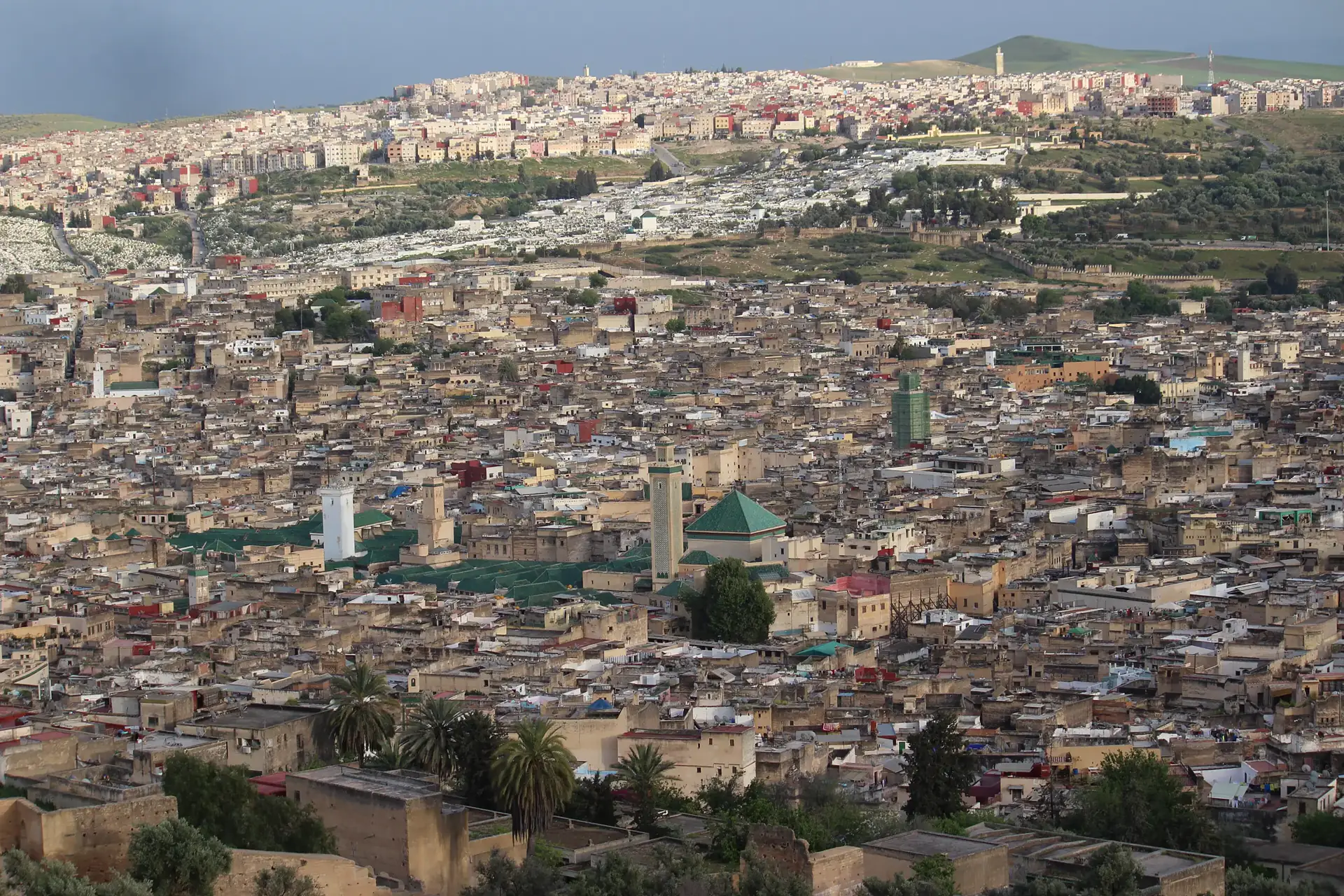
Fes el Bali · Photo: William John Gauthier from Sweden, CC BY-SA 2.0
Choose Morocco for cities, food and outdoor variety: it is compact, close to Europe, and a complete trip fits into 10 days without internal flights. Choose Egypt for ancient history at scale along the Nile Valley, and for Red Sea diving. Morocco suits most first-time visitors to the region; Egypt suits archaeology and monument lovers.
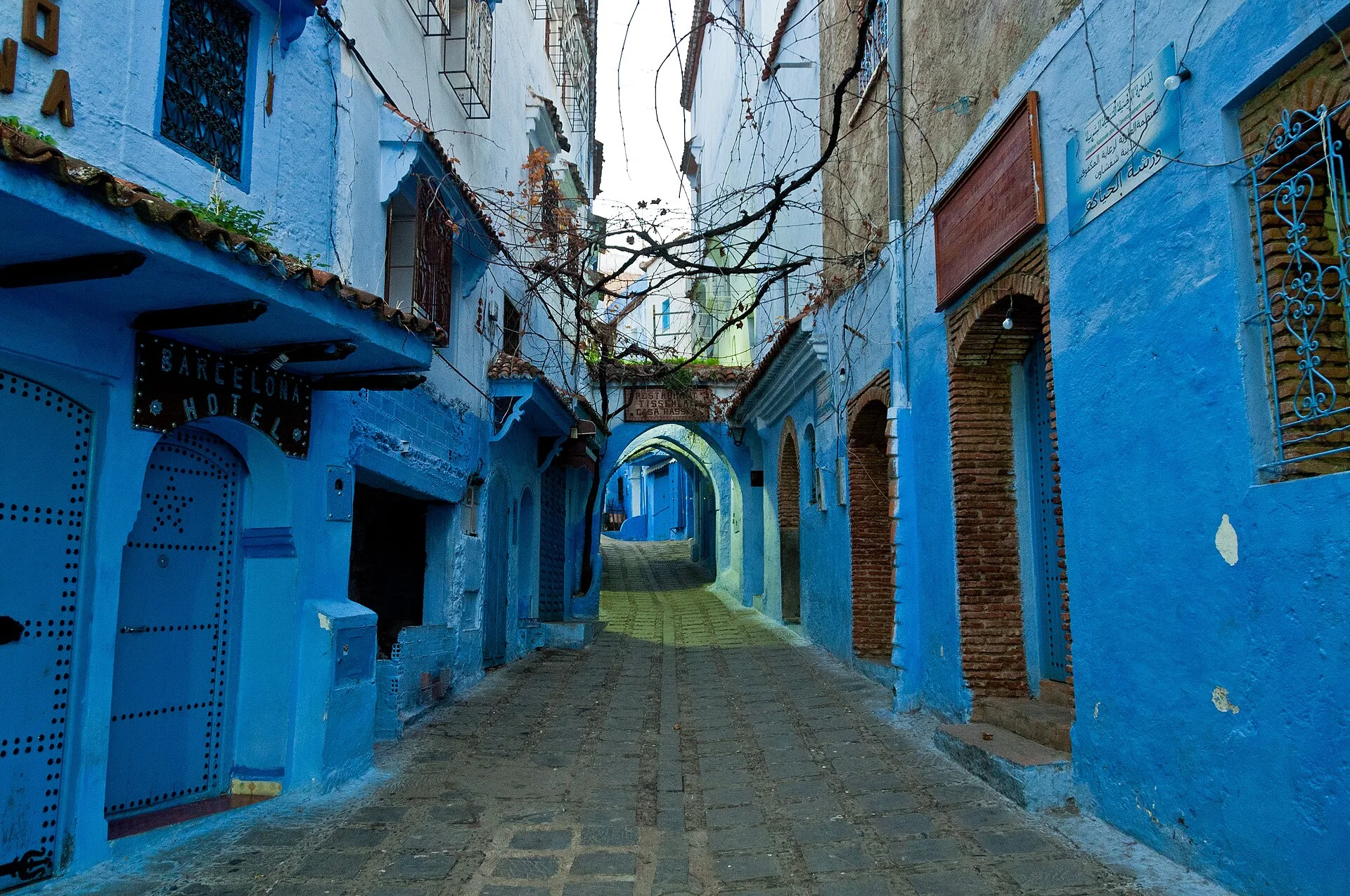
Morocco and Egypt are the two destinations that define the North African travel imagination, and they attract visitors for fundamentally different reasons. Morocco is alive with a layered Islamic and Amazigh (Berber) culture expressed through living medinas — Marrakech, Fes, Chefchaouen — that have been continuously inhabited for over a thousand years. Its landscapes range from the Atlantic coast and the High Atlas (North Africa's highest peak) to the Saharan dunes of Erg Chebbi. The country is compact enough to experience serious variety in 10 days and safe enough for solo travellers, including solo women, across nearly all destinations. Egypt carries an entirely different weight: the Pyramids of Giza, the temples of Luxor and the Valley of the Kings put thousands of years of ancient history in front of you. The Nile cruise between Luxor and Aswan is a classic journey, and the Red Sea coast around Hurghada and Sharm el-Sheikh offers well-known reef diving. The two countries share the Arabic language and Sunni Muslim traditions but have almost nothing else in common in terms of landscape, architecture, food or travel experience.
Best for: Culture seekers, foodies, city explorers, outdoor enthusiasts, first-time Africa travellers
Best for: History and archaeology enthusiasts, divers, those drawn by ancient civilisations
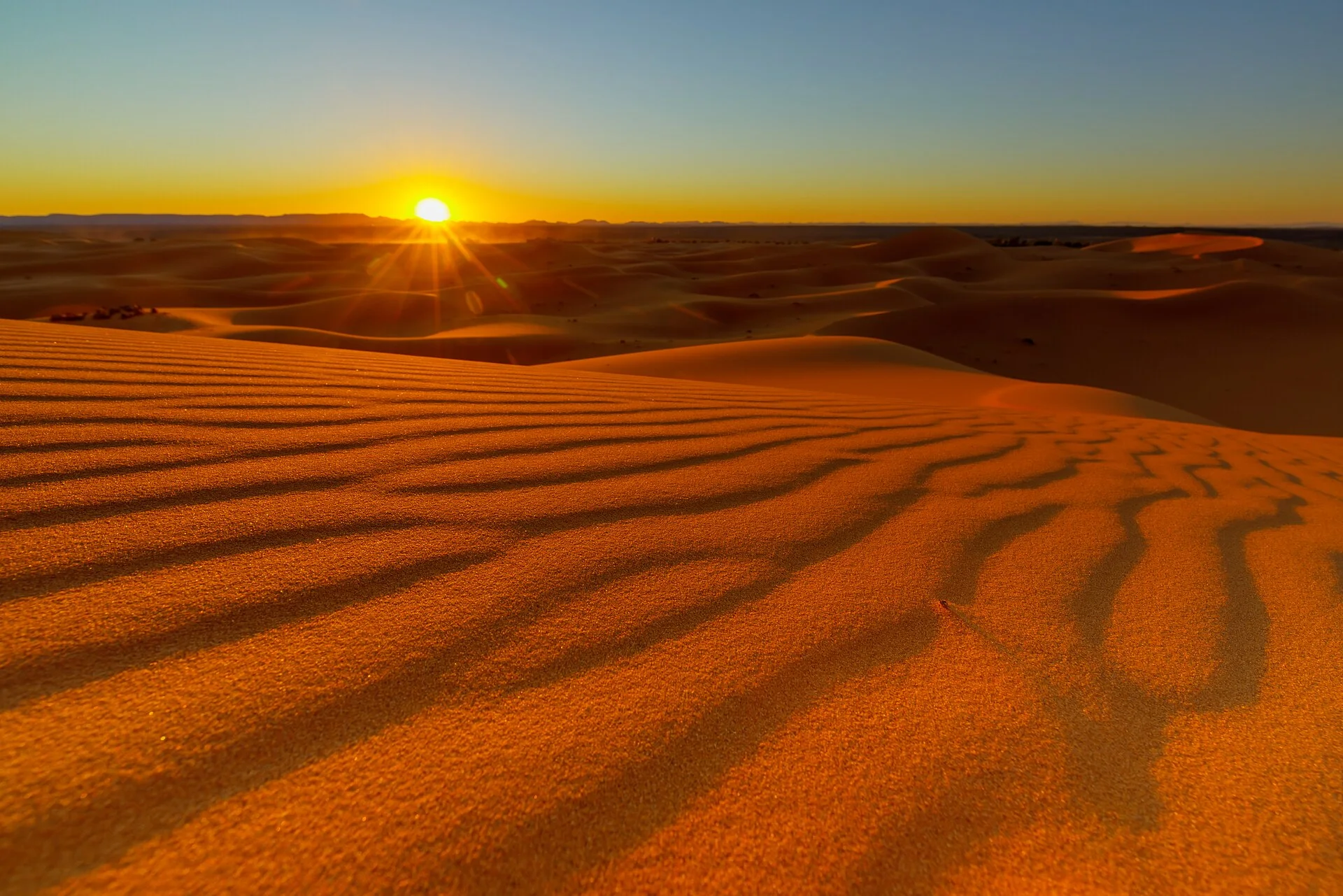
Erg Chebbi, Merzouga.
Erg Chebbi, MerzougaWhat shapes a trip, with Morocco and Egypt answered together.
Morocco. Islamic medieval cities (9th–19th century); Roman ruins at Volubilis; Amazigh prehistoric sites
Egypt. Pharaonic civilisation (3000 BC–30 BC); Pyramids of Giza; Valley of the Kings; Abu Simbel
Morocco. Atlantic and Mediterranean coasts, High Atlas (4,167 m), Saharan dunes, argan forest
Egypt. Nile Valley, Sahara desert, Sinai Peninsula, Red Sea coast; less topographic variety
Morocco. 4 UNESCO-listed medinas with intact craft traditions, Amazigh villages, Gnawa music
Egypt. Cairo's Islamic quarter (Khan el-Khalili), Coptic Christian communities, Nubian villages
Morocco. Tagine, couscous, bastilla, harira, fresh Atlantic seafood — Fassi cooking has its own dishes, pastilla first among them
Egypt. Koshari, ful medames, kofta, fresh Nile fish, mezze culture; good but less celebrated internationally
Morocco. Generally safe; petty hassle in souks is manageable; solo female travel widely practised
Egypt. Tourist sites are generally safe; exercise care in Cairo street navigation; check FCDO advice
Morocco. Limited — Atlantic is cold; Mediterranean near Tetouan has some sites
Egypt. Red Sea coral reefs at Sharm el-Sheikh, Hurghada and Dahab; warm, clear water
Morocco. 40+ direct European routes to Marrakech (RAK); also Agadir, Fes, Casablanca, Tangier
Egypt. Direct flights to Cairo (CAI), Sharm el-Sheikh (SSH) and Hurghada (HRG) from most UK/EU cities
Morocco. $80–$150/day including riad, meals, transport and a guided excursion
Egypt. $70–$140/day for a Nile cruise package; Cairo and Luxor can be cheaper independently
Morocco is the stronger choice for most first-time Africa or Middle East travellers: it is compact, accessible from Europe in 3–4 hours, extraordinarily varied in landscape and culture, and delivers a complete experience in 10 days without needing to fly internally. Egypt is the non-negotiable destination for those drawn by ancient history at scale, with the Nile Valley's archaeology and monuments, and the Red Sea is a major diving destination. If you have to choose: visit Morocco for culture, cuisine, cities and outdoor variety; visit Egypt for pharaonic history, the Nile and Red Sea diving. Many travellers find one inspires a return trip to the other.
More side-by-side comparisons, written from Fes.
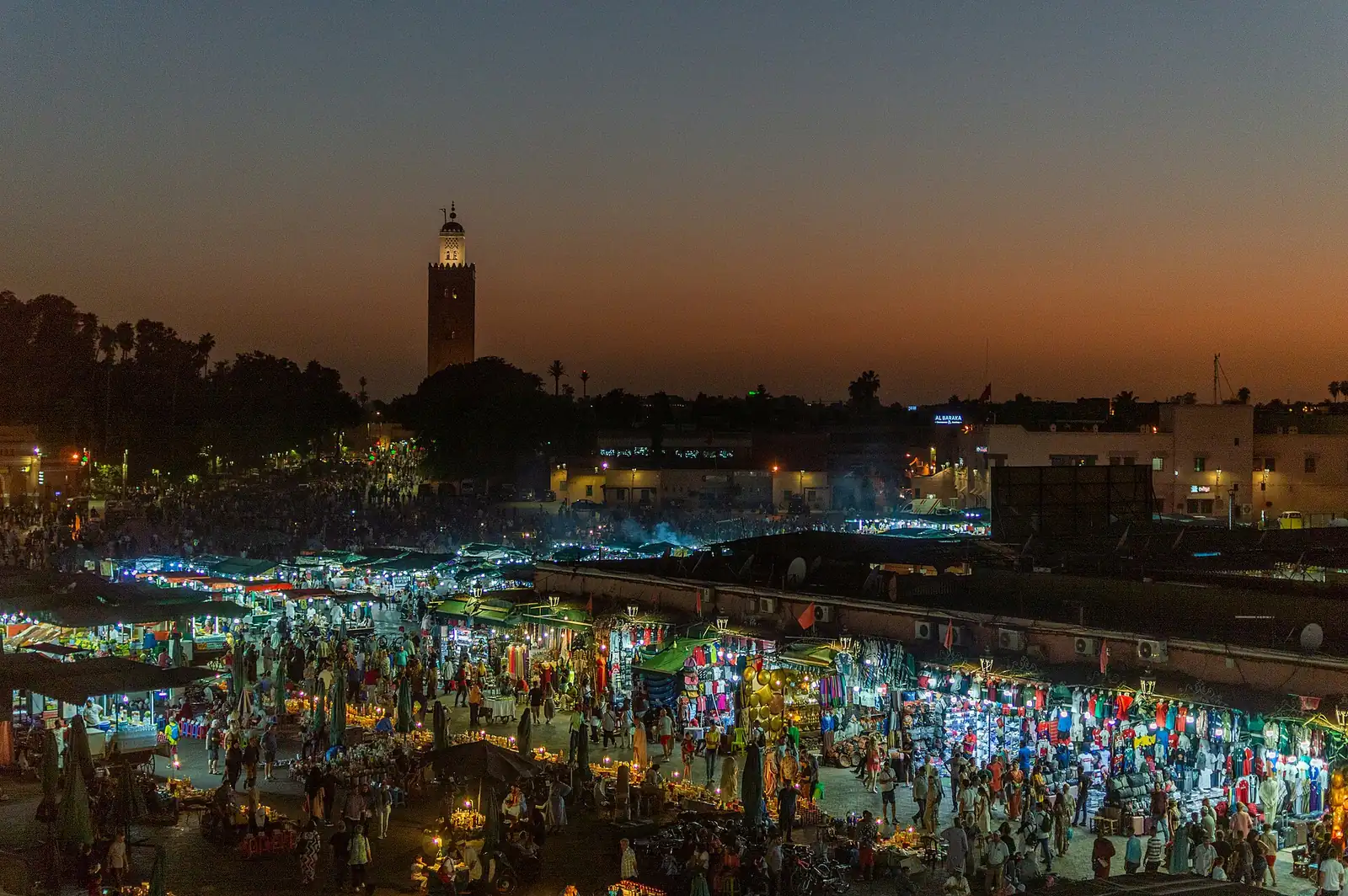 Marrakech or Fes?Both are UNESCO-listed imperial cities brimming with medinas, souks and centuries of Moroccan history — but they attract very different travellers.Read the comparison
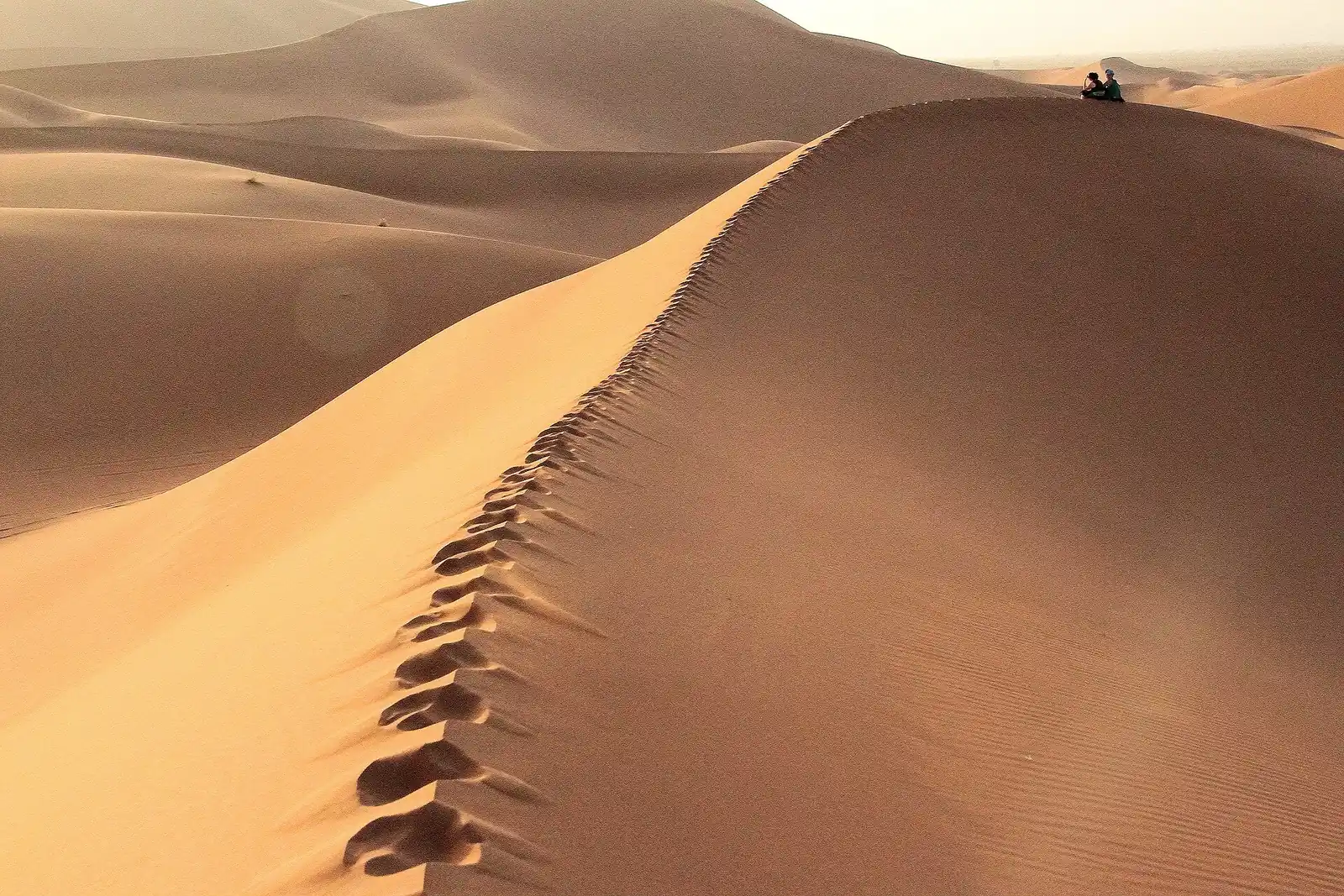 Merzouga or Zagora?Both Merzouga and Zagora offer Saharan dune experiences, camel rides and stargazing camps — but they differ significantly in scale, remoteness and what a visit looks like.Read the comparison
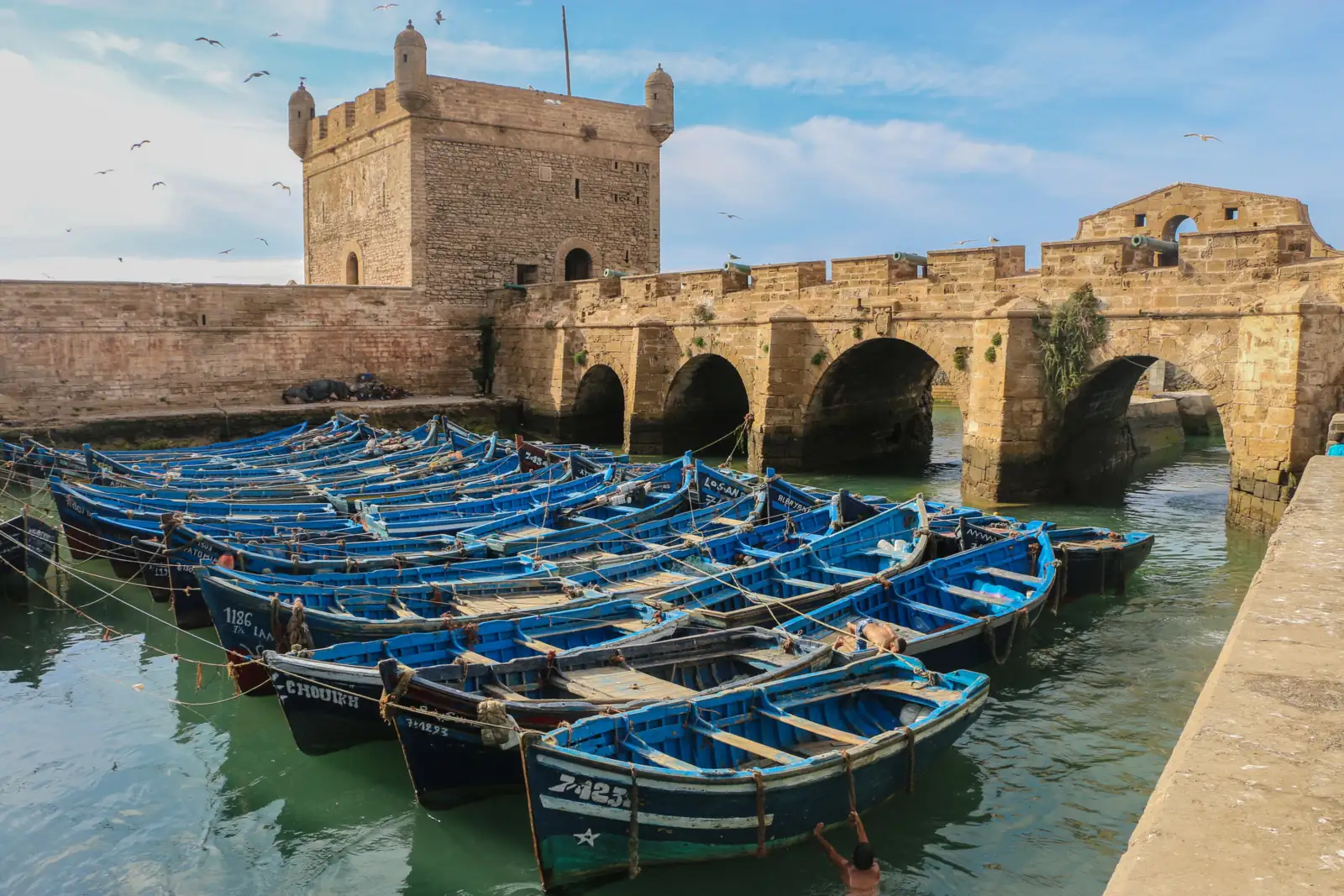 Marrakech or Essaouira?Marrakech and Essaouira are only 2.5 hours apart yet feel like different countries — one a frenetic imperial city, the other a wind-swept Atlantic port with a relaxed Gnawa soul.Read the comparison
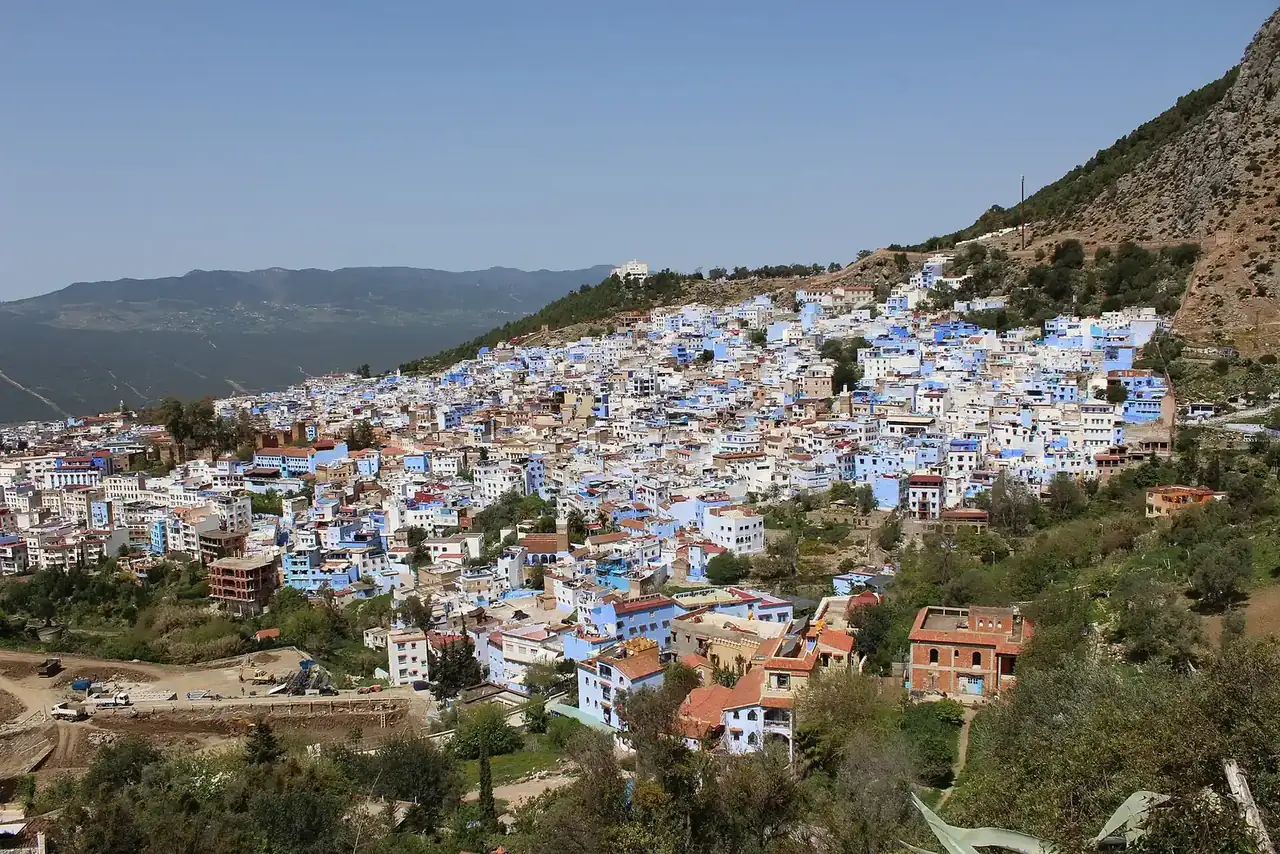 Chefchaouen or Fes?Chefchaouen and Fes are the two most visited cities of northern Morocco — one an intimate Rif mountain village famous for its blue-washed walls, the other a large imperial city with a medieval medina still lived in.Read the comparison
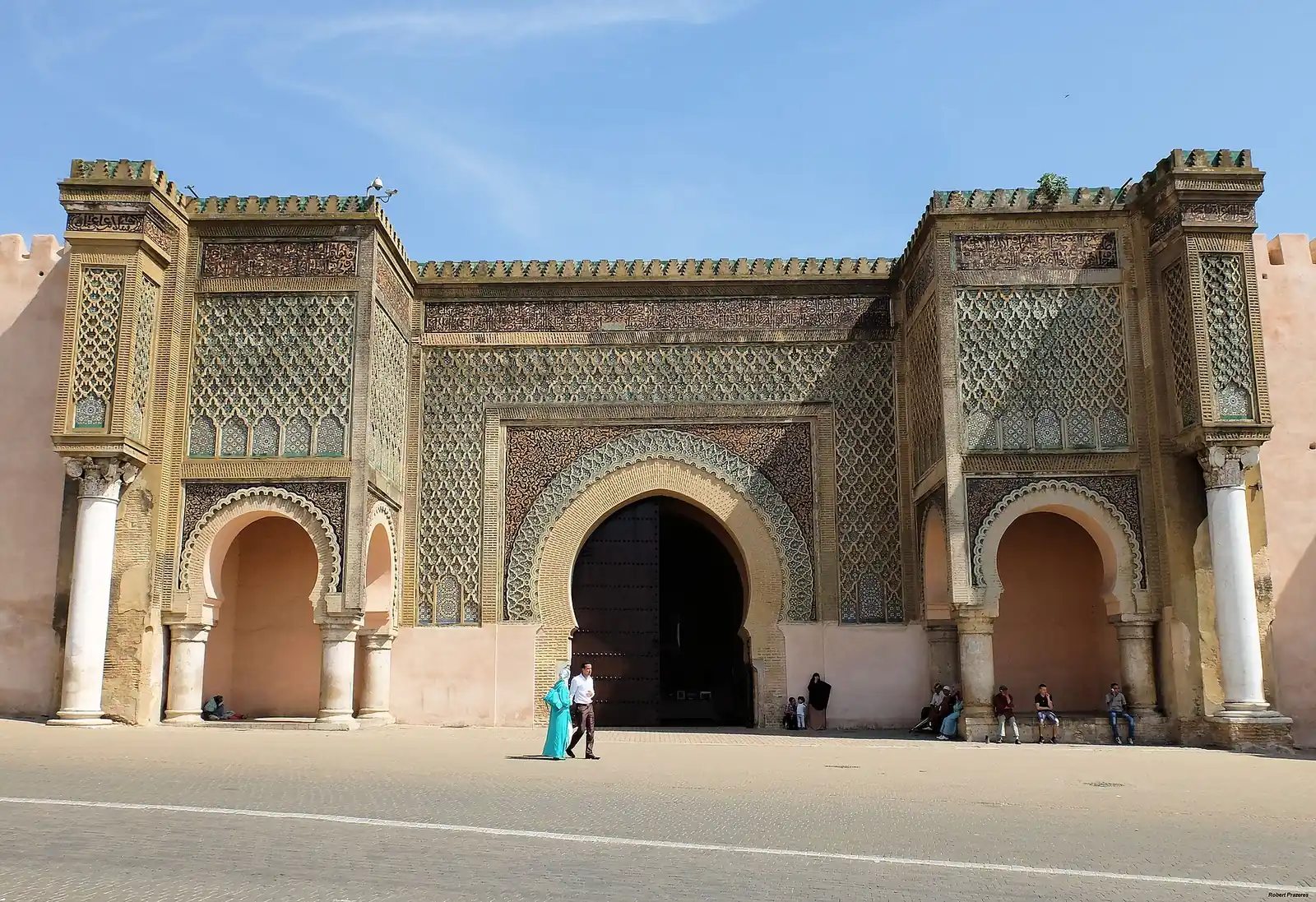 Fes or Meknes?Fes and Meknes are only 60 km apart and both carry UNESCO World Heritage status as imperial capitals — yet Meknes sees a fraction of Fes's visitors and rewards those who stop.Read the comparisonAgadir or Essaouira?Both Agadir and Essaouira sit on Morocco's Atlantic coast — but one is a purpose-built resort city with a 10 km beach and the other is a UNESCO-listed medieval port with an arts scene and steady alizé winds.Read the comparison
The questions people ask us most before they plan a trip.