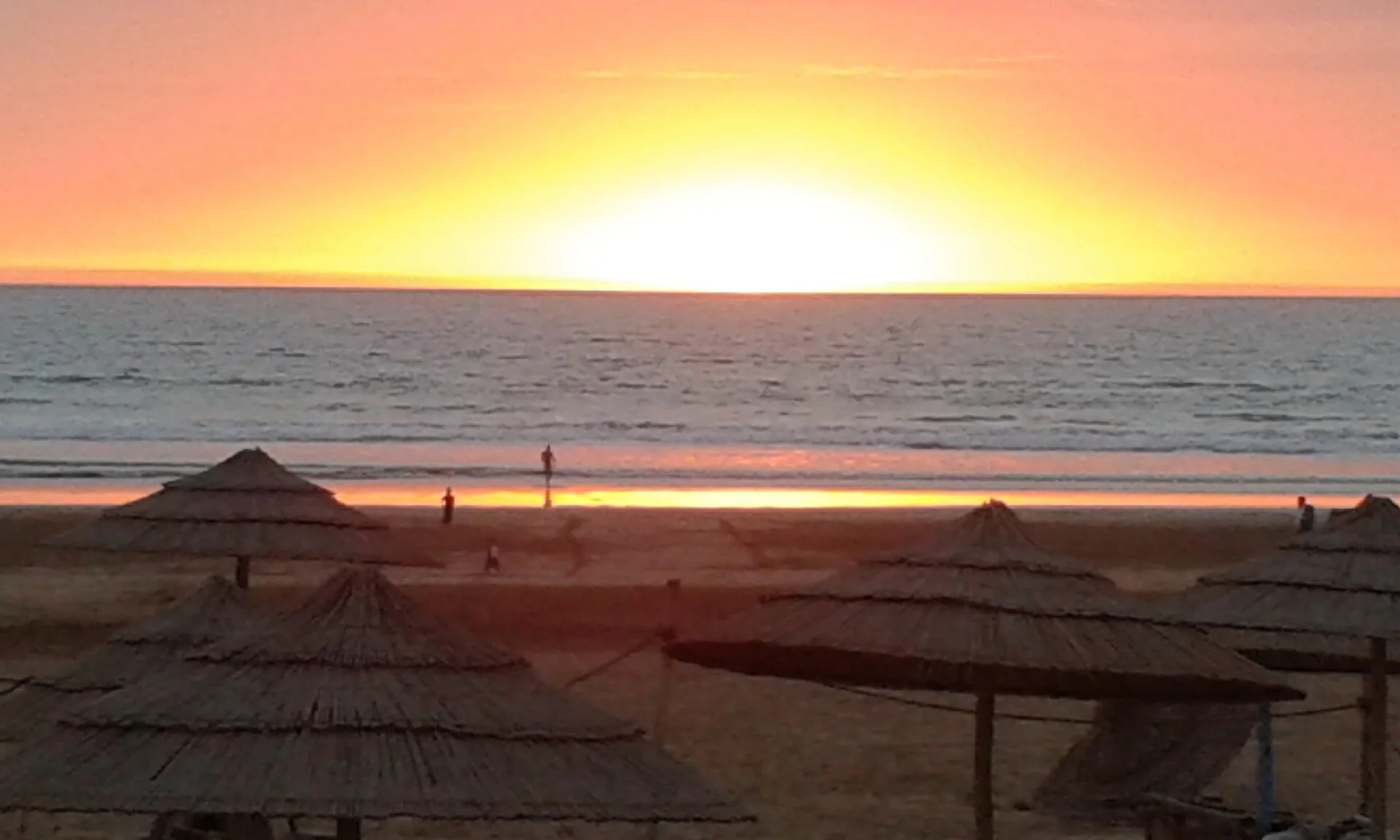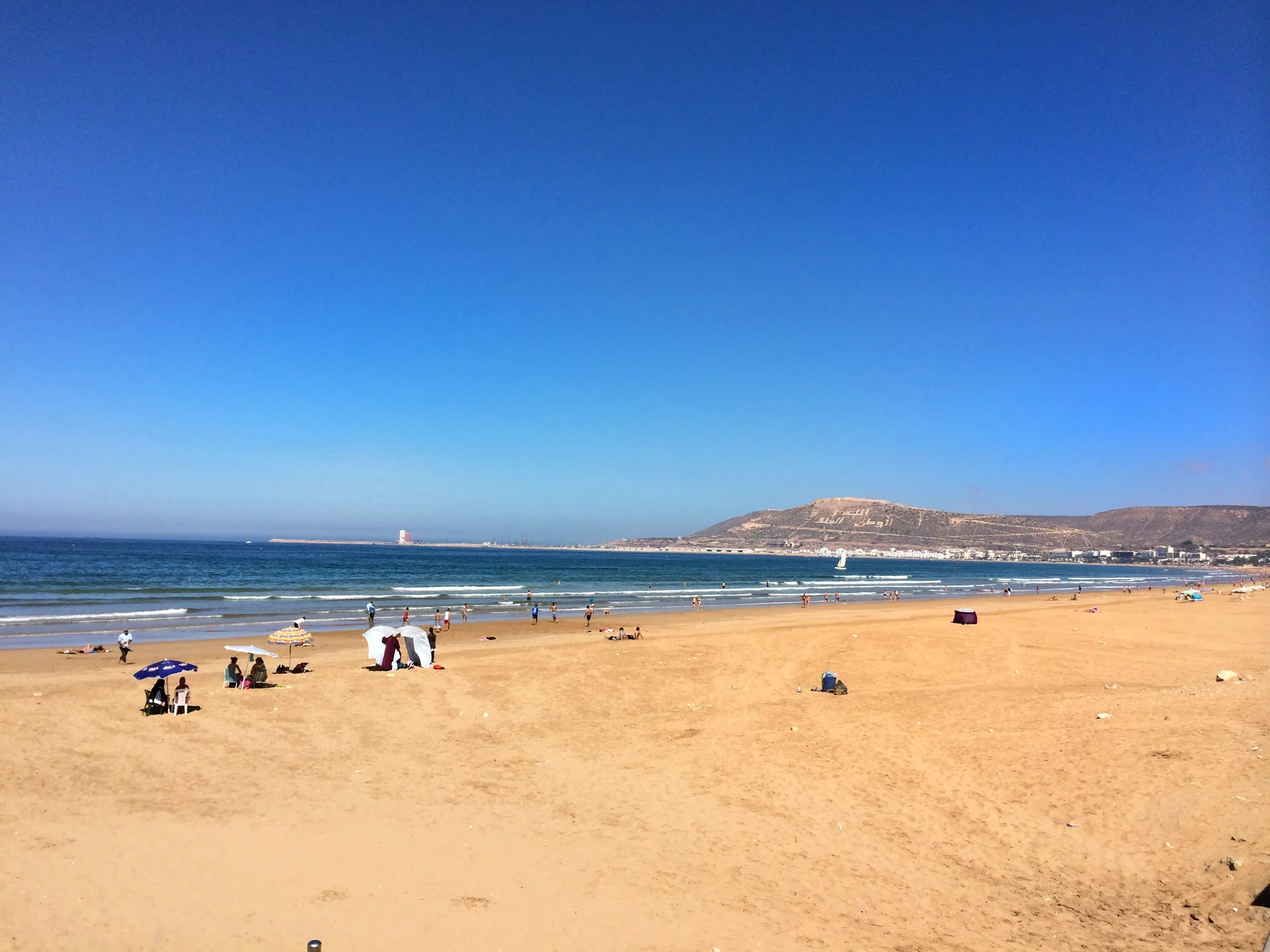
Best for: Sun seekers, families, package-holiday travellers, golfers
Agadir
Morocco's premier beach resort — 300 days of sunshine and a 10 km beach.
Fes, Morocco· Concierge · Mon–Sat · 09:00–18:00 GMT+1
Choose Agadir for reliable sunshine, a long calm beach and resort hotels; it suits families and winter-sun seekers. Choose Essaouira for Moroccan culture on the coast: a UNESCO medina, Gnawa music in the evening, strong kitesurfing wind and fresh seafood. You can combine them with two nights in each, driving up the argan coast between.
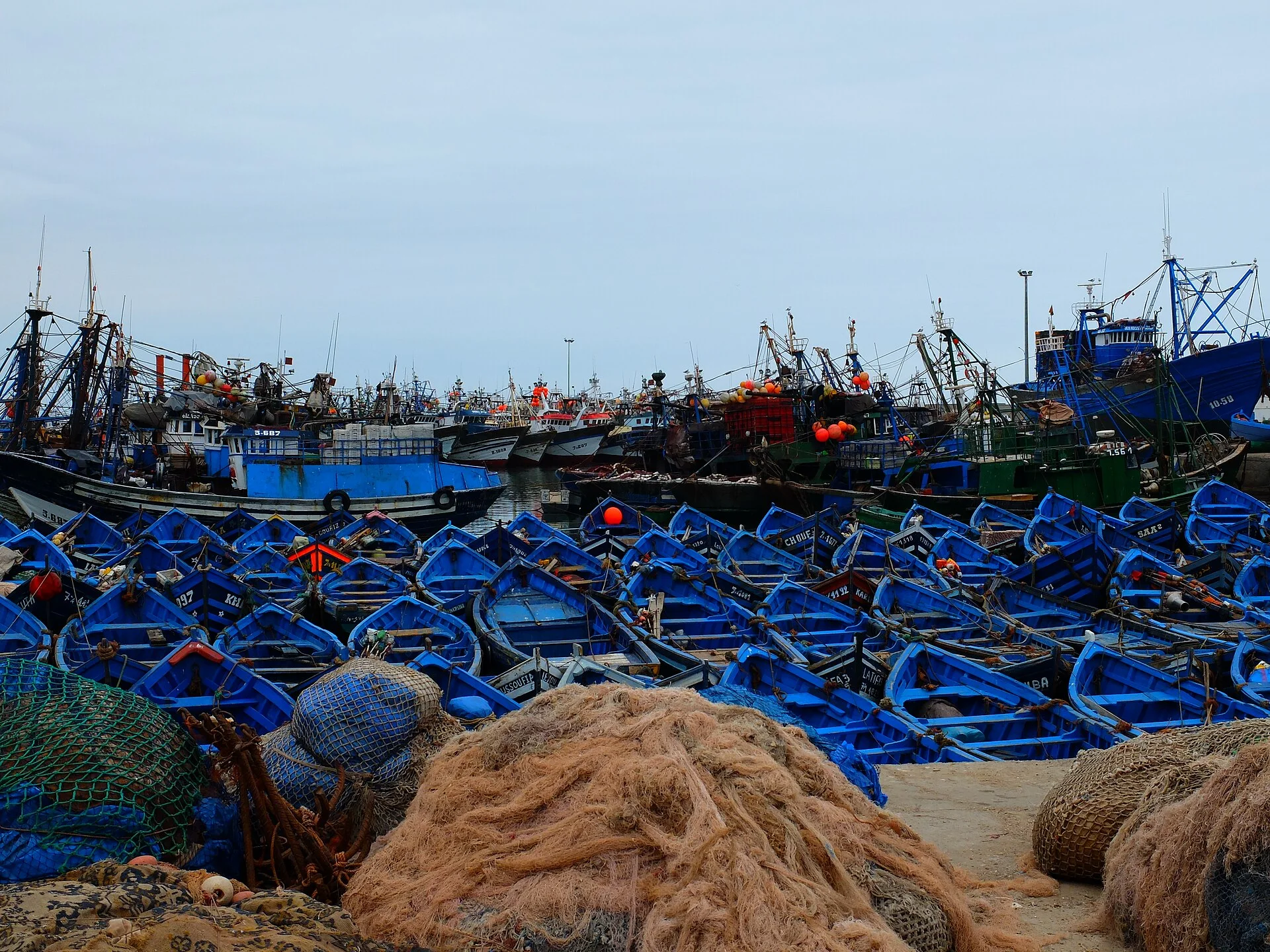
Morocco's Atlantic coast stretches from the Strait of Gibraltar to the Western Sahara, but two cities dominate the conversation for leisure travellers: Agadir and Essaouira, separated by 175 km of argan-forested coast. Agadir is Morocco's answer to the Mediterranean package resort — rebuilt after a 1960 earthquake, it offers 10 km of sheltered beach, sun-bleached promenades, all-inclusive hotels and a reliable 300-day sunshine record. It is deliberately easy: taxis are metered, restaurants are multilingual and the beach is wide enough to absorb tens of thousands of tourists without feeling crowded. Essaouira is the anti-Agadir: a walled 18th-century port where Portuguese fortifications meet Gnawa music, where the alizé trade winds suit kitesurfing but make swimming challenging, and where the fish market spills sardines onto wet cobblestones at dawn.
Best for: Sun seekers, families, package-holiday travellers, golfers
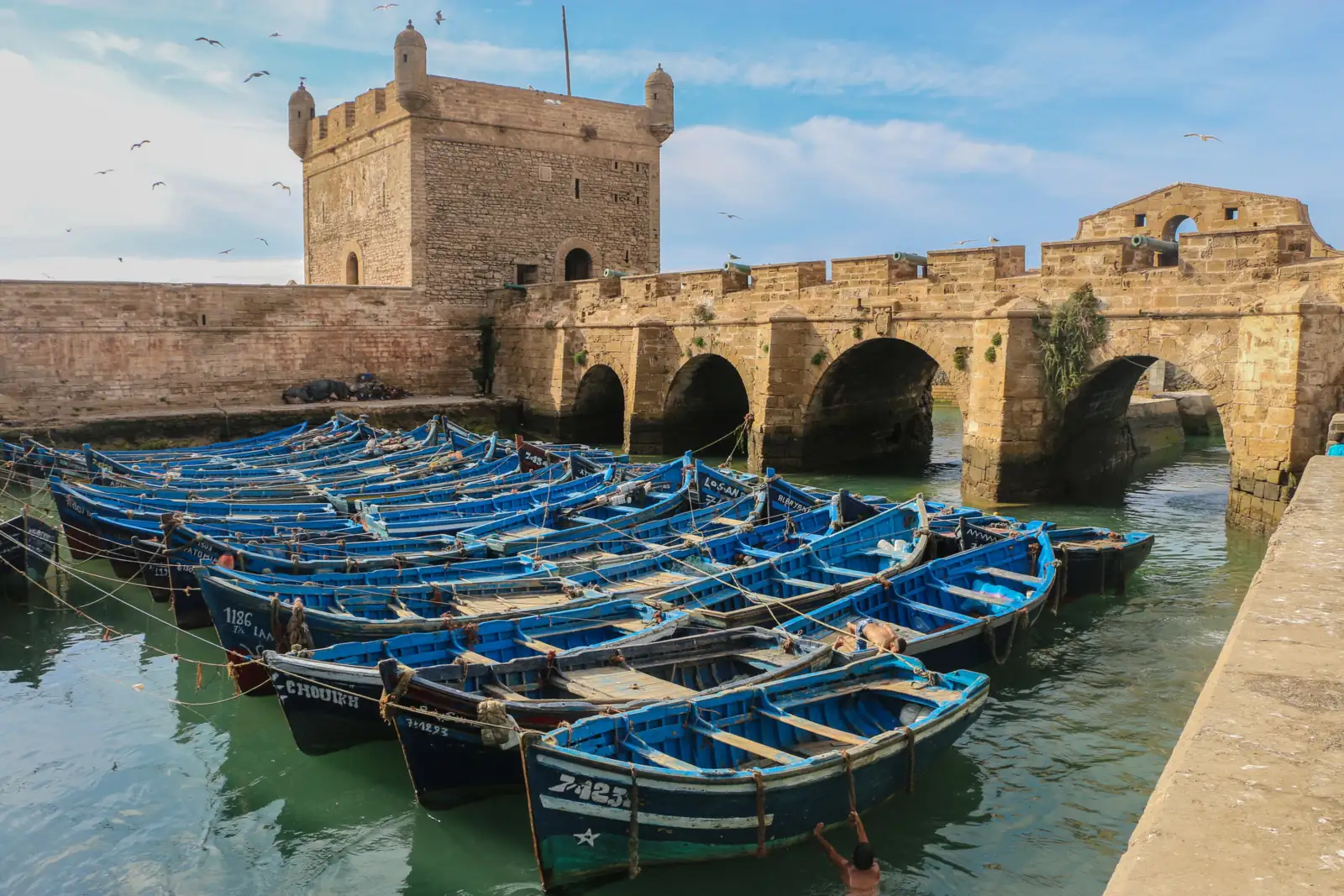
Best for: Surfers, kite surfers, art lovers, slow-travel enthusiasts
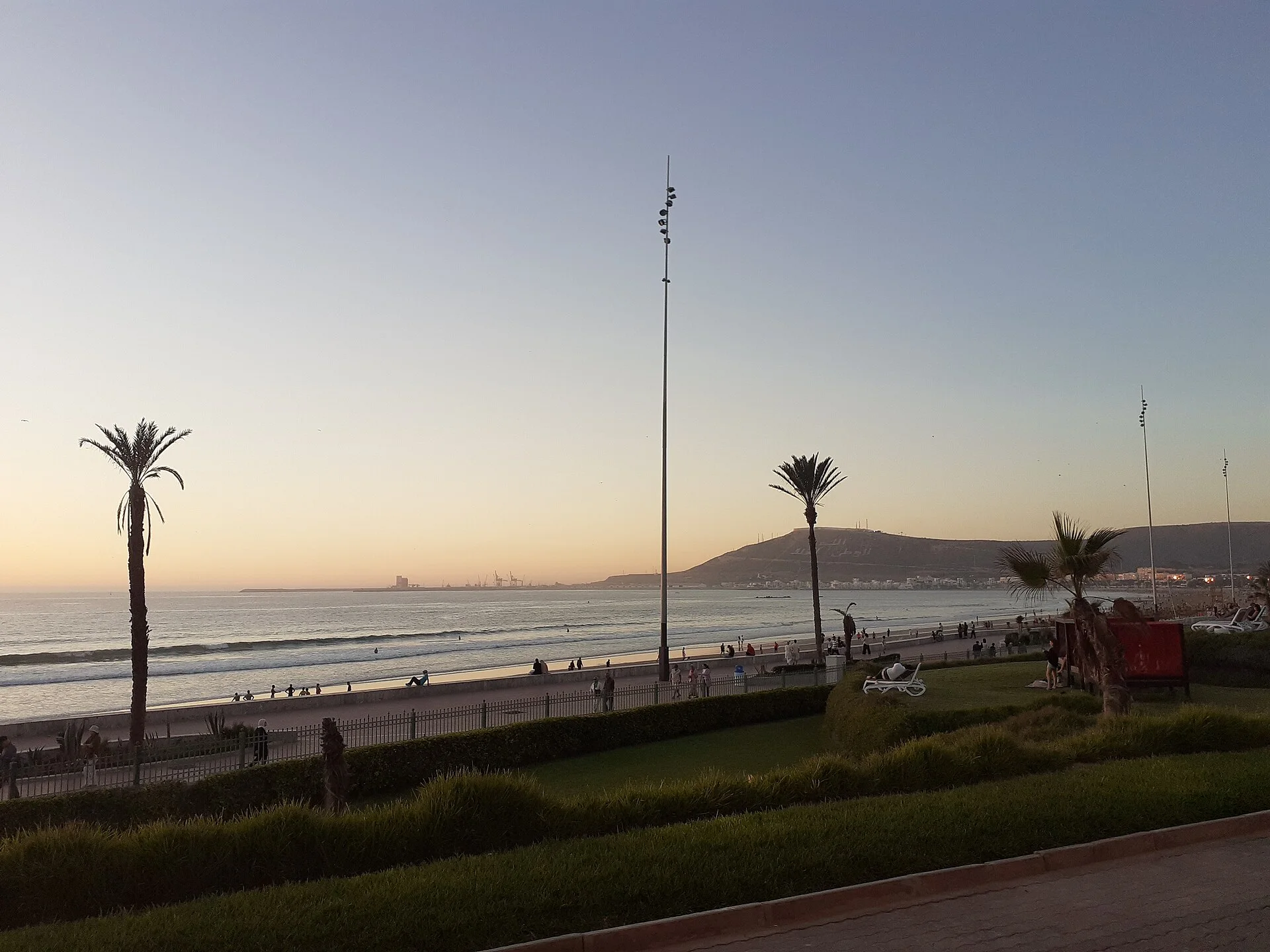
Agadir.
AgadirWhat shapes a trip, with Agadir and Essaouira answered together.
Agadir. 10 km sheltered arc; fine sand; calm swimming; sun-lounger infrastructure
Essaouira. Wild Atlantic beach; persistent trade winds; excellent for kite/windsurfing; rough swimming
Agadir. ~300 sunny days/year; warmest in winter (18–22°C); hot but not extreme in summer
Essaouira. Atlantic breeze keeps summer cool (22–25°C); windier; occasional fog in winter
Agadir. Limited — city was rebuilt post-1960 earthquake; few historic monuments
Essaouira. High — UNESCO-listed 18th-century medina, Gnawa music, Portuguese ramparts
Agadir. Excellent — calm sea, resort facilities, large hotels with pools
Essaouira. Good — but winds deter young swimmers; medina streets can be narrow
Agadir. Some surf at Taghazout beach 20 km north; calm bay not ideal for wind sports
Essaouira. Kite and windsurfing on the alizé winds; Diabat break for surfing; many schools
Agadir. International resort restaurants, Moroccan chains; good fish on the port
Essaouira. Outstanding fresh fish; simple Moroccan restaurants; plenty of cafés
Agadir. Agadir Al Massira Airport (AGA): many direct European charter flights
Essaouira. Essaouira Mogador Airport (ESU): limited direct routes; mostly via Marrakech
Agadir. Taroudant (old walled city, 80 km); Paradise Valley; Taghazout surf beach
Essaouira. Marrakech (2.5 h); Safi; argan cooperative villages en route to Marrakech
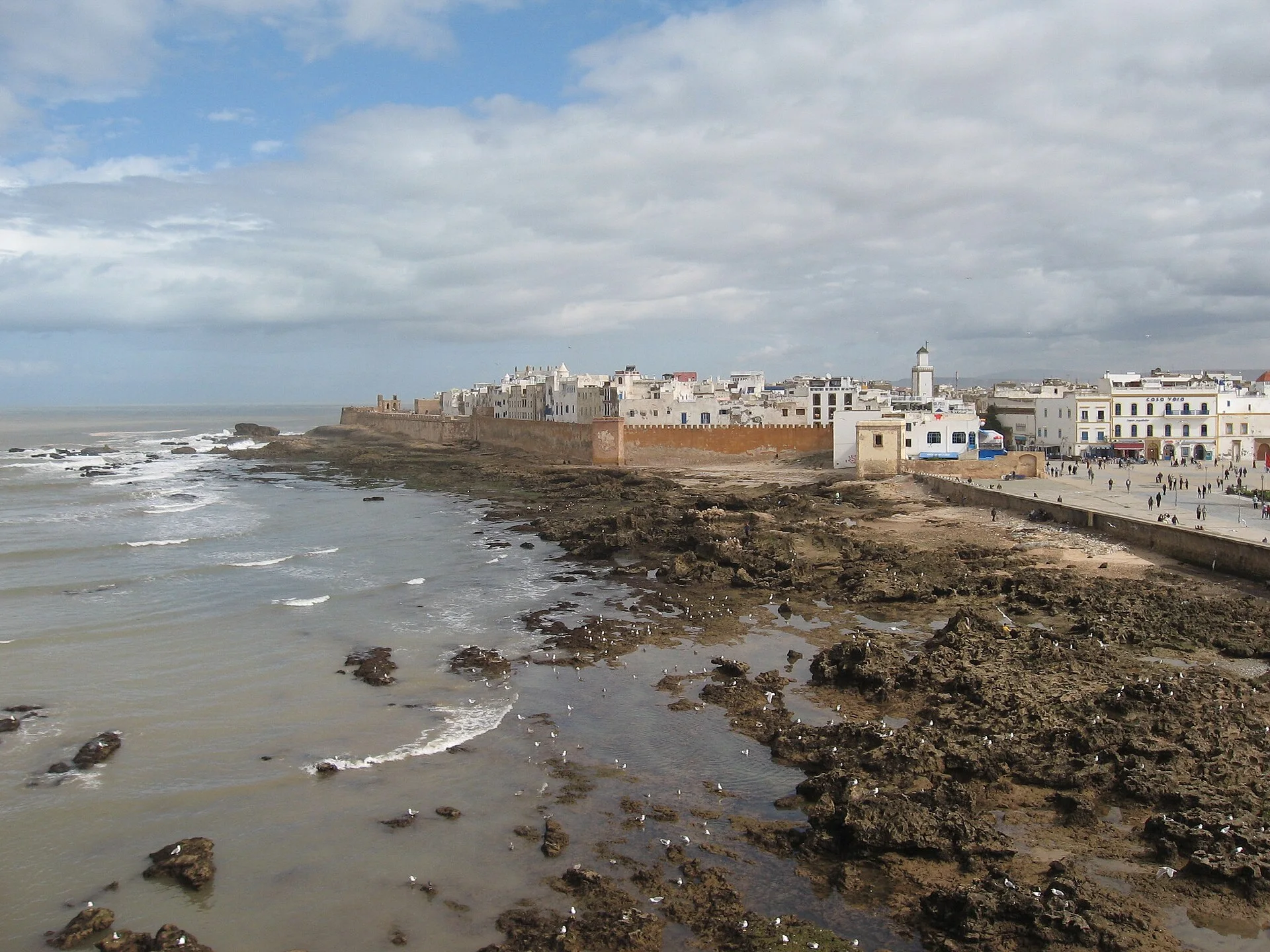
Essaouira.
EssaouiraChoose Agadir if you want reliable sunshine, a long calm beach, resort-standard hotels and easy arrival. It is the right choice for families, first-time Morocco visitors who want a gentle introduction, and winter-sun seekers. Choose Essaouira if you want genuine Moroccan cultural texture alongside the coast — a UNESCO medina, Gnawa music in the evening, steady kite conditions and fresh seafood off the boats. Both cities can be combined: fly into Agadir, spend two nights, then drive up the argan coast to Essaouira for two nights before flying home from Essaouira or continuing to Marrakech.
More side-by-side comparisons, written from Fes.
Marrakech or Essaouira?Marrakech and Essaouira are only 2.5 hours apart yet feel like different countries — one a frenetic imperial city, the other a wind-swept Atlantic port with a relaxed Gnawa soul.Read the comparisonMarrakech or Agadir?Marrakech is Morocco's most iconic imperial city; Agadir is its most popular beach resort.Read the comparison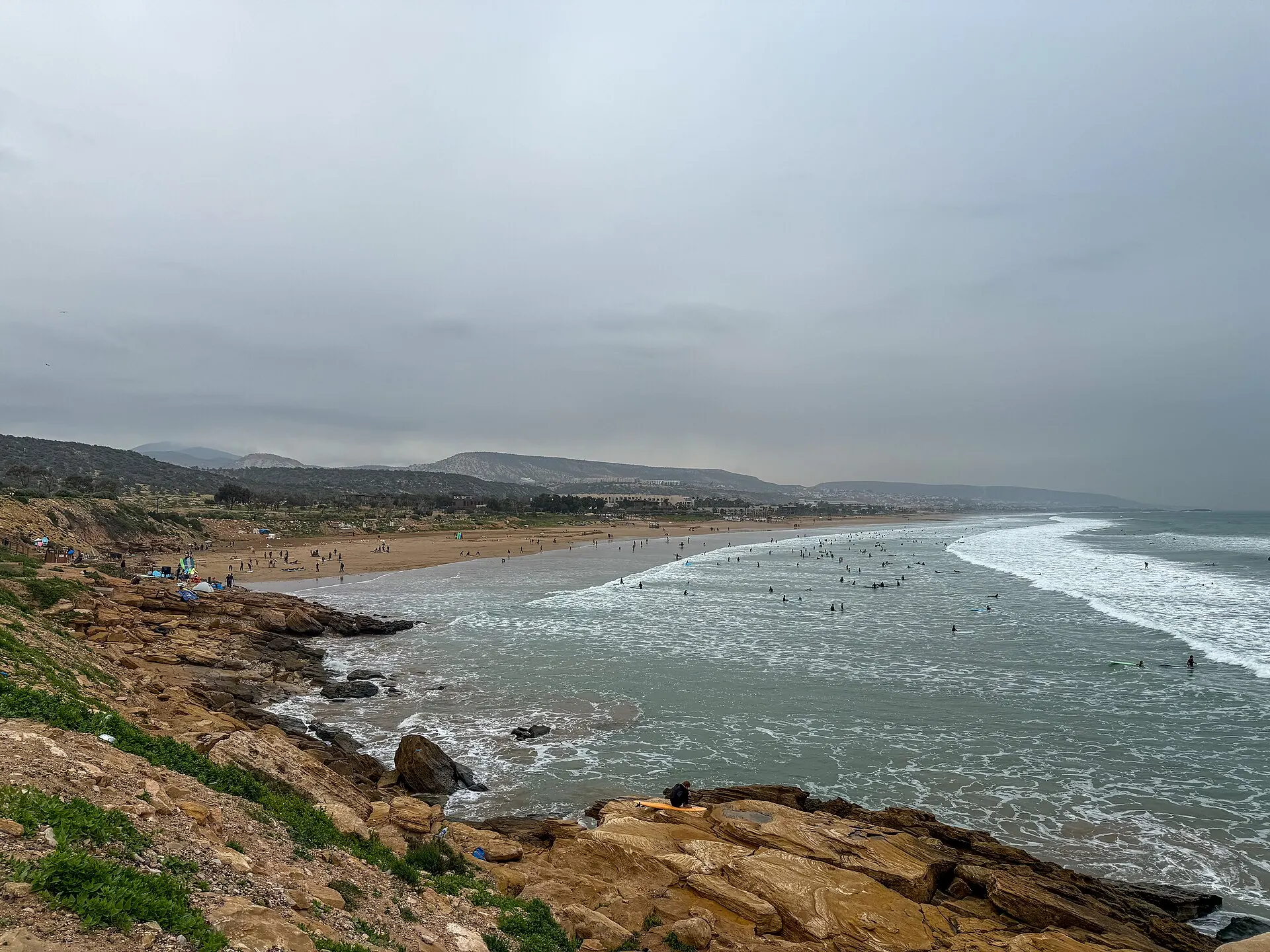 Essaouira or Taghazout?Essaouira and Taghazout are Morocco's two most celebrated surf and Atlantic coast destinations — one a UNESCO-listed walled city with a rich Gnawa heritage, the other a small village beloved by surfers and digital nomads.Read the comparison
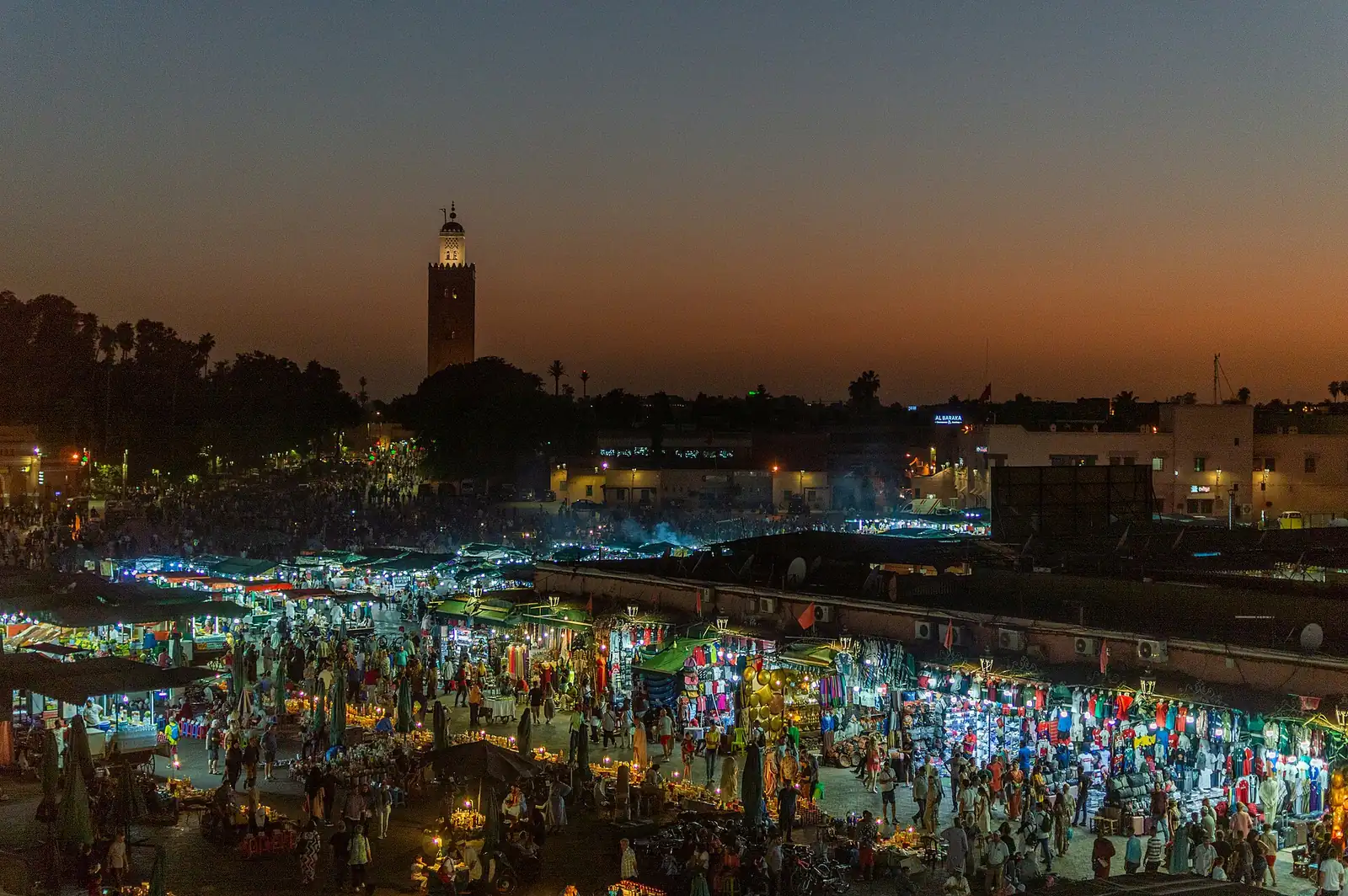 Marrakech or Fes?Both are UNESCO-listed imperial cities brimming with medinas, souks and centuries of Moroccan history — but they attract very different travellers.Read the comparison
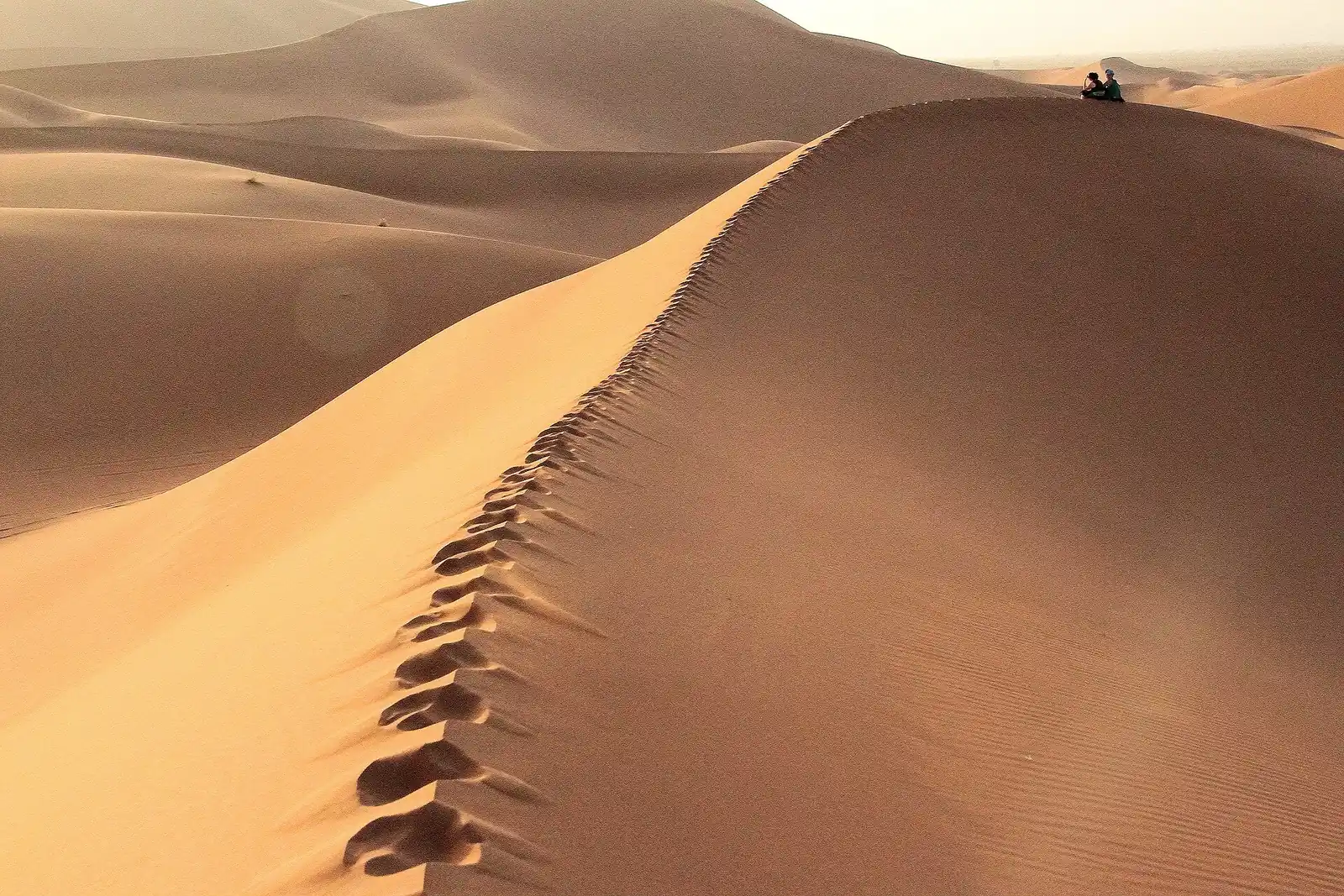 Merzouga or Zagora?Both Merzouga and Zagora offer Saharan dune experiences, camel rides and stargazing camps — but they differ significantly in scale, remoteness and what a visit looks like.Read the comparison
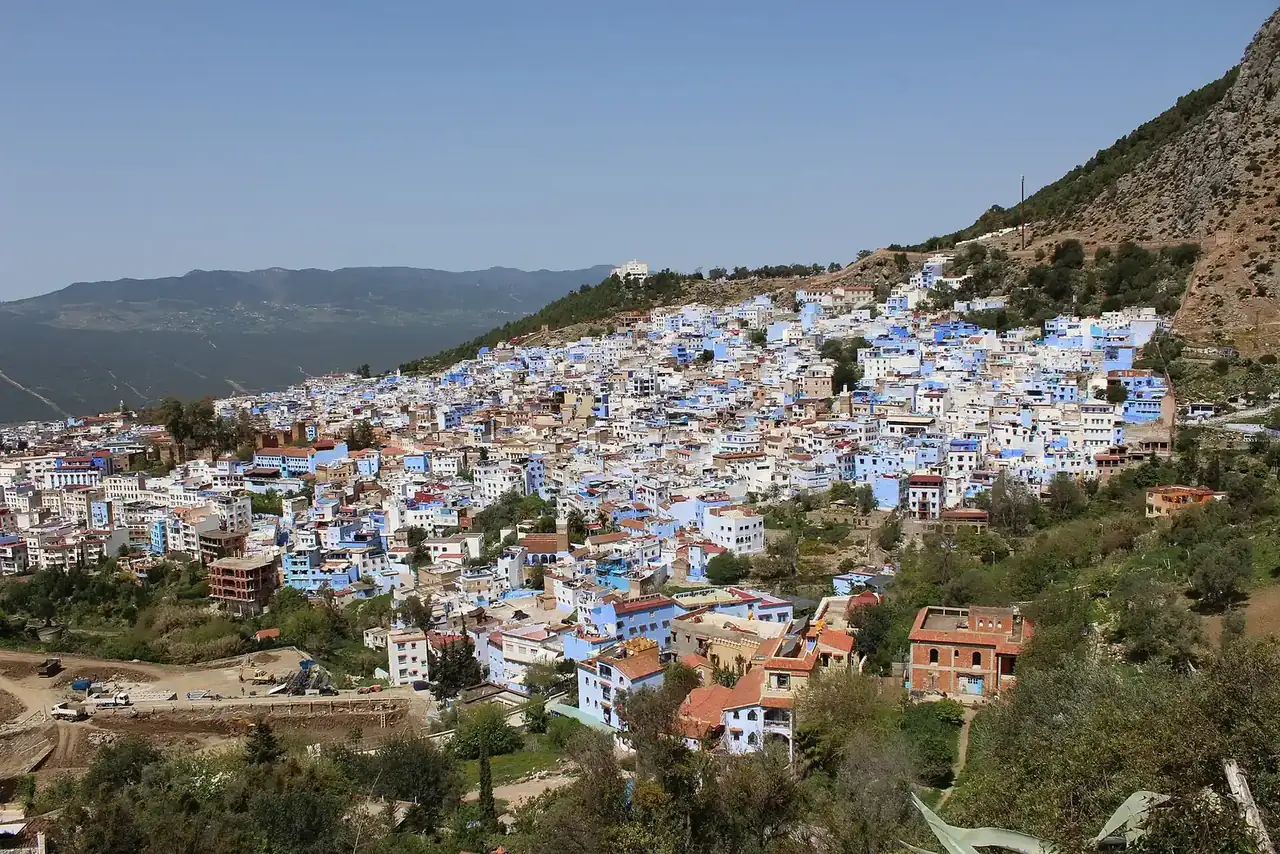 Chefchaouen or Fes?Chefchaouen and Fes are the two most visited cities of northern Morocco — one an intimate Rif mountain village famous for its blue-washed walls, the other a large imperial city with a medieval medina still lived in.Read the comparison
The questions people ask us most before they plan a trip.