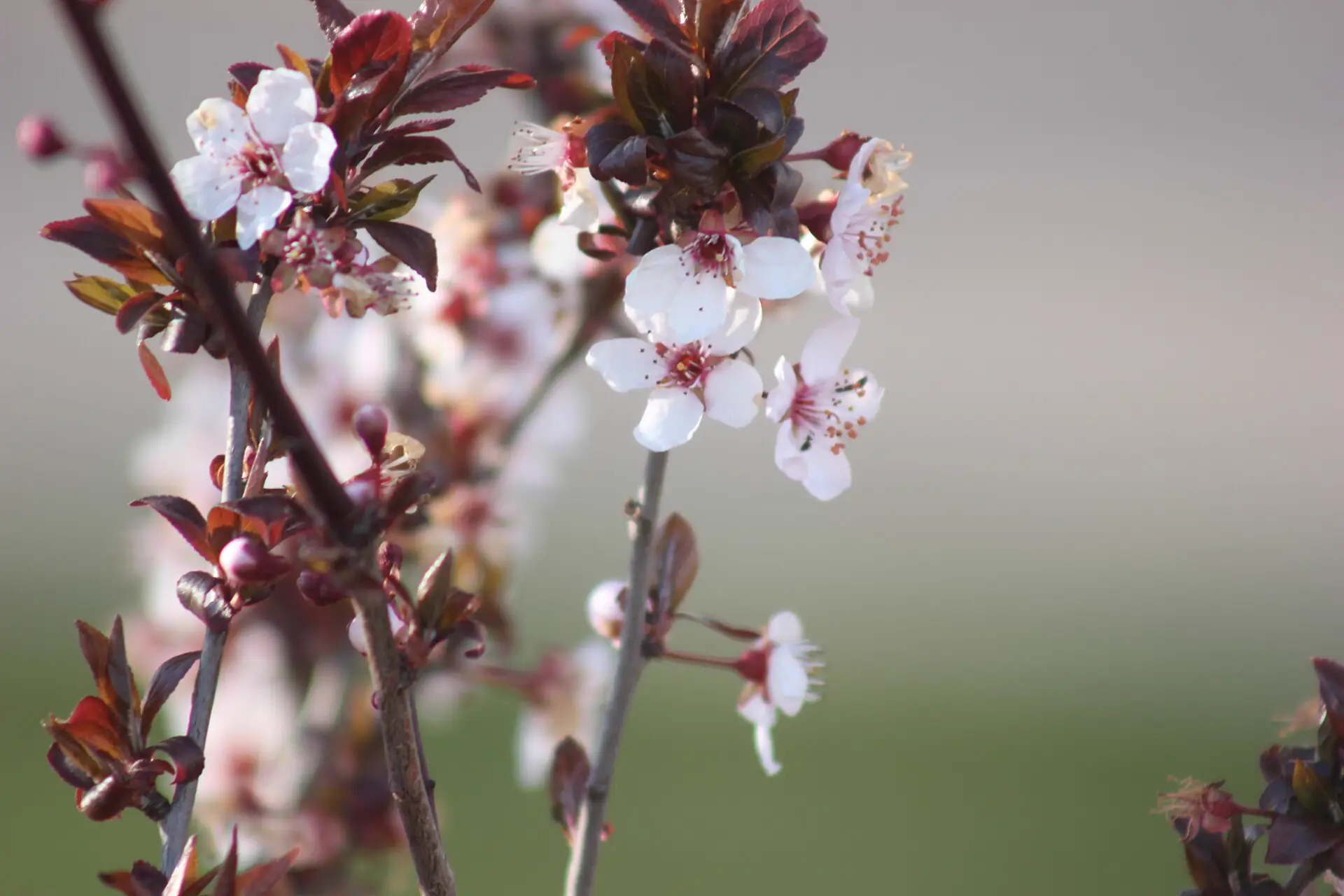
March to May · 18–28°C
Spring, the best all-round season
Wildflowers and blossom in the Atlas, warm days on the Marrakech rooftops, gentle desert nights. It is also the busiest window, so plan well ahead.
Fes, Morocco· Concierge · Mon–Sat · 09:00–18:00 GMT+1
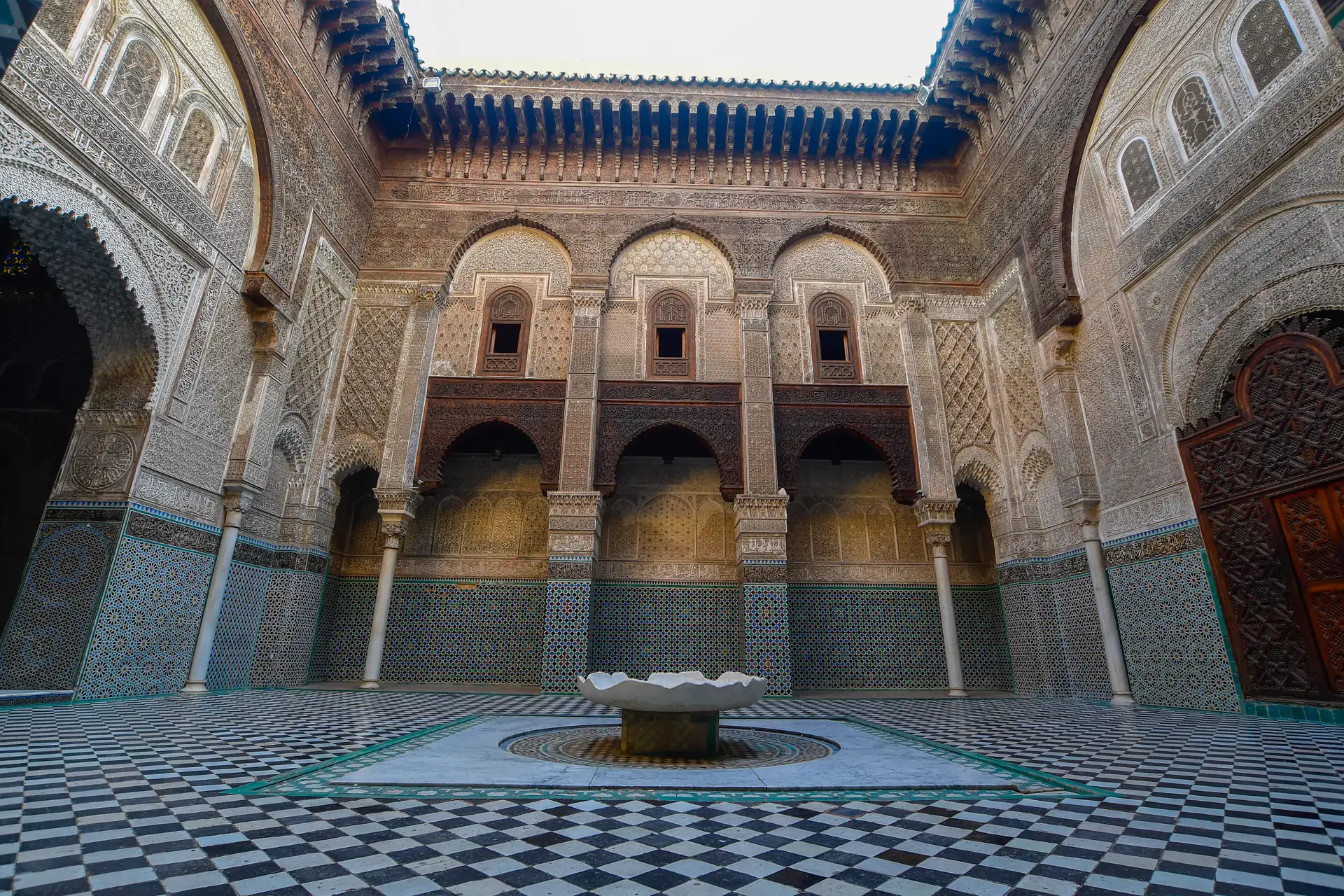
Al-Attarine Madrasa, Fes · Photo: Houssain tork, CC BY-SA 4.0
This is the briefing our team sends first-time visitors before they arrive: the best season to go, the regions, real daily costs, what to wear, tap water and food, tipping, bargaining in the souks and SIM cards.
The basics to know before you land, including the clock change at Ramadan.
On this page: when to go, where to go, what shapes the cost and practical tips.
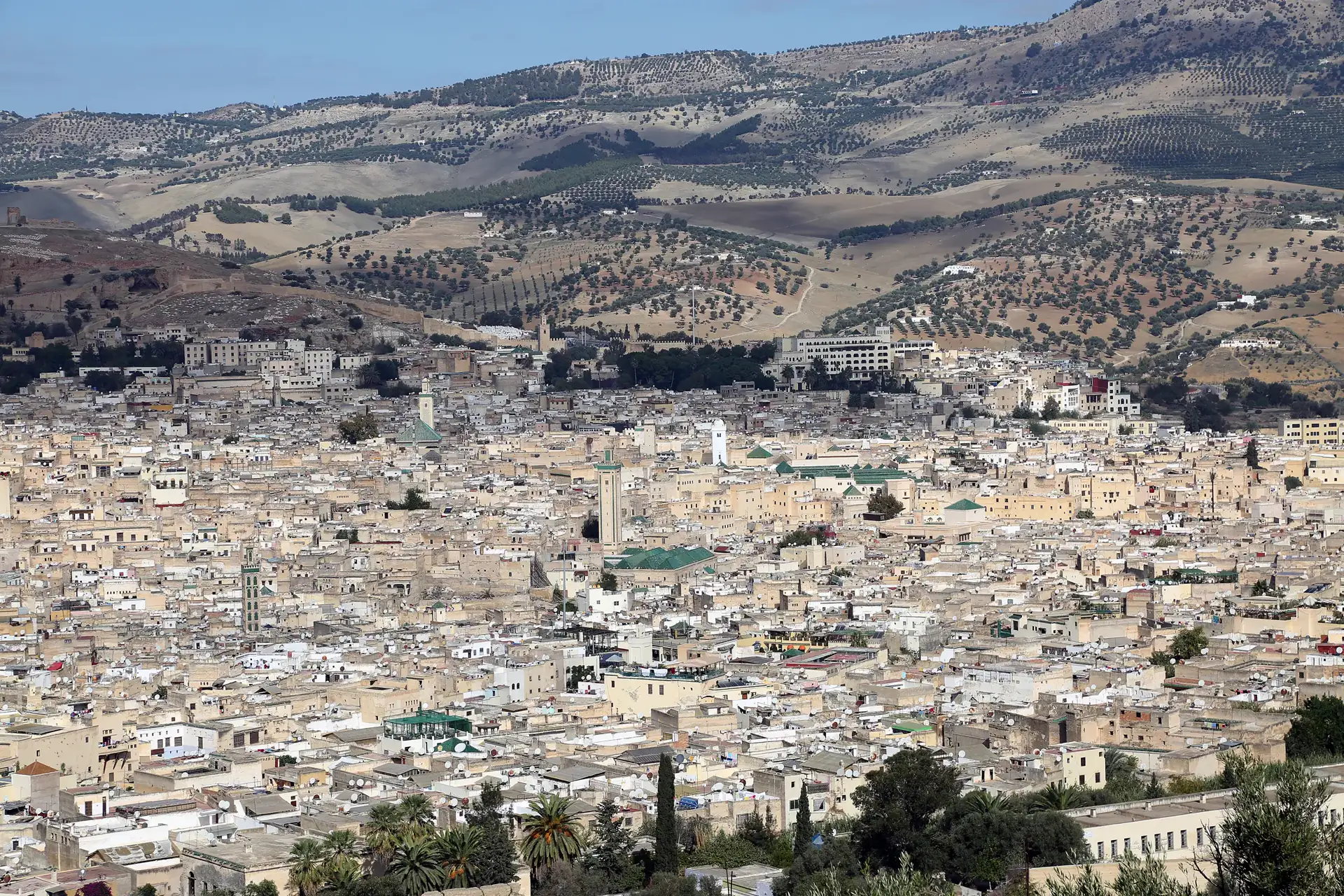
Fes, where many of our trips begin.
Fes el BaliWe run trips all year, but the country changes a lot with the season. This is what we'd honestly recommend.
March to May · 18–28°C
September to November · 20–30°C
December to February · 8–20°C
June to August · 25–42°C
Don't try to see all of Morocco in one trip. Pick two or three, link them with a private driver and travel slowly. Each opens its own region guide.
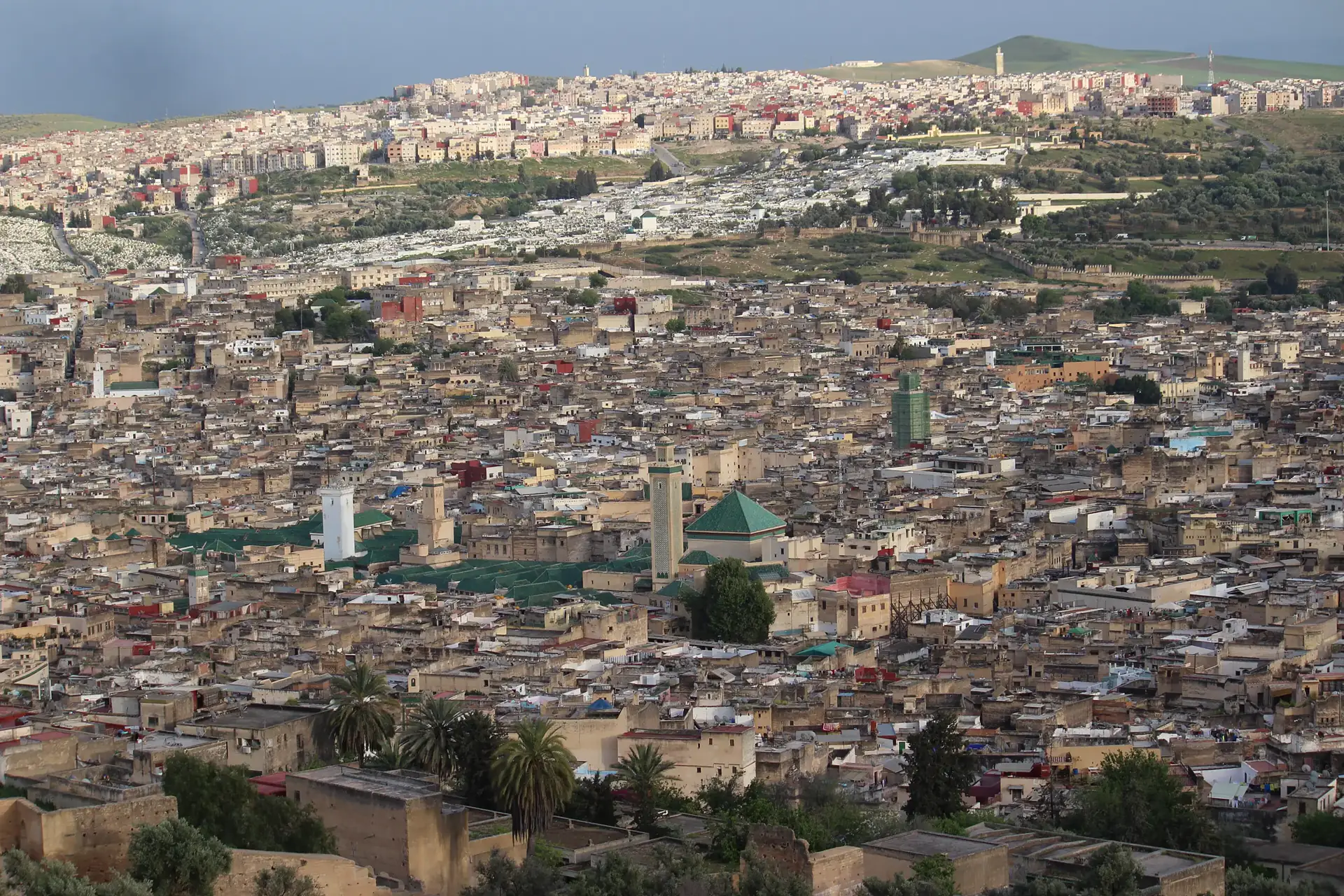 Fes and the imperial citiesA walled medina founded in the 9th century, its tanneries, medersas and working craft quarters.Read the region guide
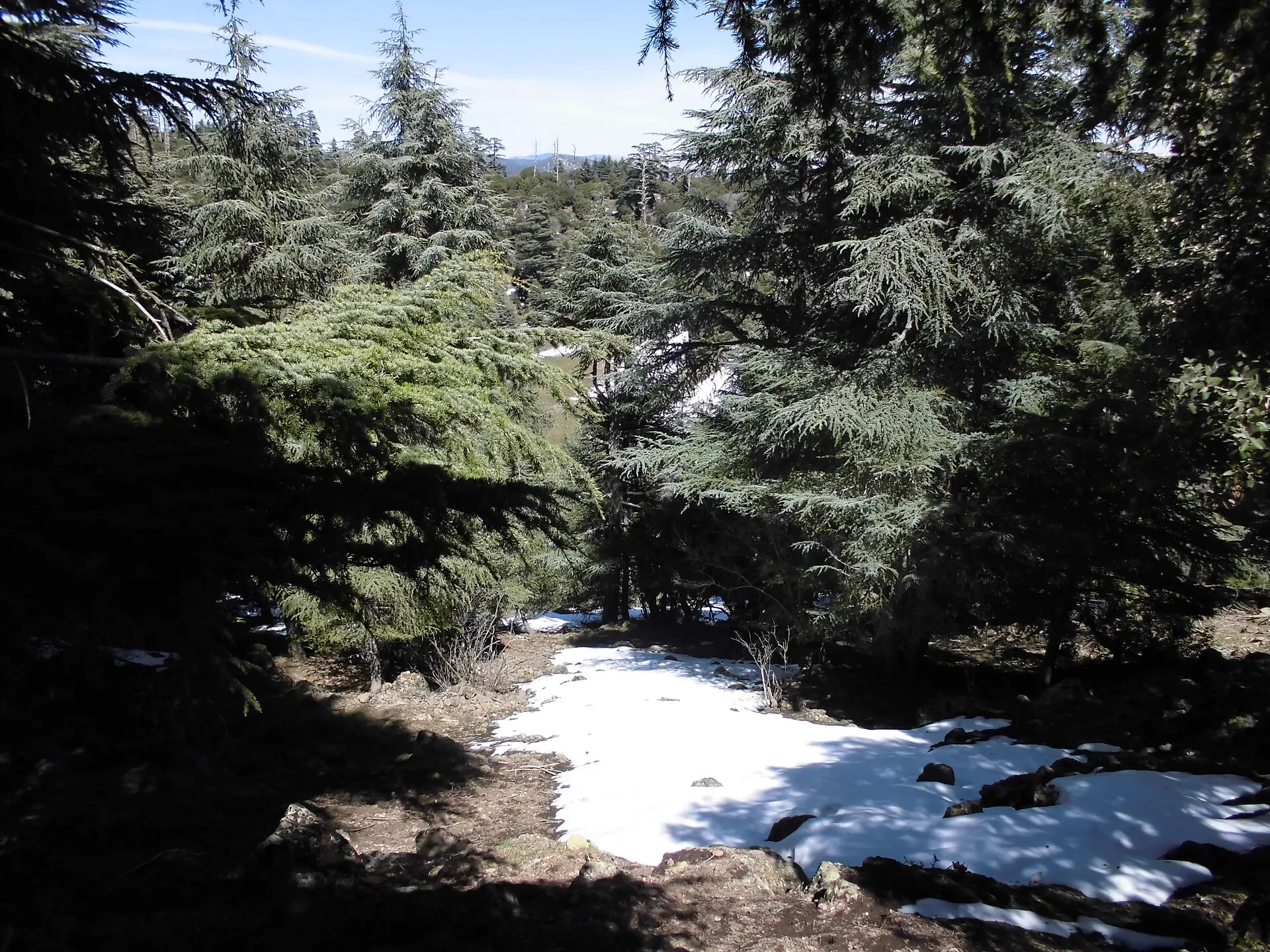
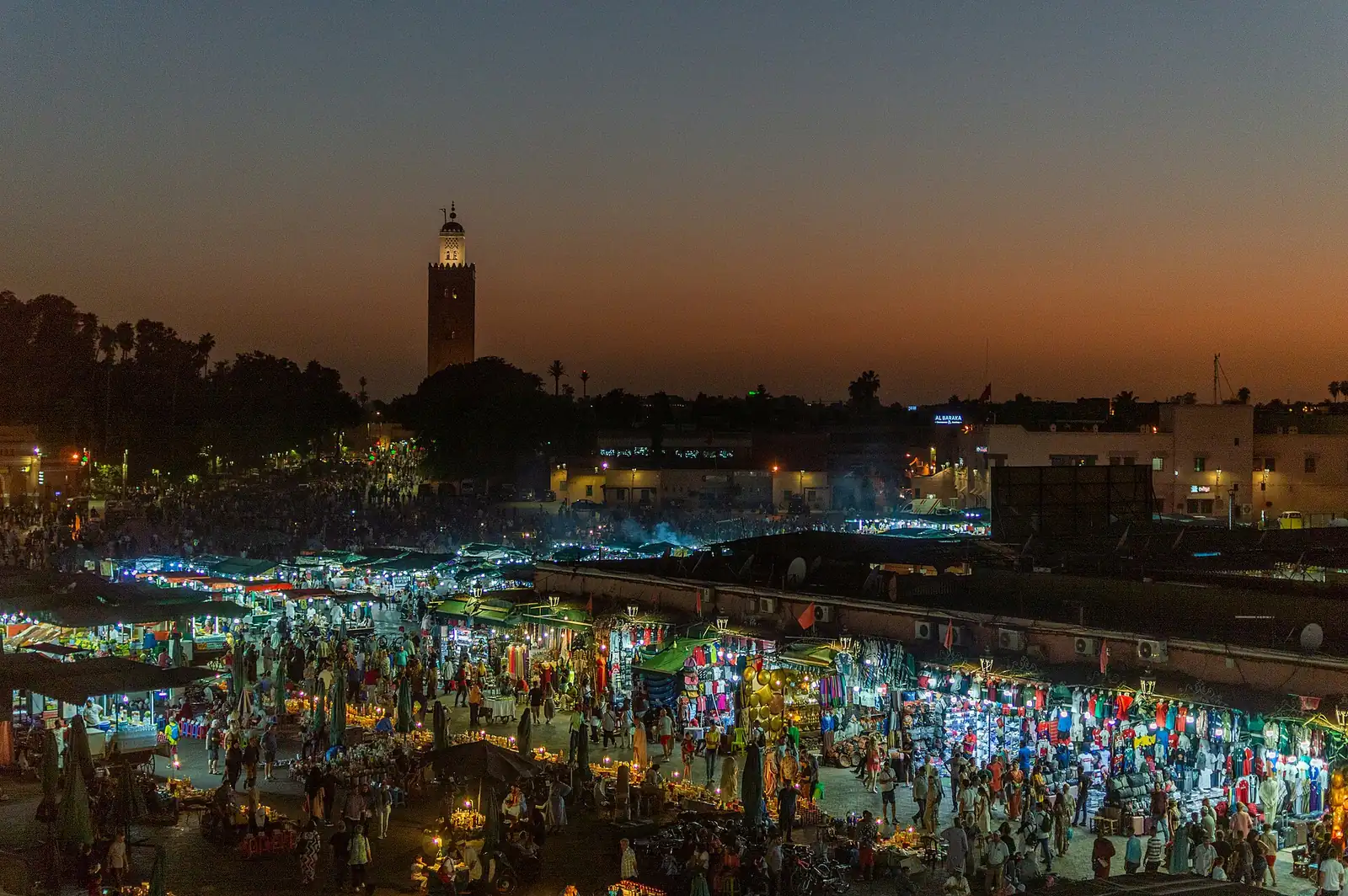 Marrakech and the High AtlasThe Red City's medina and gardens, Berber villages and the high peaks behind.Read the region guide
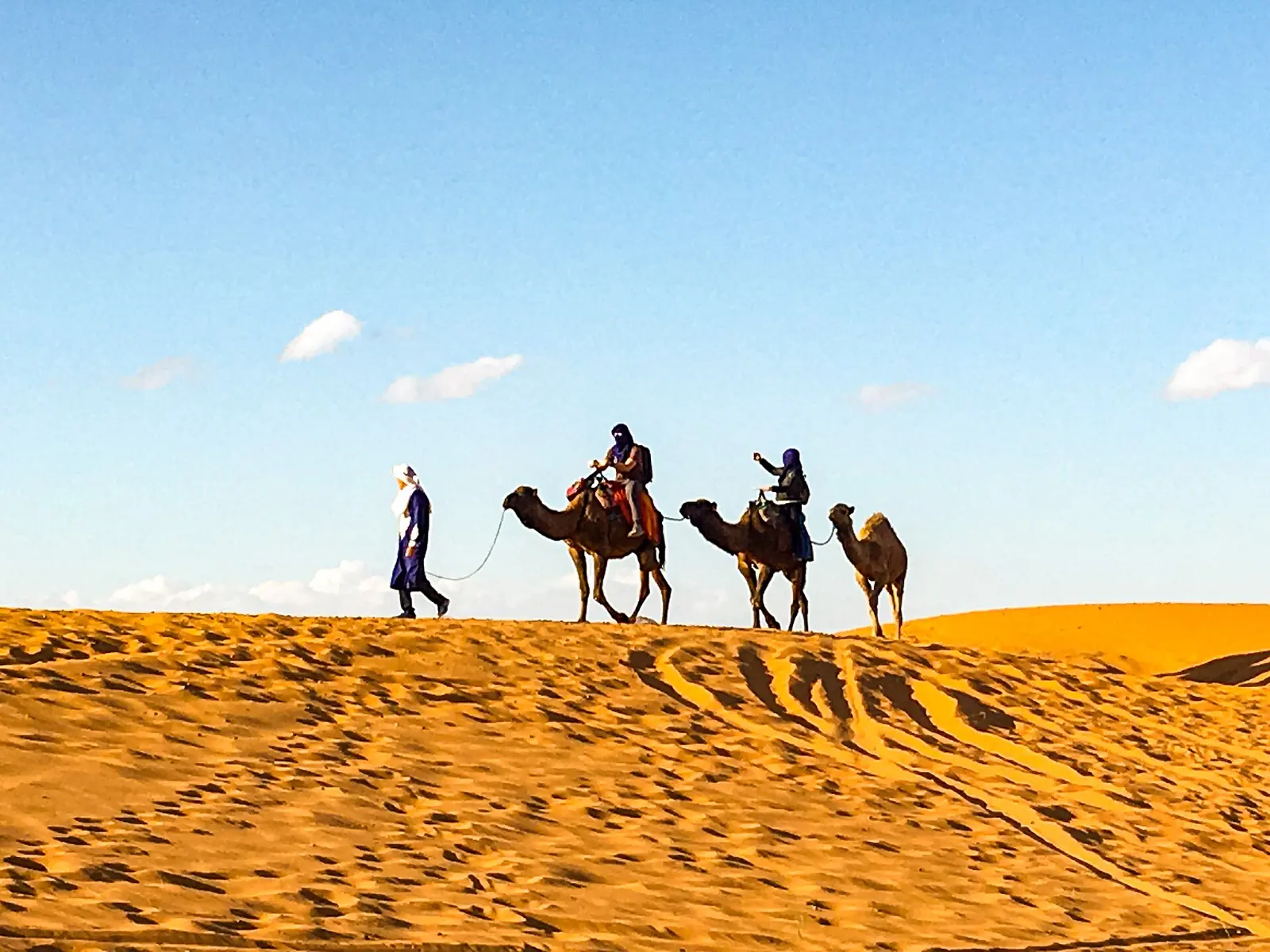
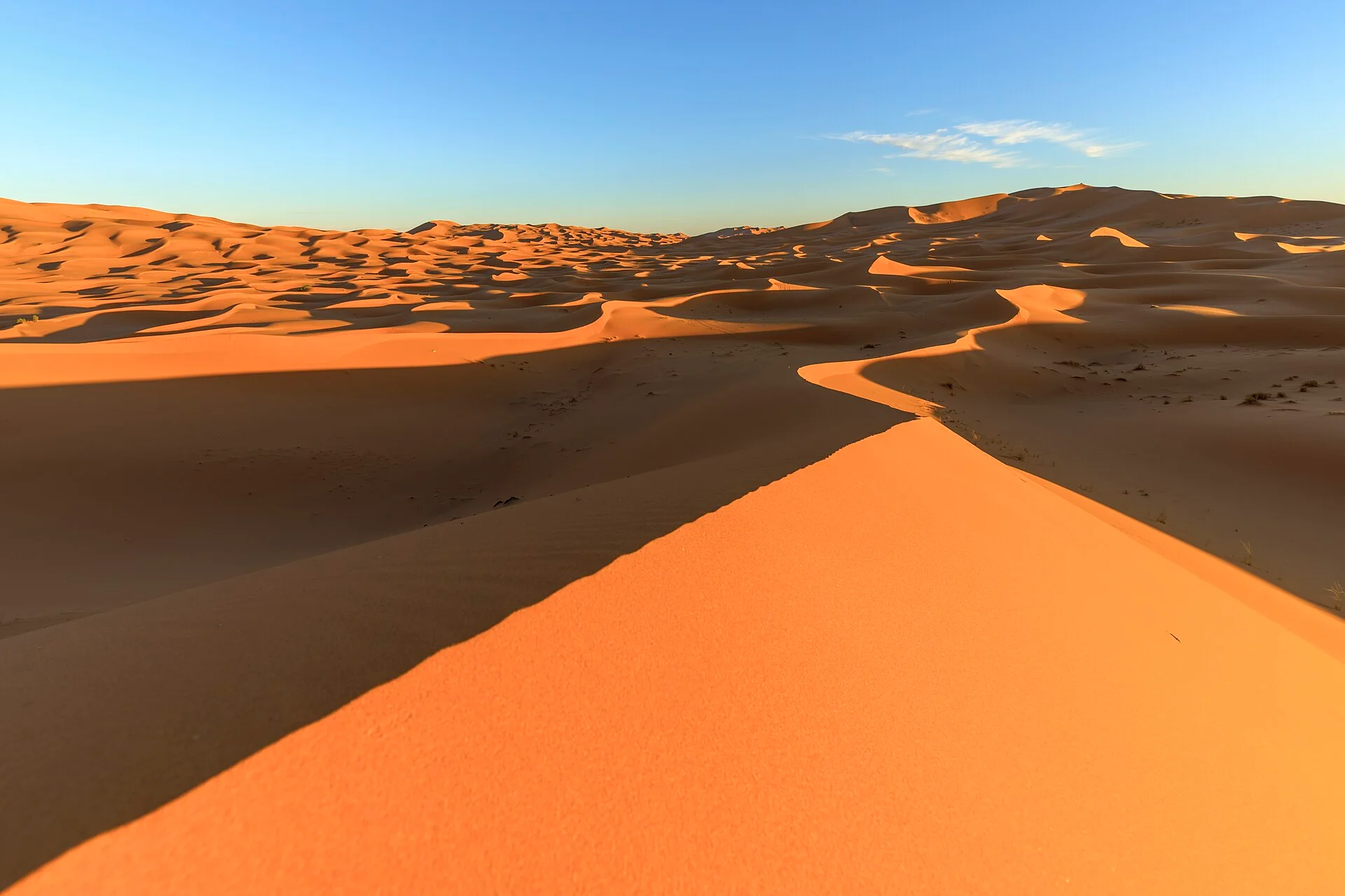 The Sahara at MerzougaThe orange dunes of Erg Chebbi, a night in a desert camp, camels at sunrise.Read the region guide
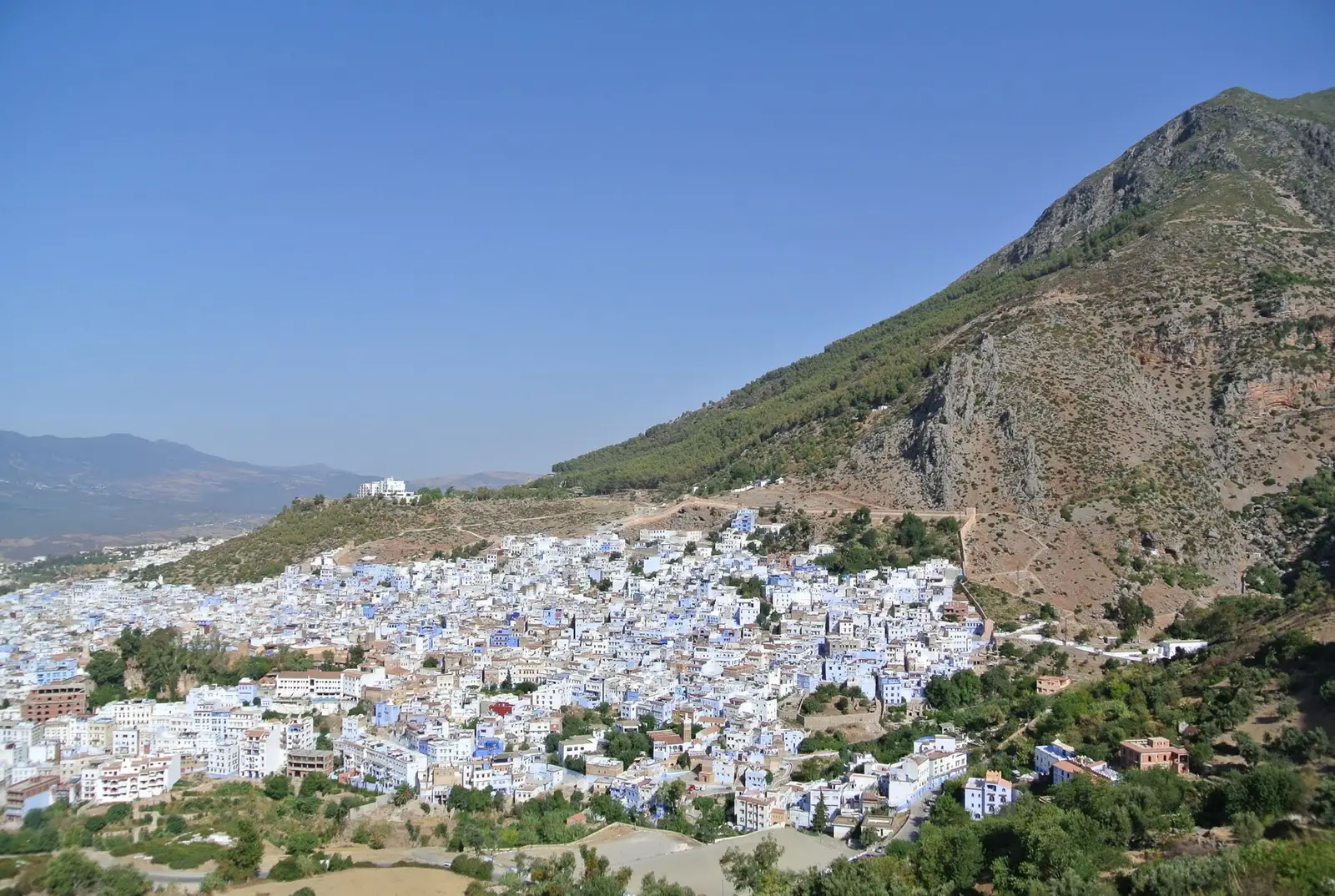 ChefchaouenThe blue medina in the Rif mountains, an easy add-on to Fes or Tangier.Read the region guide
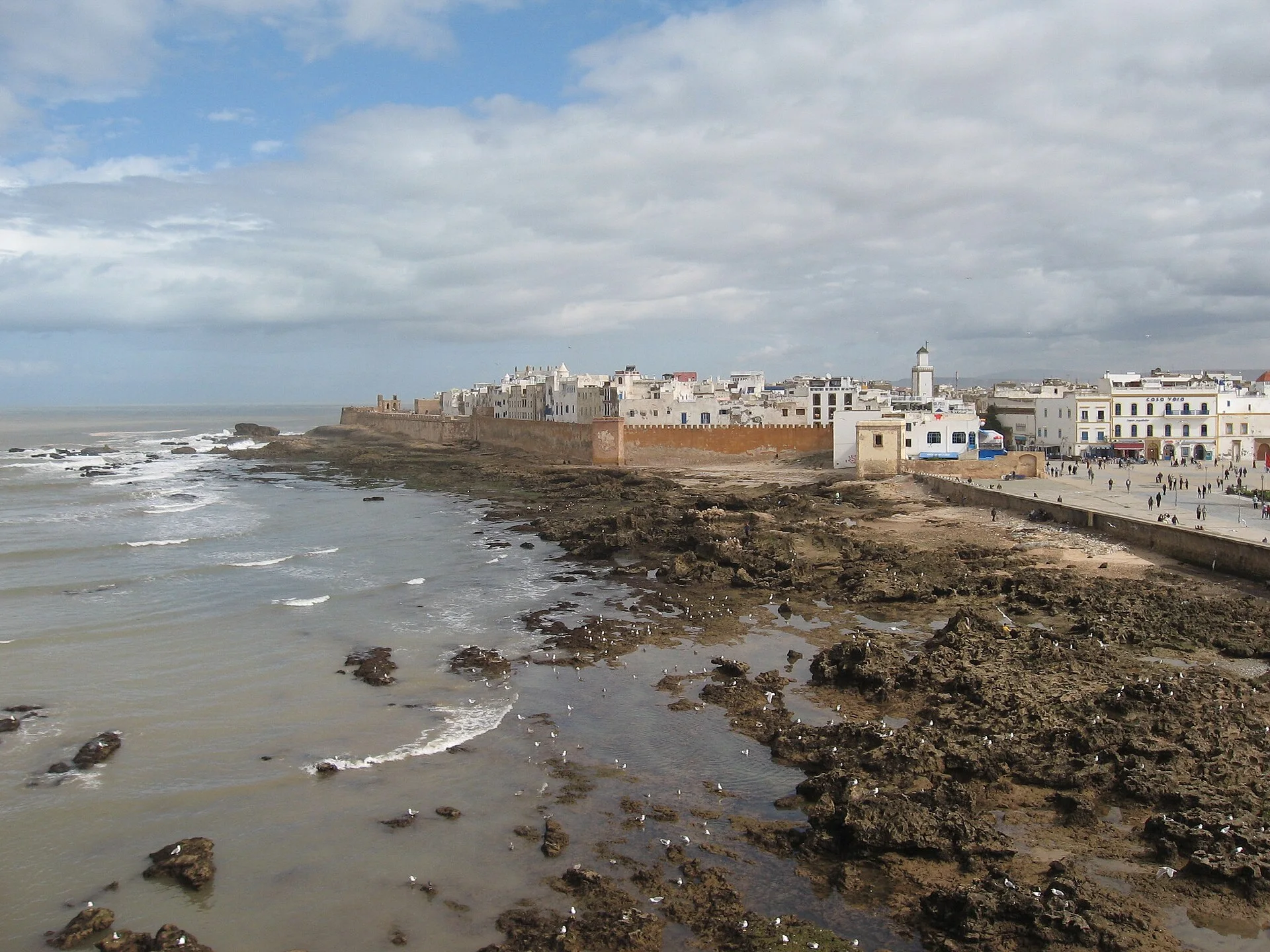
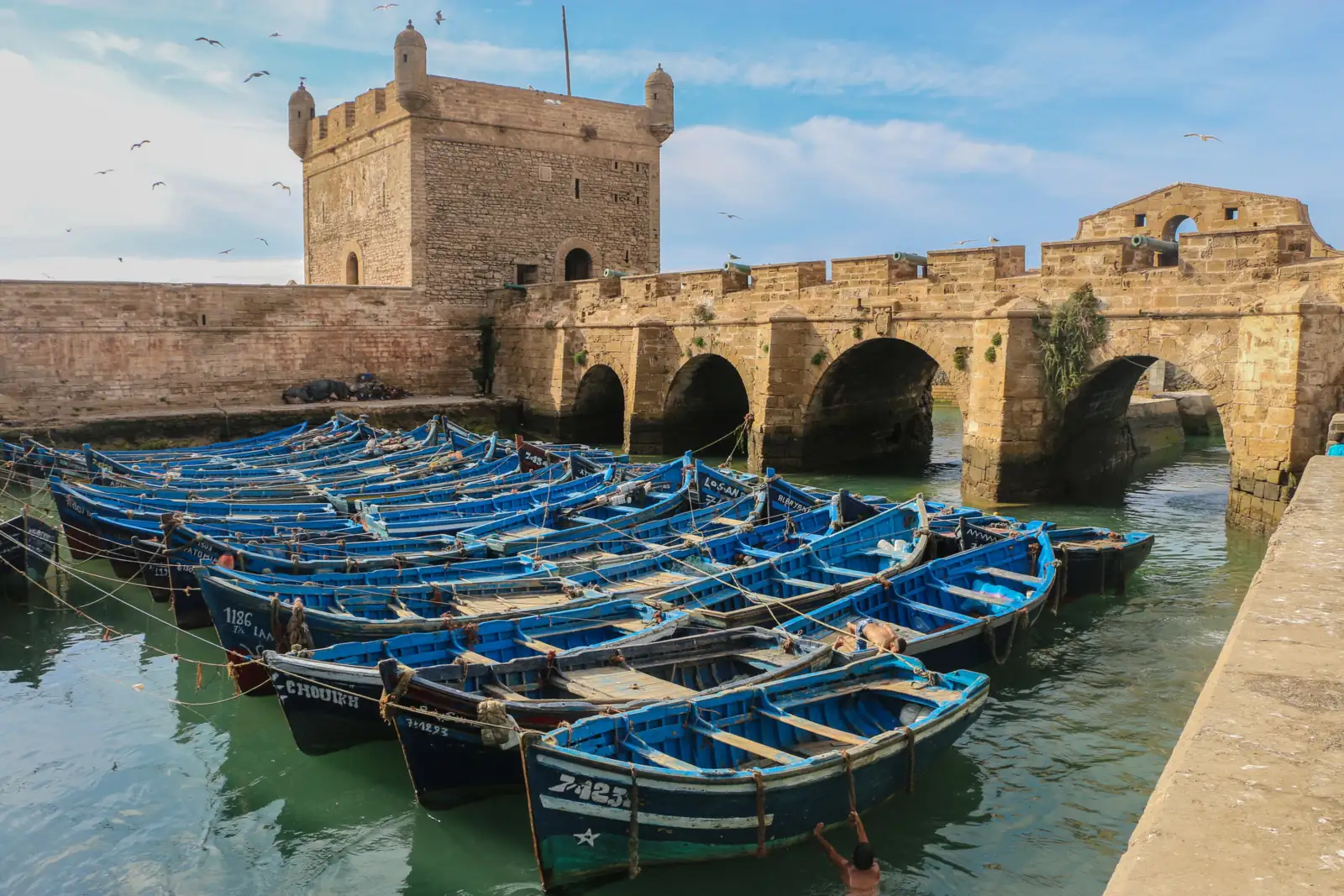 Essaouira and the Atlantic coastA whitewashed fortified port, fresh fish and a cool escape from the Marrakech heat.Read the region guide
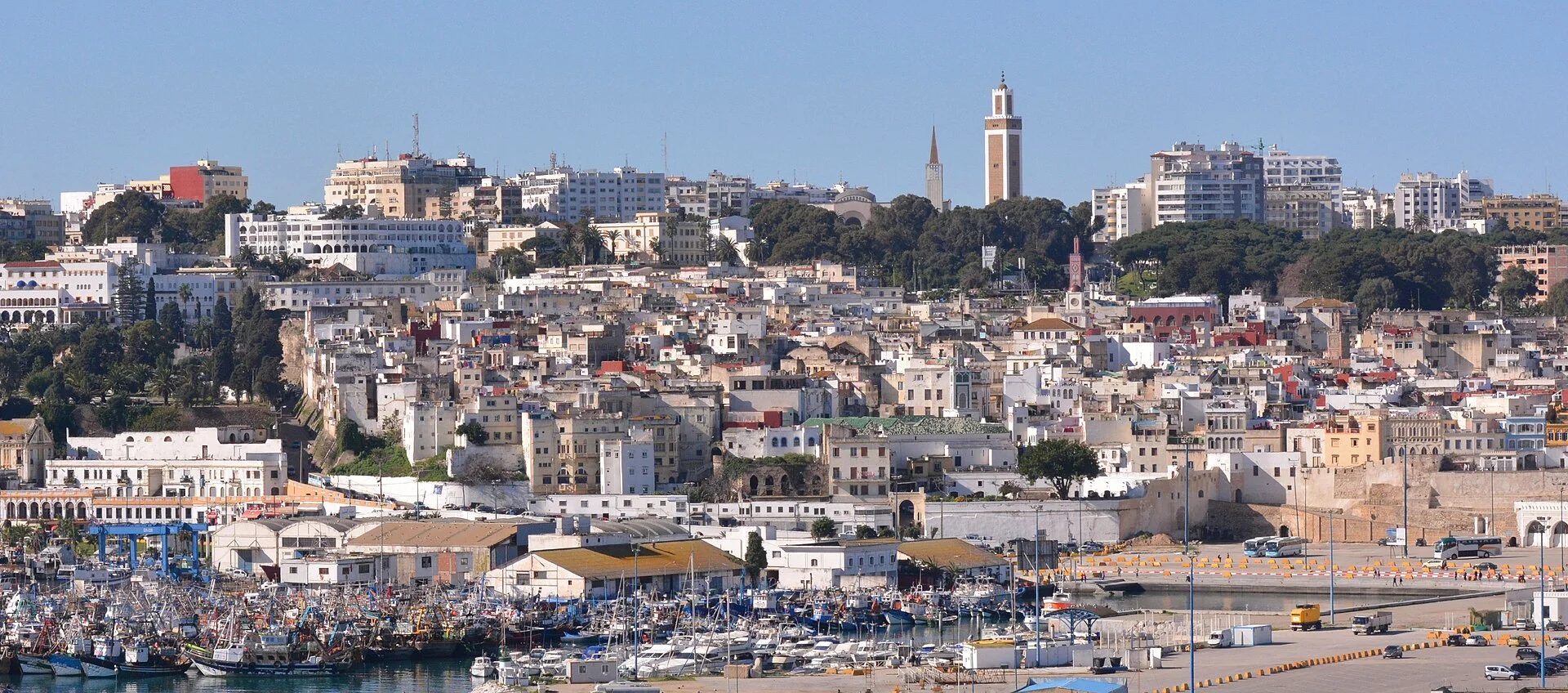 Tangier and the northWhere the Mediterranean meets the Atlantic: old cafés, the kasbah, Spain across the strait.Read the region guide
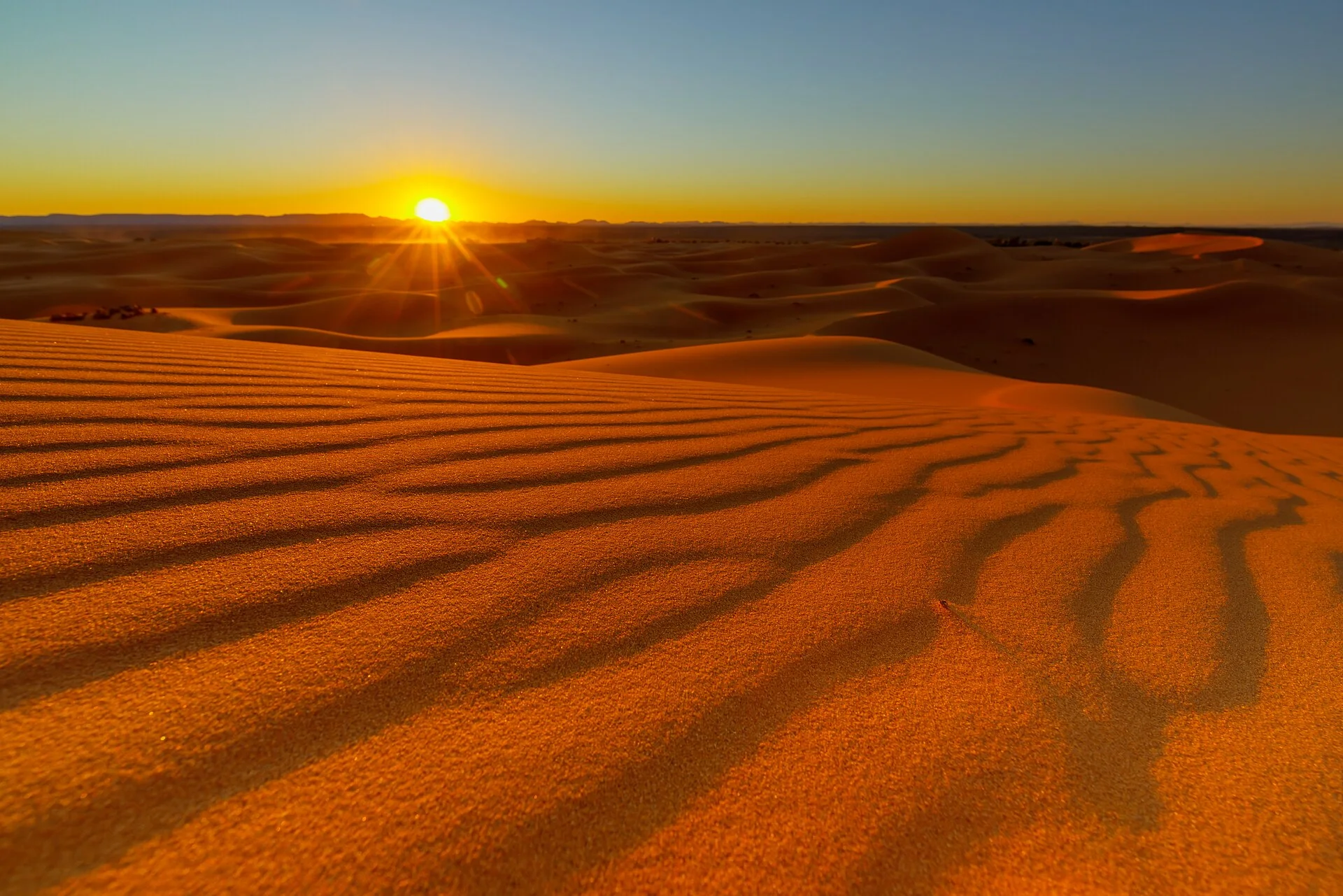
From Fes, the dunes of Erg Chebbi are a long day's drive.
Erg Chebbi, MerzougaEvery trip is quoted for your group size, your days and your choice of riads, private or small-group. International flights are left to you. You get the quote in writing before you commit, and we'll tell you where to spend and where to save.
A characterful riad, sit-down restaurants, a private driver for the transfers and one or two guided days. This is where most of our travellers land.
Typically: 3–4 star riads, private transfers, one or two guided days.
Boutique riad suites, one driver-guide with you throughout, a comfortable desert camp and reserved tables.
Typically: 5 star riads and camps, a dedicated driver-guide, reserved experiences.
Not a package of ours. Travellers on their own typically spend about $50–90 per person per day on guesthouses, street food, buses and shared taxis. If you want a guide for part of it, we'll quote just those hours.
Typically: Riad guesthouses, local transport, self-guided medinas.
The small things that make a trip run smoothly, which we also send you before you fly.