Fes, Morocco· Concierge · Mon–Sat · 09:00–18:00 GMT+1
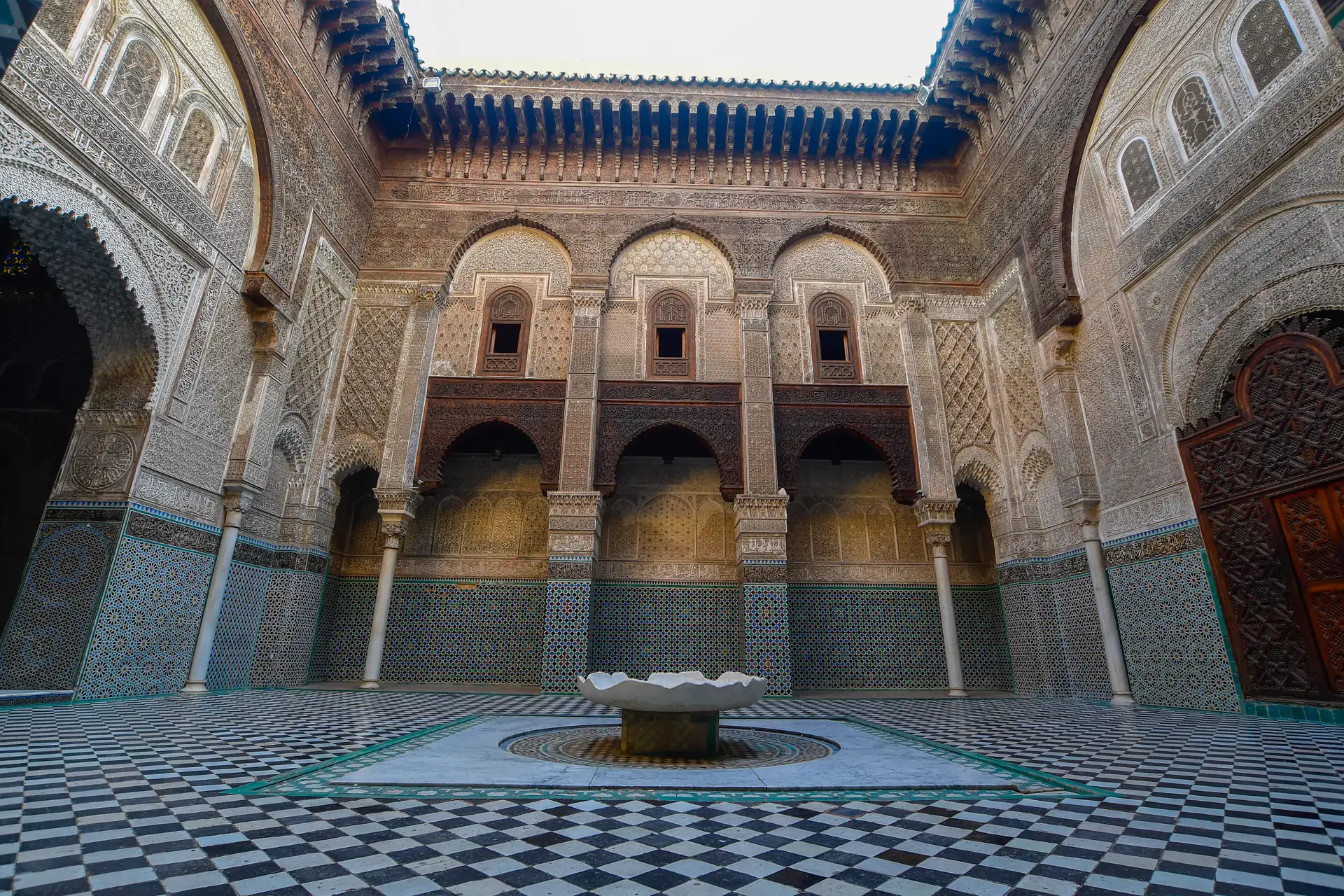
Al-Attarine Madrasa, Fes · Photo: Houssain tork, CC BY-SA 4.0
Morocco's beaches
For a Fes trip, the closest coast is the Mediterranean north, around Saidia, Al Hoceïma and the Rif bays near Chefchaouen. Farther south on the Atlantic, Agadir has a calm family beach, Taghazout has surf and Essaouira has wind. The Canary Current keeps Atlantic water cool, even in summer, so expect a bracing swim.
- Updated June 2026
- 6 min read
- Planning
Morocco has over 3,000 km of Atlantic and Mediterranean coastline — the natural sea-air counterpoint to an inland Fes trip. From the windswept ramparts of Essaouira to the calm family beaches of Agadir, the surf breaks of Taghazout and the Mediterranean coves north of the Fes–Chefchaouen circuit, here is where to go and when.
Which are the best beaches in Morocco for different travellers?
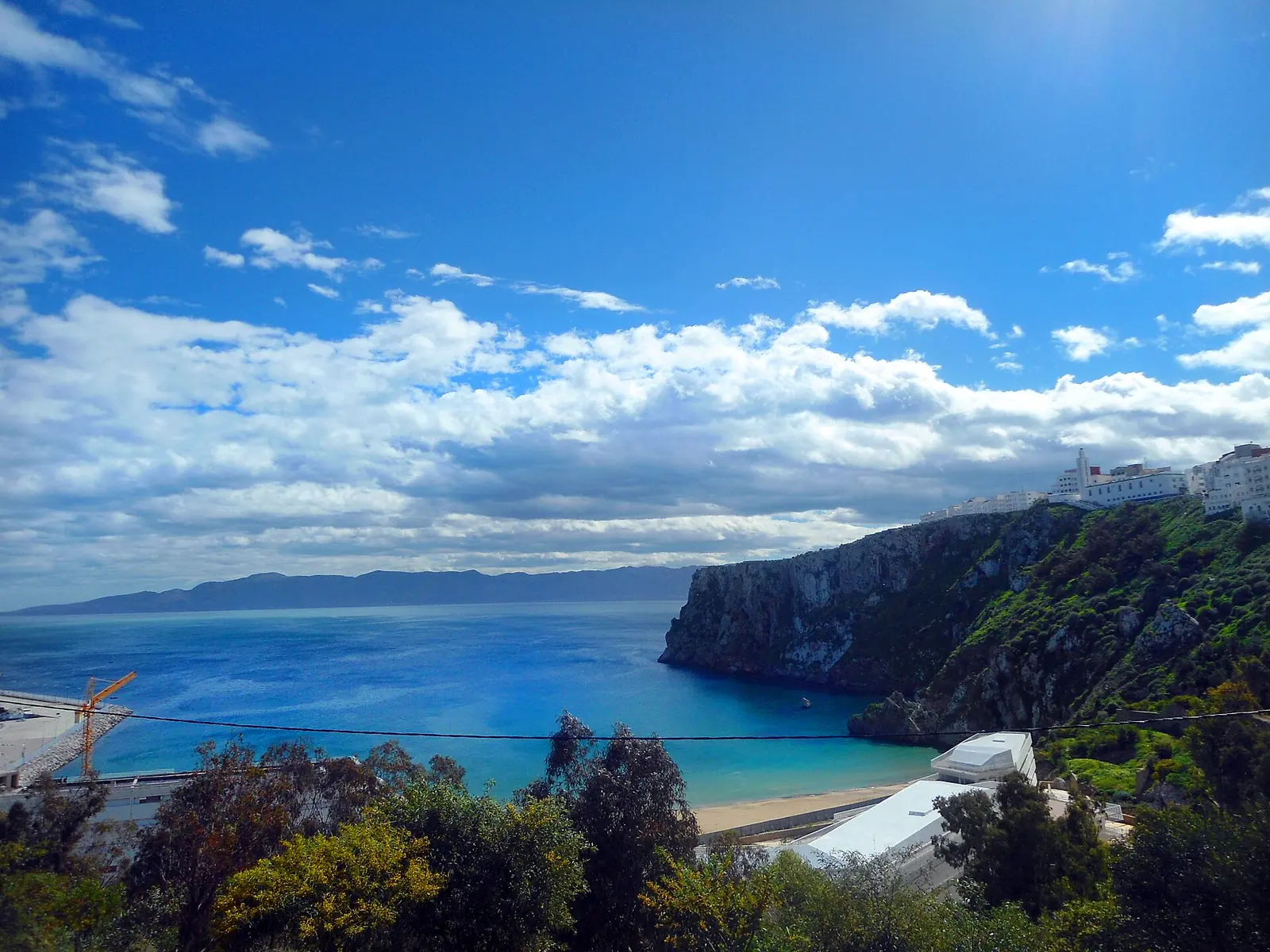
Morocco's beaches divide broadly along the Atlantic–Mediterranean divide and by what you want from the sea. The Atlantic coast stretches from Tangier south to Dakhla, and it is consistently windier, cooler and wilder than European beaches at the same latitude — the Canary Current keeps water temperatures between 17°C and 22°C year-round. The Mediterranean coast, running east from Tangier to the Algerian border, is calmer, warmer and less exposed to the Alizé trade wind.
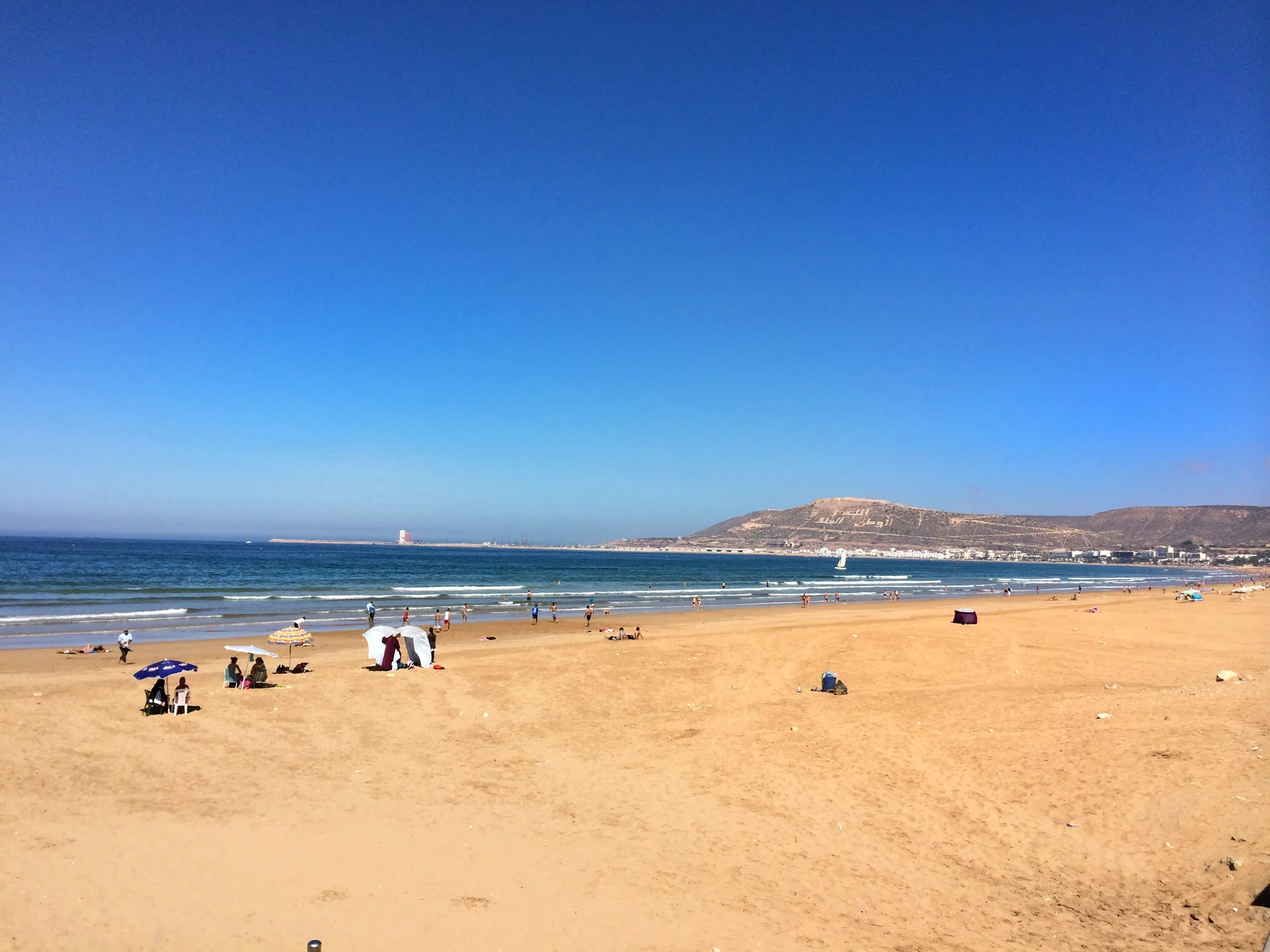
The character of the beach also shifts dramatically by region. Around Agadir, wide, sheltered crescent bays are ideal for families and nervous swimmers. Around Taghazout and Imsouane, rocky point breaks create the Atlantic swell that attracts surfers from across Europe. Near Essaouira, the Alizé wind makes the beach a year-round windsurfing venue. In the north, Plage Quemado at Al Hoceïma and the beaches near Saidia offer Mediterranean calm.
- Plage d'Agadir: 10 km of sheltered bay; calm swimming; ideal for families.
- Taghazout and Anchor Point: Atlantic surf breaks; intermediate to advanced surfers.
- Imsouane: Africa's longest right-hand wave; mellow; superb for longboarders.
- Plage d'Essaouira: wild and windy, with windsurfing and kitesurfing schools.
- Sidi Kaouki: wild, near-empty beach 25 km south of Essaouira; horses and solitude.
- Plage de Saidia (east of Nador): calm Mediterranean; Morocco's largest sand beach at 14 km.
- Plage Quemado, Al Hoceïma: clear Mediterranean water; excellent for snorkelling.
Morocco's beaches divide broadly along the Atlantic–Mediterranean divide and by what you want from the sea.
Al HoceimaWhat is the sea temperature like around Morocco's coast?
The Canary Current — a cold upwelling from the deep Atlantic — keeps the Atlantic coast of Morocco significantly cooler than its latitude suggests. In Agadir and Essaouira, sea temperatures range from about 17°C in February to 22°C in September; a wetsuit is comfortable for extended swimming from October to May. In summer (July–August), the water warms to 20–22°C — pleasant for a short dip but not the Mediterranean warmth many European visitors expect.
The Mediterranean coast around Al Hoceïma and Saidia runs 2–4°C warmer than the Atlantic for most of the year, reaching 25–26°C in August. If warm-water swimming is your priority, the north-east Mediterranean coast and the sheltered coves south of Tangier offer the best conditions.
When is the best time to visit Morocco's beaches?
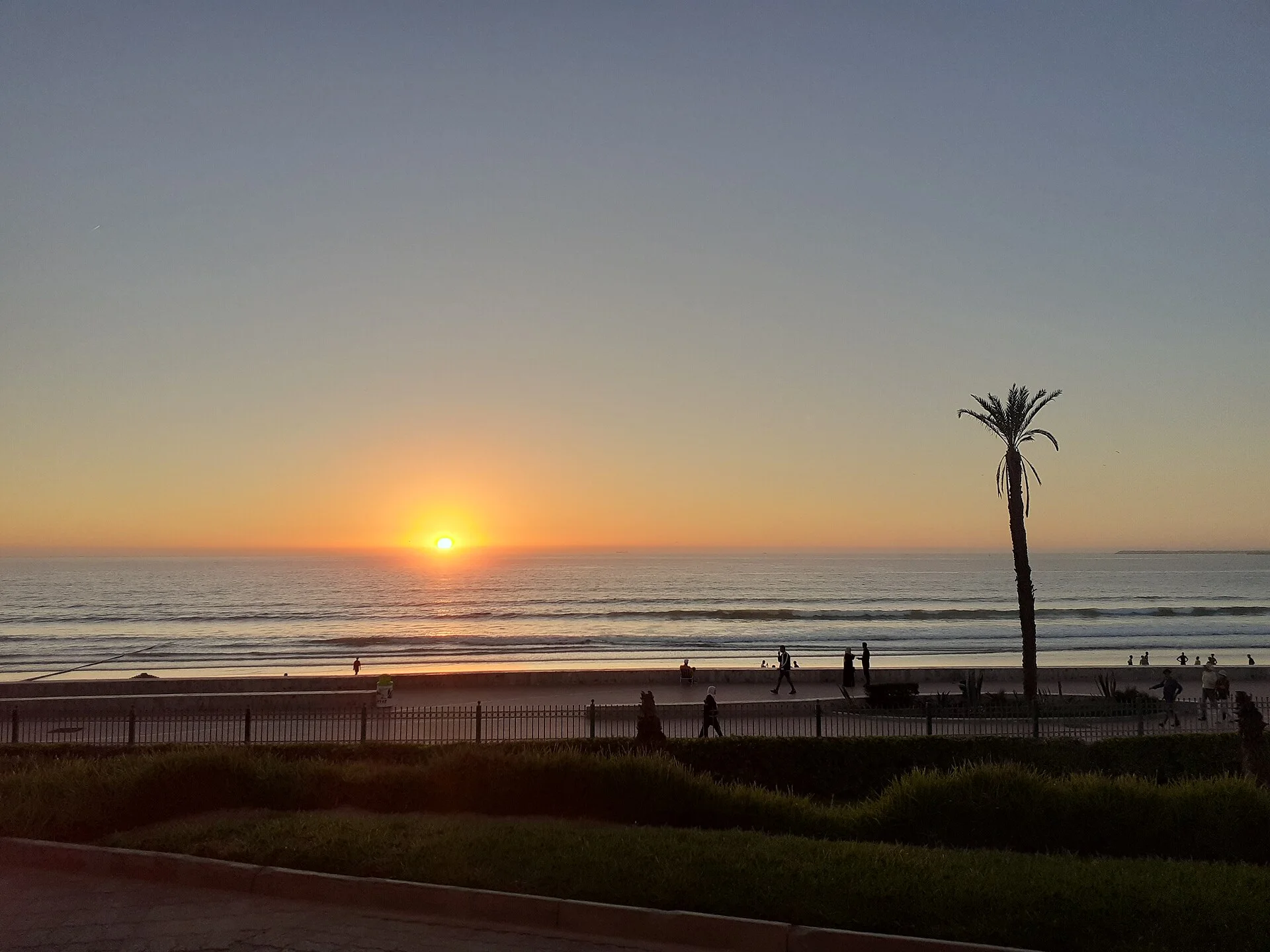
For beach holidays, June to September is the warmest period — water temperatures peak, sunshine is reliable and the resort infrastructure around Agadir operates at full capacity. However, the Alizé wind on the Essaouira and Agadir coast blows strongest in July and August, which makes for excellent windsurfing but can make sunbathing breezy. Taghazout's surf season runs October to April, when Atlantic swells are strongest; summer is flat and the wind-blown beach is most pleasant for non-surfers.
For families combining a beach stay with inland Morocco, autumn (September–October) is the sweet spot: warm enough to swim in Agadir, comfortable for the medinas, and prime season for the desert if you add Merzouga to the route.
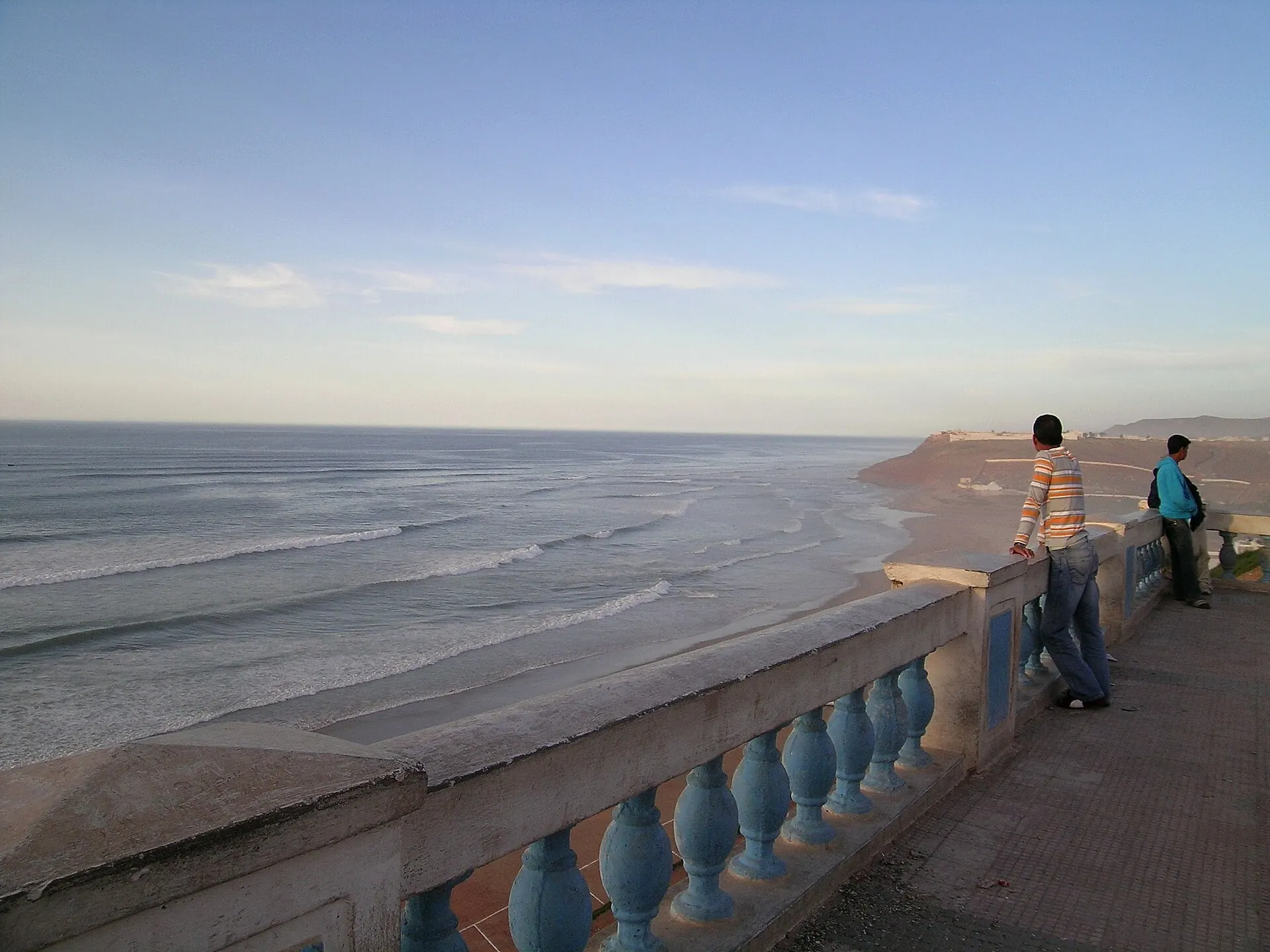
Are there any hidden or less-visited beaches in Morocco?
Morocco rewards beach seekers who venture beyond the main resorts. Legzira Beach, 20 km north of Sidi Ifni in the Anti-Atlas south, is famous for its dramatic natural stone arches rising from the sand — the largest arch collapsed in 2016, but a second remains and the surrounding cliffs and isolated cove are still worth the drive. Reaching it requires a descent on foot from the clifftop road.
Oued Laou, in the Rif foothills near Chefchaouen, is a sheltered pebble bay where a river meets the Mediterranean — popular with Moroccan families in summer but little visited by international travellers. Mirleft, 60 km south of Tiznit, is a small cliff-top village above a sequence of Atlantic coves and headlands that rival anything on the more famous surf coast further north, with a fraction of the visitors.
- Legzira Beach (near Sidi Ifni): dramatic red sandstone arches; clifftop descent required.
- Mirleft coves (south of Tiznit): Atlantic cliffs and sheltered coves; very little tourist infrastructure.
- Oued Laou (Rif coast): river-mouth beach; popular with Moroccan families in summer.
- Plage Blanche (Guelmim province): vast, empty Atlantic beach; accessible only with 4WD.
Can you combine beaches with a Fes trip?
Yes, and the geography shapes the choice. For a Fes-based trip, the closest coast is the Mediterranean north: the beaches around Saidia and Al Hoceïma, and the river-mouth bays of the Rif coast near Chefchaouen, combine naturally with a Fes–Meknes–Chefchaouen northern circuit, and the train links Fes to Tangier and its nearby coves on the Al Boraq line. For the Atlantic, Essaouira sits 3 hours west of Marrakech and works as a 2-night decompression at the far end of a longer Fes-and-Marrakech itinerary — the medina, ramparts and seafood are a superb contrast after the imperial cities or the desert. Agadir has its own airport (AGA), making it a standalone beach base or a gateway to Taghazout, the argan forest and Paradise Valley.
Quick answers
Short answers to what travellers ask us about this.
What is the best beach in Morocco for families?
Is Morocco's Atlantic water warm enough to swim in?
What is the best surfing beach in Morocco?
Are Morocco's beaches safe for swimming?
Is Essaouira's beach good for swimming?
Keep reading
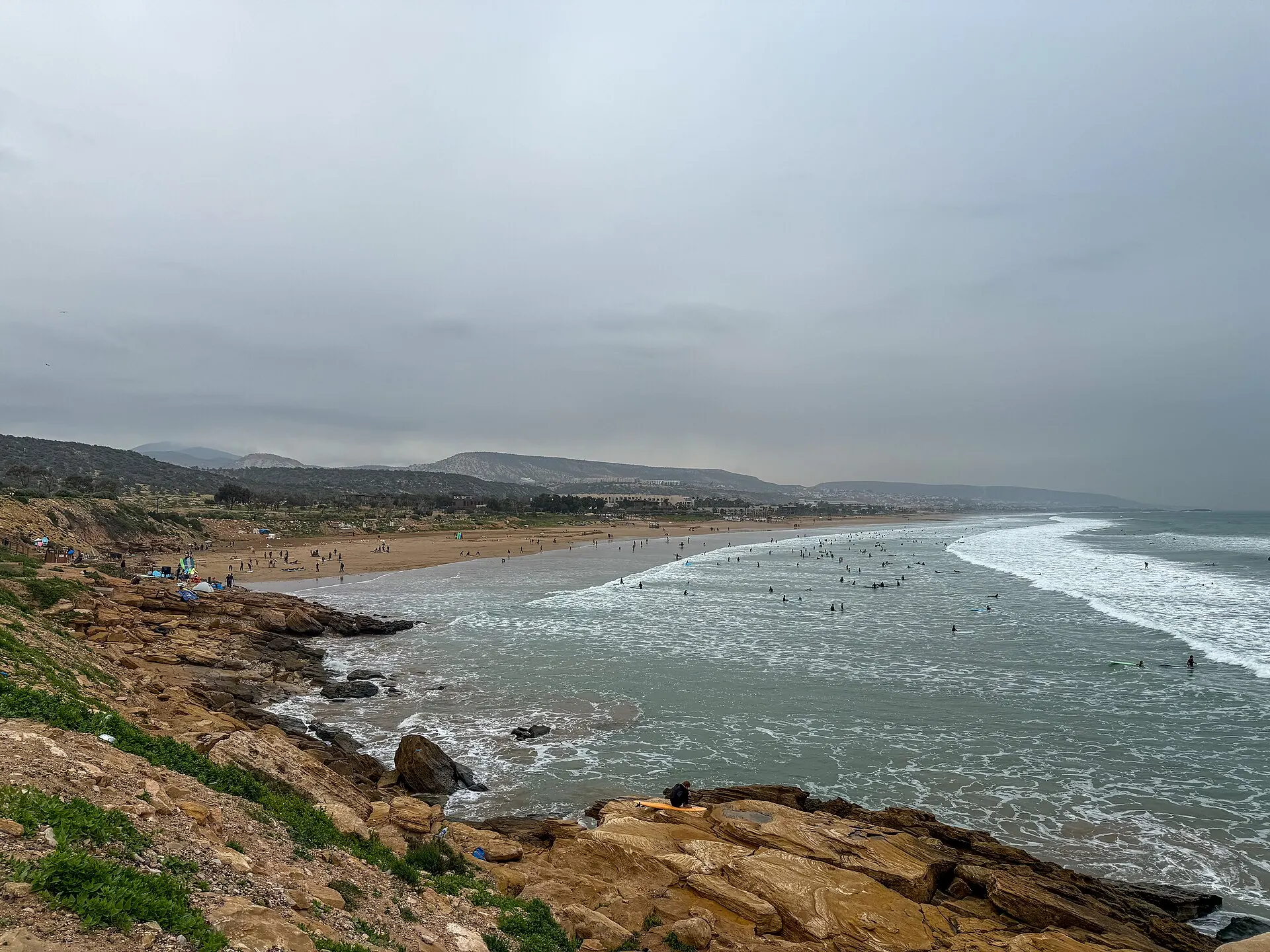 Surfing in MoroccoMorocco's Atlantic coast offers consistent surf from September to April — a popular coastal counterpoint to the inland culture of Fes and the imperial cities.Read the guide
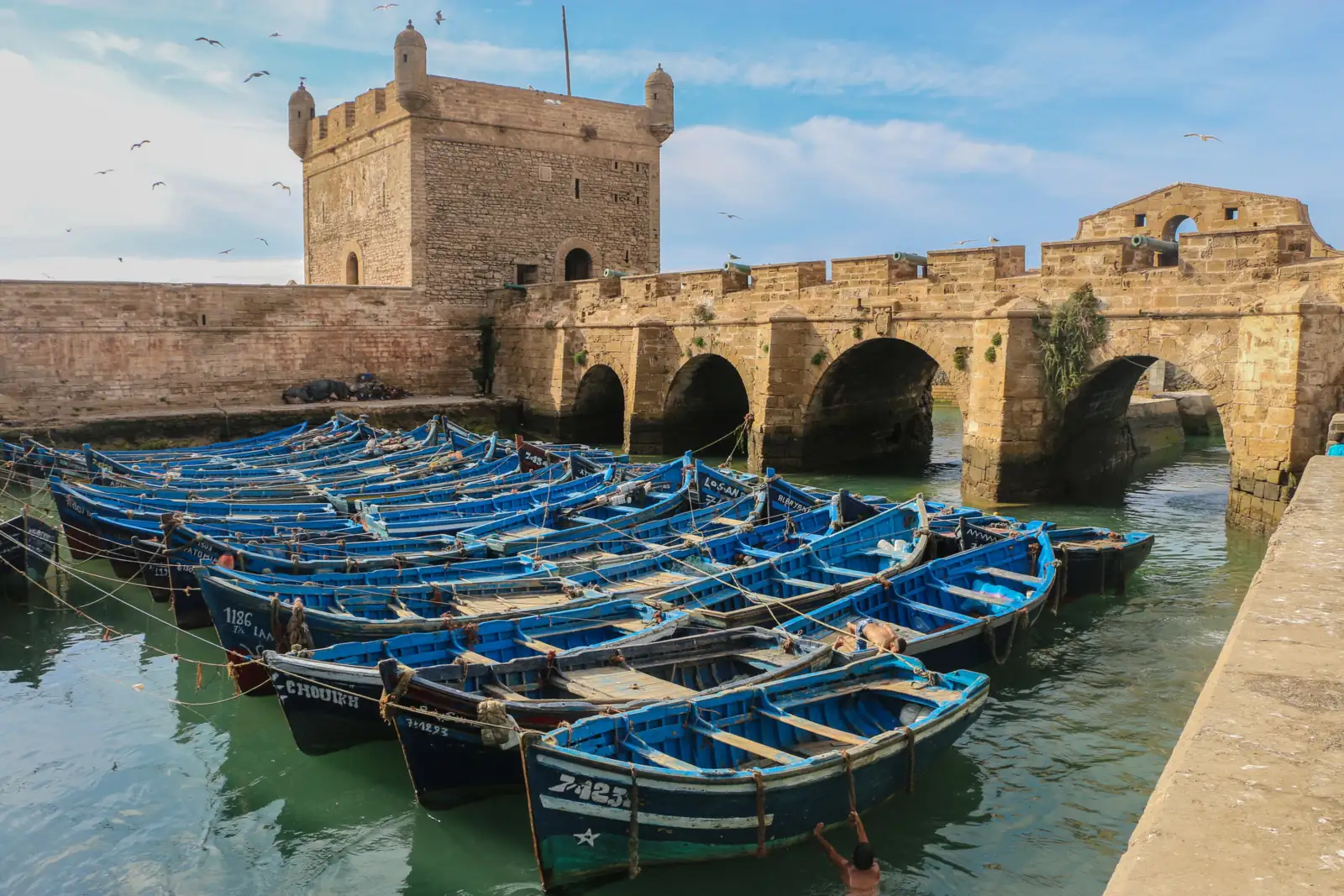 Things to do in EssaouiraEssaouira is Morocco's Atlantic counterpoint to the inland imperial cities — a fortified white-and-blue port with ramparts, a working fishing harbour, outstanding grilled seafood, windsurfing on steady Atlantic wind and a calm, liveable medina.Read the guide
 The best time to visit MoroccoSpring (March–May) and autumn (September–November) are the best all-round times to visit Morocco and to base yourself in Fes — warm days, cool evenings and comfortable conditions for long hours on foot in the Fes el-Bali medina, plus easy day trips to Volubilis, Meknes and the Middle Atlas.Read the guide
Tell us your dates. We'll plan it with you.
- Tell us what drew you in. Your dates, who is travelling and what you want to see.
- A person reads it. We write a day-by-day plan for your group, private or small-group.
- You change anything. Then we confirm the guides, drivers and riads.