Fes, Morocco· Concierge · Mon–Sat · 09:00–18:00 GMT+1
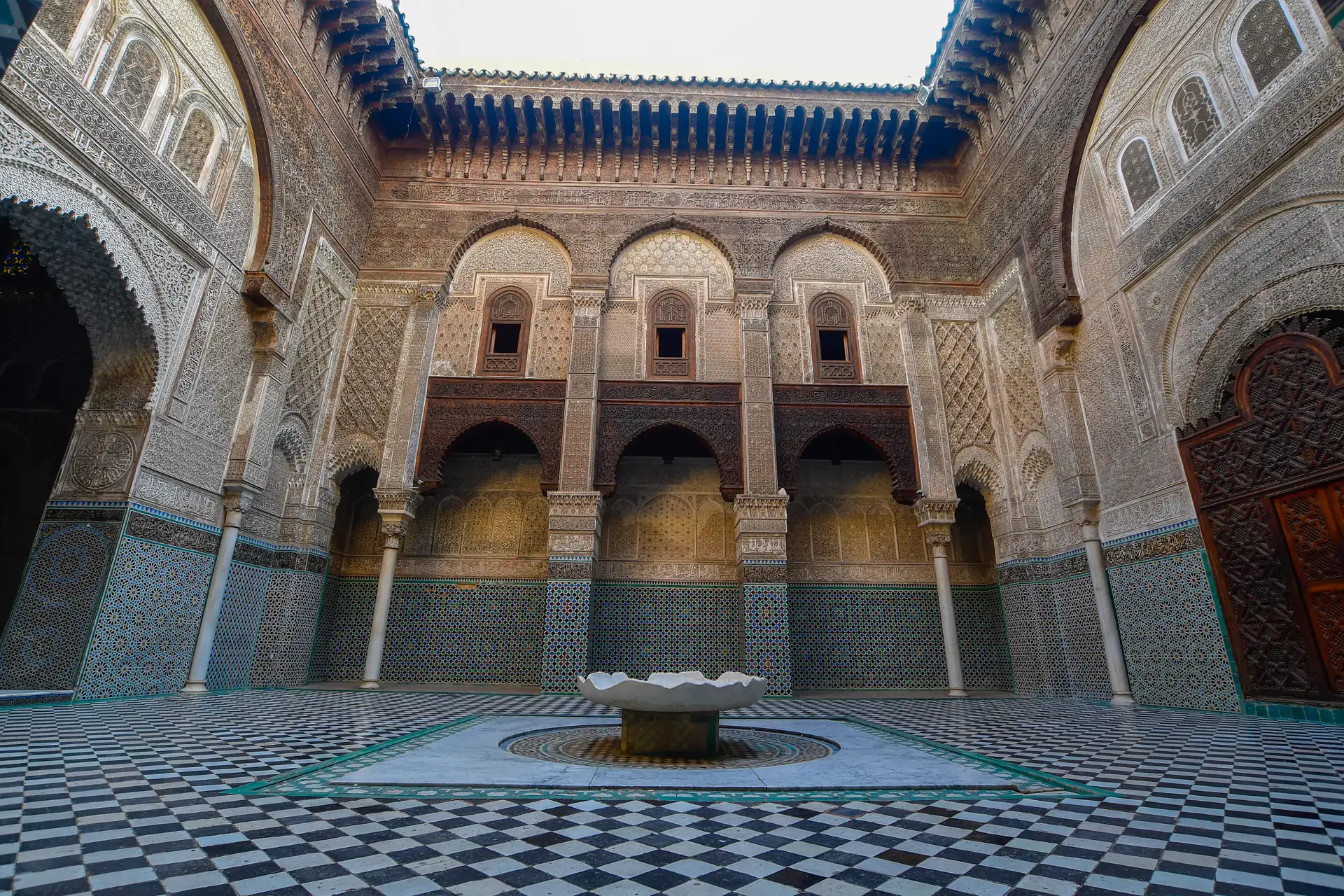
Al-Attarine Madrasa, Fes · Photo: Houssain tork, CC BY-SA 4.0
The best time to visit Morocco
The best time to visit Morocco from a Fes base is spring (March to May) or autumn (September to November). Days are warm, evenings cool, and long medina walks stay comfortable. Go to the Sahara between October and April. July and August bring hard inland heat to Fes, Meknes and the desert.
- Updated June 2026
- 3 min read
- Planning
Spring (March–May) and autumn (September–November) are the best all-round times to visit Morocco and to base yourself in Fes — warm days, cool evenings and comfortable conditions for long hours on foot in the Fes el-Bali medina, plus easy day trips to Volubilis, Meknes and the Middle Atlas.
Season by season
Morocco is a year-round destination, but the experience changes sharply with the calendar and the region. Fes sits inland in a basin ringed by hills, so it runs hotter than the coast in summer and crisper than Marrakech in winter. For walking a car-free medina hour after hour, the temperate shoulder seasons are hard to beat — and they pair perfectly with the imperial-city circuit of Meknes, Volubilis and Moulay Idriss.
- Spring (Mar–May): the sweet spot — green hills around Fes, blossom near Volubilis, warm medina days and comfortable desert.
- Summer (Jun–Aug): hot inland (Fes and Meknes can top 40°C); start medina walks early, retreat for a midday rest, and escape to nearby Ifrane or the coast.
- Autumn (Sep–Nov): a second peak — stable weather, the olive and date harvest, golden light on the tanneries and zellige.
- Winter (Dec–Feb): cool, often sunny Fes days and prime Sahara season; rain is possible, evenings are cold and the Middle Atlas above Ifrane can hold snow.
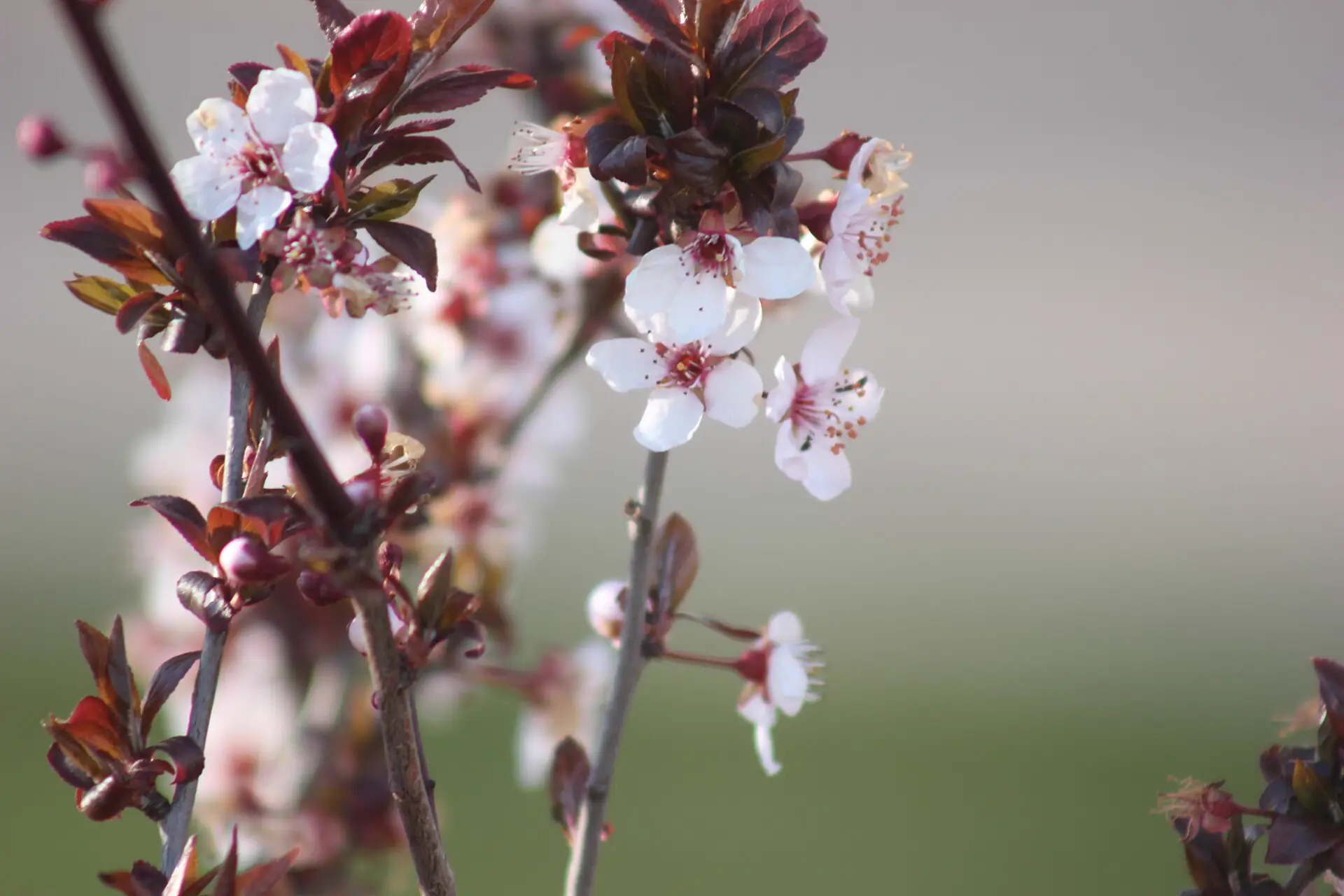
Morocco is a year-round destination, but the experience changes sharply with the calendar and the region.
IfraneBest time by region
For the Sahara (Merzouga is the classic run east and south of Fes), October to April is the window — summer daytime heat makes the dunes punishing and many camps close. For walking days in the Fes el-Bali and Fes el-Jdid medinas, the Chouara tanneries and the medersas, spring and autumn give you the most comfortable hours on your feet; in high summer, plan around the heat.
Day trips define a Fes stay: Volubilis, Meknes and the hilltop shrine town of Moulay Idriss are an easy loop, and the cedar forests and lakes around Ifrane in the Middle Atlas are coolest and greenest from late spring through autumn. The imperial cities themselves (Fes, Meknes, Rabat, Marrakech) are most comfortable in spring and autumn.
Things that move the dates
Ramadan shifts each year (it falls in the late-February-to-March window through the late 2020s) and changes the rhythm of the day — many medina eateries adjust hours, though riads and guided tours run normally and the iftar atmosphere in Fes is memorable. The Fes Festival of World Sacred Music, the city's signature event, fills venues and gardens in late spring; rooms book out, so reserve well ahead if your dates overlap.
Quick answers
Short answers to what travellers ask us about this.
What is the cheapest time to visit Morocco?
When is it too hot in Morocco?
Is December a good time to visit Morocco?
Keep reading
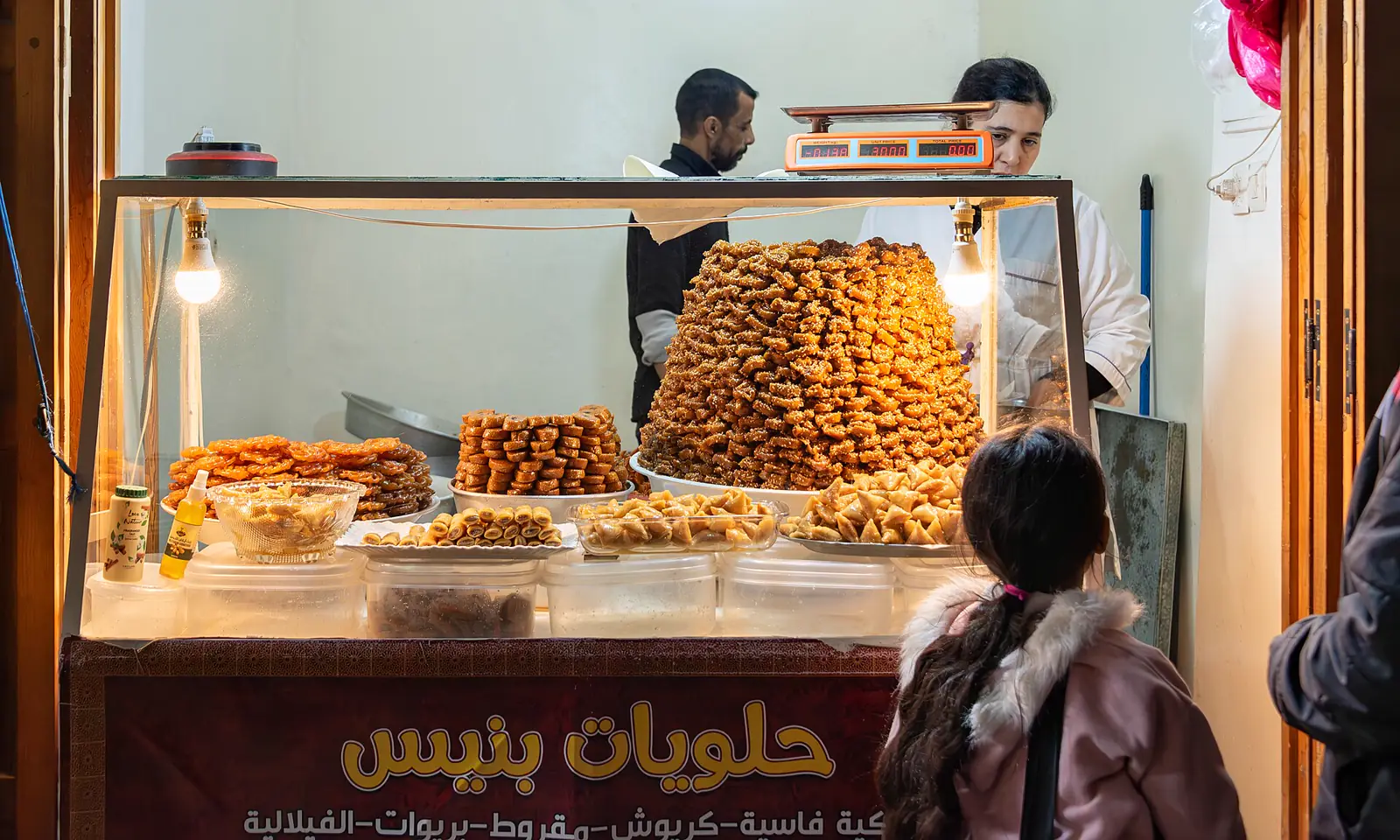 Ramadan in MoroccoRamadan transforms the rhythm of Fes in ways that can be unexpectedly wonderful — and in such a spiritual, scholarly city the holy month is felt deeply.Read the guide
 A Morocco honeymoon in FesFes is a honeymoon base with real atmosphere: restored palace-riads hidden in the medina, candlelit rooftop dinners above the old city, traditional hammams, and the romance of getting happily lost in a thousand-year-old labyrinth.Read the guide
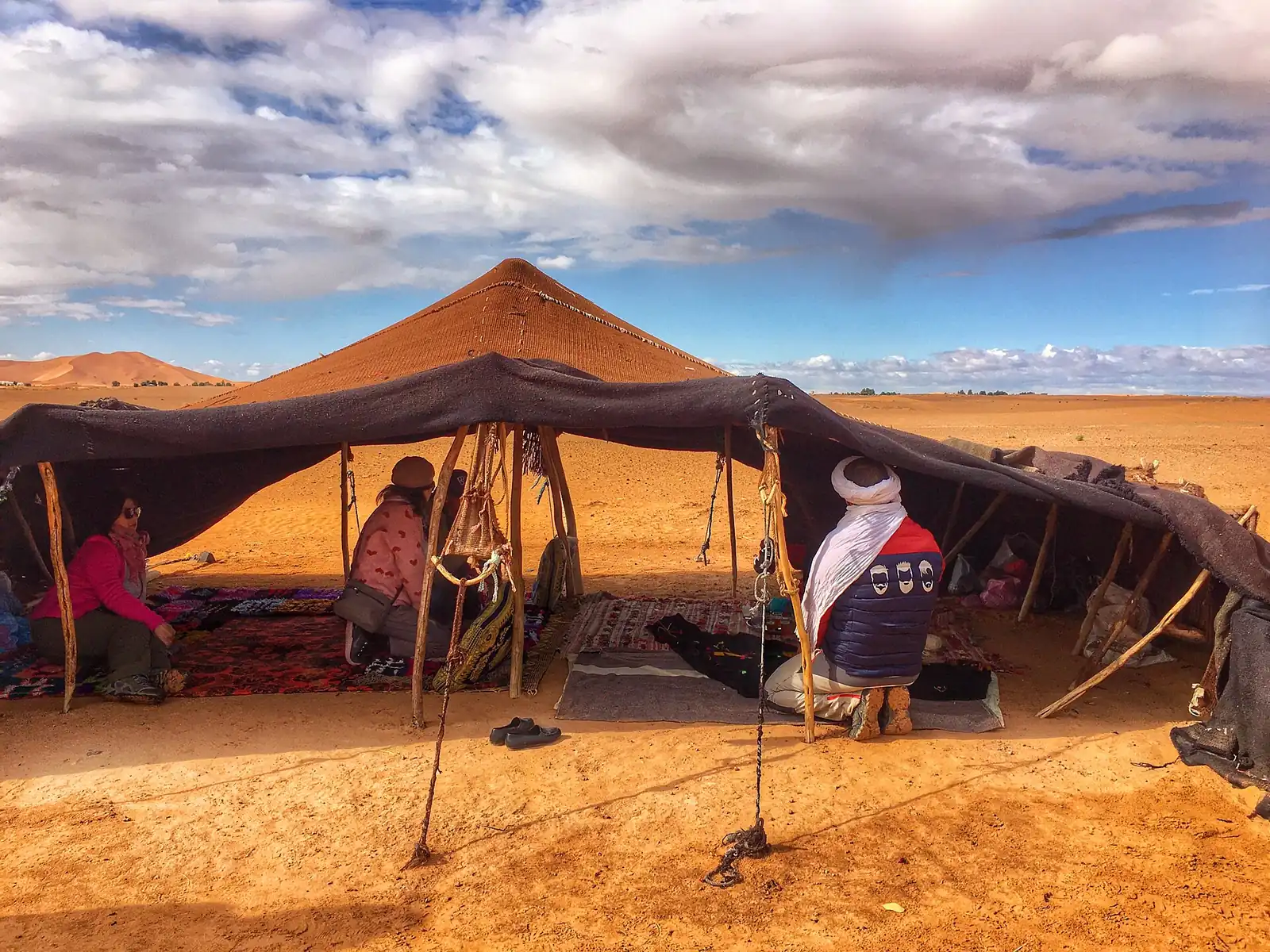
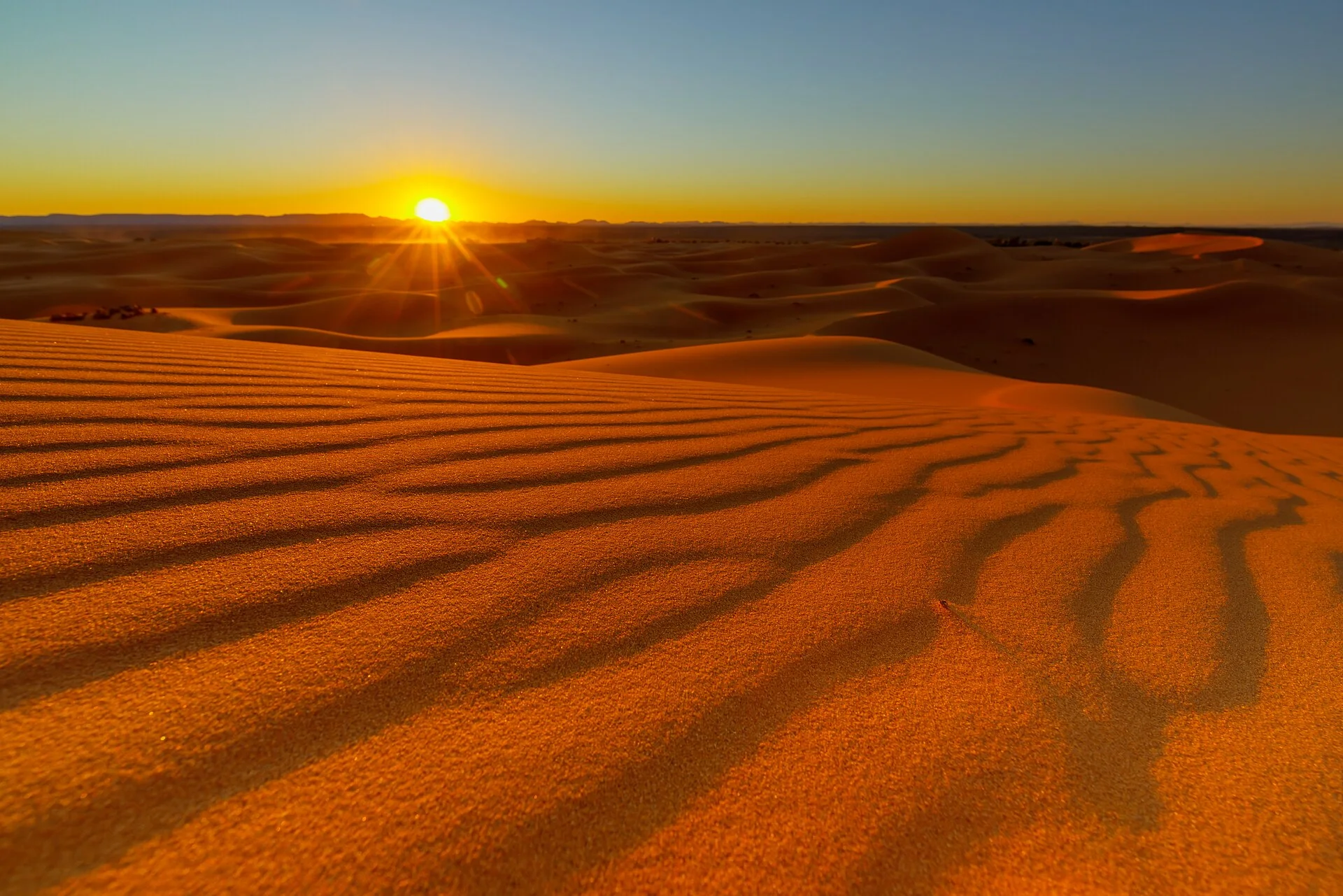 Sahara desert tour guideFrom Fes, the Sahara is a deeply rewarding extension, and Erg Chebbi at Merzouga is the natural choice — the drive south through Ifrane and the Ziz Valley leads to the grandest dunes in Morocco.Read the guide
Tell us your dates. We'll plan it with you.
- Tell us what drew you in. Your dates, who is travelling and what you want to see.
- A person reads it. We write a day-by-day plan for your group, private or small-group.
- You change anything. Then we confirm the guides, drivers and riads.