Fes, Morocco· Concierge · Mon–Sat · 09:00–18:00 GMT+1
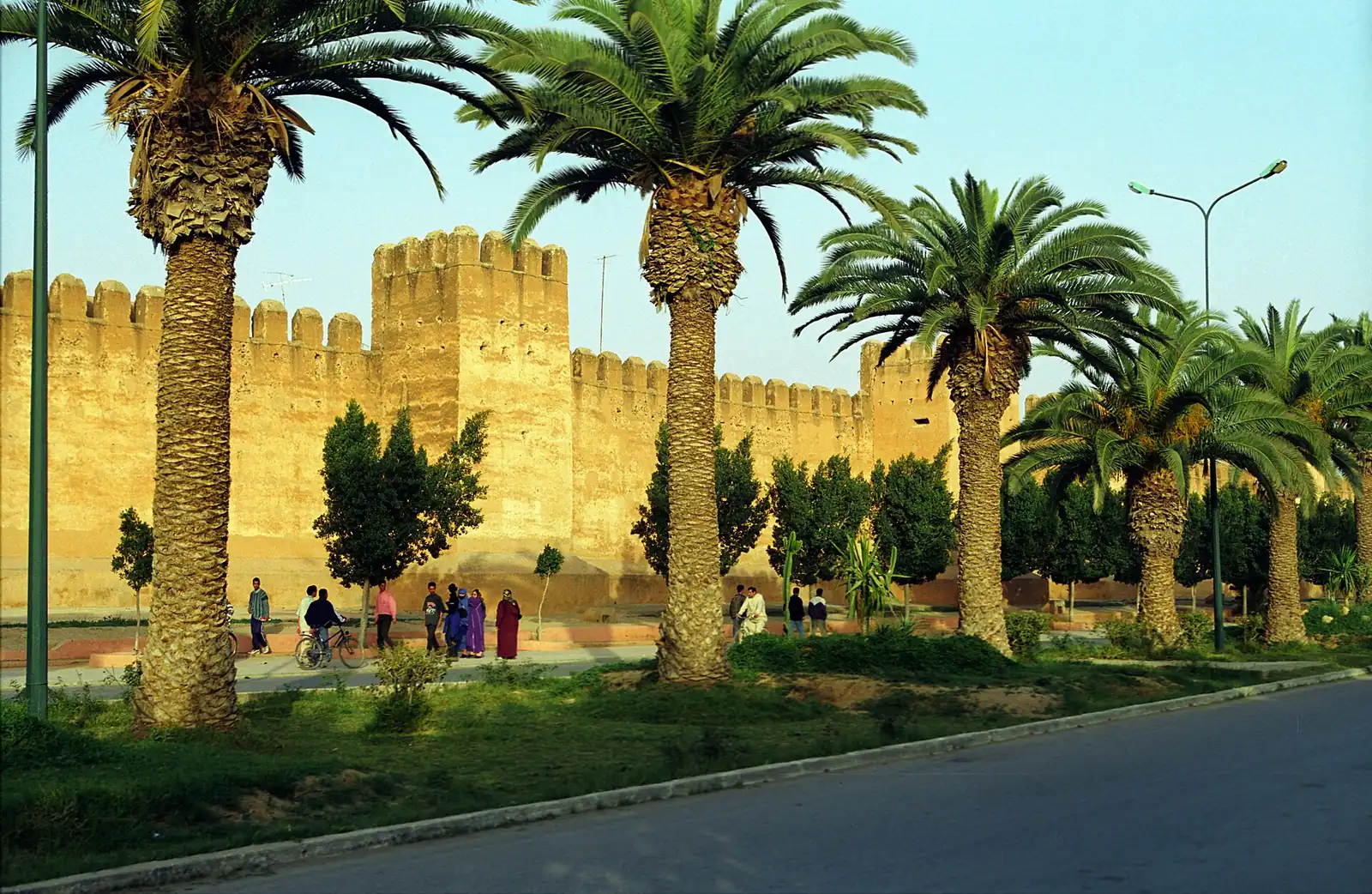
Taroudant · Photo: Jerzy Strzelecki, CC BY 3.0
Things to do in Taroudant
Taroudant is a walled market town in the Souss Valley, often called little Marrakech. You can ride a calèche around the earthen ramparts, browse the Arab and Berber souks, sit in Place Assarag and watch brass and silver artisans at work. Outside town, the Tiout palm oasis spreads below a hilltop kasbah.
- Written by our Fes team
- Private or small-group
- A written quote for your dates
Things to do around Taroudant
Often called 'little Marrakech', Taroudant is a walled market town in the fertile Souss Valley. Its earthen ramparts encircle bustling souks, palm-shaded squares and artisan workshops, with the High Atlas and Anti-Atlas rising on either side.
The City Ramparts
Taroudant's most striking feature is its largely intact circuit of crenellated pisé (rammed-earth) walls, stretching roughly six kilometres around the old town. Dating mainly from the 18th century under the Alaouite sultans, they glow ochre and pink in changing light.
Calèche Ride Around the Walls
A horse-drawn calèche circuit follows the outside of the ramparts, passing the historic gates such as Bab el Kasbah and Bab Targhount. The unhurried loop is one of the easiest ways to take in the full sweep of the fortifications.
The Arab Souk
The covered Souk Arabe near Place Assarag is the town's main market for spices, slippers, leather, lanterns and household goods. Its shaded lanes channel everyday Souss life rather than the heavy tourist crowds of larger cities.
The Berber Souk
The Souk Berbère, set around its own square, leans toward rugs, jewellery, pottery and Amazigh crafts brought in from surrounding villages. It is busiest when rural traders arrive to buy and sell produce and handmade wares.
Place Assarag
Also written Place al-Alaouyine, this is Taroudant's central square and social heart, ringed by cafes, arcades and entrances to the souks. It is the natural place to pause over a mint tea and watch the town go about its day.
The Tanneries
Just outside the walls near Bab Targhount, Taroudant's tanneries process goat and sheep hides using traditional methods. Smaller and calmer than those of Fez, they supply the leather worked by the town's slipper makers and bag artisans.
Palais Salam
Built into the ramparts, the Palais Salam occupies a 19th-century pasha's residence laid out around lush courtyard gardens of bougainvillea and citrus. Even non-guests can admire the way the historic walls frame the planted patios.
Brass & Silver Artisans
Taroudant has a long reputation for metalwork, and small workshops in the souks turn out engraved brass trays, lamps and Berber silver jewellery. Watching craftsmen hammer and chase the metal by hand is part of the appeal.
Tiout Oasis & Kasbah
About 35 kilometres east, the palm oasis of Tiout spreads below a hilltop kasbah with views over the gardens and the Anti-Atlas foothills. The lush palmeraie famously served as a backdrop for the 1954 film Ali Baba and the Forty Thieves.
Argan Co-operatives
The Souss region is the heartland of the argan tree, and women's co-operatives around Taroudant press the kernels into oil for cooking and cosmetics. Visits show each step, from cracking the nuts to grinding and decanting the golden oil.
The Friday Market
Taroudant's weekly souk swells on market days, drawing farmers and herders from across the Souss plain. Stalls overflow with seasonal produce, livestock, household goods and crafts, offering a look at how the surrounding countryside trades.
Ramparts at Sunset
As the sun drops, the rammed-earth walls deepen from gold to rose and red, with the Atlas peaks often catching the last light behind them. Walking or riding the perimeter in the late afternoon is the most atmospheric time to see the town.
Souss Valley Citrus Country
Taroudant sits amid one of Morocco's most productive farming regions, where irrigated orchards of oranges, lemons and olives stretch toward the mountains. Drives through the surrounding countryside reveal the agricultural wealth behind the town's prosperity.
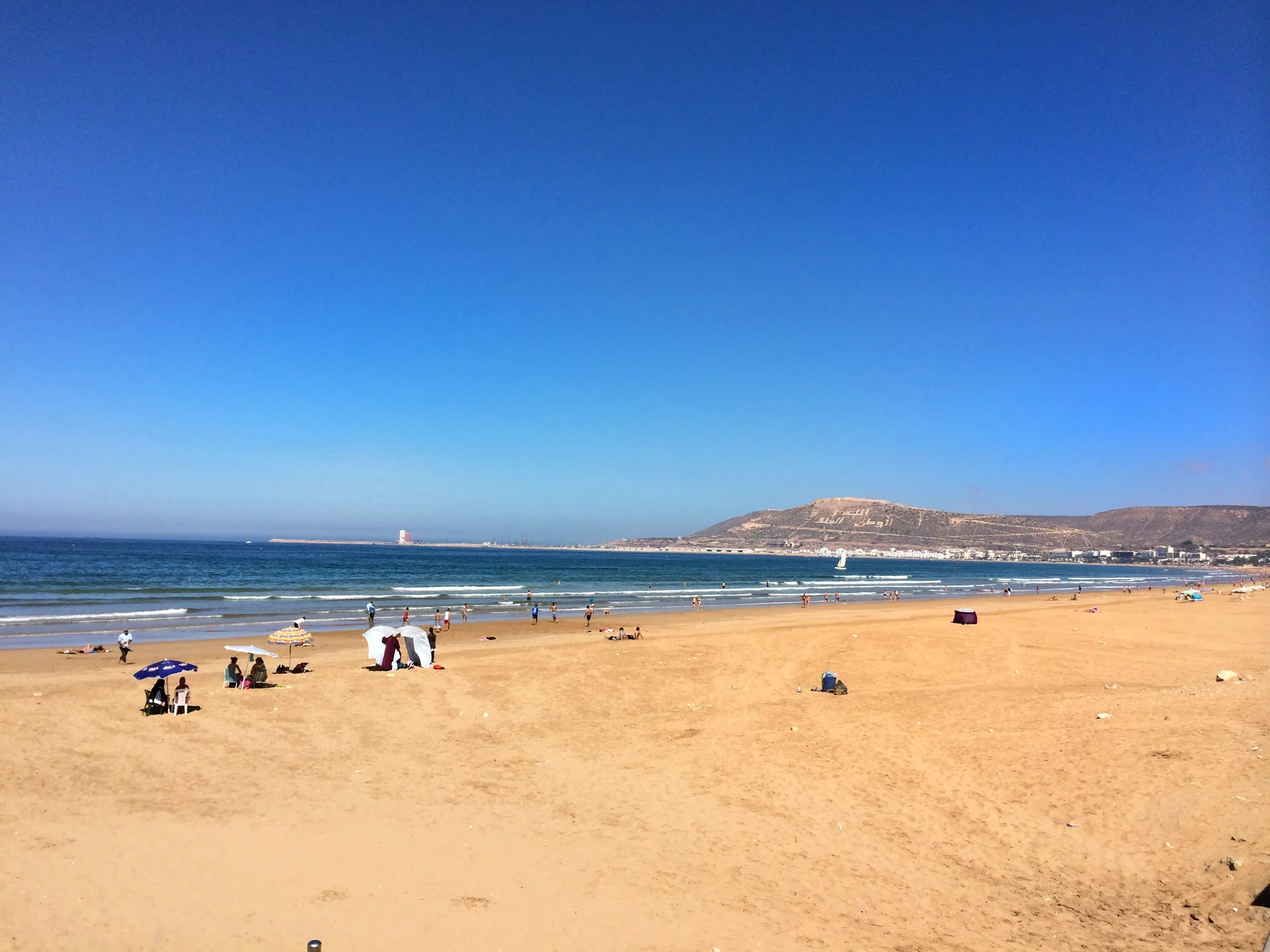
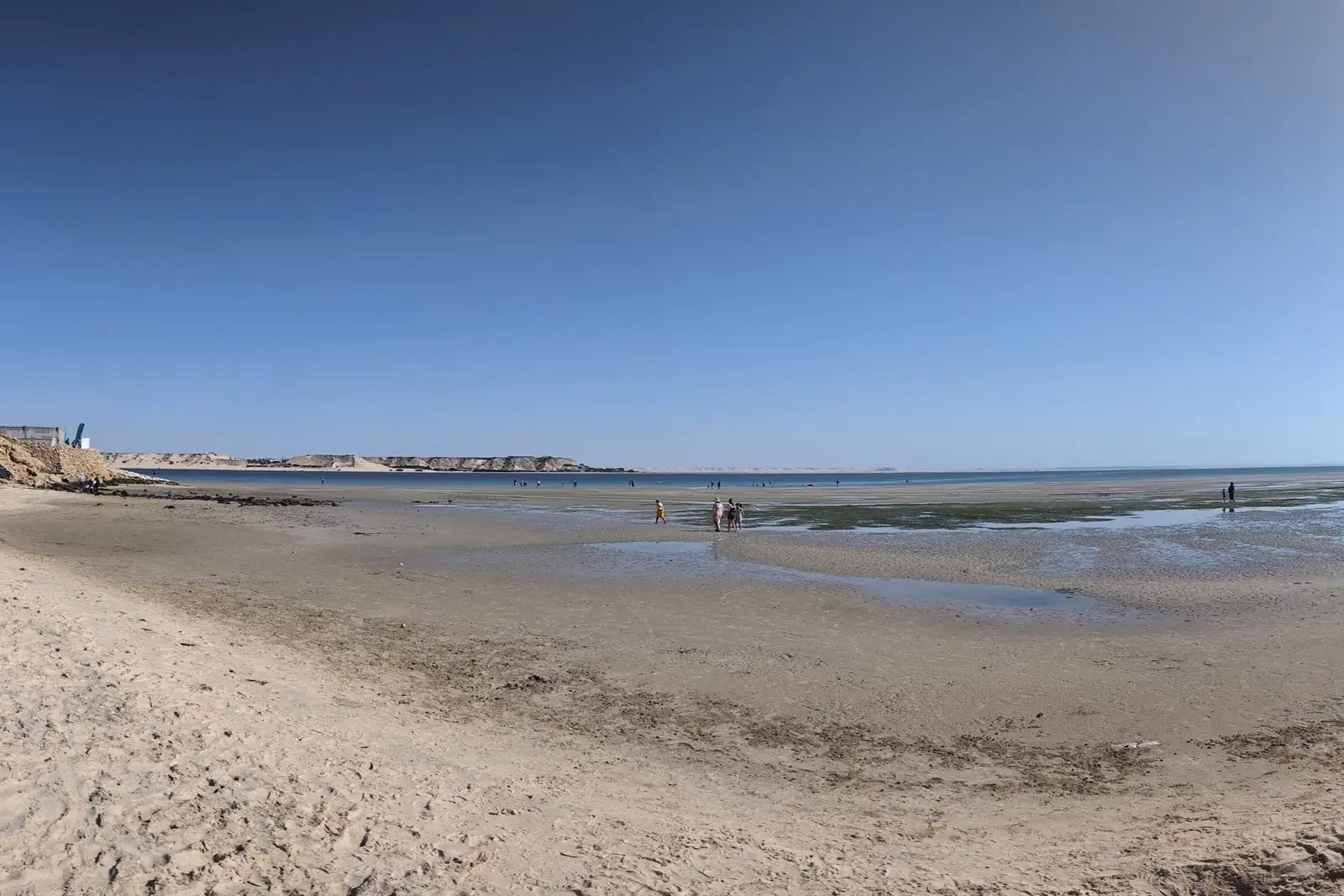
Agadir and the Atlantic, about 80 km west of Taroudant.
AgadirBefore you knock
The questions people ask us most before they plan a trip.
Why is Taroudant called 'little Marrakech'?
How many days do you need in Taroudant?
How do you get to Taroudant?
Want to see Taroudant with a local? We'll plan the day.
- Tell us what drew you in. Your dates, who is travelling and what you want to see.
- A person reads it. We write a day-by-day plan for your group, private or small-group.
- You change anything. Then we confirm the guides, drivers and riads.