Fes, Morocco· Concierge · Mon–Sat · 09:00–18:00 GMT+1
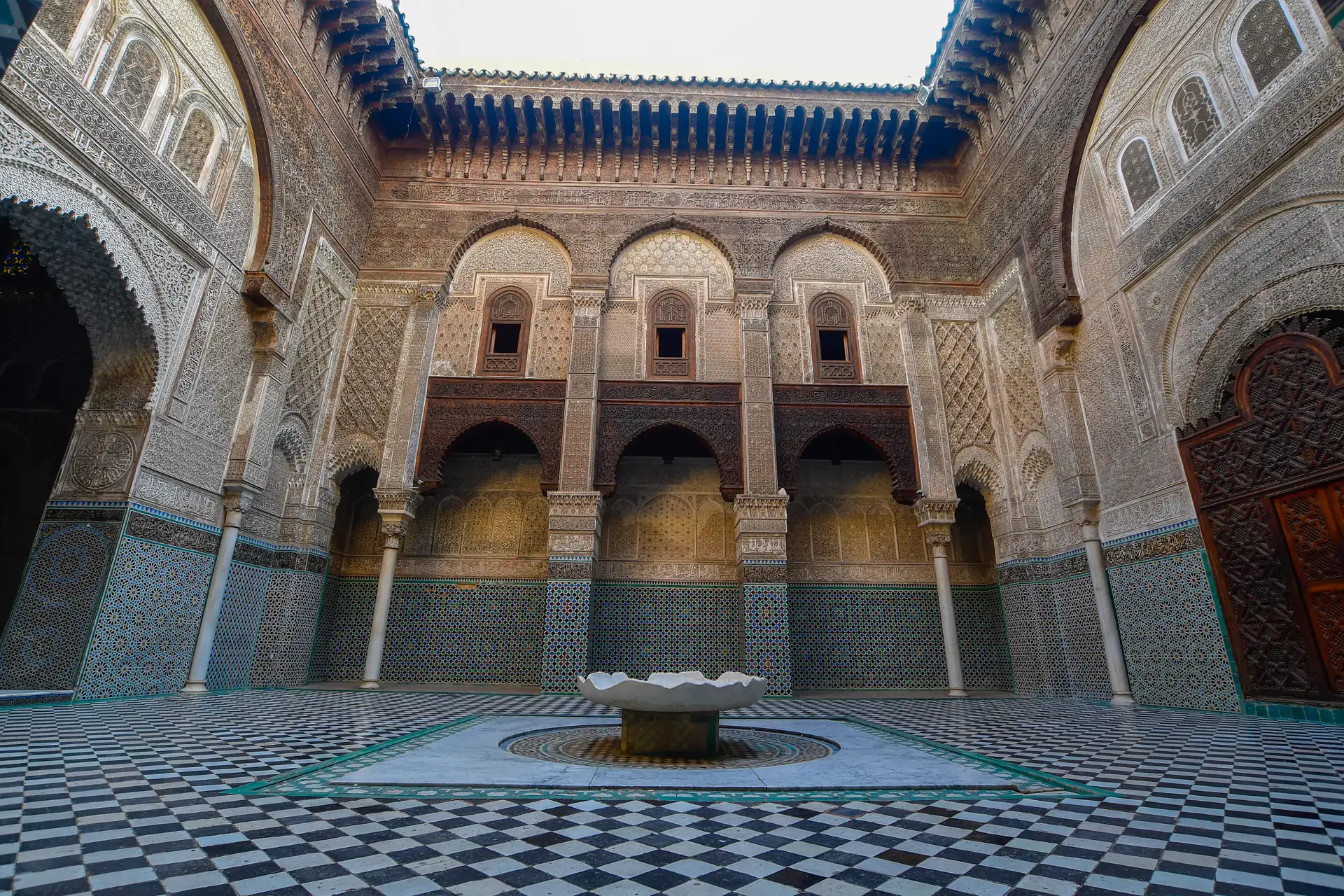
Al-Attarine Madrasa, Fes · Photo: Houssain tork, CC BY-SA 4.0
What to wear in Morocco
Morocco has no legal dress code for tourists, but in Fes you should dress modestly. Men and women cover shoulders and knees in the medina, the souks and near religious sites. Linen trousers or a long skirt with a light top and a scarf works for women. On the Atlantic beaches, swimwear is normal until you leave the sand.
- Updated June 2026
- 6 min read
- Practical
Morocco does not have a legal dress code for tourists, but in a deeply traditional city like Fes, dressing modestly — covering shoulders and knees in the medina, the souks and around the religious sites — is respectful, practically effective and makes travel smoother. Here is exactly what to wear, where, and why.
What is the dress code in Moroccan medinas?
Morocco is a Muslim-majority country, and Fes — home of the Kairaouine and a powerful religious tradition — is among its more conservative cities. The standard expectation in the medina, the souks and the residential quarters is that both men and women cover their shoulders and knees. This is not a legal requirement for non-Muslims, but it is a social norm that is widely noticed and appreciated. Dressing modestly signals cultural awareness, reduces unsolicited attention (particularly for women) and makes interactions warmer.
The level of modesty expected varies by location. On the busy tourist-facing arteries like Talaa Kebira, the tolerance for casual dress is a little higher because merchants are used to visitors. In the quieter residential lanes of Fes el-Bali, and especially near the Kairaouine, the medersas and the shrine of Moulay Idriss II, the expectation of modest dress is more pronounced.
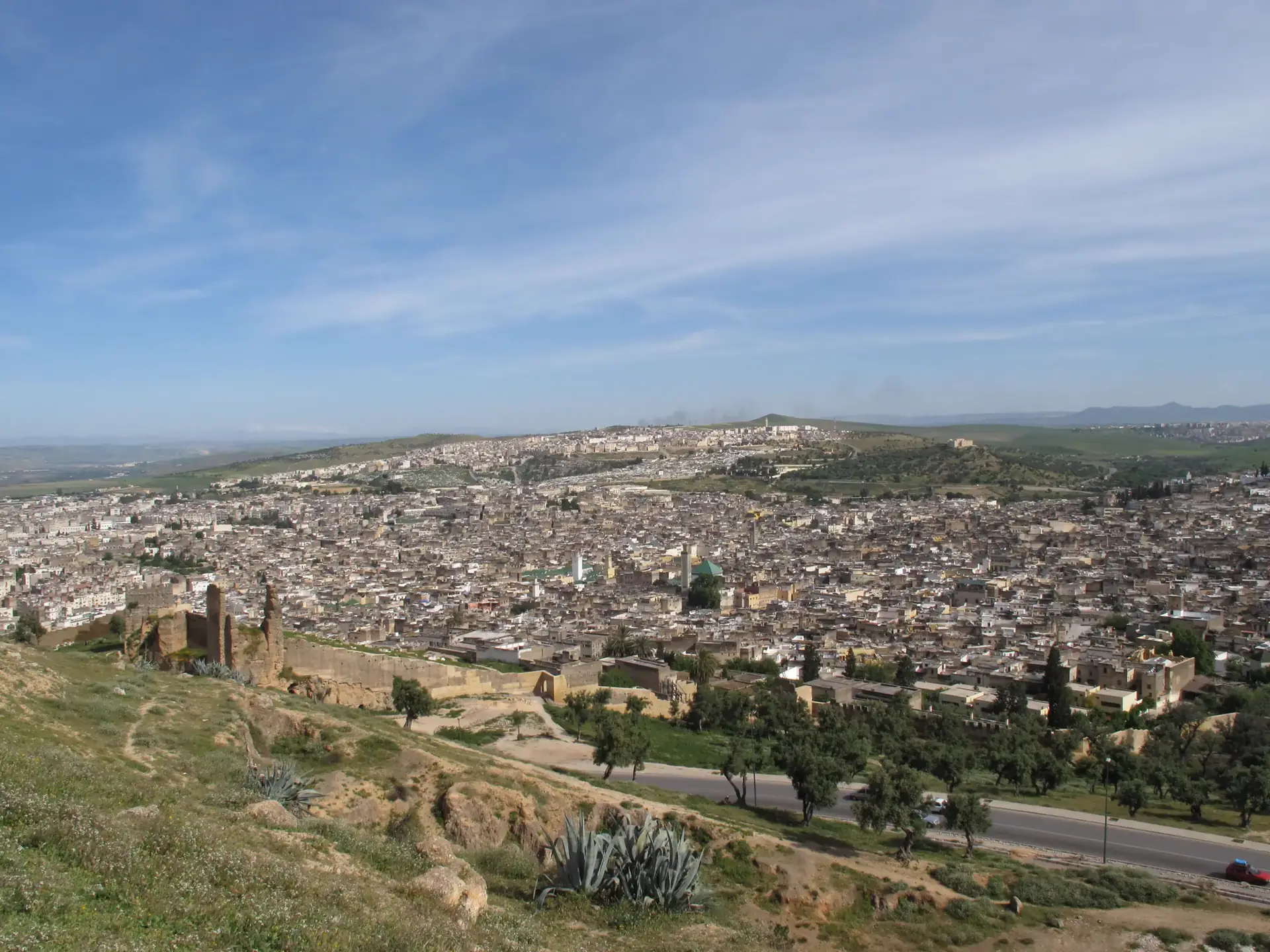
Morocco has no legal dress code for tourists, but in Fes you should dress modestly.
Fes el Bali from the Merinid TombsWhat should women wear in Morocco?
Loose, breathable clothing that covers the shoulders and knees is the practical baseline for women throughout the medinas, markets, towns and rural areas. Linen trousers or a long skirt with a lightweight top and a scarf is a versatile combination that works in summer heat and adapts to cooler evenings. A scarf — carried loosely around the shoulders — doubles as a modesty cover near religious sites, a sun shield in the desert, and a dust barrier on the Atlas pistes.
You do not need to cover your hair as a non-Muslim visitor except inside certain religious sites where it may be requested. Tight-fitting clothing, short skirts, shorts above the knee and sleeveless tops are best reserved for the coast or your riad's private courtyard and terrace. In the Fes medina lanes, body-conscious clothing is more likely to attract attention than modest clothing that simply covers well.
- Trousers or a long skirt (ankle to knee length) — breathable linen or cotton for hot weather.
- Lightweight top covering the shoulders — a loose shirt, blouse or tunic rather than a vest top.
- A scarf or pashmina — the most versatile item in a Morocco wardrobe; covers shoulders, head, sun and dust.
- Flat shoes or trainers for medina cobblestones — sandals are fine; heels are impractical.
- A lightweight cardigan or layer for cool evenings and air-conditioned restaurants.
What should men wear in Morocco?
Men face lighter scrutiny than women on dress in Moroccan public spaces. Lightweight trousers or chinos are appropriate everywhere; shorts are increasingly common in tourist areas but are better avoided in conservative medina quarters, rural villages and near religious sites. A collared shirt or plain t-shirt is fine; sleeveless vests draw more attention in traditional neighbourhoods than a standard t-shirt.
For the Sahara, loose lightweight trousers are more comfortable than shorts — desert sand, sun and camel saddles all favour coverage. For Atlas trekking, standard hiking trousers or long leggings are appropriate and practical regardless of temperature.
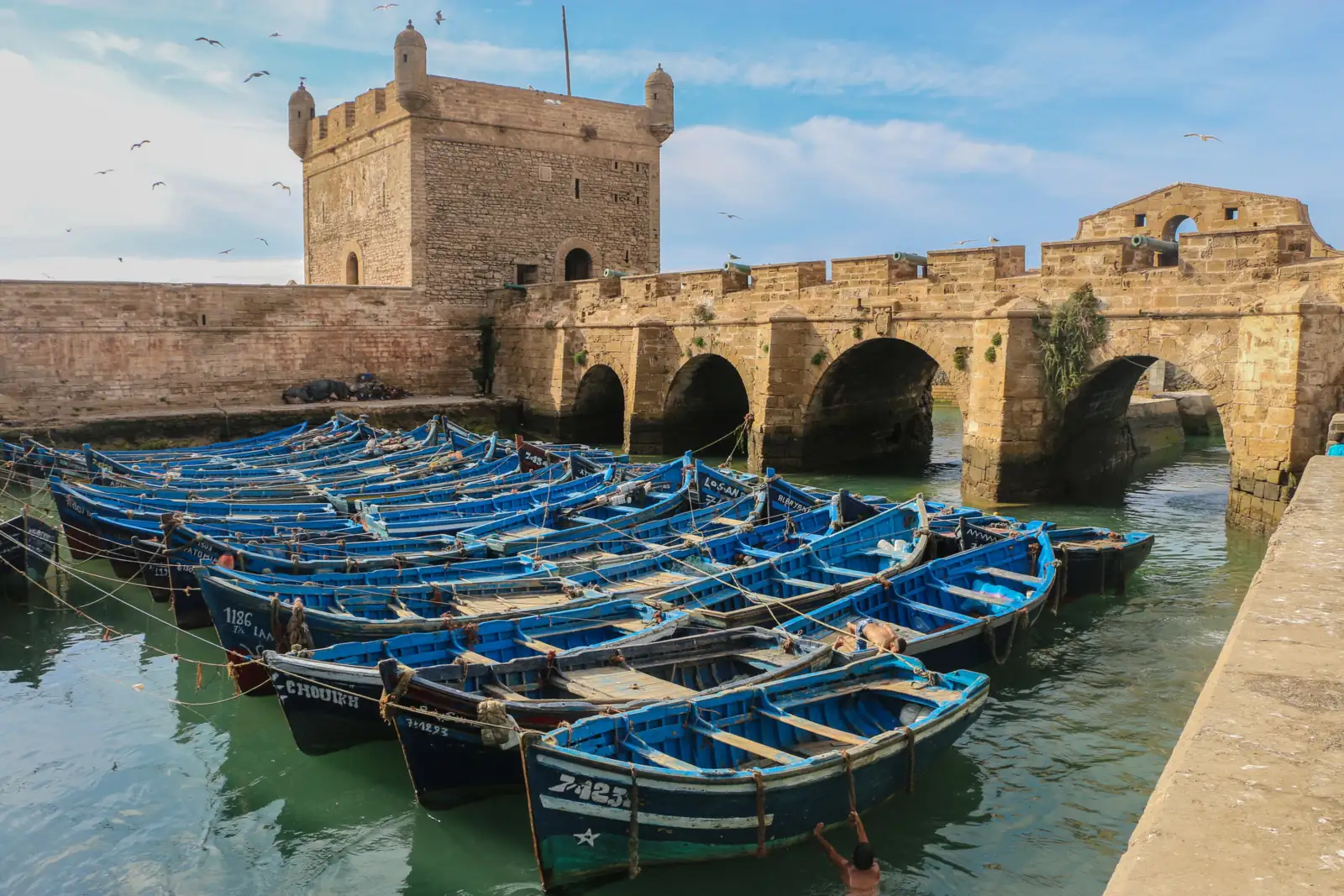
What to wear at the beach and resort hotels?
Morocco's Atlantic coast — Agadir, Essaouira, Taghazout — is significantly more relaxed on dress than the medinas. Swimwear on the beach, shorts and sleeveless tops on the beachfront promenade are all perfectly normal. The expectation shifts as soon as you leave the beach zone and enter town: cover up for the market, the pharmacy, the café and the main streets.
At riad pools and hotel pools, swimwear is entirely appropriate. Many riads provide a private, enclosed environment where guests dress as they would at any hotel — the privacy of the riad courtyard means the modesty norms of the street do not apply in the same way.
What to wear visiting mosques or religious sites?
Most active mosques in Morocco are closed to non-Muslims. Where entry is permitted — such as the Hassan II Mosque in Casablanca and some historic madrasas — the requirement is full arm and leg coverage for all genders, and women are asked to cover their hair inside the prayer hall. Shoes are removed at the threshold. A lightweight scarf carried in your bag is sufficient preparation for these occasions.
Even at sites open to non-Muslims, dress modestly: these are working places of worship. The threshold between tourist site and active religious space in Morocco is often blurred; when in doubt, err on the side of greater coverage.
Quick answers
Short answers to what travellers ask us about this.
Do women have to cover their heads in Morocco?
Can you wear shorts in Marrakech?
What is the most useful clothing item to pack for Morocco?
Can you wear sleeveless tops in Morocco?
What do Moroccan women typically wear?
Keep reading
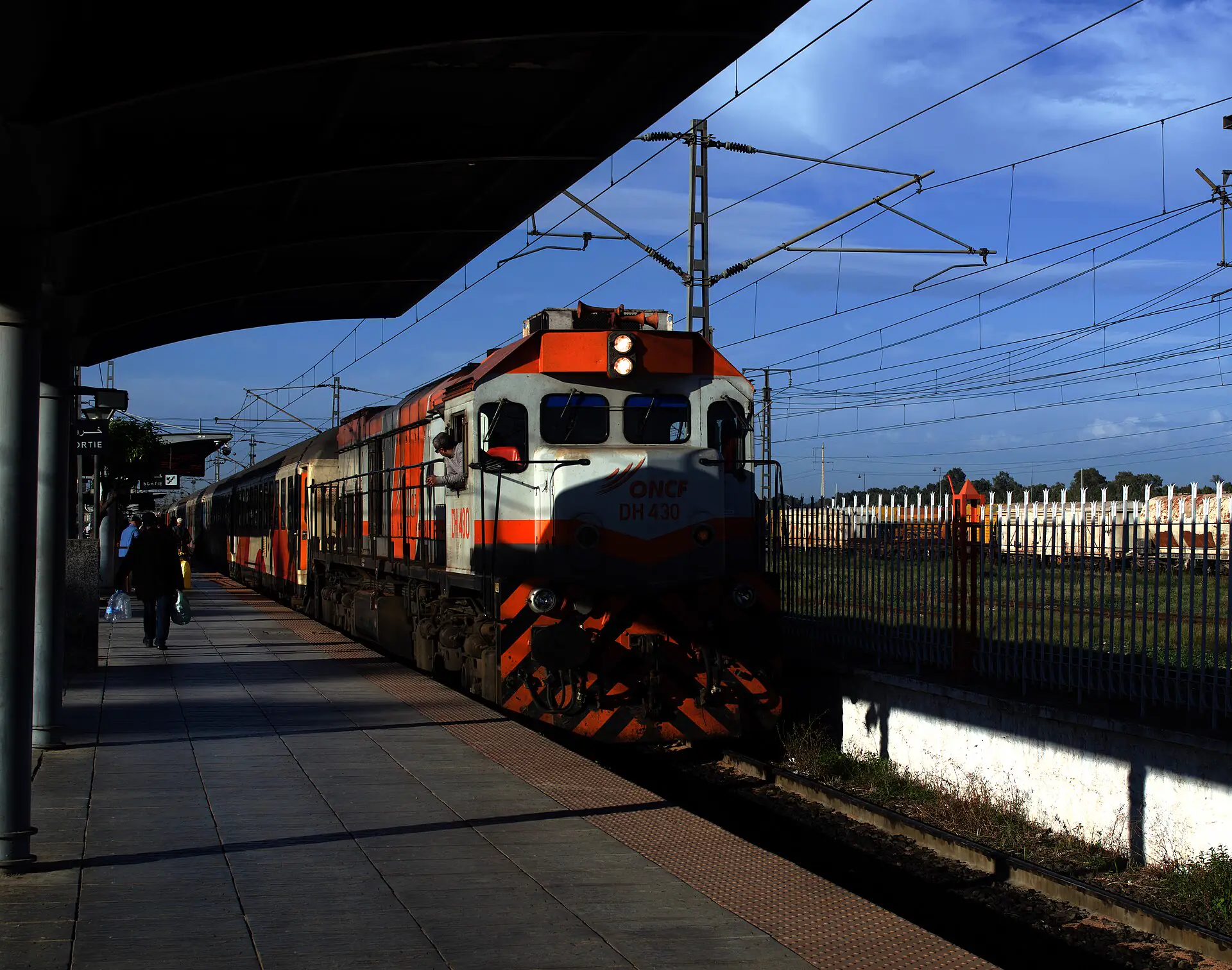 Getting around MoroccoFes sits squarely on Morocco's best rail line, so trains link it easily to Meknes, Rabat, Casablanca, Marrakech and Tangier.Read the guide
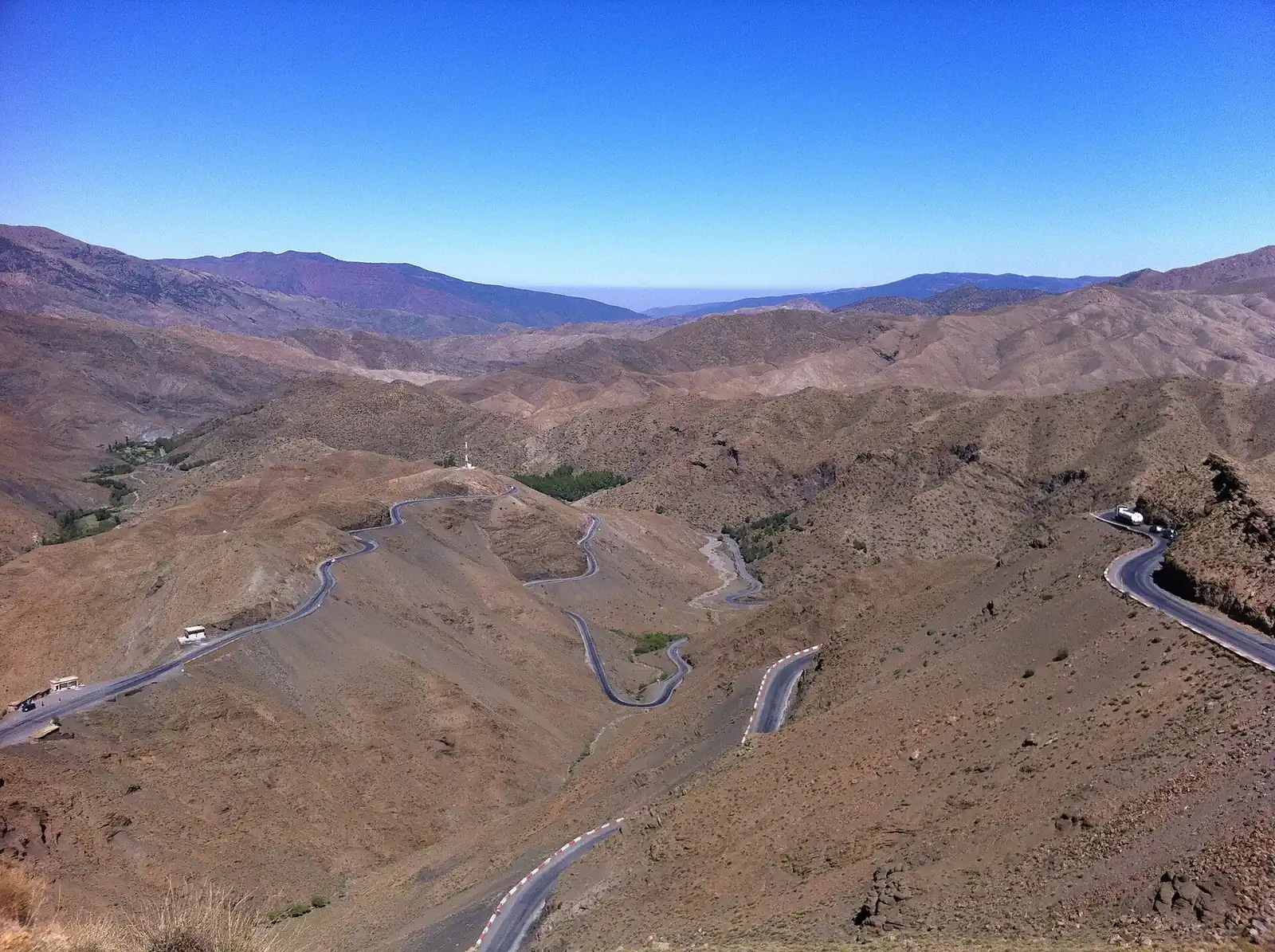 Marrakech to MerzougaMerzouga and the Erg Chebbi dunes can be reached from Fes (about 470 km south through the Middle Atlas and Ziz Valley, the shorter run) or from Marrakech (about 560 km via the High Atlas and the kasbah road, the more scenic run).Read the guide
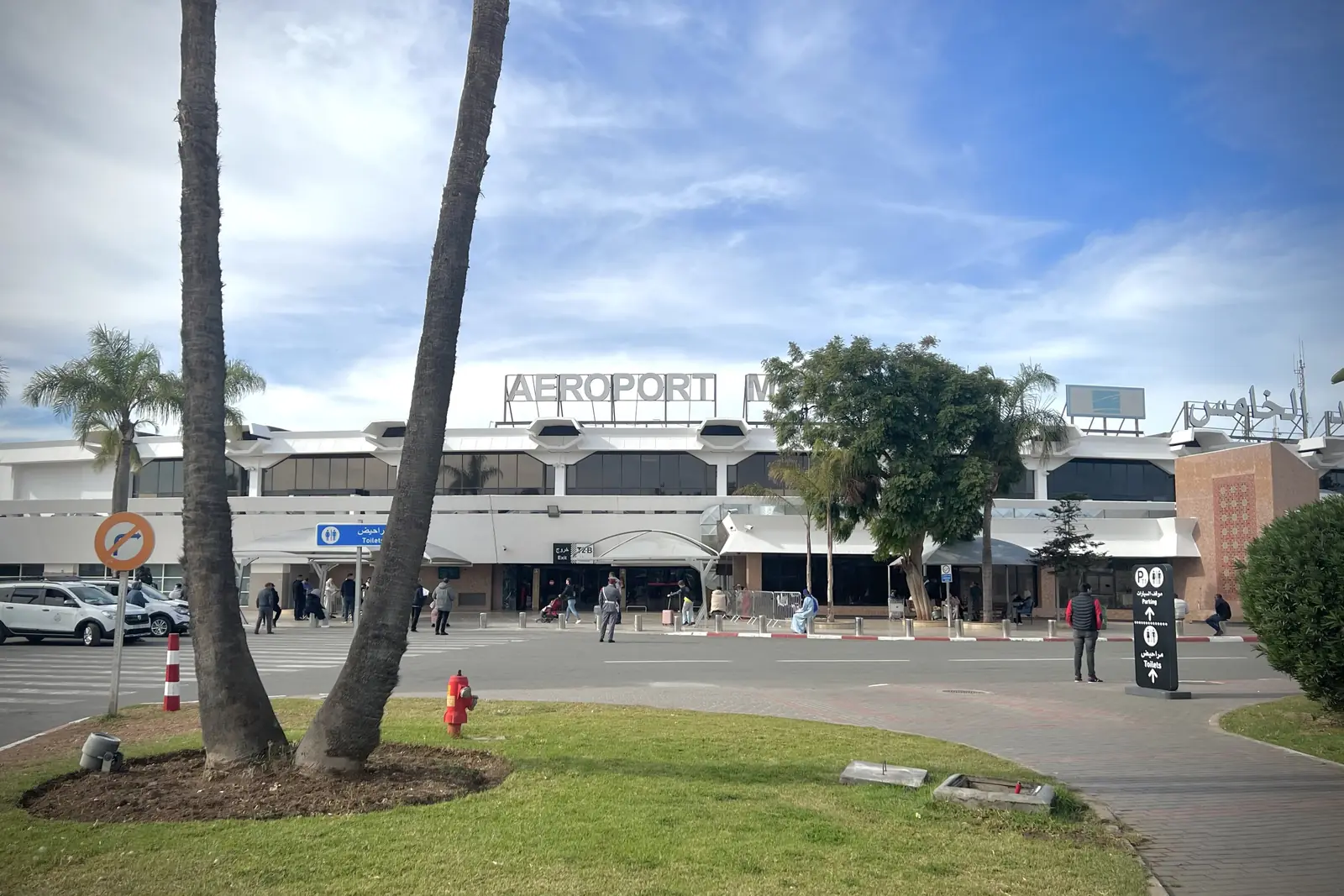 Casablanca airport (CMN) to Fes and beyondCasablanca Mohammed V Airport (CMN) is Morocco's busiest international gateway and a common arrival point for Fes — though a direct flight into Fès–Saïss (FEZ) is simpler if available.Read the guide
Tell us your dates. We'll plan it with you.
- Tell us what drew you in. Your dates, who is travelling and what you want to see.
- A person reads it. We write a day-by-day plan for your group, private or small-group.
- You change anything. Then we confirm the guides, drivers and riads.