Fes, Morocco· Concierge · Mon–Sat · 09:00–18:00 GMT+1
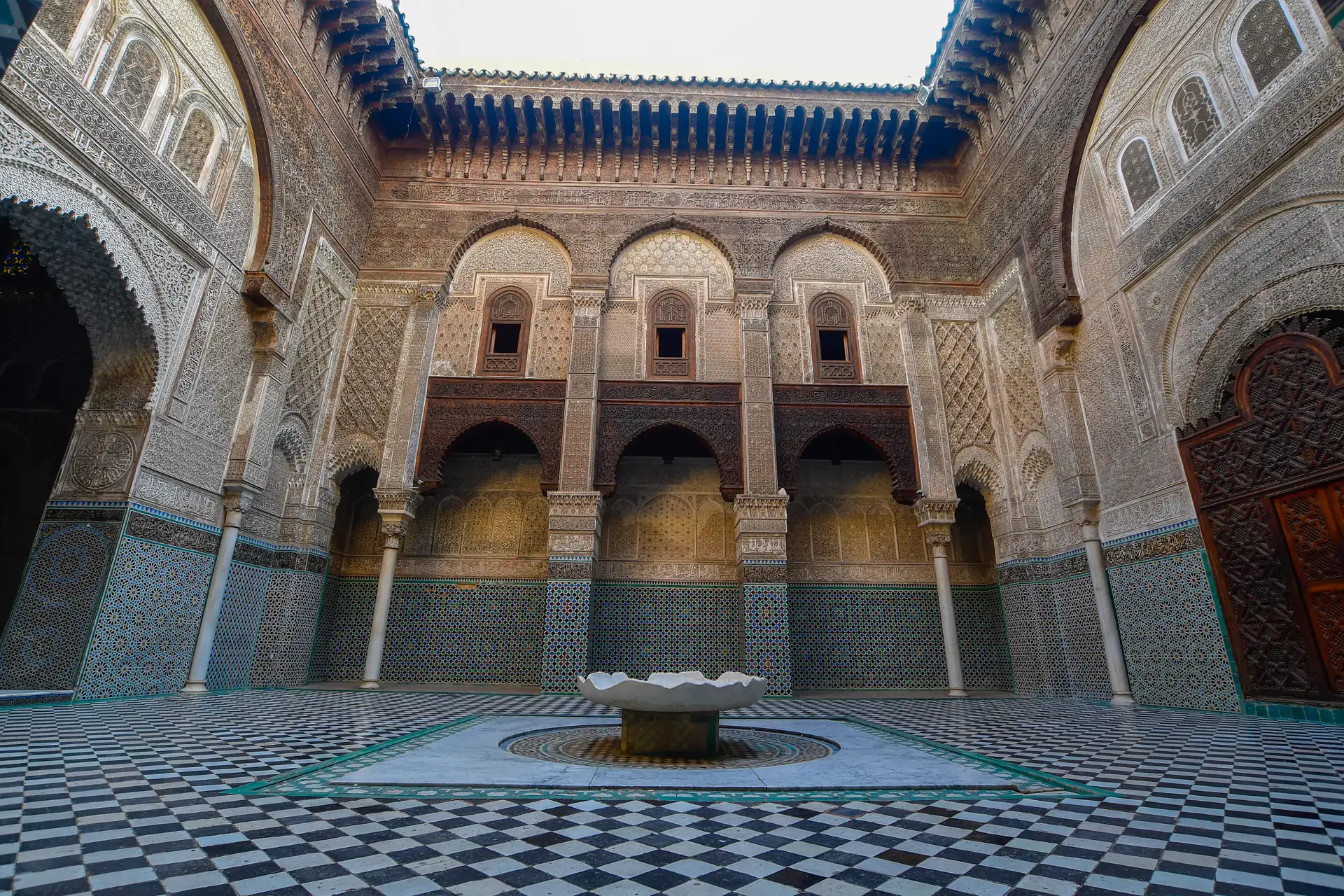
Al-Attarine Madrasa, Fes · Photo: Houssain tork, CC BY-SA 4.0
Morocco travel insurance
Morocco does not ask for proof of travel insurance at the border, but you should buy it. Private clinics in Fes, Marrakech and Casablanca meet international standards, while care in the Atlas and Sahara is limited. Choose a policy with medical cover, emergency evacuation and cancellation, and check the exclusions for trekking and camel rides.
- Updated June 2026
- 5 min read
- Practical
Travel insurance for a Fes and Morocco trip is not optional if you plan a Sahara extension, a camel trek or a Middle Atlas day, or simply want coverage for cancelled flights and luggage lost in transit. Here is what to look for, what it costs and which activities require specialist cover.
Why do you need travel insurance for Morocco?
Morocco's public healthcare system varies significantly by region. In Marrakech, Casablanca and Fes, private clinics that meet international standards exist and are accessible to insured travellers. In rural areas, the High Atlas and the Saharan south, medical facilities are limited and evacuation to a city hospital may be necessary. Without insurance, the cost of an air ambulance from the Merzouga desert region to Casablanca or a European hospital runs to tens of thousands of US dollars.
Beyond medical emergencies, standard travel insurance covers trip cancellation, lost or delayed luggage, passport theft and travel delay — all risks that apply to Morocco as to any international destination. The souks are crowded and pickpocketing occurs; the Atlas passes can close with snow; flights via Casablanca can be disrupted by fog. Insurance converts these risks from financial catastrophes into minor inconveniences.
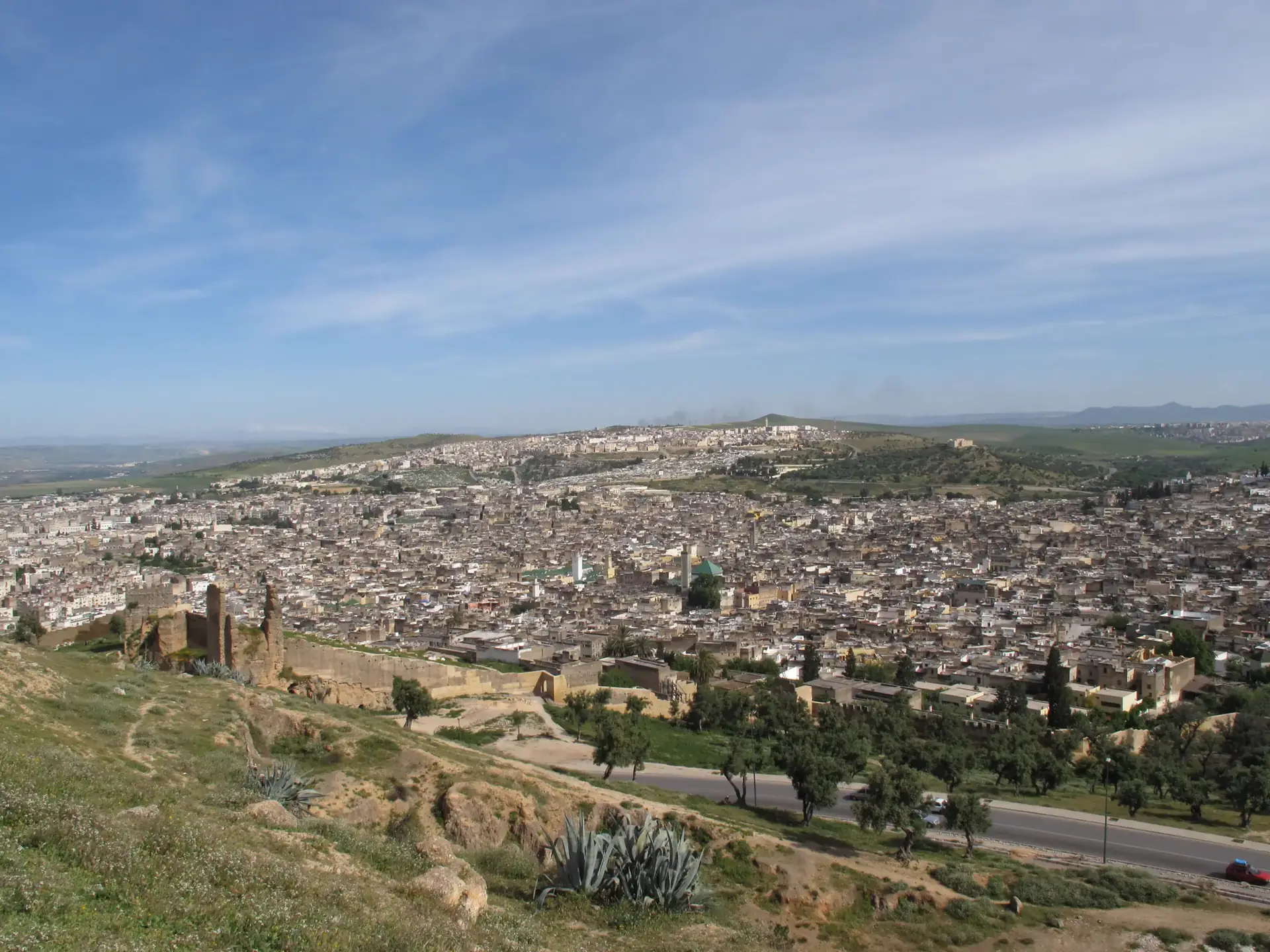
Morocco does not ask for proof of travel insurance at the border, but you should buy it.
Fes el Bali from the Merinid TombsWhat should your Morocco travel insurance include?
A policy adequate for Morocco should cover the following as a minimum.
- Medical treatment and hospitalisation: a minimum of US$500,000 is recommended; US$1 million is better for a policy that includes the USA.
- Emergency medical evacuation and repatriation: essential, particularly for the Atlas and the Sahara; evacuation costs are enormous without cover.
- Trip cancellation and curtailment: reimburses pre-paid costs you cannot recover (flights, riads, desert camps) if you cannot travel due to illness, bereavement or a covered event.
- Lost, stolen or damaged luggage: particularly relevant given souk crowds and checked-baggage handling.
- Travel delay: covers additional accommodation and meals if flights are delayed beyond a threshold (typically 4–6 hours).
- Personal liability: covers you if you accidentally injure someone or damage property.
Which activities require specialist cover?
Standard travel insurance policies exclude a range of adventure activities that are common on Morocco trips. Read the exclusions carefully before you buy, particularly if your trip includes any of the following.
- Trekking above 3,000 m (Toubkal summit is 4,167 m): many standard policies exclude trekking above a defined altitude. Look for a policy with explicit high-altitude trekking cover or buy a specialist adventure policy.
- Camel trekking: generally covered by most policies as a recreational activity, but check the wording.
- Quad biking and dune buggies: often excluded or require a specific motorised-sports add-on.
- Surfing (Taghazout, Essaouira, Agadir): sometimes excluded; confirm cover for water sports.
- Skiing or snowboarding in the Atlas: specialist winter sports cover required.
How much does Morocco travel insurance cost?
A standard single-trip policy for a two-week Morocco holiday from the UK or US typically costs US$30–80 per person for adequate cover without specialist activities. Adding high-altitude trekking or adventure sports cover raises this to US$60–150 per person. Annual multi-trip policies are cost-effective for travellers who take two or more international trips per year — the cost per trip is usually lower than individual policies.
Always compare the excess (the amount you pay before insurance kicks in) as well as the headline cover levels. A policy with a low premium but a US$500 excess on medical claims may be less useful than one costing slightly more with a US$100 excess.
What to do if you need to make a claim in Morocco
Keep every receipt, medical report and police report you receive. If your luggage is stolen, file a report with the local police (a déclaration de vol) — this is required by almost every insurer to support a claim. If you need medical treatment, contact your insurer's emergency assistance line before committing to a hospital where possible. Carry your policy number and the emergency assistance number on your phone and on paper, separately from your other documents.
Quick answers
Short answers to what travellers ask us about this.
Is travel insurance required for Morocco?
Does standard travel insurance cover trekking Toubkal?
What is emergency medical evacuation and do I need it?
Will my travel insurance cover theft in the Fes souks?
Can I buy travel insurance after arriving in Morocco?
Keep reading
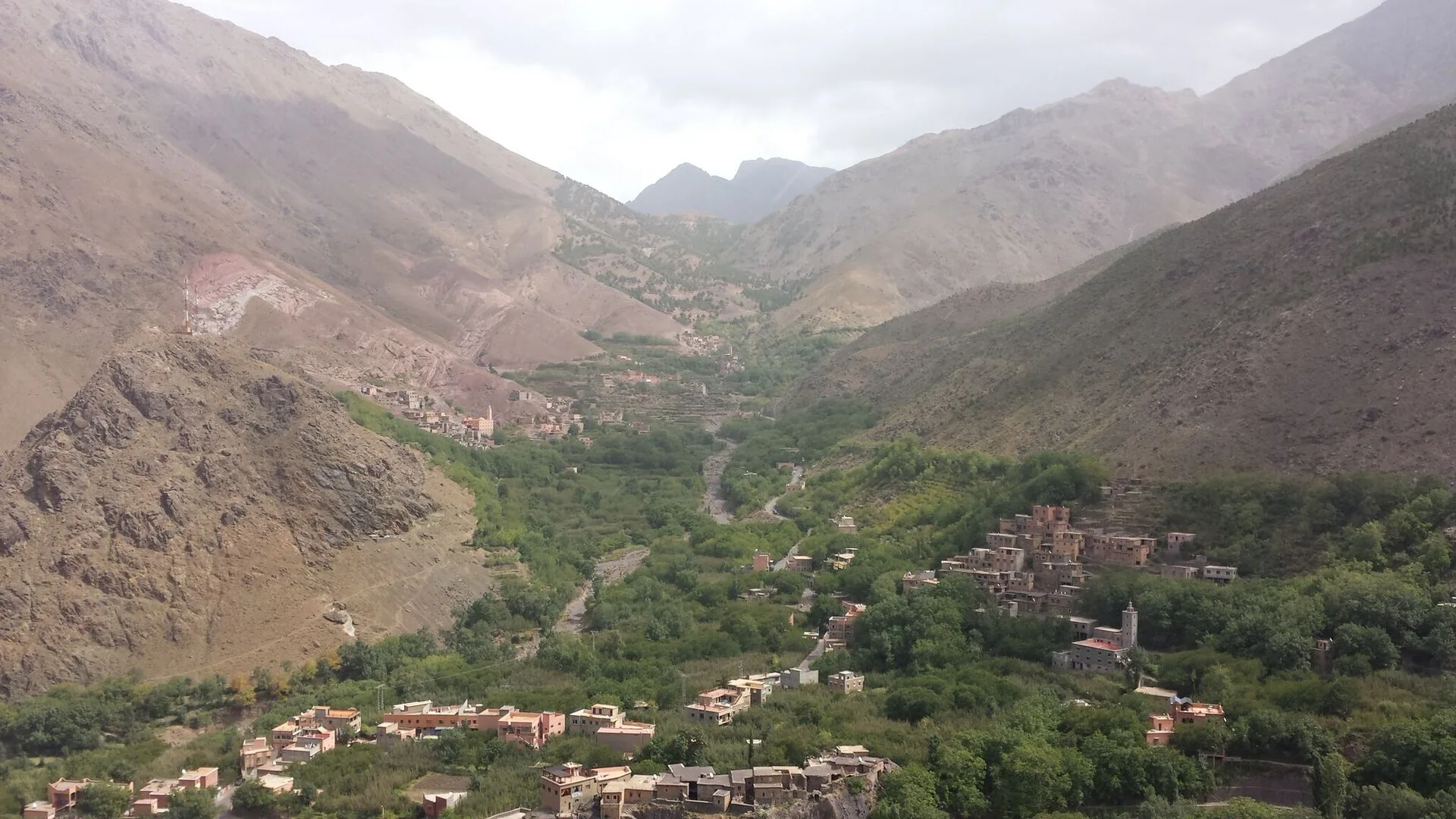 Trekking the Atlas MountainsThe High Atlas rises to 4,167 metres at Jbel Toubkal, North Africa's highest peak.Read the guide
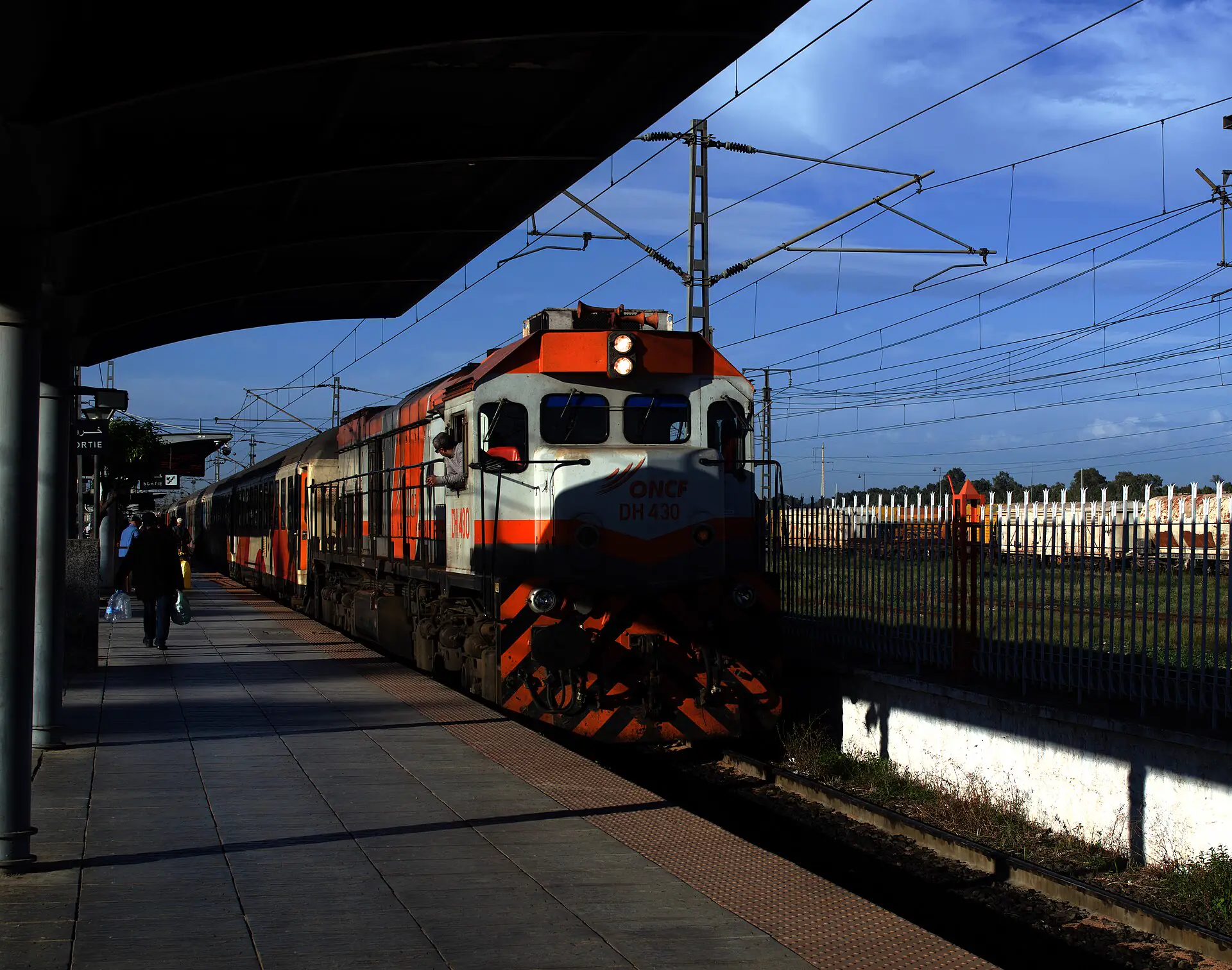 Getting around MoroccoFes sits squarely on Morocco's best rail line, so trains link it easily to Meknes, Rabat, Casablanca, Marrakech and Tangier.Read the guide
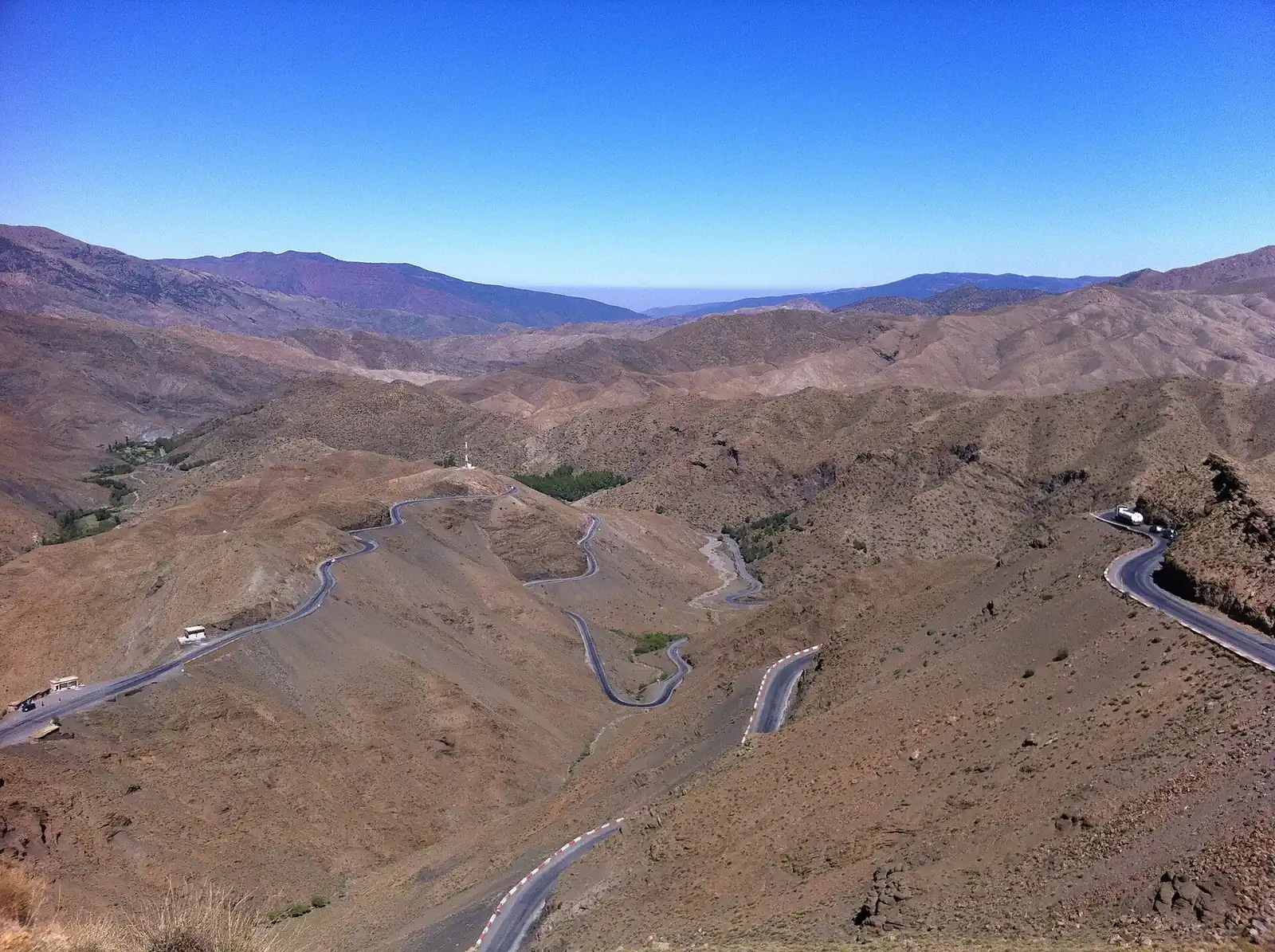 Marrakech to MerzougaMerzouga and the Erg Chebbi dunes can be reached from Fes (about 470 km south through the Middle Atlas and Ziz Valley, the shorter run) or from Marrakech (about 560 km via the High Atlas and the kasbah road, the more scenic run).Read the guide
Tell us your dates. We'll plan it with you.
- Tell us what drew you in. Your dates, who is travelling and what you want to see.
- A person reads it. We write a day-by-day plan for your group, private or small-group.
- You change anything. Then we confirm the guides, drivers and riads.