Fes, Morocco· Concierge · Mon–Sat · 09:00–18:00 GMT+1
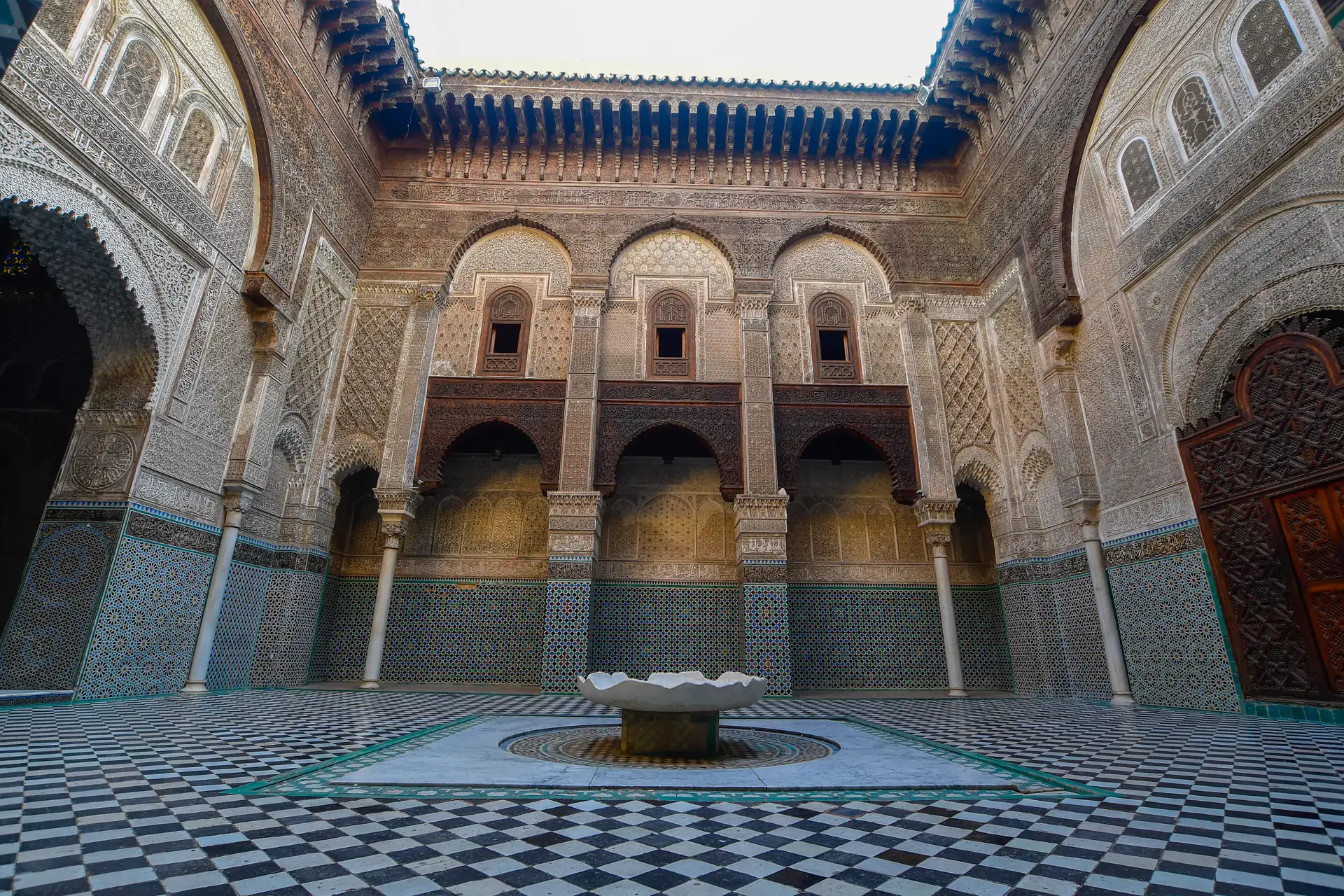
Al-Attarine Madrasa, Fes · Photo: Houssain tork, CC BY-SA 4.0
eSIMs for Morocco
An eSIM works in Morocco on an unlocked, compatible phone and connects to Maroc Telecom, Orange or Inwi. Activate it before you land at Fès–Saïss and you skip the airport SIM queue. Airalo, Holafly, Nomad and Ubigi are widely used. Coverage is strong in Fes and the cities but weaker in the Atlas and Sahara.
- Updated June 2026
- 5 min read
- Practical
An eSIM lets you activate a Moroccan data plan before you land at Fès–Saïss, skip the airport SIM queue and keep your home number available on the same device — handy the moment you reach the Fes medina gate and want maps and WhatsApp. Here is how eSIMs work in Morocco, which providers to use and where coverage is reliable.
What is an eSIM and how does it work in Morocco?
An eSIM (embedded SIM) is a digital SIM built into your phone that can be loaded with a carrier profile via a QR code — no physical card required. Once activated, it connects to a local network as a standard SIM would. In Morocco, eSIM plans connect to one of the three national networks: Maroc Telecom (IAM), Orange Morocco or Inwi, depending on the eSIM provider's roaming agreement.
eSIM-compatible devices include most iPhone models from iPhone XS onwards, Google Pixel 3 onwards, Samsung Galaxy S20 onwards and many other recent Android flagships. Some devices sold in certain markets (particularly China) lock out the eSIM slot — check your specific model before buying a plan. Your device must be unlocked to accept a foreign eSIM.
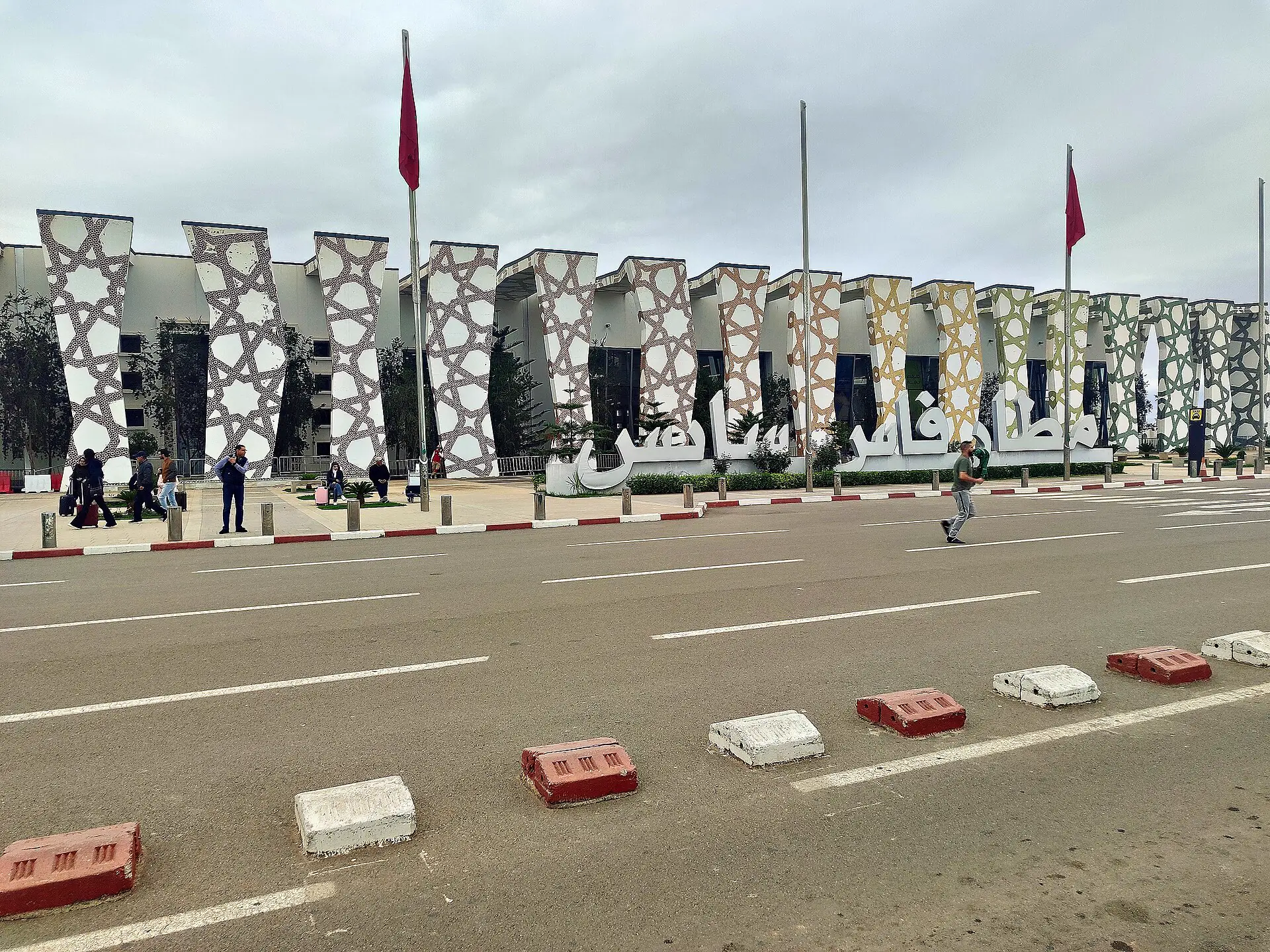
An eSIM works in Morocco on an unlocked, compatible phone and connects to Maroc Telecom, Orange or Inwi.
Fes-Saïss AirporteSIM vs local SIM vs home-network roaming
Three connectivity options exist for Morocco, each with different trade-offs.
- eSIM (travel eSIM provider): active before arrival; no queue; keep your home number live on a dual-SIM device; typically costs US$8–25 for 7–10 GB of data; ideal for short to medium stays.
- Local physical SIM (Maroc Telecom, Orange, Inwi): bought at the airport or in town for MAD 30–80 with a large data bundle; cheapest option per GB; requires your passport for registration; physical SIM swap means temporarily losing your home number.
- Home-network roaming: simplest but most expensive — daily roaming charges from European or US carriers can run US$5–15/day; check your carrier's Morocco roaming rate before relying on this.
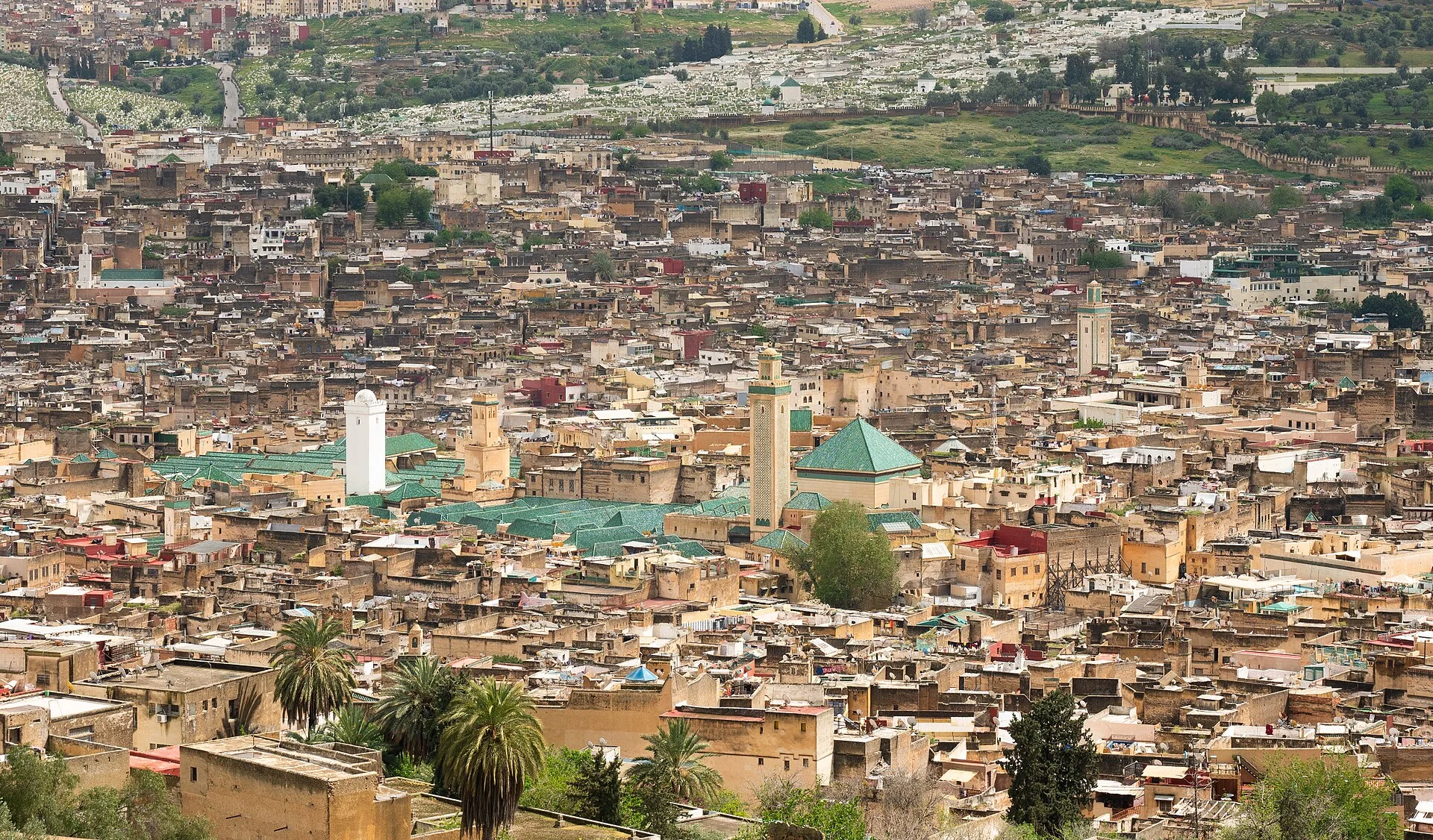
Where does eSIM coverage work in Morocco?
Morocco's 4G network — primarily Maroc Telecom's, which covers the most ground — is fast and reliable across Fes and the imperial cities, main towns and the principal intercity roads, though GPS can drift among the tall walls of Fes el-Bali. Coverage degrades in the Middle and High Atlas passes, remote valleys and the deep Saharan piste beyond the tarmac. At Erg Chebbi (Merzouga), a signal exists at the dune edge and in the village; many luxury camps deliberately run without Wi-Fi or signal as part of the experience.
eSIM data plans that route through Maroc Telecom tend to offer the best rural coverage in Morocco. Plans routing through Inwi are sometimes cheaper but occasionally show gaps in the far south. Check which network your chosen eSIM provider partners with before purchasing.
Which eSIM providers work well in Morocco?
Several travel eSIM providers offer Morocco plans. Airalo, Holafly, Nomad and Ubigi are among the most widely used and generally reliable. Plans vary in data allowance (1 GB to unlimited), validity (7–30 days) and price. For a two-week Morocco trip with moderate use — maps, WhatsApp, occasional photos to cloud — a 5–10 GB plan is sufficient for most travellers.
Buy and install the eSIM before departure: QR code installation requires an internet connection, and airport Wi-Fi is slow and unreliable. Install the profile at home on a trusted network, set it to activate on arrival in Morocco, and it connects when you land.
- Airalo: widely used; Morocco plans typically US$8–16 for 3–10 GB; clear app interface.
- Holafly: unlimited data plans available (US$19–27 for 7 days); good for heavy users.
- Nomad: competitive pricing; routed through Maroc Telecom in Morocco.
- Local SIM alternative: Maroc Telecom airport desks sell prepaid SIMs with 20–30 GB for MAD 80–120 (approximately US$8–12) — best value for longer stays.
Practical tips for connectivity in Morocco
WhatsApp is the universal communication tool in Morocco — riads, guides, drivers and camps all prefer it to calls or email. Ensure your eSIM or local SIM is active before you message your riad on arrival. Google Maps downloads work offline: save your route before leaving Wi-Fi range. For the desert segment of your trip, download offline maps of the Merzouga area in advance, as reliable data can be intermittent on the piste.
Most riads, cafés and restaurants in the cities offer free Wi-Fi, which supplements a mobile data plan for heavy usage. At Sahara camps, do not rely on Wi-Fi — assume none and enjoy the disconnection as part of the experience.
Quick answers
Short answers to what travellers ask us about this.
Do eSIMs work in Morocco?
Is it better to buy an eSIM or a local SIM in Morocco?
Which network has the best coverage in Morocco?
How much data do I need for two weeks in Morocco?
Is there Wi-Fi at Sahara desert camps?
Keep reading
 Getting around MoroccoFes sits squarely on Morocco's best rail line, so trains link it easily to Meknes, Rabat, Casablanca, Marrakech and Tangier.Read the guide
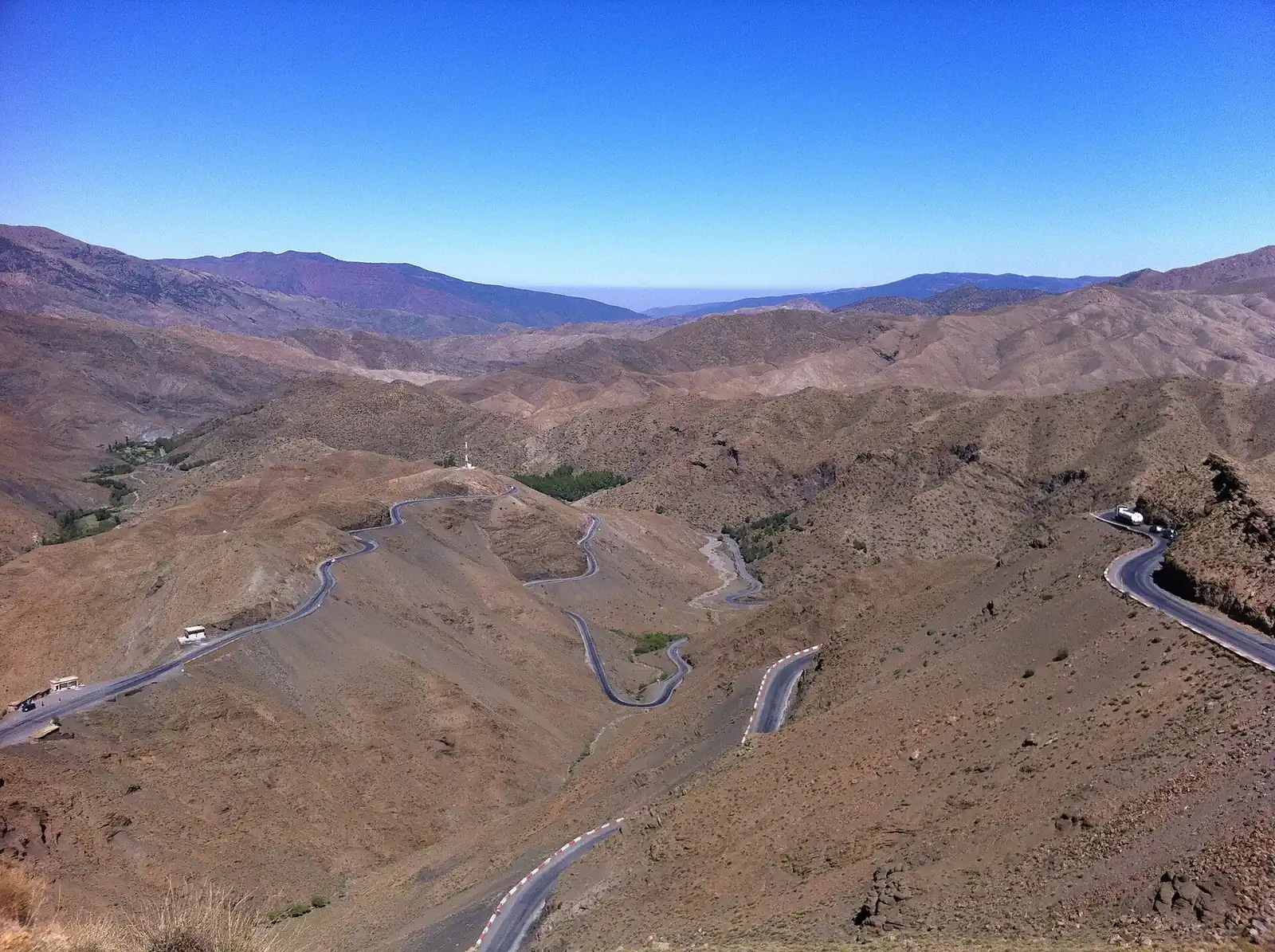 Marrakech to MerzougaMerzouga and the Erg Chebbi dunes can be reached from Fes (about 470 km south through the Middle Atlas and Ziz Valley, the shorter run) or from Marrakech (about 560 km via the High Atlas and the kasbah road, the more scenic run).Read the guide
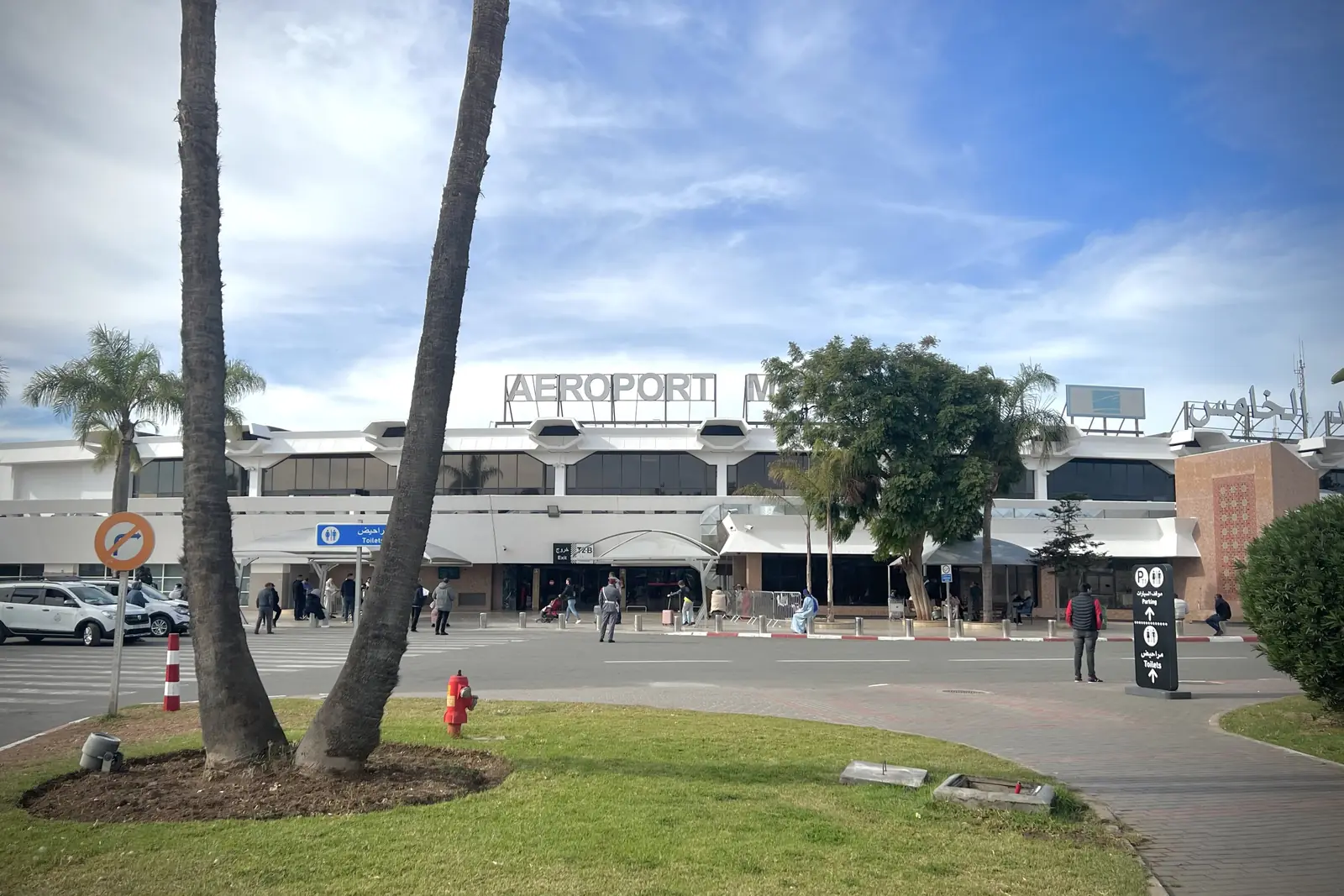 Casablanca airport (CMN) to Fes and beyondCasablanca Mohammed V Airport (CMN) is Morocco's busiest international gateway and a common arrival point for Fes — though a direct flight into Fès–Saïss (FEZ) is simpler if available.Read the guide
Tell us your dates. We'll plan it with you.
- Tell us what drew you in. Your dates, who is travelling and what you want to see.
- A person reads it. We write a day-by-day plan for your group, private or small-group.
- You change anything. Then we confirm the guides, drivers and riads.