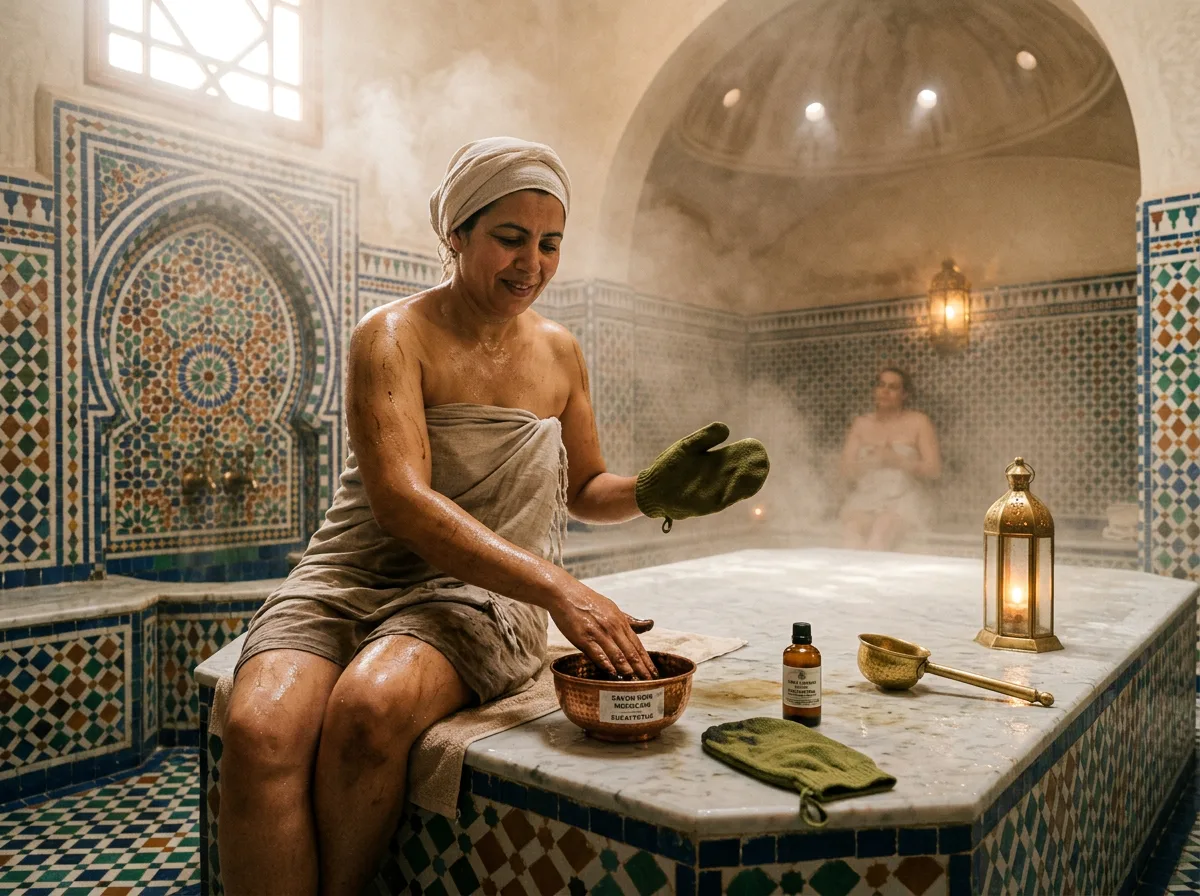
A little cultural awareness goes a long way in Fes, one of Morocco's most traditional and spiritual cities. Dress modestly, greet warmly, ask before photographing people, use your right hand, and embrace the unhurried pace of mint tea and conversation in the medina.
In this guide
Dress and behaviour
Fes is a Muslim city with a strong, lived sense of modesty — more conservative than the coastal resorts. Covering shoulders and knees — for men and women — is genuinely appreciated in the medina and especially around the Kairaouine, the medersas and the shrine of Moulay Idriss II. Public displays of affection are best kept low-key.
Greetings, hands and hospitality
Greetings matter: a warm 'salam' and a handshake (with the same gender; follow the other person's lead across genders) opens doors, and Fassi shopkeepers and artisans expect a little conversation before business. Eat and pass items with your right hand. If you're invited into a medina home — which happens more readily here than you might expect — a small gift of pastries, tea or sugar is a lovely gesture, and accepting tea is part of the ritual, not optional politeness.
Photography, bargaining and tipping
Always ask before photographing people, especially the tannery workers, water-sellers and stallholders of Fes el-Bali; some will ask for a small fee, others will decline — respect both. Bargaining in the souks is expected and friendly, not aggressive: start well below the asking price and keep it good-humoured over a glass of tea. Small tips (baksheesh) oil daily life, including the porters who guide your luggage through the medina lanes — keep coins and small notes handy.
Frequently asked
Can non-Muslims enter mosques in Morocco?
Generally no — working mosques, including the great Kairaouine in Fes, are closed to non-Muslims, though you can often glimpse the courtyards from the doorways. The compensation in Fes is the medersas: the Bou Inania and Al-Attarine are open to visitors and rank among the finest examples of Marinid zellige and carved-cedar craftsmanship anywhere.
How does bargaining work in Moroccan souks?
It's expected and part of the fun, especially in the Fes leather, brass and zellige souks. Decide what an item is worth to you, open below the asking price, stay friendly over the offered tea, and be ready to walk away — often the best prices appear as you leave.
Is it rude to refuse mint tea?
Tea is a sincere gesture of hospitality, so accept it when you reasonably can. If you genuinely can't, decline warmly and with thanks — Moroccans are gracious about it.
Planning a trip?
Let a Marrakech atelier handle the details.
Tell us your dates and style and we'll send a written itinerary and a transparent quote within 24 hours.
Request an itineraryKeep reading
Culture
Moroccan Food & Drink
Fes is widely considered the culinary capital of Morocco — the refined home of pastilla, slow-cooked tagines, couscous Fridays and a deep repertoire of medina street food, all washed down with the endless ritual of sweet mint tea.
Practical
What to Pack for Morocco
Pack light, modest and layered. A Fes trip swings from hot, dusty medina lanes to cool evenings and chilly desert or Middle Atlas nights, so breathable layers, genuinely comfortable walking shoes and a warm top cover almost everything.
Planning
Is Morocco Safe to Visit?
Yes — Morocco is one of the safest and most welcoming countries in North Africa for travellers, and Fes is a deeply traditional city used to visitors. The main day-to-day issues are petty scams and the hustle of getting lost in the vast Fes el-Bali medina, both easily managed.