Best for: Travellers on a tight itinerary, day-trippers, those passing through between cities
One day
The headline sights of Fes el-Bali in a single, fast-moving day.
Fes, Morocco· Concierge · Mon–Sat · 09:00–18:00 GMT+1
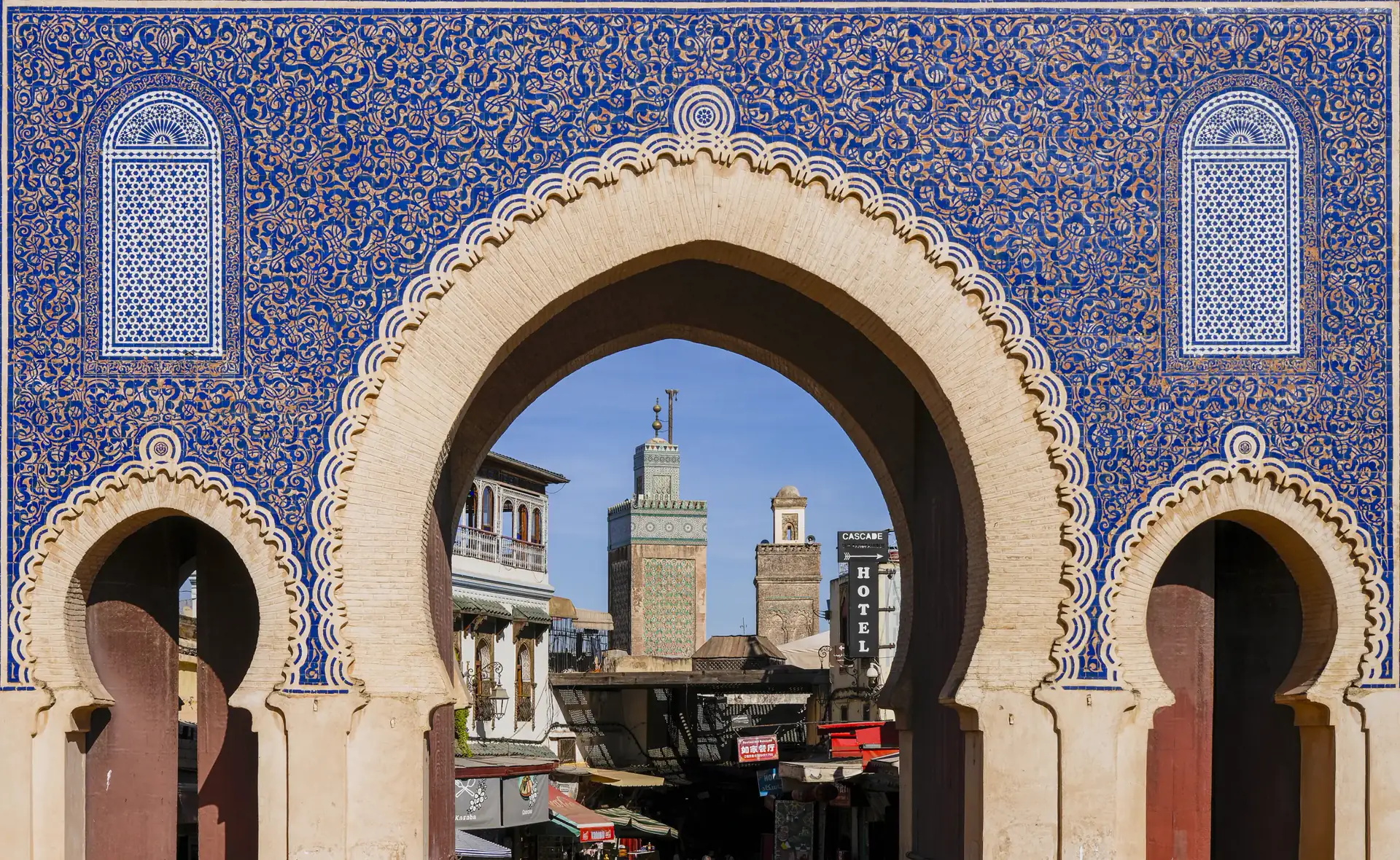
Bab Boujloud, Fes · Photo: Timothy A, CC BY-SA 4.0
Give Fes two days if you can. One well-planned day covers the essentials of Fes el-Bali: Bab Boujloud, the Bou Inania and Al-Attarine medersas, and the Chouara tannery. A second day adds Fes el-Jdid, the Mellah, real time with artisans, or a day trip to Volubilis and Meknes. With only one day, take a licensed guide.
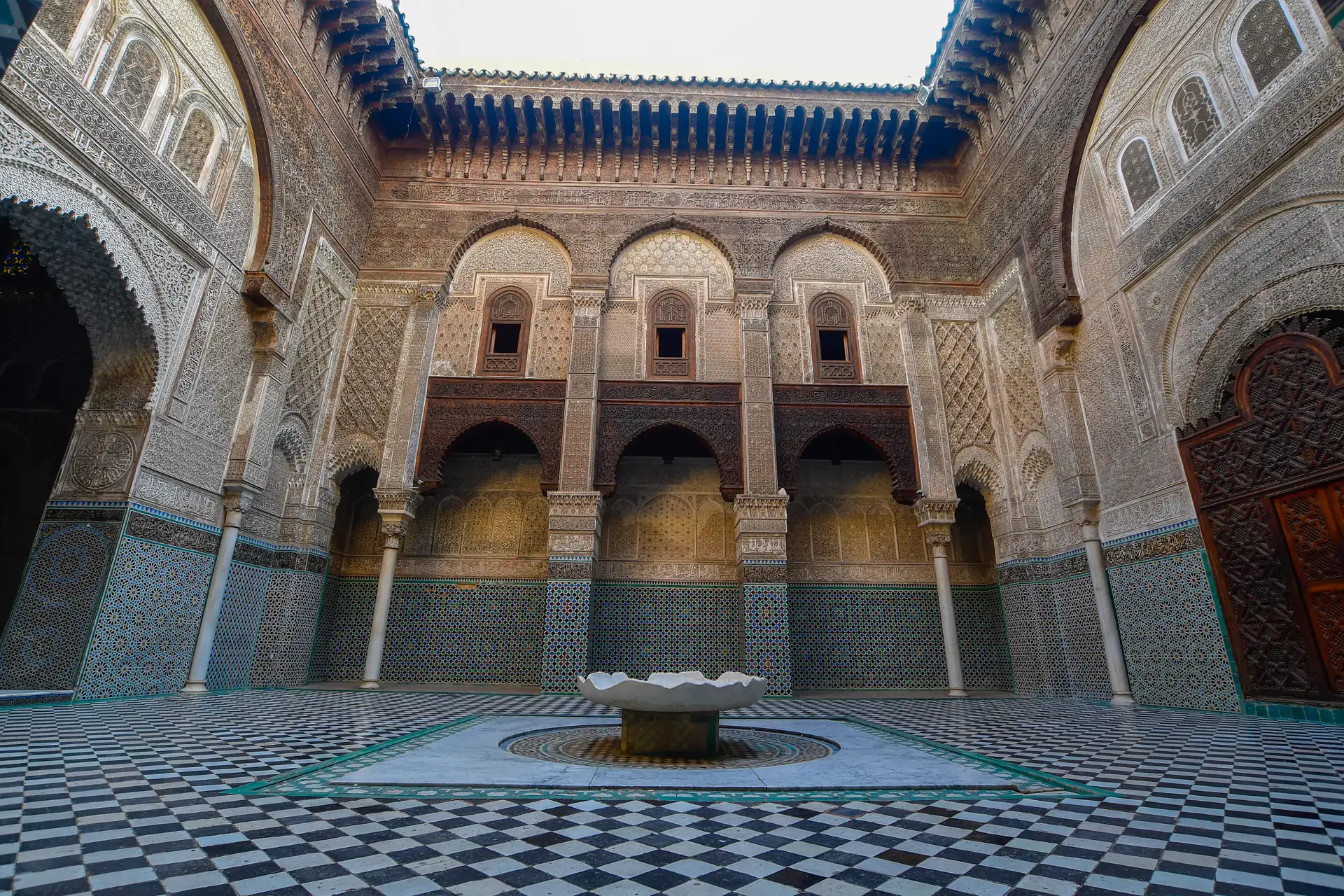
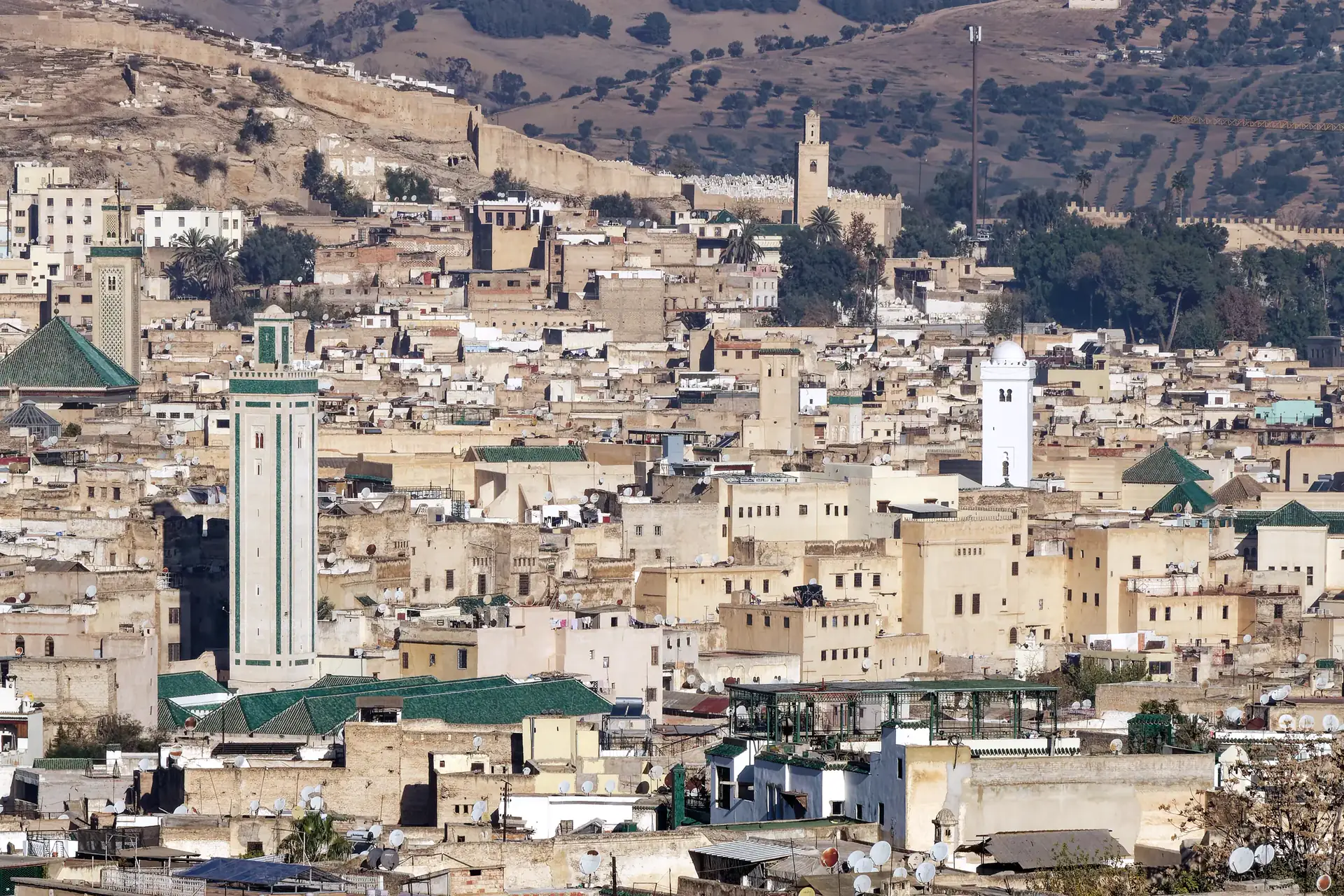
Fes el-Bali is a medieval city still lived in, and how long you give it changes the trip entirely. With one day you can see the headline acts — the warren of Fes el-Bali, the Chouara tannery from a leather shop's terrace, the dazzling tilework of the Bou Inania and Al-Attarine medersa, the blue-tiled gate of Bab Boujloud and the exterior of the Qarawiyyin — but you'll be moving briskly and the medina's quieter corners stay closed to you. With two days the city opens up: you slow down inside Fes el-Bali, then add Fes el-Jdid (the 'new' 13th-century imperial city) and the Mellah (the old Jewish quarter), spend unhurried time in the artisan quarters watching dyers, weavers and brass-beaters at work, and still have room for one of the great day trips beyond the walls — the Roman ruins of Volubilis and the imperial city of Meknes, both within easy reach. One day is enough to say you've seen Fes; two is enough to begin to understand it.
Best for: Travellers on a tight itinerary, day-trippers, those passing through between cities
Best for: Anyone who wants to actually feel the city, craft enthusiasts, slower travellers
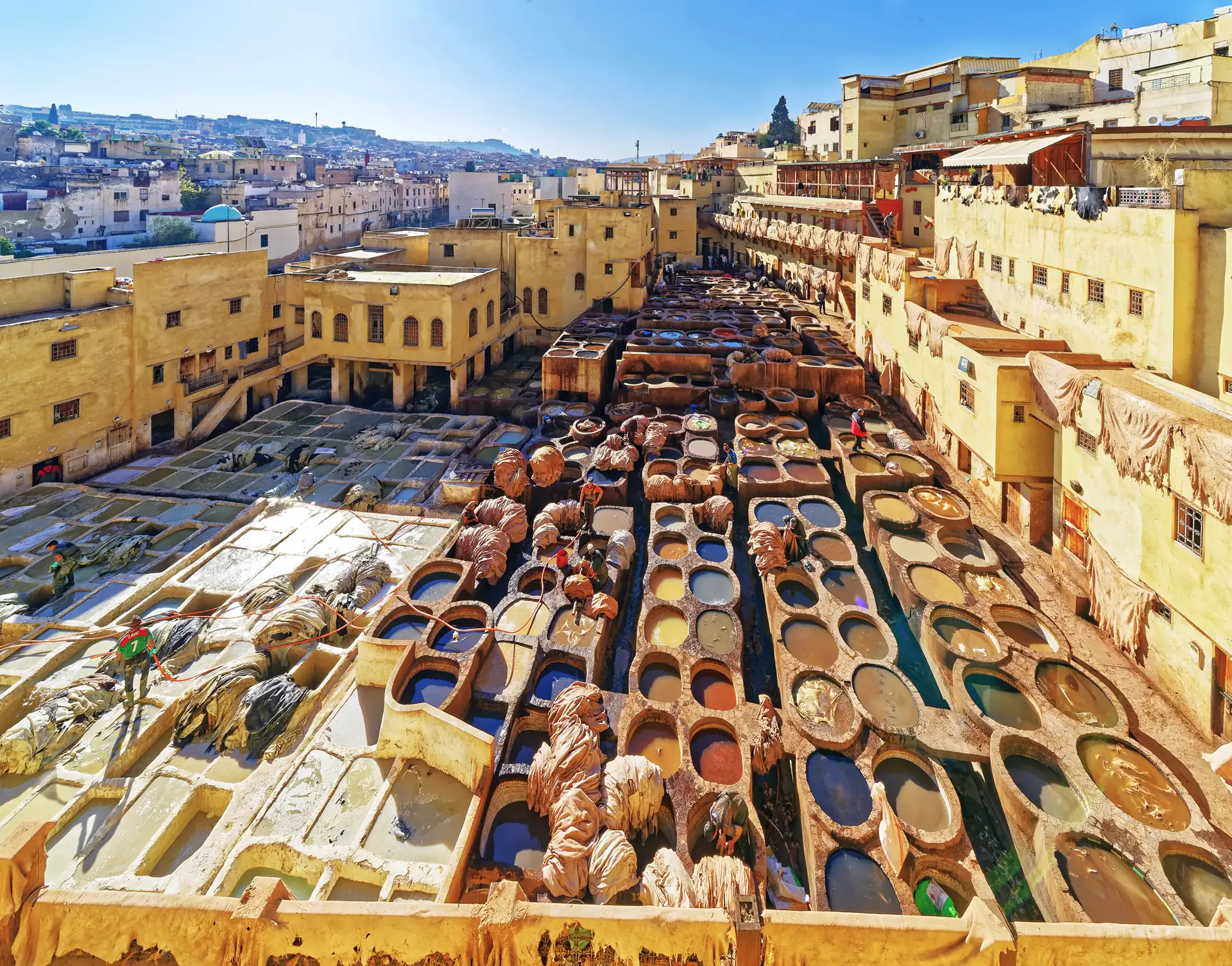
Chouara tannery, Fes.
Chouara tannery, FesWhat shapes a trip, with One day and Two days answered together.
One day. Headline route only — main thoroughfares and a few key sites at pace
Two days. Unhurried — time to wander the side lanes, souks and quieter derbs
One day. Bou Inania and Al-Attarine medersa, Qarawiyyin exterior, Nejjarine fountain — briefly
Two days. The same, plus time to sit, photograph and visit lesser-seen courtyards properly
One day. A quick stop at a Chouara terrace overlook for the classic view
Two days. Chouara plus the smaller Sidi Moussa and Ain Azliten tanneries, and time to understand the process
One day. Usually skipped — no time after the old medina
Two days. Included — the 13th-century imperial quarter, the Royal Palace gates and the old Jewish Mellah
One day. Glimpsed in passing — a brass souk or weaver if the route allows
Two days. Visited properly — dyers' souk, weaving and ceramic/zellige workshops at a craftsman's pace
One day. Not possible in a single Fes day
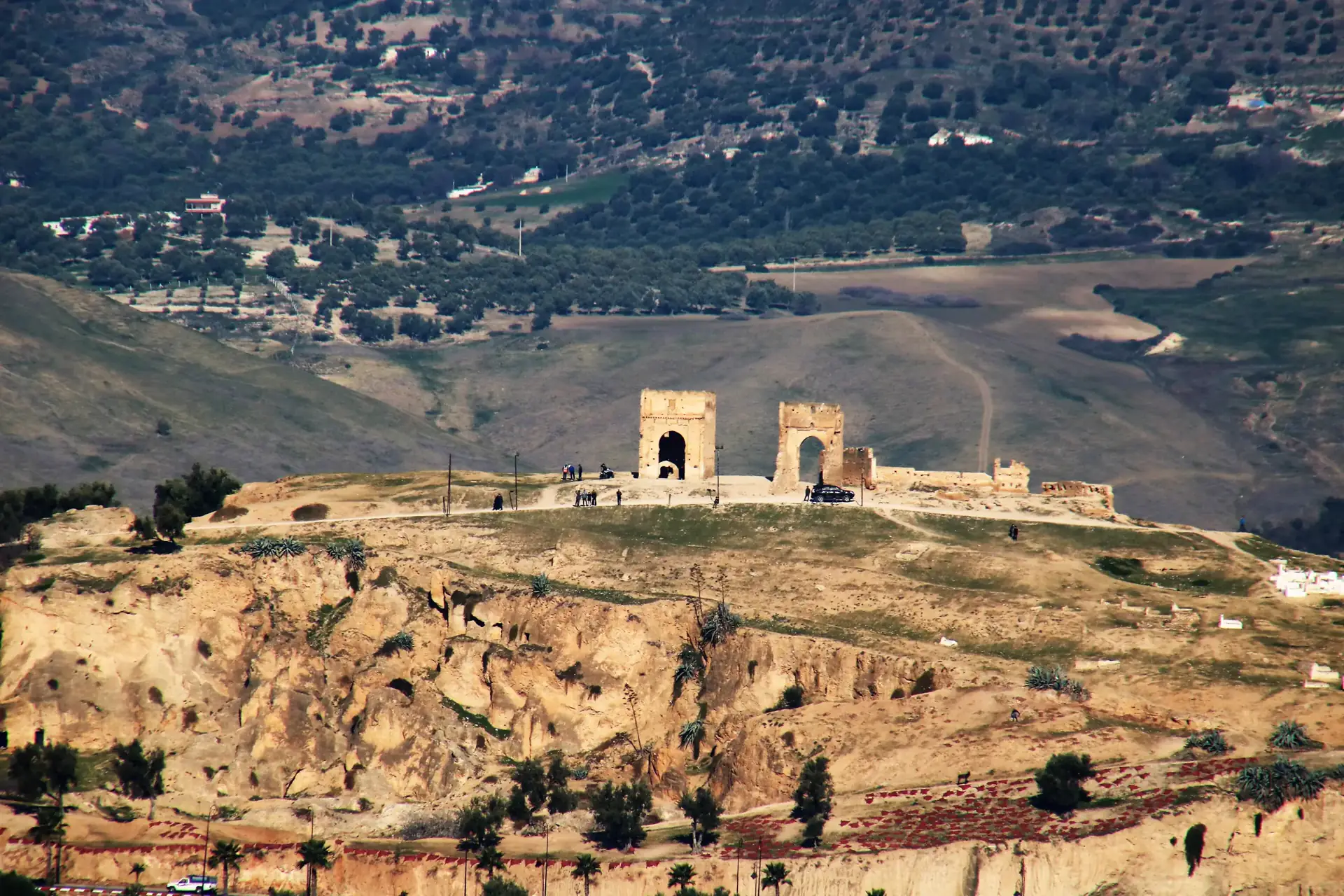
Two days. A half- or full-day to Volubilis (Roman ruins) and Meknes, both within ~1–1.5 hours
One day. Fast and full — efficient but tiring, with little time to linger
Two days. Relaxed — space for long lunches, mint tea on a terrace and getting lost
One day. A stopover or a city being slotted between Chefchaouen, Meknes or the desert
Two days. Fes as a genuine base for the imperial north
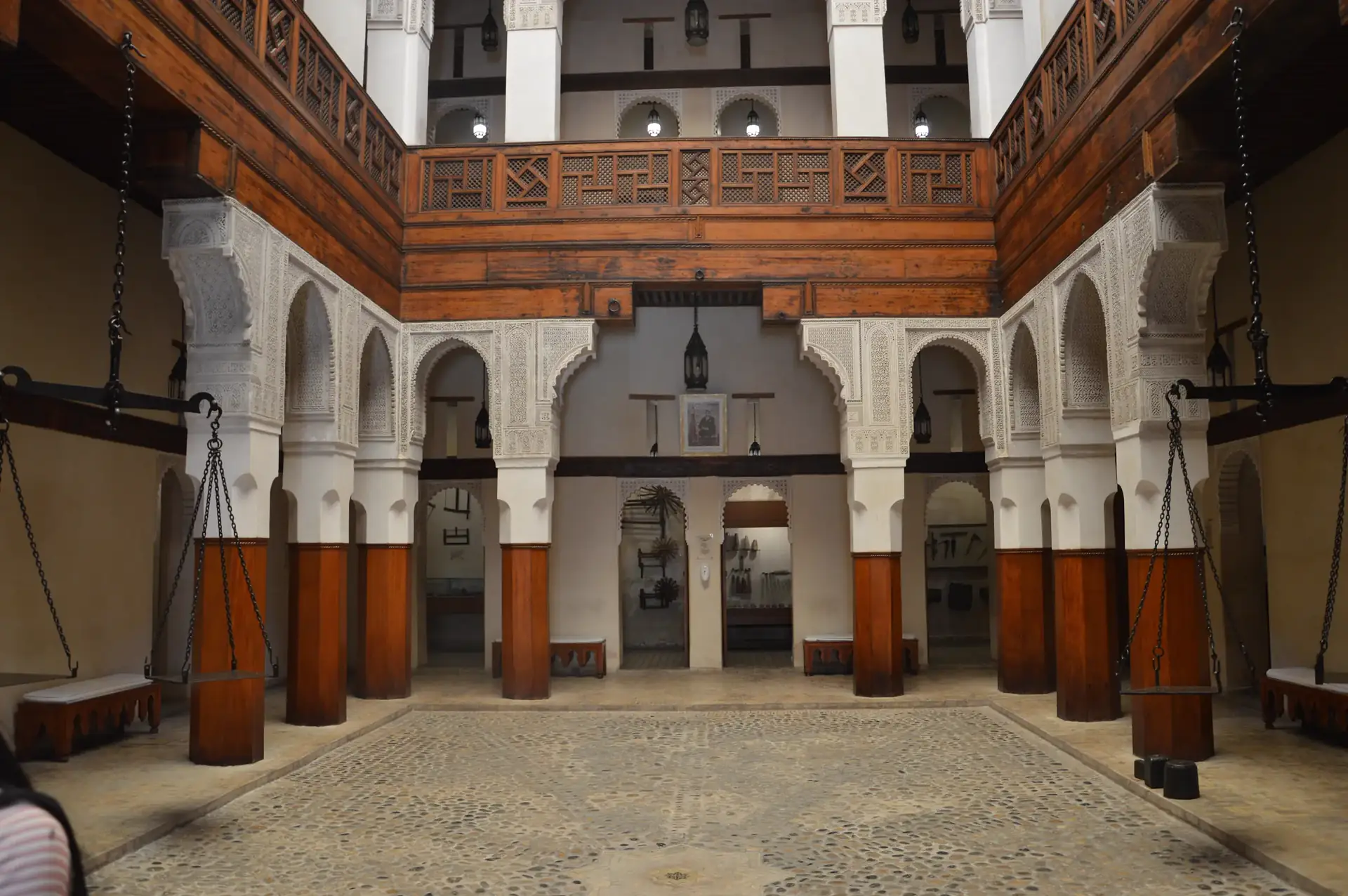
Fondouk el-Nejjarine, Fes.
Fondouk el-Nejjarine, FesIf Fes is one stop on a fast-moving Morocco loop, a single well-planned day captures the essentials: start early at Bab Boujloud, work through Fes el-Bali to the Bou Inania and Al-Attarine medersa, take in the Chouara tannery, and finish before the afternoon crowds. But Fes rewards time more than almost any city in Morocco. Two days lets you slow down inside the old medina, add Fes el-Jdid and the Mellah, spend real time with the artisans, and still fit in a Volubilis-and-Meknes day trip — for many visitors the highlight of the north. Our honest recommendation: give Fes two nights and two days if you possibly can. If you truly only have one day, take it — but consider a licensed guide to make every hour count, and accept that you're sampling the city rather than seeing it.
More side-by-side comparisons, written from Fes.
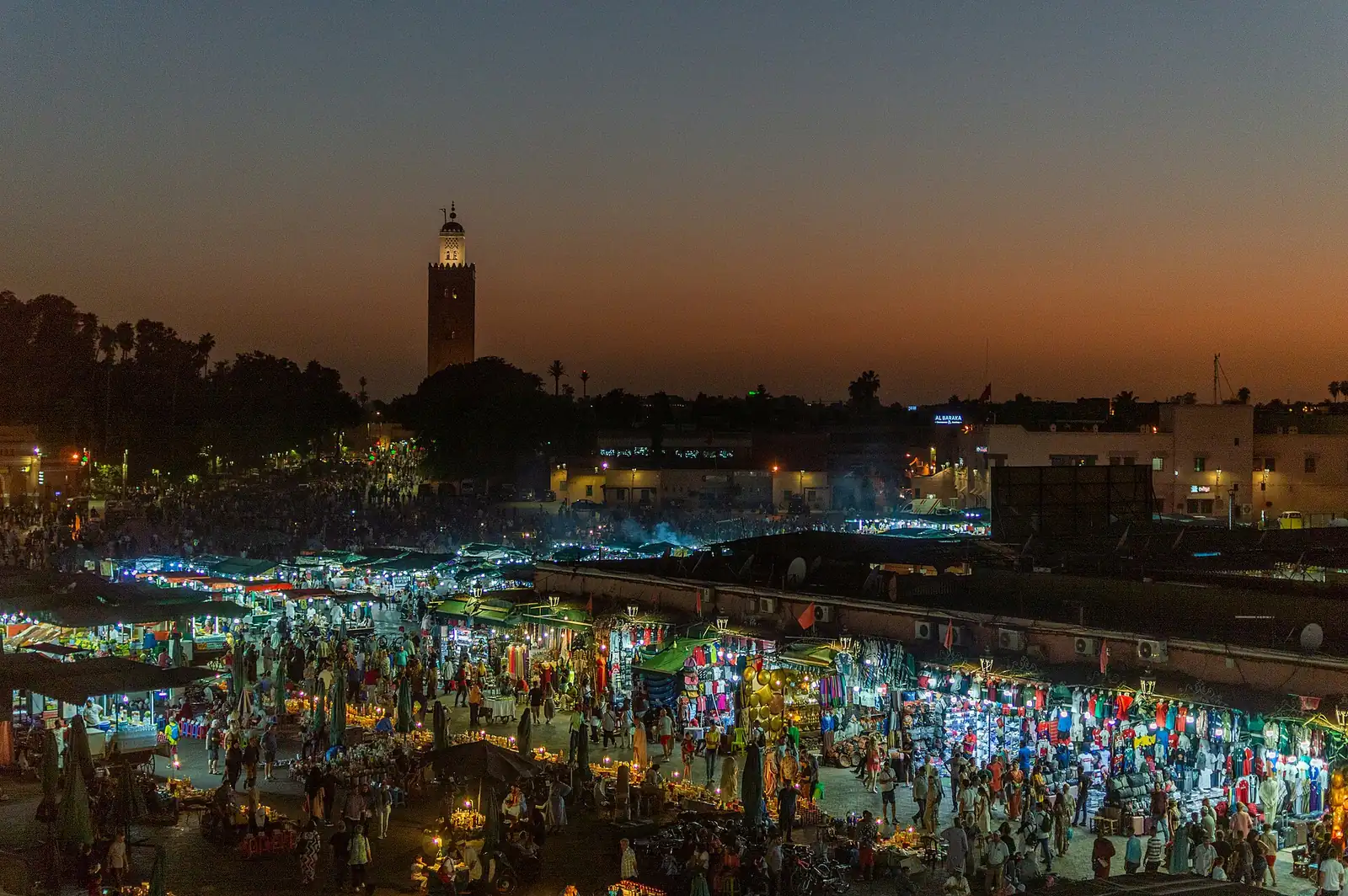 Marrakech or Fes?Both are UNESCO-listed imperial cities brimming with medinas, souks and centuries of Moroccan history — but they attract very different travellers.Read the comparison
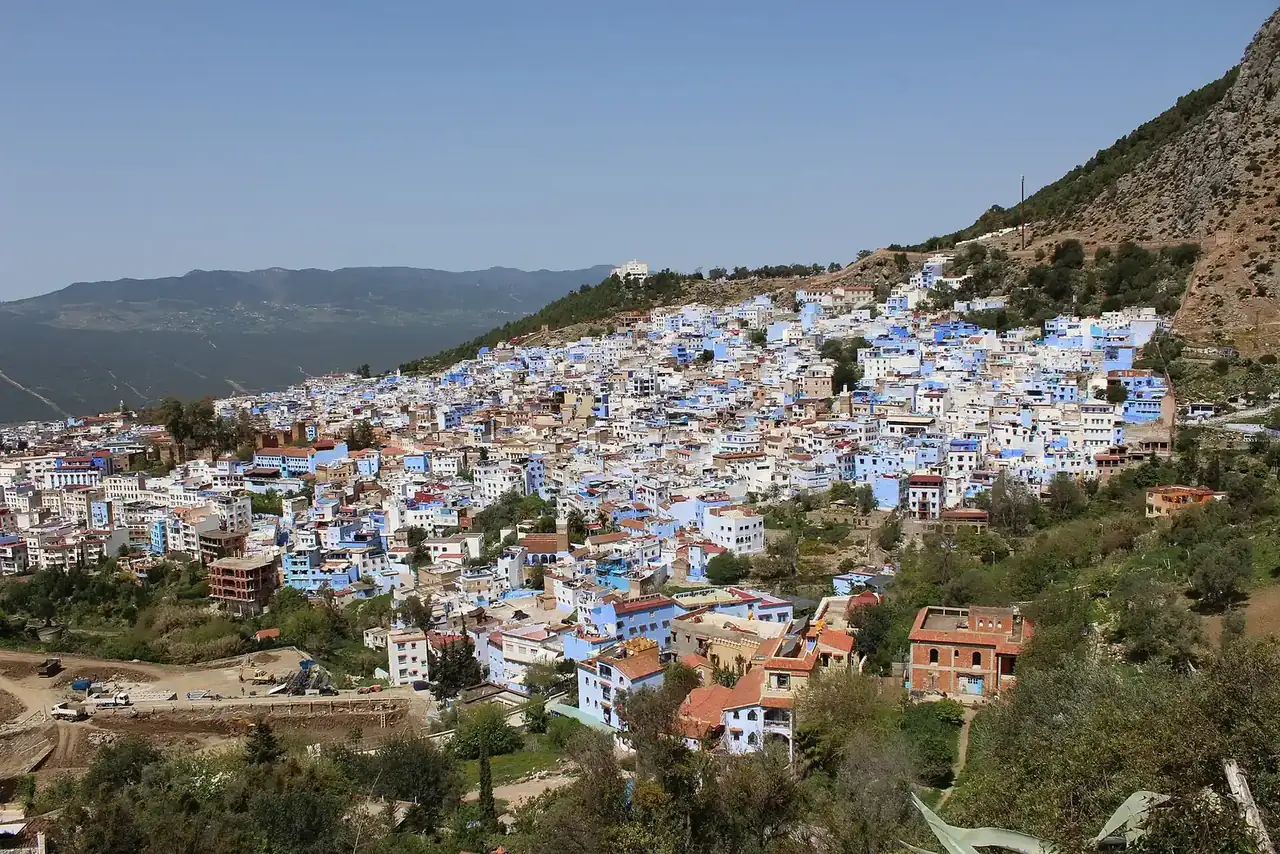 Chefchaouen or Fes?Chefchaouen and Fes are the two most visited cities of northern Morocco — one an intimate Rif mountain village famous for its blue-washed walls, the other a large imperial city with a medieval medina still lived in.Read the comparison
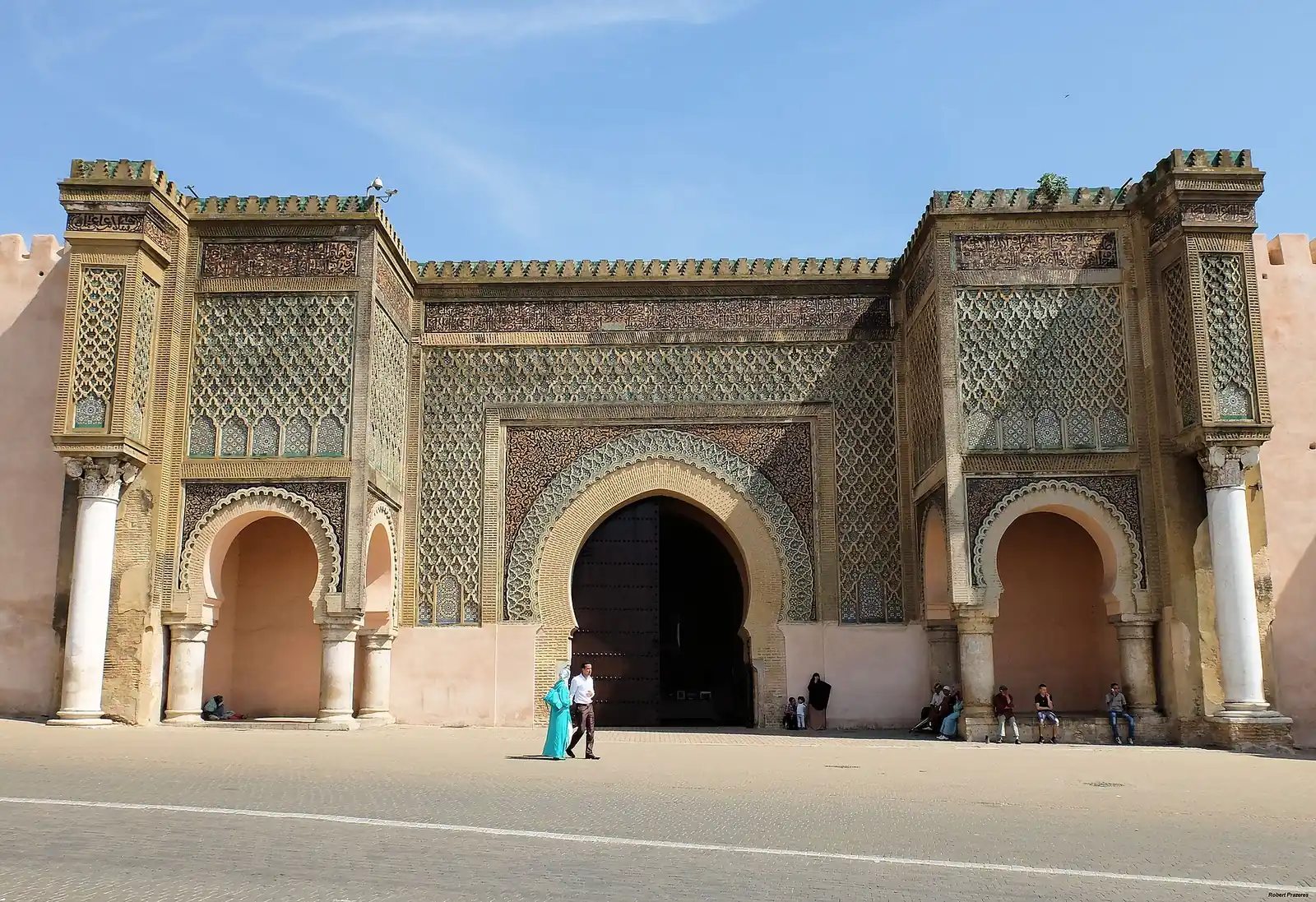 Fes or Meknes?Fes and Meknes are only 60 km apart and both carry UNESCO World Heritage status as imperial capitals — yet Meknes sees a fraction of Fes's visitors and rewards those who stop.Read the comparison
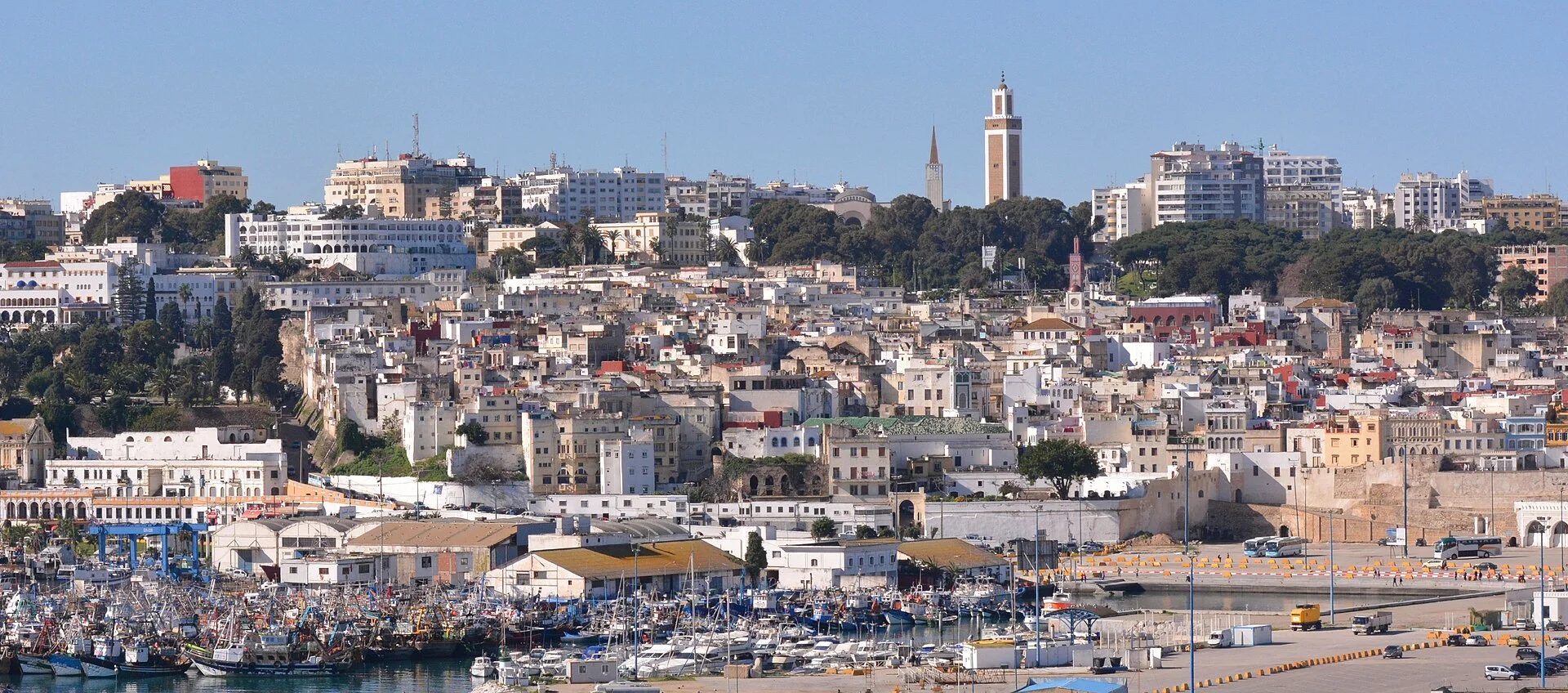 Fes or Tangier?Fes is Morocco's spiritual and intellectual heartland with a car-free medina; Tangier is a restless port city where Europe meets Africa, reborn as one of the country's most dynamic urban destinations.Read the comparison
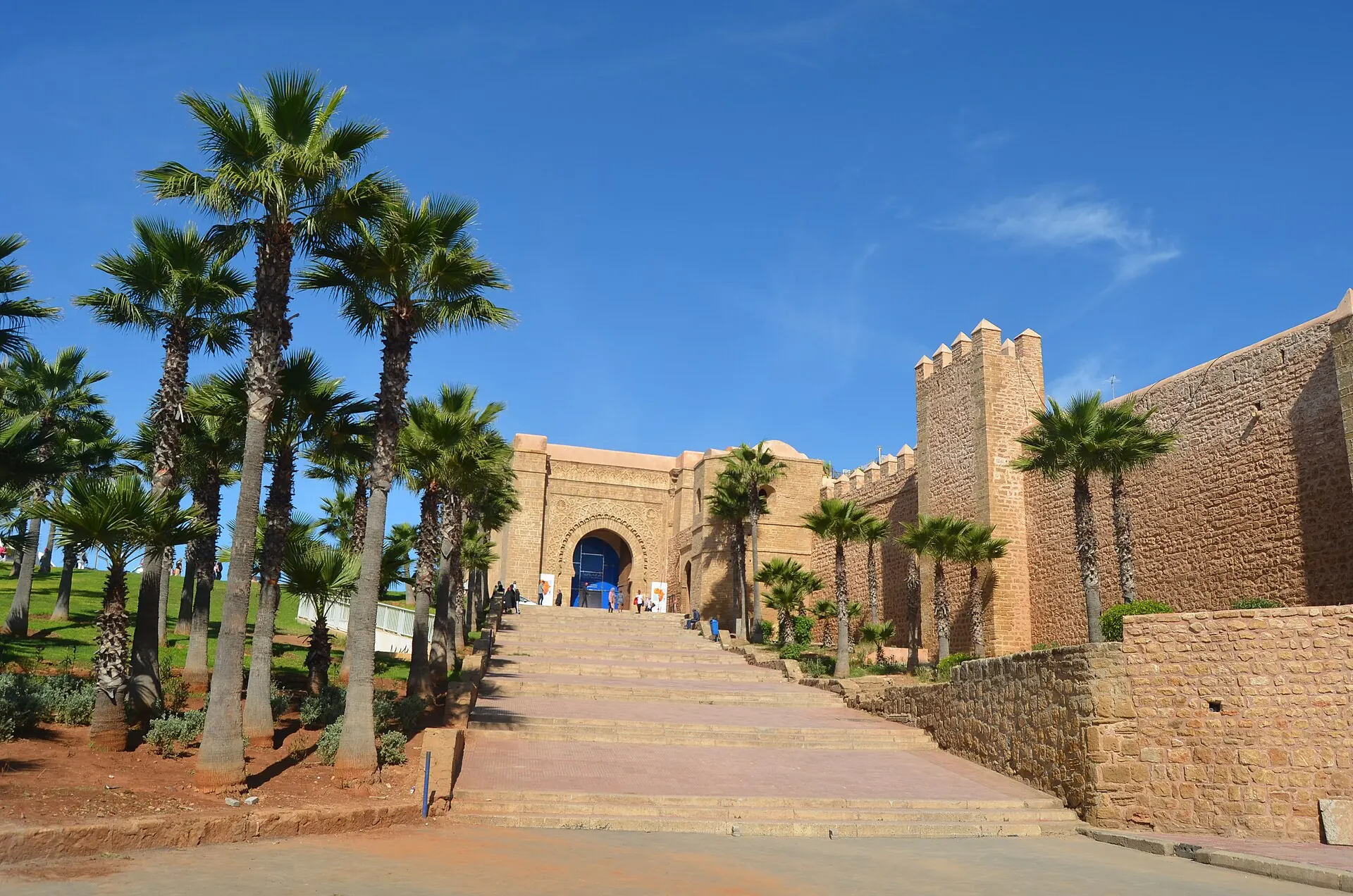 Fes or Rabat?Two of Morocco's four imperial cities, both UNESCO-listed and roughly two and a half hours apart by train — but Fes is the great medieval medina of craft and learning, while Rabat is the calm, green administrative capital on the Atlantic.Read the comparison
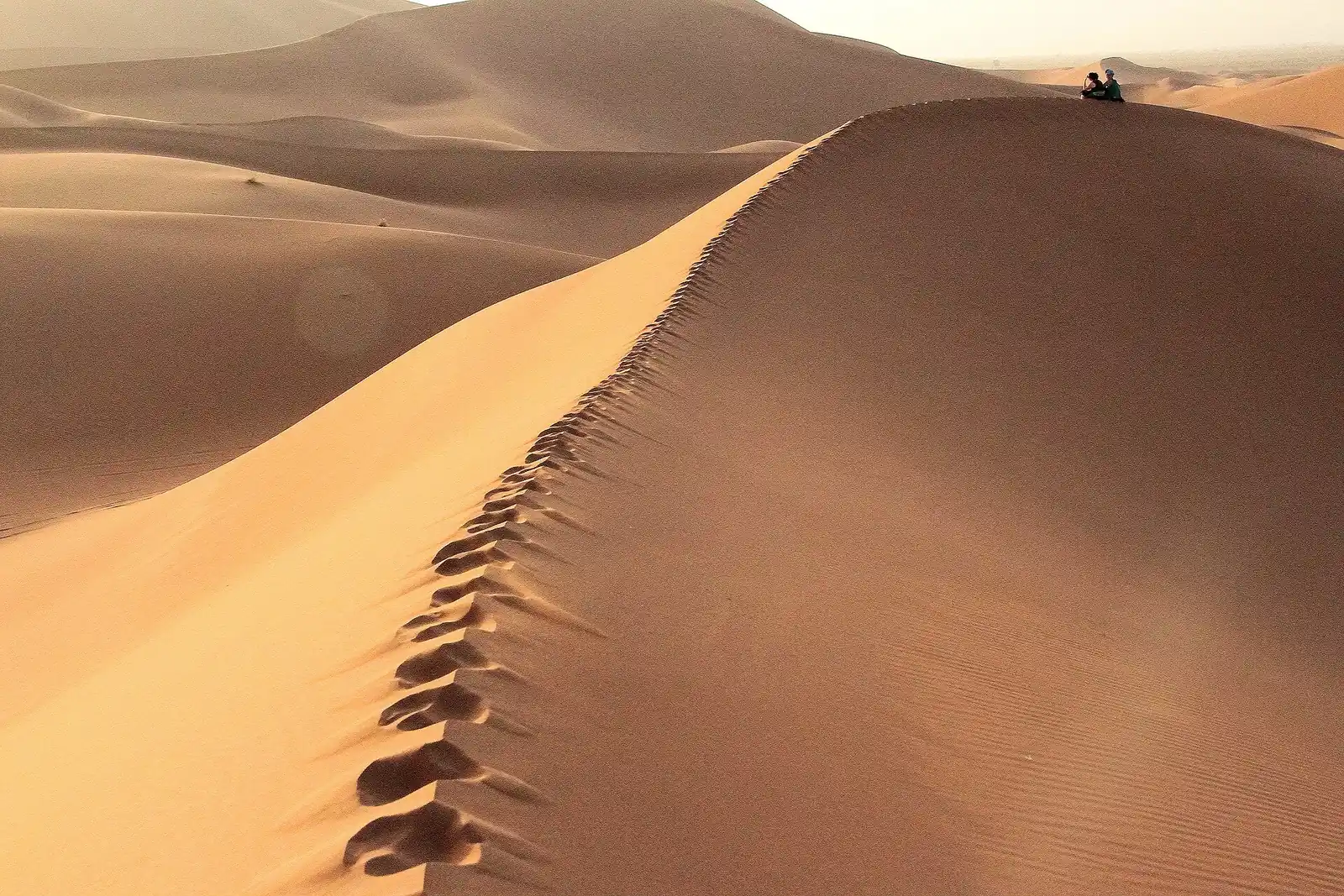 Merzouga or Zagora?Both Merzouga and Zagora offer Saharan dune experiences, camel rides and stargazing camps — but they differ significantly in scale, remoteness and what a visit looks like.Read the comparison
The questions people ask us most before they plan a trip.