Mount Toubkal Trek
Toubkal is North Africa's highest peak at 4,167 metres, and most ascents begin in Imlil. The classic route takes two days with a night at a mountain refuge, summiting at dawn for sweeping views across the Atlas range and, on clear days, the Sahara's edge.
Aroumd Village Visit
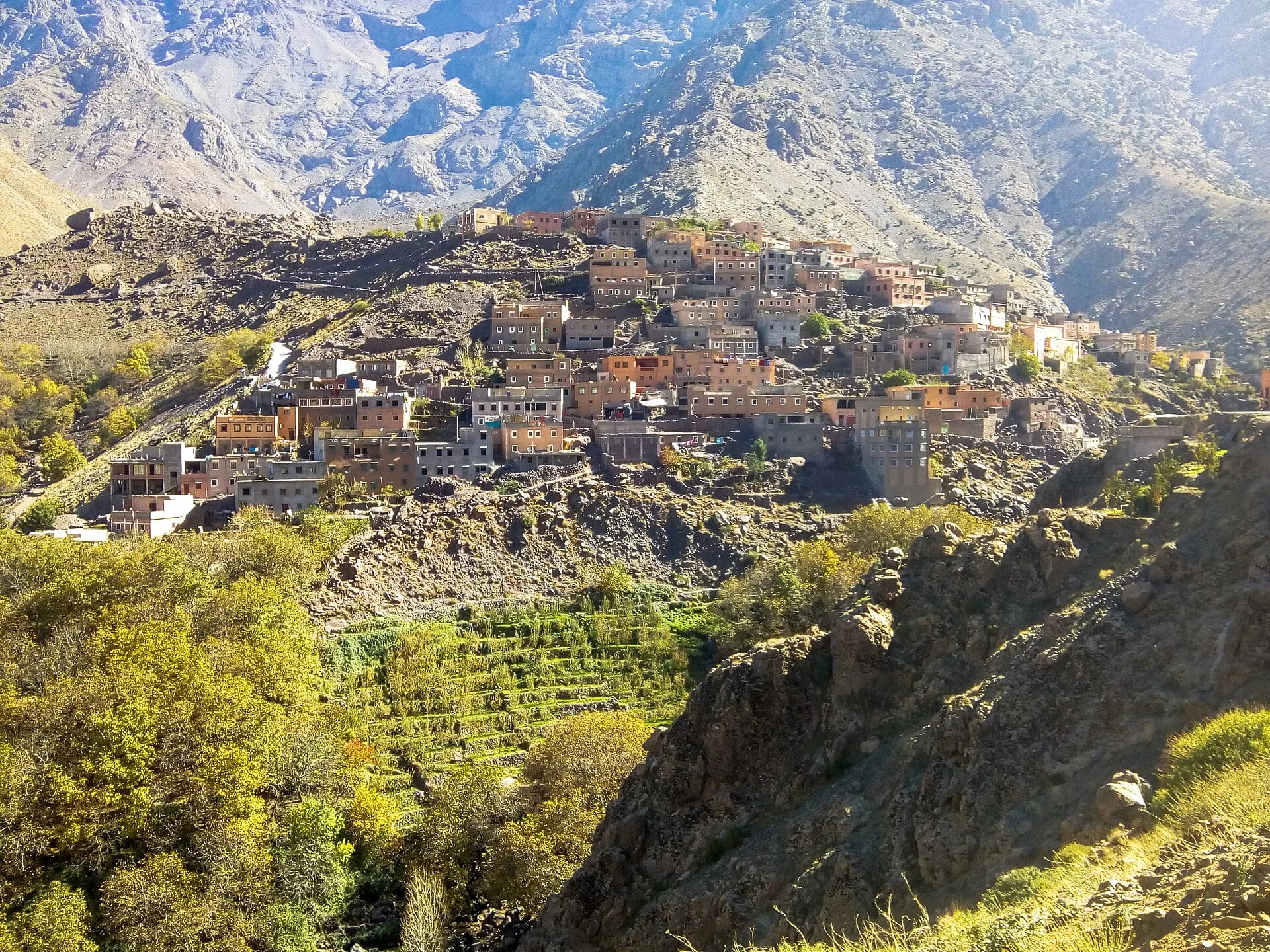
A short uphill walk from Imlil reaches Aroumd (also written Around), the largest village in the Mizane valley, set on a moraine above the riverbed. Its stone houses and communal threshing floors give an unhurried glimpse of Berber mountain life.
Kasbah du Toubkal
Perched above Imlil on a former tribal stronghold, this restored kasbah is run as a community-focused lodge and has featured as a filming location. Even non-guests can climb up for mint tea and panoramic terraces overlooking the valley.
Sidi Chamharouch Shrine Trail
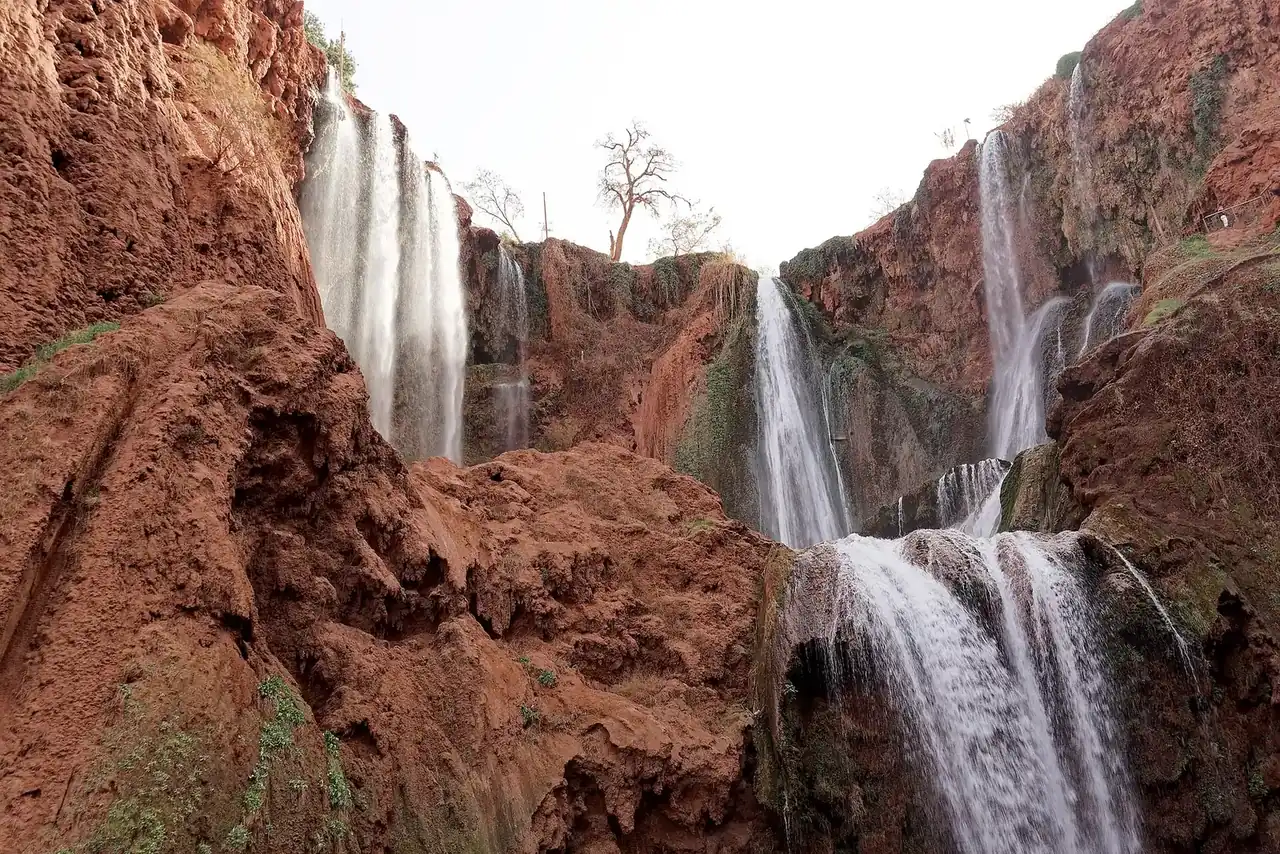
The path toward Toubkal passes Sidi Chamharouch, a whitewashed marabout shrine beside the river at around 2,300 metres. It remains an active pilgrimage site, and the walk there makes a rewarding half-day hike with waterfalls along the way.
Mule Trekking
Mules have long been the High Atlas pack animal, and hiring one with a local muleteer is both practical and traditional. They carry gear up to the refuges and let less experienced walkers cover ground on the steeper, rockier sections of trail.
Lalla Takerkoust Day Trip
Roughly an hour's drive down toward the plains, the Lalla Takerkoust reservoir offers a contrasting landscape of blue water against arid hills. It is a popular spot for lakeside lunches, kayaking and quad biking before returning to the mountains.
Traditional Berber Lunch
Many homes and guesthouses serve tagine, fresh bread baked in wood ovens and mint tea poured from height. Sharing a slow mountain lunch with a Berber family is a good way to spend a day between treks.
Tizi Mzik Pass
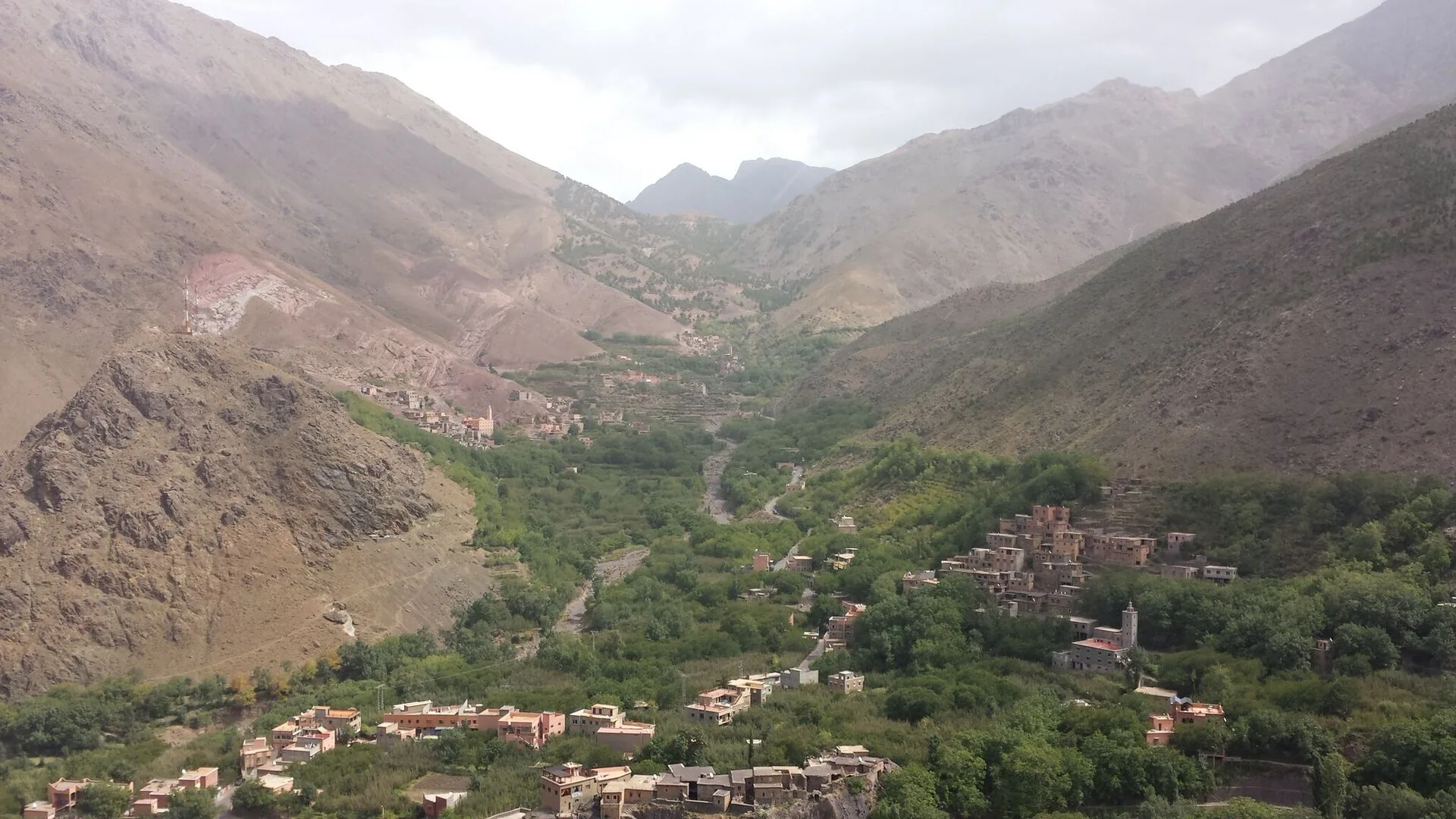
This mountain pass west of Imlil, at around 2,500 metres, makes a satisfying day hike or an alternative descent route. The trail climbs through juniper and offers wide views back over the Mizane valley and the surrounding summits.
Walnut Groves
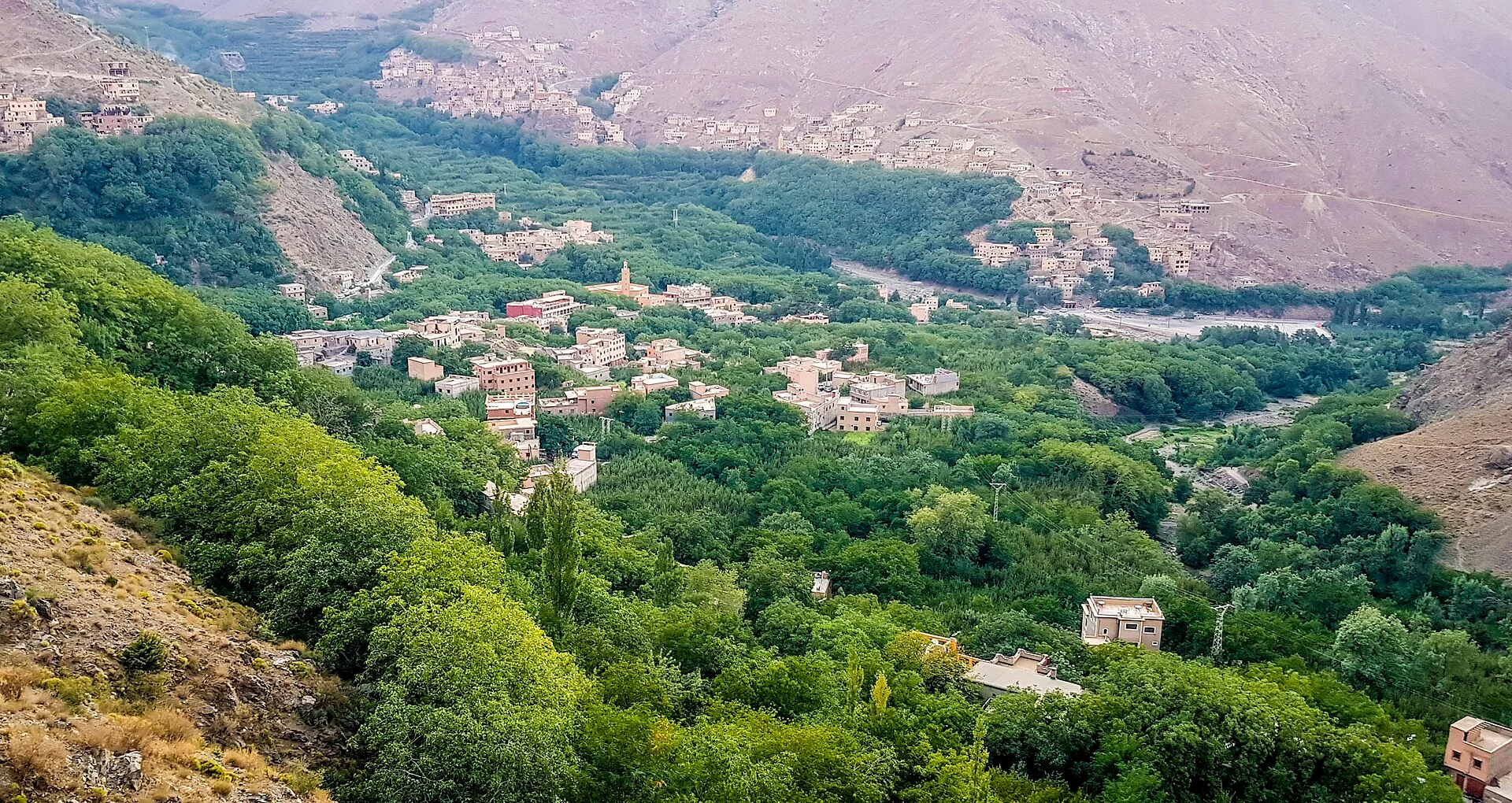
Imlil sits among productive walnut and fruit orchards fed by glacial meltwater. Strolling the shaded groves and irrigation paths, especially in autumn when the harvest is underway, reveals the agricultural rhythm that sustains the valley's villages.
Armed Village
Set on the route toward Toubkal, Armed is one of the highest permanently inhabited villages in the valley. Walking its narrow lanes shows how stone and earth homes are built into the slope, with terraced gardens stacked beneath.
Winter Snowshoeing
From roughly December to March the High Atlas holds snow, and the slopes around Imlil become a winter playground. Guided snowshoe outings cross silent, white valleys, while experienced mountaineers tackle Toubkal with crampons and ice axes.