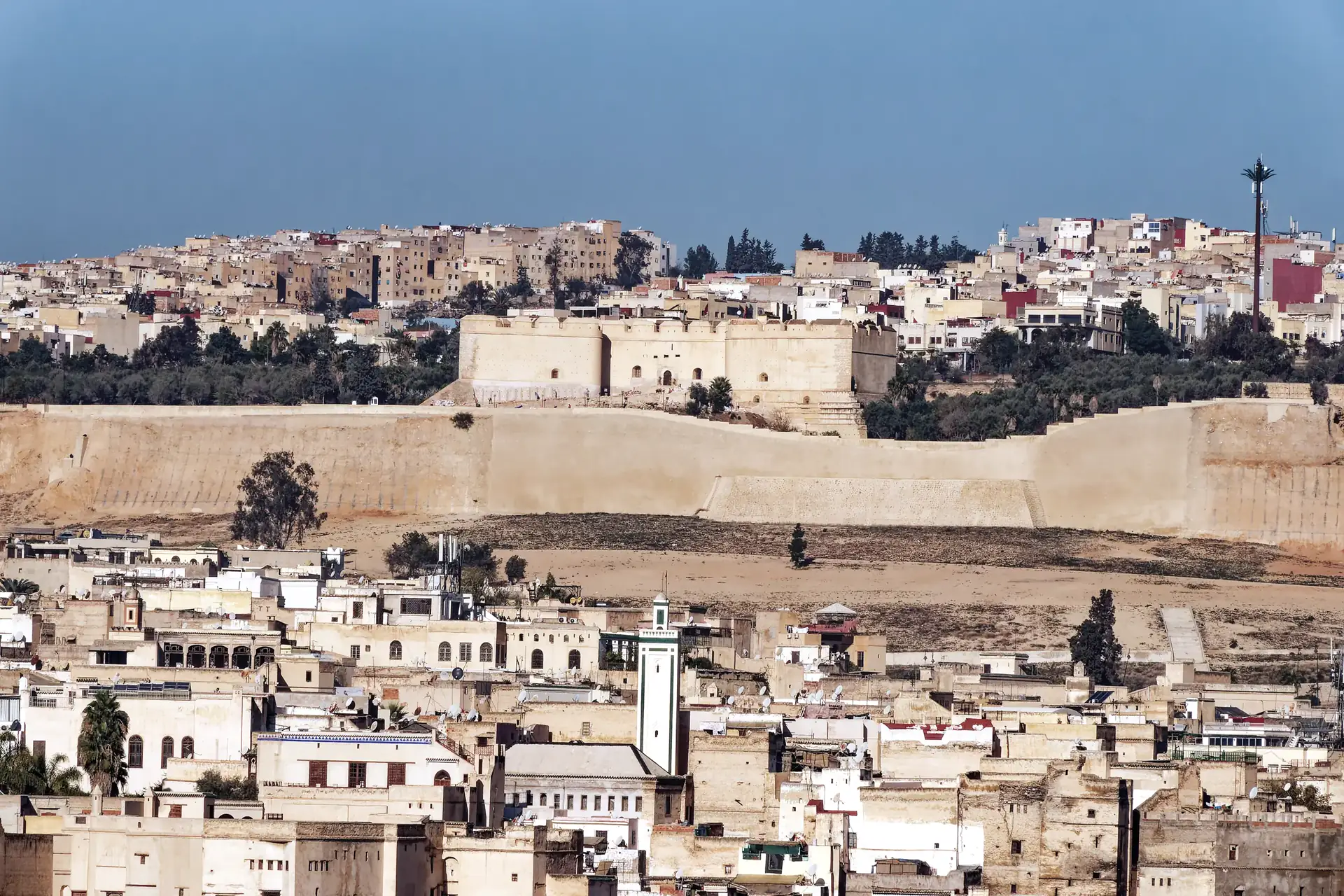
Jnan Sbil Gardens

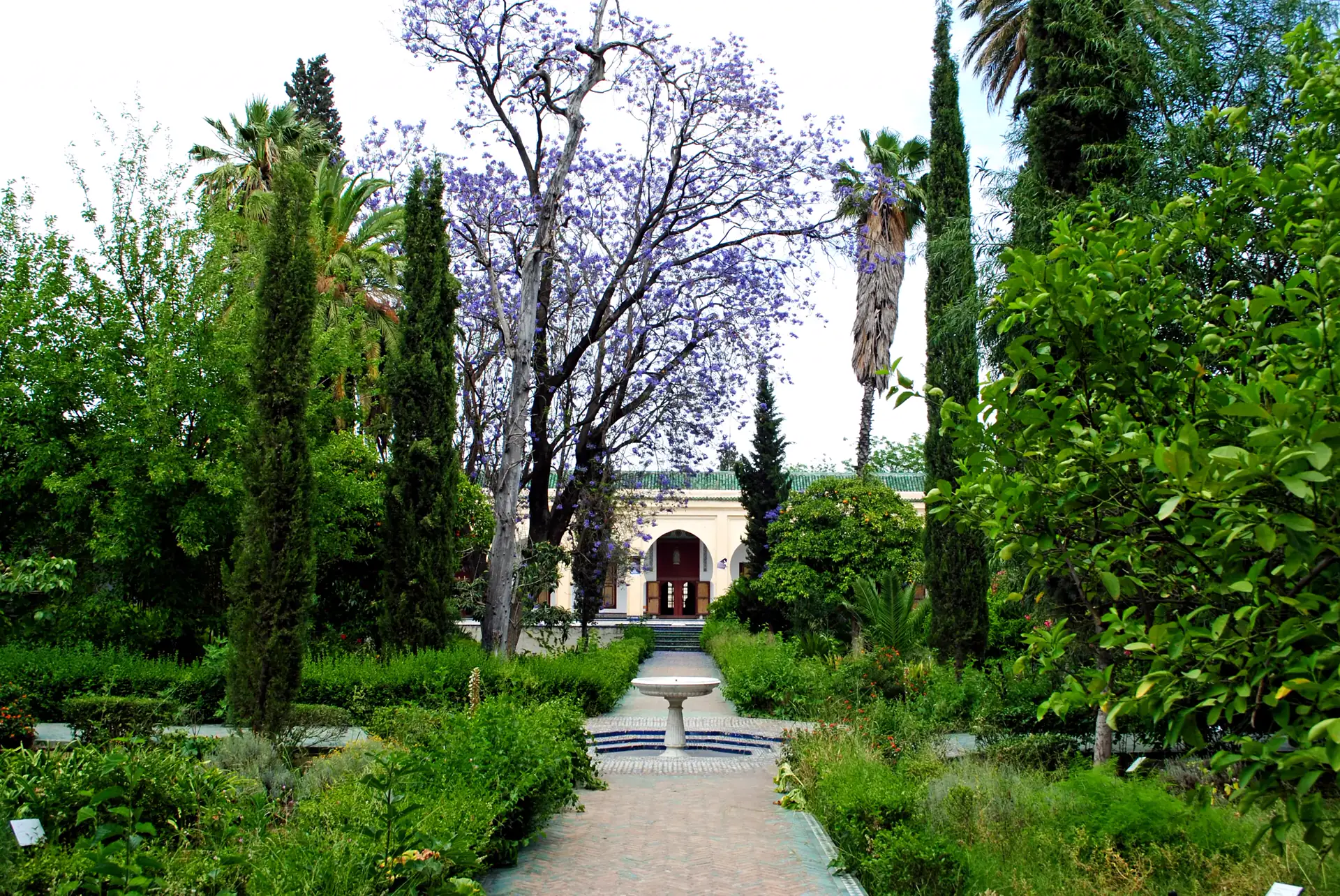
Jnan Sbil, also called the Bou Jeloud Gardens, is one of the oldest public gardens in Fes, set between Fes el-Bali and Fes el-Jdid below Bab Boujloud. It began as a royal garden and reopened around 2011 after restoration. You walk shaded paths past date palms, bamboo, fountains and a central lake.

  • Written by our Fes team
  • Private or small-group
  • A written quote for your dates

What you'll see

Set between Fes el-Bali and Fes el-Jdid, just below the Blue Gate of Bab Boujloud, the Jnan Sbil Gardens (Jardin Jnan Sbil, also known as the Bou Jeloud Gardens) are one of the oldest public gardens in Fes. Laid out as a royal garden — generally dated to the 18th century — and historically watered from the Oued Fes, the gardens were later opened to the public and underwent a major restoration, reopening to visitors around 2011 after several years of work. Today they offer a tranquil green retreat from the noise and crowds of the medina: tall date palms and mature trees, stands of bamboo, fountains and a central lake or water basin, with Andalusian-style plantings arranged along shaded paths. For Fassis and visitors alike the gardens are a favourite spot for an unhurried stroll, a cool pause in the heat of the day, and an easy, family-friendly green space within walking distance of the old city's main gates.

The garden landscape and central lake

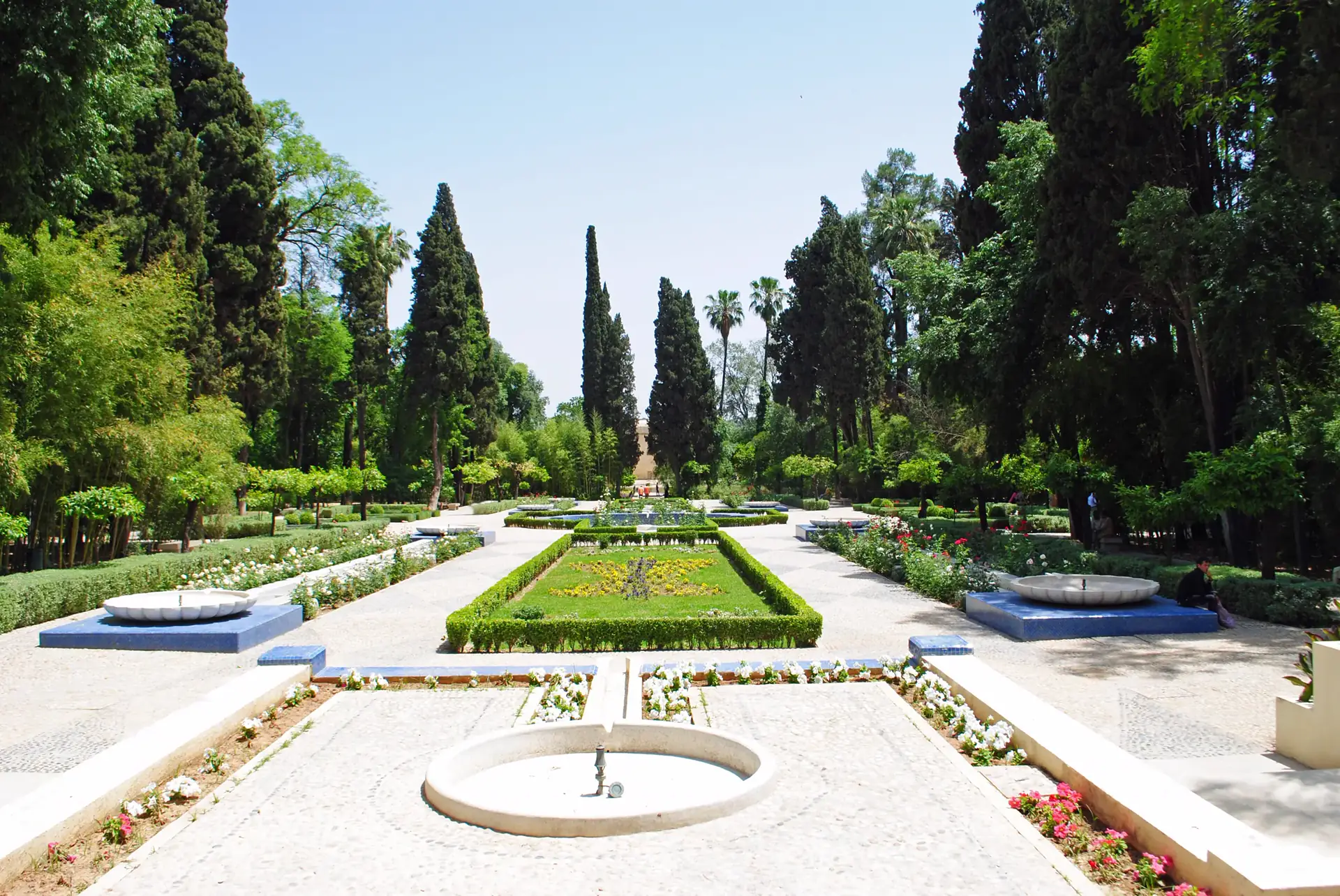
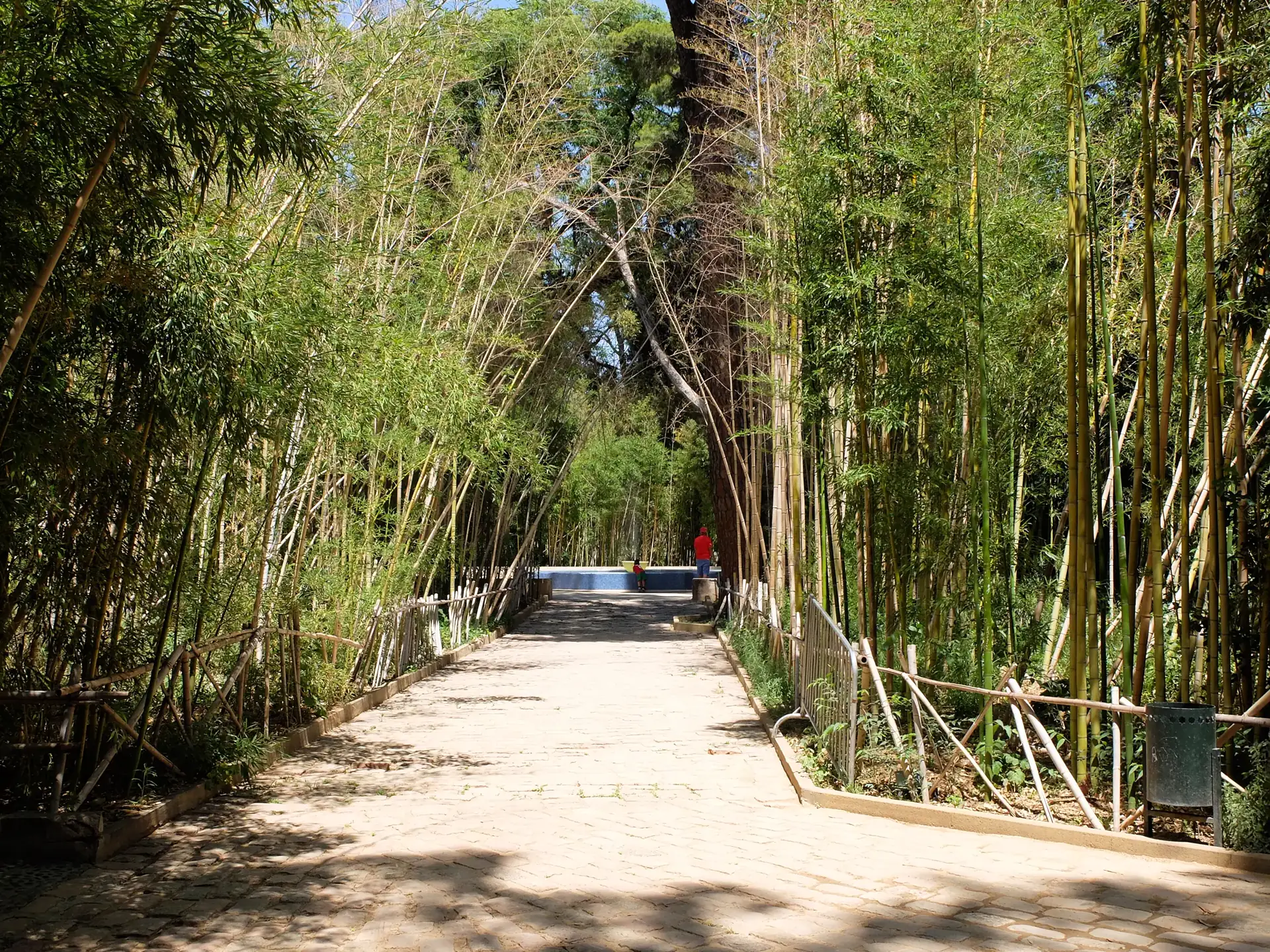
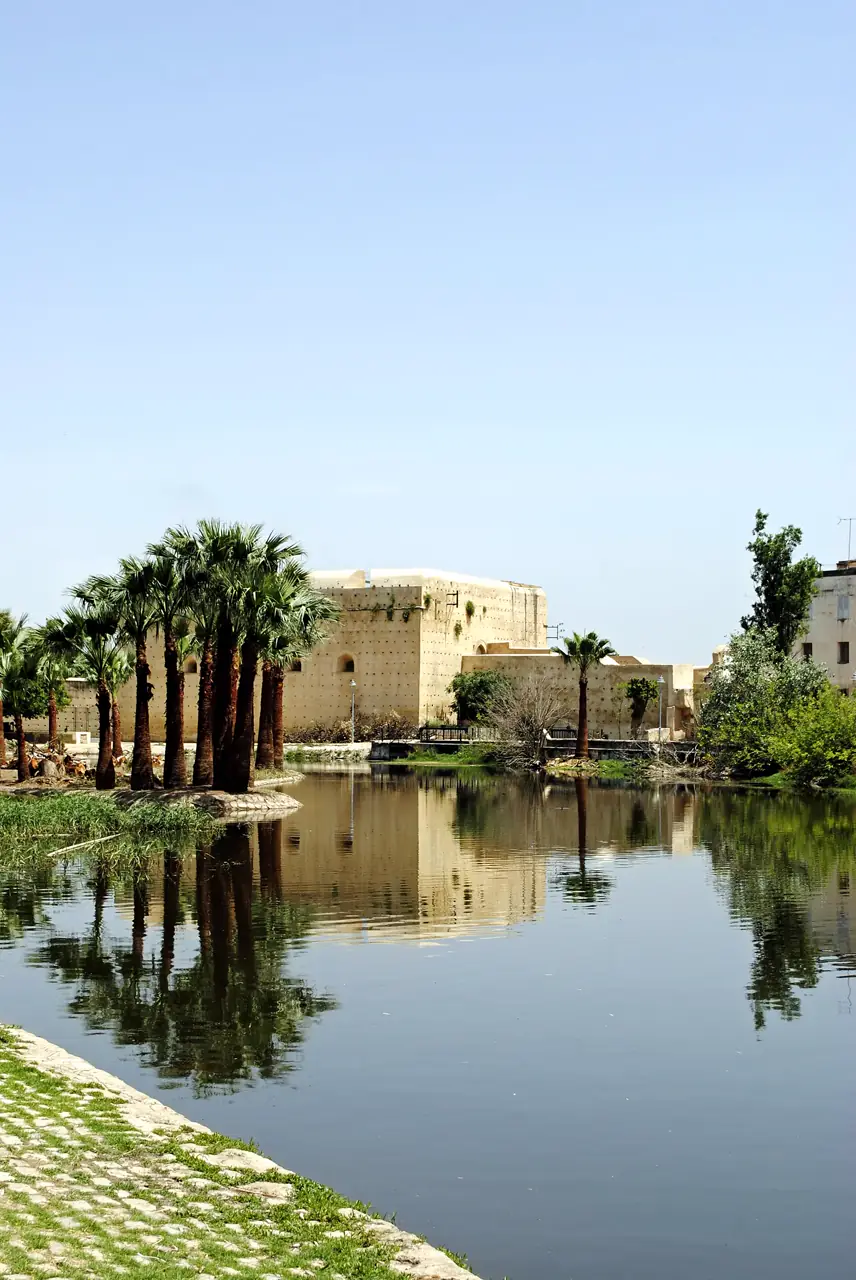
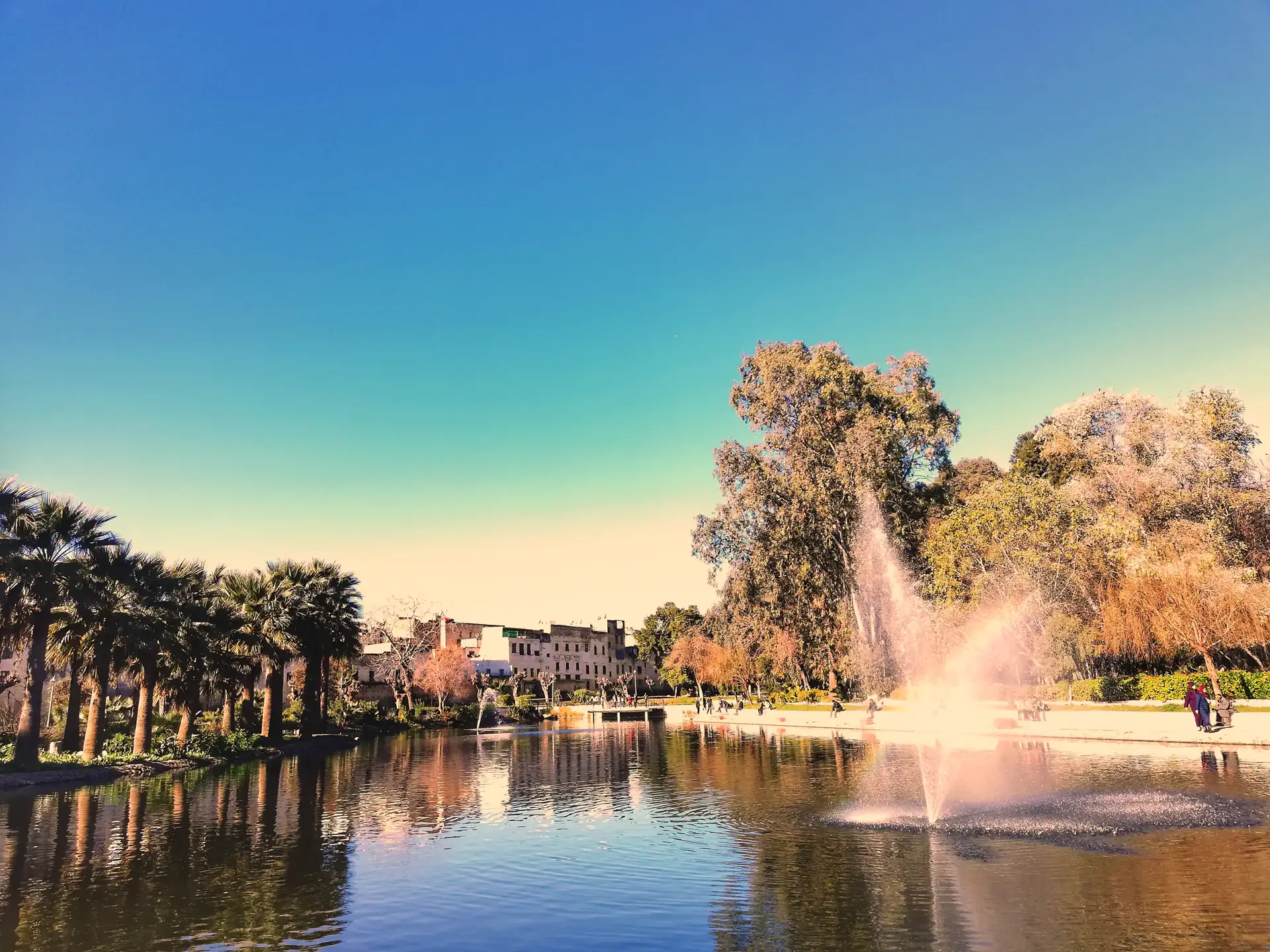
The gardens are arranged as a series of shaded walks and planted beds laid out in an Andalusian-influenced style, with tall date palms, mature trees and stands of bamboo. A central water feature — usually described as a lake or large basin — together with fountains and channels gives the gardens their cool, restful character. Exactly which fountains are running and how the planting looks varies with the season and upkeep, so treat the details as a general picture rather than a fixed scene.

One of the oldest public gardens in Fes

Jnan Sbil is widely regarded as one of the oldest public gardens in the city. It began as a royal garden, generally dated to the 18th century, before later being opened to the public. Its long history is part of what sets it apart from a simple modern park: it is a historic green space woven into the fabric of imperial Fes, set just outside the walls of the old medina.

Historically watered from the Oued Fes

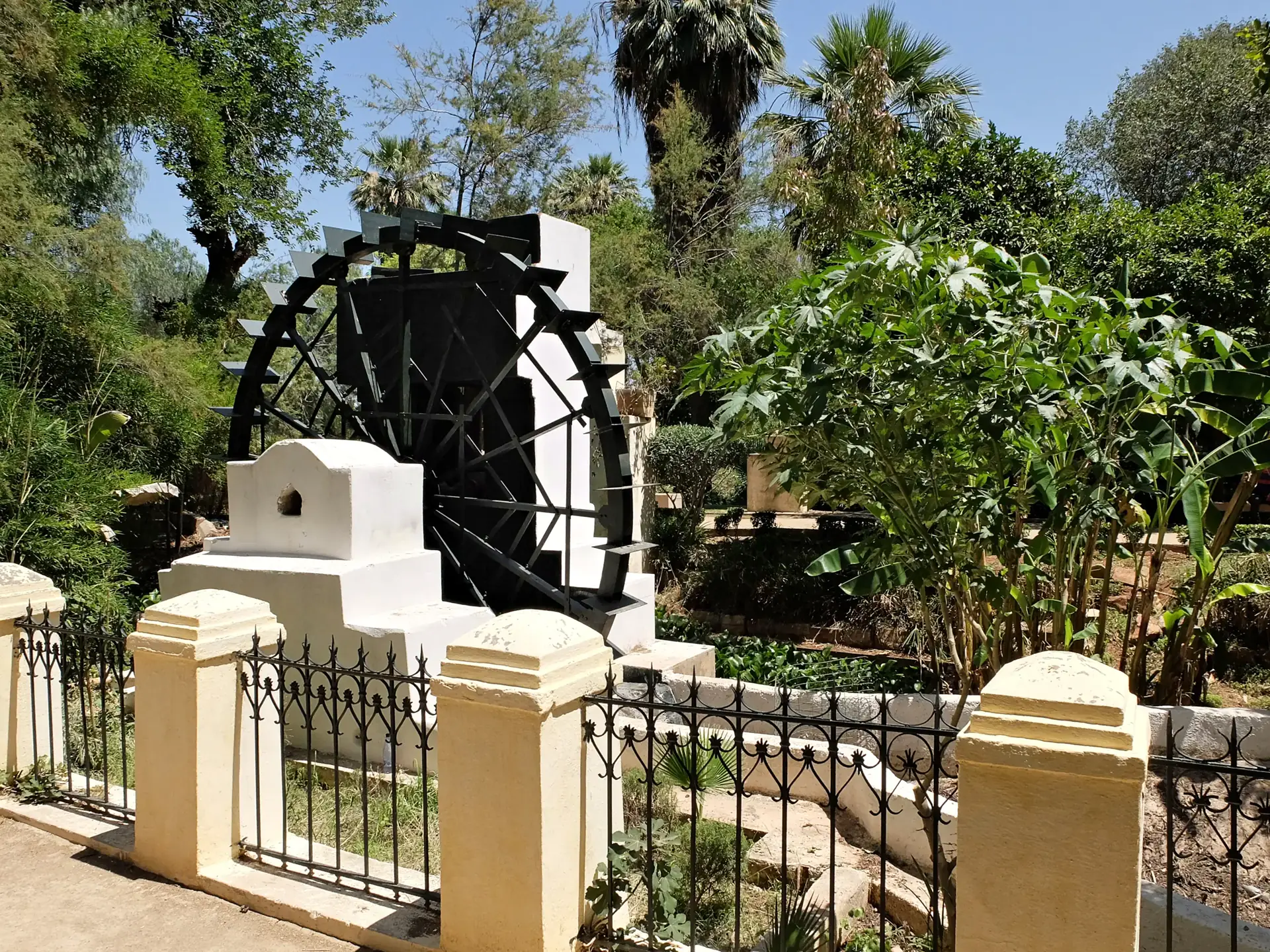
The gardens were historically fed by water drawn from the Oued Fes (the Fes river), the same waters that for centuries powered fountains, mills and workshops across the medina. This link to the city's traditional water system helps explain the lush planting and the presence of a lake and channels, and is a reminder of how closely Fes has always depended on its water.

A calm escape from the medina

Perhaps the gardens' greatest appeal is simply the calm. After the close, busy lanes of Fes el-Bali, stepping into Jnan Sbil offers shade, birdsong, the sound of water and room to breathe. It is one of the easiest places near the medina to slow down, rest tired feet and escape the midday heat without leaving the heart of the city.

Families and an easy green space

The flat, shaded paths and open green areas make the gardens an easy, relaxed place for families and for travellers visiting with children, offering a break from the more demanding medina walking. It is a low-key, undemanding stop, so it pairs well with a busy sightseeing day when everyone needs somewhere quieter to recharge.

Combining with the medina and Dar Batha

Because they lie just below Bab Boujloud, the gardens combine naturally with a wider walk. A common plan is to pair Jnan Sbil with the nearby Dar Batha Museum and its own Andalusian garden, then pass up through the Blue Gate into Fes el-Bali to continue on to the Bou Inania Madrasa, the Talaa Kebira and the souks — using the gardens as a calm beginning or a restful end to the day.

Where Jnan Sbil garden is

Pinned on OpenStreetMap, with the walk from the nearest gate. The places around it link to their own guides.

فاس الباليFes el-BaliTalaa Kebira · الطالعة الكبيرةباب بوجلودBab Boujloudباب المحروقBab Mahroukباب عجيسةBab Guissaباب الفتوحBab Ftouhباب الجديدBab JdidالقرويينQarawiyyinالشوارةChouaraالرصيفRcifعدوة الأندلسAndalusian bankقبور المرينيينMerinid Tombsالبرج الشماليBorj NordالبوعنانيةBou Inaniaفاس الجديدFes el-Jdidواد فاسOued Fesمكناس · وليلي · الرباطMeknes · Volubilis · Rabatشفشاون · طنجةChefchaouen · the Rif · Tangierصفرو · إفرانSefrou · Ifrane · the Middle AtlasمراكشMarrakechمرزوكةMerzouga · Erg Chebbiفاس الباليFes el-Baliخارج الأسوارOut through the gatesأبعد من فاسOff the edge of the mapالرياضYour riadN500 m (schematic)جنان السبيلJnan Sbil gardenباب المحروقBab Mahroukجنان السبيلJnan Sbil gardenباب المحروقBab Mahrouk

More about Jnan Sbil Gardens

The restoration and reopening (around 2011)

After a long period of decline, the gardens were closed for a major restoration and were beautifully restored and reopened to the public around 2011. The work renewed the paths, planting, water features and infrastructure, returning Jnan Sbil to use as a public garden. As with any heritage site, sections may occasionally close for maintenance, so it is worth being flexible about exactly what is accessible on the day.

A favourite spot for strolling

Jnan Sbil is a much-loved local strolling spot, particularly in the late afternoon and early evening when families and friends come to walk the shaded paths. Joining that gentle rhythm — wandering slowly between the palms, pausing by the water and watching everyday Fassi life — is the natural way to enjoy the gardens, rather than ticking off specific sights.

Getting there by Bab Boujloud

The gardens sit just below the medina between Fes el-Bali and Fes el-Jdid, an easy walk from the Blue Gate of Bab Boujloud, which makes them simple to find and to fit into a medina day. Opening hours can vary and the gardens may close on certain days or for maintenance, so it is worth checking current times locally before you set out, especially if you are making a special trip.

Best time to visit

The gardens are at their most pleasant outside the harshest midday sun: a morning visit is cool and quiet, while the late afternoon and early evening bring softer light and more of the local strolling crowd. In the heat of summer, the shade of the palms and trees makes the gardens an especially welcome refuge during the hottest hours, when the open medina can feel exhausting.

Photography in the gardens

The palms, the lake and water features and the shaded Andalusian-style paths are the most photogenic parts of Jnan Sbil, especially in the soft light of early morning or late afternoon. As always in Morocco, be considerate when photographing other people in the gardens and ask before taking close portraits of locals enjoying their stroll.

Admission and practicalities

Jnan Sbil is generally a free public garden, though it is sensible to confirm any current entry arrangements and opening hours locally, as these can change. Treat it as you would any cherished public space: keep to the paths, take your litter with you, do not pick the plants, and keep voices low so that the gardens stay the peaceful retreat that makes them so well loved.
Before you knock

The questions people ask us most before they plan a trip.

What are the Jnan Sbil Gardens in Fes?
Jnan Sbil (Jardin Jnan Sbil), also known as the Bou Jeloud Gardens, is one of the oldest public gardens in Fes. Laid out as a royal garden generally dated to the 18th century and historically watered from the Oued Fes, it sits between Fes el-Bali and Fes el-Jdid near Bab Boujloud and is a tranquil green space of tall palms, mature trees, bamboo, fountains and a central lake or basin.
When were the Jnan Sbil Gardens restored?
After a long period of decline the gardens were closed for a major restoration and were reopened to the public around 2011. The work renewed the paths, planting, water features and infrastructure. Sections can still occasionally close for maintenance, so it is worth being flexible about exactly what is accessible when you visit.
How do I get to the Jnan Sbil Gardens and are they free?
The gardens lie just below the medina between Fes el-Bali and Fes el-Jdid, an easy walk from the Blue Gate of Bab Boujloud. They are generally a free public garden, but opening hours can vary and the gardens may close on certain days or for maintenance, so check current times and any entry arrangements locally before you go.
What can I combine with a visit to Jnan Sbil?
Because the gardens sit just below Bab Boujloud, they pair naturally with the nearby Dar Batha Museum and its Andalusian garden, and with a walk up through the Blue Gate into Fes el-Bali to reach the Bou Inania Madrasa, the Talaa Kebira and the souks. Use the gardens as a calm start or a restful end to a medina day.

Want to see Jnan Sbil Gardens with a local? We'll plan the day.

  1. Tell us what drew you in. Your dates, who is travelling and what you want to see.
  2. A person reads it. We write a day-by-day plan for your group, private or small-group.
  3. You change anything. Then we confirm the guides, drivers and riads.
Plan this with us