Fes vs Rabat: Medieval Heart or Modern Capital?

Destination comparison · Imperial cities

Fes vs Rabat: Medieval Heart or Modern Capital?

Two of Morocco's four imperial cities, both UNESCO-listed and roughly two and a half hours apart by train — but Fes is the great medieval medina of craft and learning, while Rabat is the calm, green administrative capital on the Atlantic.

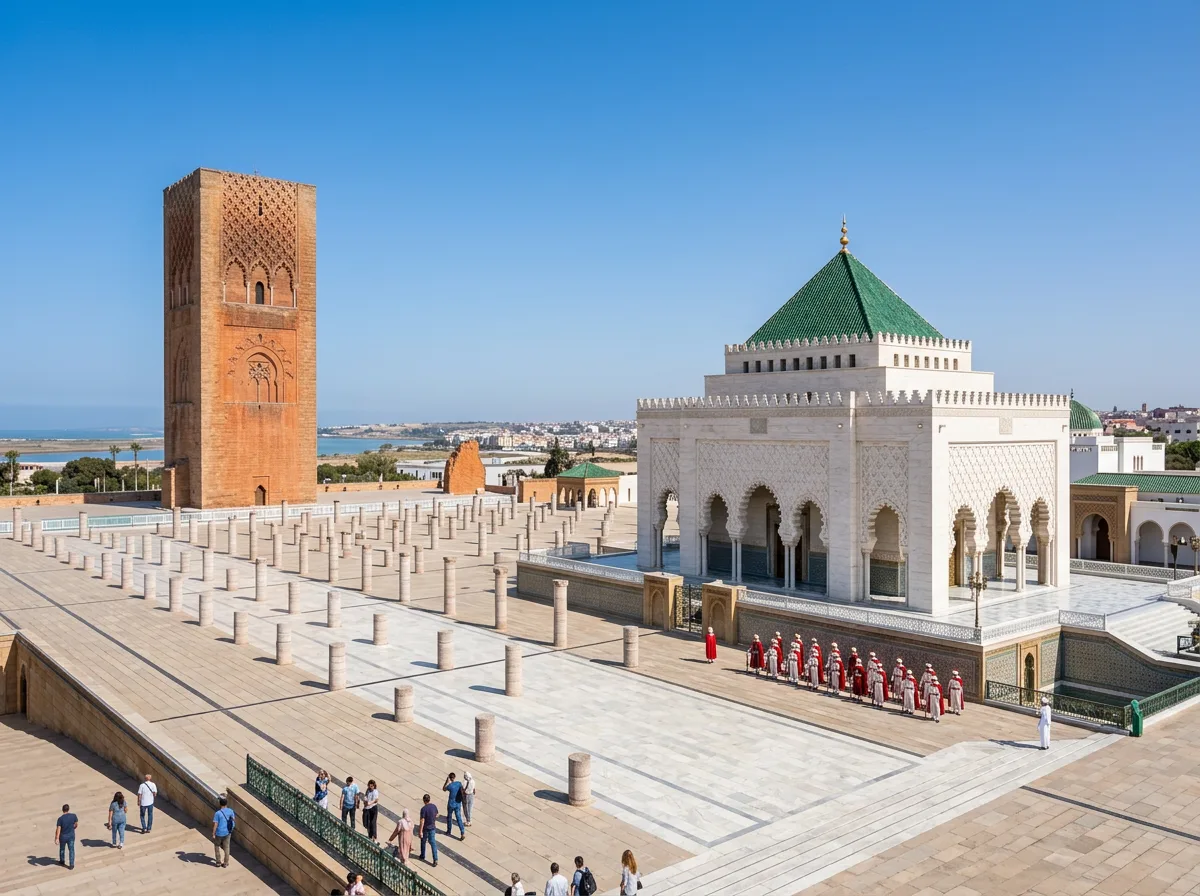
Fes and Rabat are both imperial cities and both carry UNESCO World Heritage status, but they offer almost opposite experiences. Fes, founded in the late 8th century, is the country's spiritual and intellectual heart: Fes el-Bali is the largest car-free urban area in the world, a labyrinth of thousands of lanes where the Qarawiyyin (founded 859 AD and often called the world's oldest existing university), the great medersas and the working tanneries continue centuries-old traditions. It is dense, demanding and unforgettable. Rabat, Morocco's capital since 1912 and the seat of government and the royal palace, sits on the Atlantic where the Bou Regreg river meets the sea. It is leafy, orderly and noticeably relaxed — a city of wide boulevards, a compact and gentle medina, and headline monuments like the Hassan Tower, the Mausoleum of Mohammed V and the cliff-top Kasbah of the Udayas. Where Fes overwhelms, Rabat reassures.

Option A

Fes

The spiritual and intellectual capital — the world's largest car-free medieval medina

Best for

History and craft lovers, slow travellers, anyone wanting Morocco at its most intense

Full guide

Option B

Rabat

Morocco's relaxed seaside capital — monuments, ocean light and easy streets

Best for

Travellers wanting a calmer, walkable city; arrival/departure stops; modern Morocco

Full guide

Side-by-side breakdown

Fes vs Rabat

How the two stack up across the things that actually shape a trip — read down each column, or across each row.

FesRabat
Fes compared with Rabat
CharacterFesIntense, labyrinthine, medieval; a living craft-and-scholarship medinaRabatCalm, green, orderly; a modern administrative capital by the ocean
The medinaFesFes el-Bali — the world's largest car-free medina, thousands of lanes, easy to get lostRabatSmall, walkable medina plus the Kasbah of the Udayas; gentle and quick to navigate
Top sightsFesQarawiyyin mosque & university; Bou Inania & Al-Attarine medersas; Chouara tanneryRabatHassan Tower; Mausoleum of Mohammed V; Kasbah of the Udayas; Chellah necropolis
Crowds & touristinessFesA major destination; busy medina with persistent guides and souk toutsRabatFar less touristy; a working capital where you blend in rather than feel hustled
SettingFesInland, ringed by hills; the medina sprawls across a river valleyRabatOn the Atlantic at the Bou Regreg estuary; sea air, river and a city beach
Ease & walkabilityFesDemanding — most visitors hire a guide for the first day in the medinaRabatEasy — wide boulevards, a tram, and a medina you can wander unaided
Time neededFes3–4 nights minimum to do the medina justiceRabat1–2 days covers the main monuments comfortably
Getting thereFesFes–Saïss Airport (FEZ); direct train from Casablanca and RabatRabatRabat–Salé Airport (RBA); on the main Tangier–Casablanca rail line; ~2.5 h train from Fes

Our verdict

Which should you choose?

Choose Fes if you want Morocco at its deepest and most atmospheric — the great medieval medina, the medersas and mosques, the living craft traditions and the food. It is the headline imperial city and deserves three to four nights. Choose Rabat if you want a calmer, greener, more walkable city: a relaxed introduction to Morocco, a pleasant arrival or departure base near the airport and main rail line, and a clutch of genuinely impressive monuments without the medina intensity. They are not really rivals — they sit on the same Casablanca–Fes rail line about two and a half hours apart, so the natural answer for most itineraries is to see both, giving Fes the lion's share of your time and Rabat a day or two.

Deep dives

Explore each destination in full.

FAQ

Frequently asked questions.

How far is Rabat from Fes?

Rabat and Fes are roughly 200 km apart and sit on the same railway line. Direct trains take about 2.5 hours and run frequently throughout the day, making it easy to combine the two cities in one trip.

Is Fes or Rabat better to visit?

It depends on what you want. Fes offers the more powerful experience — the world's largest medieval medina, the Qarawiyyin university, the medersas and the tanneries — but it is intense and crowded. Rabat is calmer, greener and far less touristy, with handsome monuments and an easy, walkable centre. Most travellers prioritise Fes for depth and add Rabat as a relaxed day or two.

What is Rabat known for?

Rabat is Morocco's capital and the seat of government and the royal palace. Its landmark sights include the unfinished 12th-century Hassan Tower and the adjacent Mausoleum of Mohammed V, the picturesque blue-and-white Kasbah of the Udayas overlooking the Atlantic, and the Chellah — a walled Roman and medieval necropolis. It is known for being green, orderly and noticeably more relaxed than Morocco's busier cities.

Is Rabat worth visiting compared to Fes?

Yes, though for different reasons. Rabat will not give you the medieval-medina spectacle of Fes, but it offers a calmer, more walkable city, an Atlantic setting and several first-rate monuments with far fewer tourists. As they are only about 2.5 hours apart by train, it is easy to see both rather than choose — many travellers use Rabat as an easy stop on the way to or from Fes.

Can I do Fes as a day trip from Rabat?

It is possible — the direct train takes about 2.5 hours each way — but it is not recommended. Fes el-Bali is enormous and rewards several days; a single day there barely scratches the surface. If you have to choose a base, stay in Fes for at least a few nights and treat Rabat as a separate stop on the rail line rather than a day-trip hub.

Ready to book?

Let a Marrakech atelier build your itinerary.

Tell us which destinations you want to combine and we'll send a written itinerary and a transparent quote within 24 hours.

Keep comparing — all destination comparisons
Book now